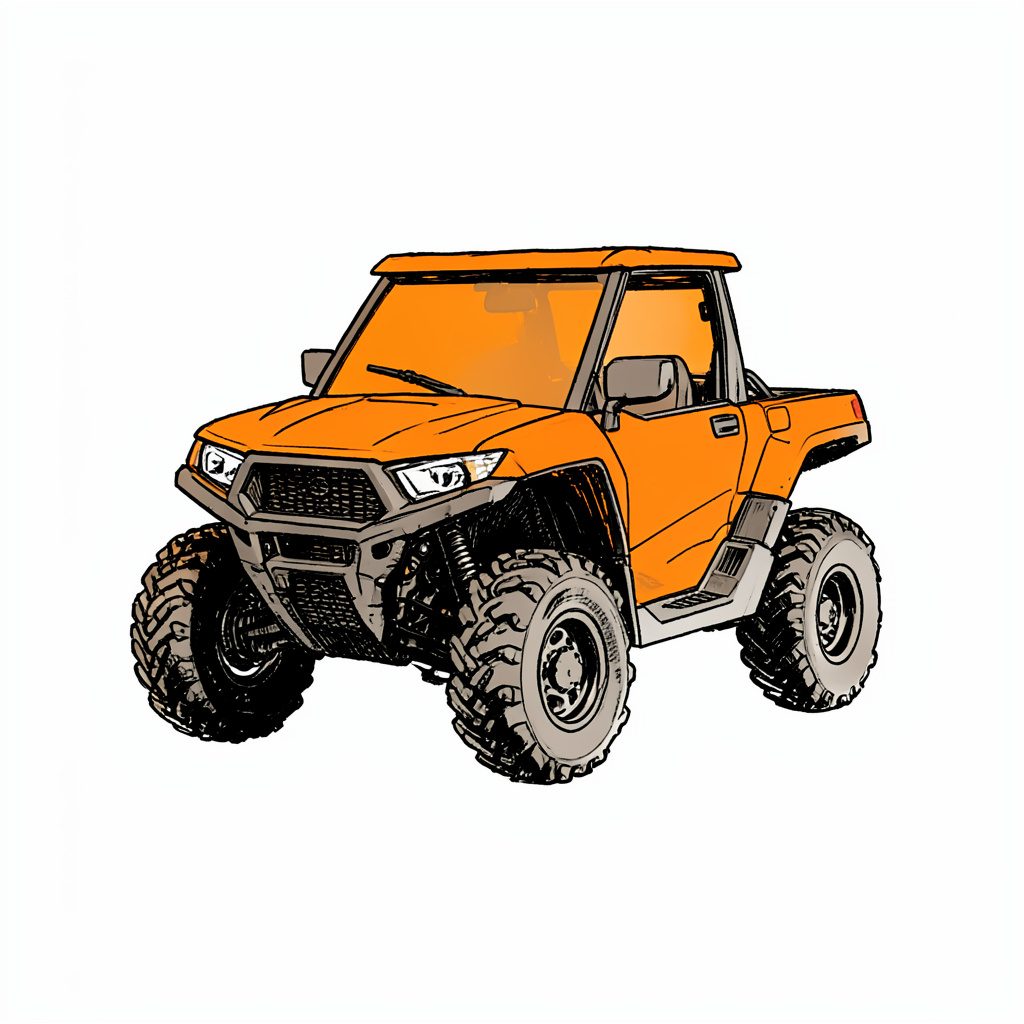
Tucked into pristine old Florida land in Flagler County, Florida Cracker Ranch is a family oriented outdoor adventure club where kids, parents and thrill seekers share the same trails, campsites and waterways.
Adventure Memberships available — families and singles welcome.
Reserve Your SpotWelcome to Florida Cracker Ranch
Often called Nature's Theme Park, our grounds invite families to ride ATV trails, splash through the swamp buggy area, pitch a tent, cast a line and explore old Florida hiking paths. Discover why members keep coming back season after season.
What You Can Do Here
ATV Trails
Marked routes for every skill level, including a peewee section.
Dirt Bikes
Dedicated dirt bike area built for two wheel adventure.
BMX & Mountain
Pedal powered BMX and mountain bike trails.
Swamp Buggy
Spacious swamp buggy area for big rig fans.
4x4 & Mud Trucks
Deep ruts and splash zones for 4x4s and mud trucks.
Skeet Range
Skeet shooting range in a controlled setting.
Camping
Membership campsites on a first come, first served basis.
Horse Trails
Scenic horse trails and riding paths.
An Old Florida Tradition
We honor the cracker way of life with old Florida outdoor living, traditional lodging, hiking and nature trails, plus fishing, swimming and beach access for members and their guests.
- Membership camping on a first come, first served basis
- Old Cracker Style Lodging cabins planned for overnight stays
- Old Florida hiking and nature trails
- Fishing, swimming and beach access
- Horse trails and riding
By the Numbers
The best time of day to fish for bluegill in Florida
Bluegill are one of Florida’s most reliable panfish, yet they do not feed evenly through the day. They often become active while the surface water is still cool and insects are moving, making dawn a strong starting point. Late afternoon brings a second chance as the air cools and light changes. Structure, temperature and weather decide how good that chance becomes.
For anglers from Sydney, Melbourne or Brisbane, the first adjustment is the reversed seasons: Australian spring falls in Florida autumn, while Australian winter brings Florida summer. Many Australian outdoor weekends centre on an early start and a later barbecue, so an early fishing session suits familiar habits. Distances are measured in kilometres, temperatures in Celsius and the day on a 24-hour clock, even when the destination is Florida.
How bluegill feed through the day
Bluegill feed on aquatic insects, tiny crustaceans and small forage fish. Food often drifts or drops along grass beds, lily pads and submerged timber. The margin between open water and cover gives them a clear view of approaching food while keeping a quick escape. Work those edges rather than casting blindly into the middle of a pond.
Their daily movement follows light and temperature. Before sunrise, calm water lets fish begin feeding in low light. They remain active through mid-morning, then often move into shade or slightly deeper water during the afternoon heat. Near sunset, another short feeding period commonly appears. Wind can keep them nearer the surface, while heavy cloud can encourage activity away from the usual early-morning window.
This creates a practical early-morning window and a shorter dusk window, not one guaranteed magic minute. A cool front may move the bite towards midday; strong wind may concentrate fish along a bank; bright sun may send them under overhanging branches. Check conditions on arrival and let those details adjust the clock.
Dawn: the strongest natural window
Arrive 30 to 45 minutes before sunrise to find grass edges and lily pads without the pressure of other anglers. Work a slow retrieve with a worm, cricket or soft-plastic grub beside vegetation. A float helps beginners control depth, while a light rod and 2–4 kg line make delicate bluegill bites easier to detect.
Light changes quickly and shadows can make feeding fish look like moving grass. A headlamp helps with footing, and polarised glasses reduce glare, although quiet movement matters more than expensive optics. Cast beside cover rather than across it, then pause after each retrieve. Bluegill often watch a stationary meal before taking it.
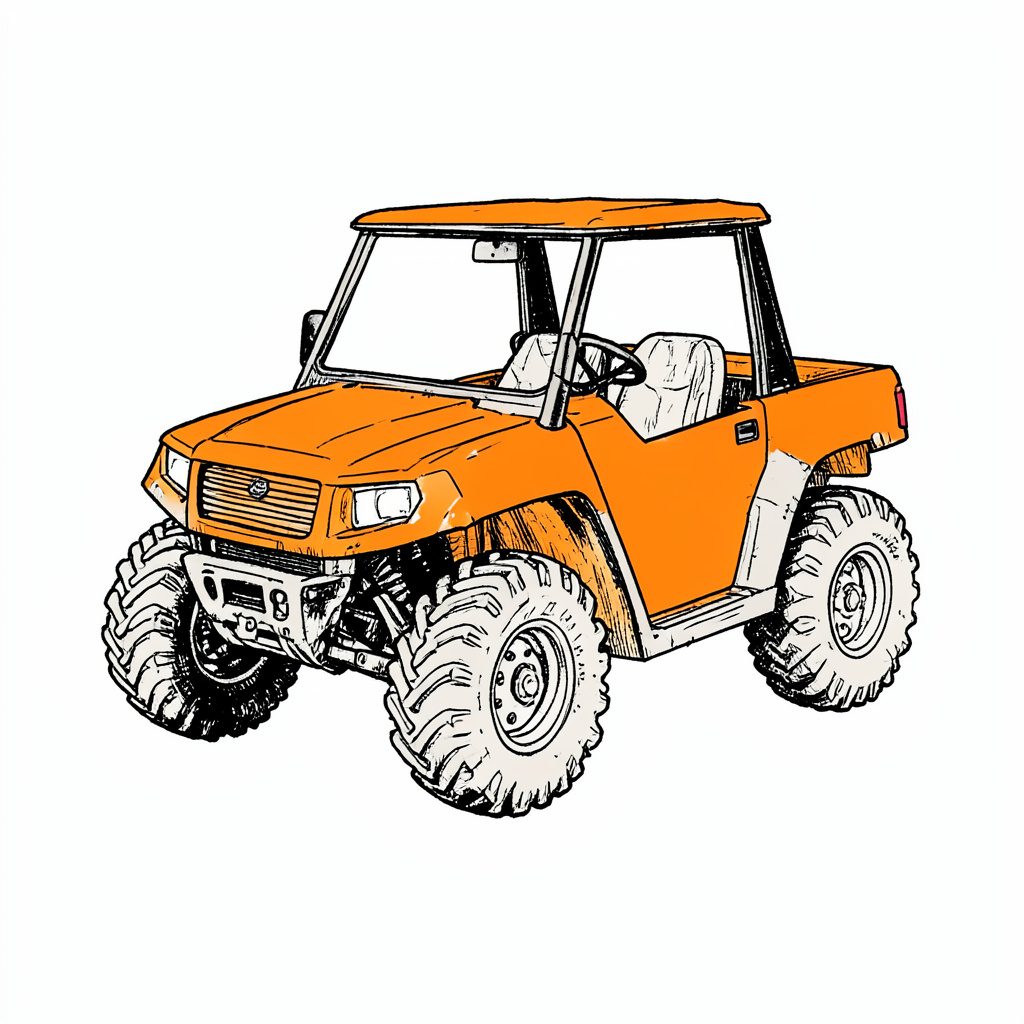
For members of Florida Cracker Ranch, the club’s Flagler County setting provides a practical base for a dawn session, with campsites and guest options available through the wider outdoor experience. If an ATV forms part of the route, a gear review of mixed-terrain ATV tyres can help with traction on wet or sandy approaches. Proper inflation and a conservative pace matter more than speed on an uncertain track.
Midday: finding shade and structure
Bluegill can still be caught at midday where shaded grass hangs over deeper water or a ledge lies near a dam. Work a worm just below the surface, or let a small jig fall through the strike zone when the topwater action disappears. If a pocket stays empty, move a few metres and change depth; many ponds need several casts before the productive structure becomes clear.
Australian tackle shoppers already know familiar choices: soft plastics, small jigs, floats, spin reels, live crickets and worms. They are available through chains such as BCF and Fishing Warehouse, plus independent bait shops. One useful distinction is the species itself: yellowfin bream at an Australian fish counter is not Florida’s bluegill, also called sunfish. Their feeding habits are not interchangeable.
In stained water, try a brighter lure and stronger scent; in clear water, a natural-coloured grub and slower presentation often work better. Watch where small birds are feeding and try the cover they use. A consistent, quiet approach will usually outperform constant casting, particularly around fish that have already seen a few intrusive lures.
Afternoon and dusk: the second peak
Return in the late afternoon, starting about two hours before sunset, and fish the same cover from a different angle. As the air cools, bluegill often rise to take drifting insects. A pink worm on a light hook works well close to the bank, while a tiny spoon or jig covers more water. Keep the line light enough to register their delicate tap.
Low light brings fish closer to shore but can conceal ripples, branches and snakes. Wear shoes with grip, keep the bait bucket closed and avoid wading into water you cannot read. The calm before sunset is good for bank fishing, although Florida storms can develop quickly. Check radar before leaving camp and stop immediately if thunder becomes audible.
The fishing can sit comfortably within a wider ranch day of hiking, horse riding, BMX, swimming and Old Florida lodging. A look at Old Florida ranching history adds context to the open country and waterways: cattle, working trails and local families shaped the landscapes now visited for recreation. The heritage adds interest without changing the need to respect wildlife, other anglers and private property.
Season and weather for Australian anglers
Temperature matters more than the calendar. Bluegill grow more active as Florida water warms from winter into spring, although a sharp cool morning can produce an excellent midday bite. In summer, dawn and dusk suit people as well as fish. Water clarity, oxygen levels, recent rain and nearby insect activity can shift the timing, so keep a simple log of a few sessions.
Light wind helps by putting insects on the surface and pushing fish towards the downwind margin. Strong wind has the opposite effect: casting becomes difficult and surface oxygen may fall. Overcast conditions often work well because fish face less glare. Water temperature, cloud cover, wind and recent pressure tell a more useful story than the clock alone.
For Australian visitors, spring means Florida autumn and winter means Florida summer, which can feel unfamiliar in the Northern Hemisphere’s reversal. Melbourne’s famously changeable weather has a Florida equivalent along the coast, where a clear afternoon can turn storm-grey before sunset. Pack warm layers for cool mornings, rain protection for sudden showers and sun protection for the stronger middle-of-day heat.
Gear, safety and local fishing rules
Equipment can stay light. A short rod, small reel, bait container, spare line and hook pliers cover most panfishing needs. Match the tackle to bluegill rather than choosing the heaviest gear in the vehicle. A soft tape measure helps with possession limits, and a closed drink bottle matters in Florida heat.
- A 1.8–2.4 metre light spin rod and a small reel
- Small hooks, soft plastics, split rings and a compact tackle box
- Spare 2–4 kg line, a bait cutter and a soft tape measure
- Live crickets or worms, plus a lidded drink bottle for the heat
Build a trail first-aid kit before setting out, even for a short pond trip. Include dressings, antiseptic wipes, gauze, an elastic bandage and any prescribed medicine. Tell someone your destination and expected return, and keep a charged phone in a dry pouch.
Local rules come before technique. Florida applies daily possession limits for bluegill and may impose extra rules at individual waters. Australian interstate licences do not travel: New South Wales and Victoria generally require a recreational fishing licence, while Queensland uses site-specific rules rather than a standard statewide recreational licence. Check the current Florida requirements for the exact water before keeping any fish.
- Adhesive dressings, antiseptic wipes, gauze and an elastic bandage
- A charged phone, whistle, offline map and emergency contact details
- Sunscreen, a hat, insect repellent and a spare dry shirt
- A lightning plan, a safe vehicle route and a full fuel tank
A dawn plan that works from the first cast
A useful starting plan is to fish the first two hours after sunrise, then use the afternoon to adjust according to what you see. The guide below is a planning aid, not a promise of fish. Structure and forage still determine whether bluegill are present, and fishing pressure can make cautious fish harder to catch.
| Fishing window | Likely fish activity | Productive locations | Practical approach |
|---|---|---|---|
| Before sunrise | Feeding begins in cool, calm water | Grass edges and lily pads | Slow worm or small jig with light line |
| First two hours after sunrise | Strong low-light feeding near cover | Weed edges, timber and shallow ledges | Let the bait drift and pause between retrieves |
| Midday | Fish often retreat into shade | Deep grass, shaded banks and drop-offs | Work a worm or small jig below the surface |
| Late afternoon | Cooling water draws fish upward | Windward margins, drains and grass points | Small spoon, jig or brightly coloured worm |
| Final hour before sunset | Brief surface activity before fish settle | Overhanging branches and shallow flats | Target insects close to the surface |
Dawn usually offers the best combination of active fish, low crowd pressure and manageable temperatures. It also suits families: children can fish quietly, return for breakfast, and still have the afternoon free for swimming or another ranch activity. Evening fishing remains worthwhile when the water is cooling and the forecast is stable.
Before the gear goes into the vehicle, write the chosen water, target bait and a departure time 30 minutes before local sunrise on one note.
Get in Touch
Send us a note about memberships, guest visits or directions. Phone 386-864-3856 or email floridacrackerranch@floridacrackerranch.com. Mailing address: P.O. Box 2993 Bunnell, Florida 32110.