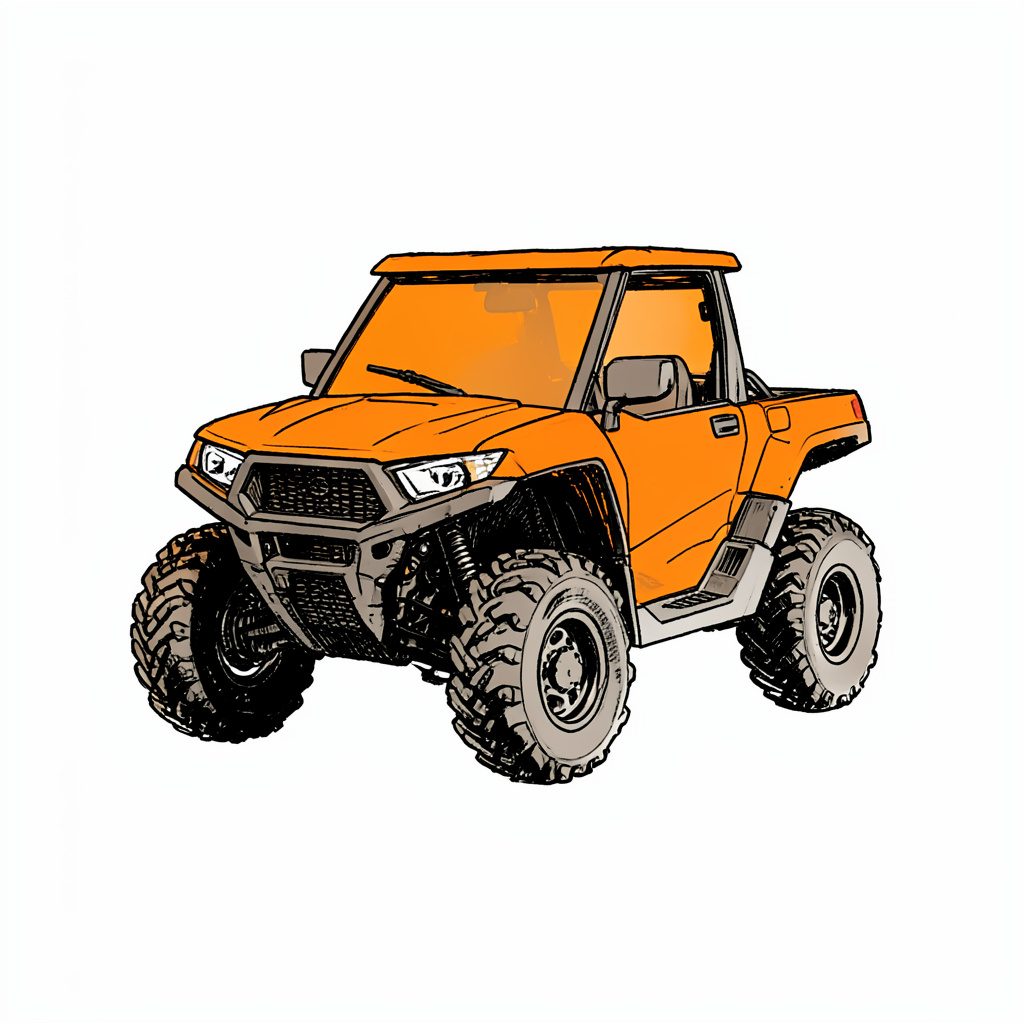
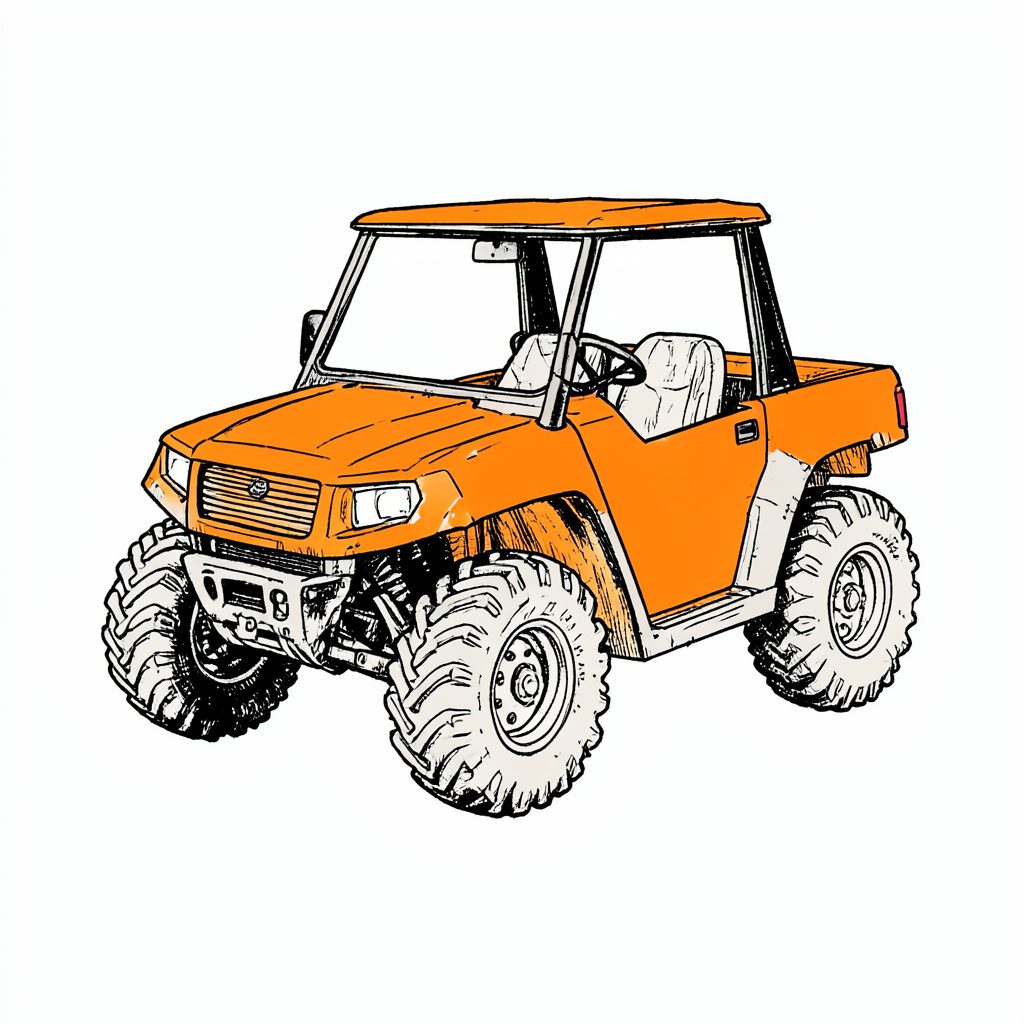
Tucked into pristine old Florida land in Flagler County, Florida Cracker Ranch is a family oriented outdoor adventure club where kids, parents and thrill seekers share the same trails, campsites and waterways.
Adventure Memberships available — families and singles welcome.
Reserve Your SpotWelcome to Florida Cracker Ranch
Often called Nature's Theme Park, our grounds invite families to ride ATV trails, splash through the swamp buggy area, pitch a tent, cast a line and explore old Florida hiking paths. Discover why members keep coming back season after season.
What You Can Do Here
ATV Trails
Marked routes for every skill level, including a peewee section.
Dirt Bikes
Dedicated dirt bike area built for two wheel adventure.
BMX & Mountain
Pedal powered BMX and mountain bike trails.
Swamp Buggy
Spacious swamp buggy area for big rig fans.
4x4 & Mud Trucks
Deep ruts and splash zones for 4x4s and mud trucks.
Skeet Range
Skeet shooting range in a controlled setting.
Camping
Membership campsites on a first come, first served basis.
Horse Trails
Scenic horse trails and riding paths.
An Old Florida Tradition
We honor the cracker way of life with old Florida outdoor living, traditional lodging, hiking and nature trails, plus fishing, swimming and beach access for members and their guests.
- Membership camping on a first come, first served basis
- Old Cracker Style Lodging cabins planned for overnight stays
- Old Florida hiking and nature trails
- Fishing, swimming and beach access
- Horse trails and riding

By the Numbers
The History Of Old Florida Cracker Cattle Ranching
Long before Florida became associated with theme parks, coastal resorts and sprawling suburbs, cattle moved through a landscape of pine flatwoods, palmetto scrub, cypress swamps and open grassland. The animals were lean, hardy and well suited to heat, insects and seasonal flooding. Their keepers developed a distinctive ranching culture that became one of the oldest continuous traditions in the state.
Old Florida cattle ranching grew from Spanish livestock introduced during the sixteenth century. Over generations, these animals adapted to local conditions and formed the basis of the Florida Cracker cow. The word “Cracker” is commonly linked to the long rawhide whips used by stockmen, whose sharp cracks helped move cattle through thick vegetation.
For visitors from Australia, the story has familiar elements. Like the cattle stations of Queensland or the Northern Territory, Florida’s early ranches relied on practical horsemanship, local knowledge and animals bred for survival rather than appearance. The setting was different, yet the relationship between people, cattle and difficult country followed a recognisable pattern.
Spanish cattle and the first Florida herds
Spanish explorers and settlers brought cattle to Florida in the 1500s. Some animals escaped or were released, establishing semi-wild herds across the peninsula. These cattle faced intense heat, mosquitoes, parasites, wet ground and limited pasture, so natural selection favoured smaller frames, strong legs and an ability to forage through rough country.
The resulting Florida Cracker cattle were not simply neglected livestock. Ranchers selected and managed them carefully, even when the herds ranged over large unfenced areas. Their cattle could travel long distances, find food in pine woods and tolerate conditions that would challenge many modern breeds.
Florida’s climate shaped every part of the work. Summer storms turned low ground into mud, while dry periods reduced available forage. Ranchers had to understand waterholes, hammocks, sandy ridges and seasonal grazing patterns. A successful stockman was often a navigator, weather watcher and bush mechanic as much as a livestock handler.
Why cattle became central to Old Florida
Cattle offered an income in a region where growing crops was often difficult. Much of inland Florida had poor sandy soils, dense vegetation or wetlands that limited large-scale cultivation. Grazing allowed families to make use of land that was not easily suited to cotton, citrus or vegetables.
For much of the nineteenth century, cattle were moved on foot to local markets and shipping points. Drovers guided herds along rough trails, often working from horseback with dogs and long whips. The famous whip crack was useful for directing animals and signalling across vegetation, giving the Florida cowhand a practical tool and a lasting cultural symbol.
The Civil War changed the value of cattle. Beef became important for feeding Confederate forces, and Florida herds were driven across the state or shipped from coastal areas. After the war, cattle remained a form of portable wealth. A family might have limited cash, but a healthy herd could be sold, traded or used to rebuild a livelihood.
Today, that history can be explored through the wider collection of stories and updates in the ranch’s Florida outdoor news, where the connection between recreation, land and regional heritage remains visible.
The cracker cow and working ranch skills
Florida Cracker cattle developed a reputation for toughness, agility and efficiency. They were generally smaller than many modern beef breeds, with horns and body types that reflected centuries of adaptation. Their value lay in their ability to live on native forage and cope with heat, rather than in rapid weight gain.
Cattle handling demanded close observation. Ranchers learned to identify individual animals, read tracks and judge whether a cow was unwell before the problem spread through a herd. Horses were indispensable because thick scrub, wet ground and broad grazing areas made walking impractical.
The term “cow hunter” was often more accurate than “cowboy” in historical Florida. Stockmen searched for scattered cattle, gathered them into pens and marked young animals. Branding established ownership, while ear marks provided another way to identify livestock. These methods were especially important where herds mixed on unfenced range.
Australian readers may recognise the practical spirit in this work from mustering on a remote station. The equipment differed, and Florida’s terrain was wetter and more wooded, but both traditions depended on calm horses, reliable working dogs and a detailed mental map of the country.
Open range, fencing and changing markets
Open-range ranching worked while land was plentiful and boundaries were informal. As Florida’s population grew, railways, roads, farms and towns divided the landscape. Fences became more common, and ranchers increasingly had to control where cattle grazed. Property law, local ordinances and disputes over wandering animals gradually reduced the freedom of the old system.
Rail transport expanded access to markets during the late nineteenth and early twentieth centuries. Cattle could reach urban buyers more efficiently, and commercial ranching began to favour breeds that produced heavier carcasses. Florida ranches later introduced Brahman and other heat-tolerant bloodlines, creating cattle better suited to modern beef production while retaining resilience in the subtropical climate.
The change resembles shifts experienced in Australia when fencing, road transport, stock routes and formal property boundaries altered station life. Modern Australian producers also work within requirements such as the National Livestock Identification System, state biosecurity rules and animal welfare legislation. Florida ranchers face their own regulations concerning brands, transport, land use, water and animal health.
Old traditions therefore survived by adapting. The working ranch did not disappear when the open range narrowed; it changed into managed pasture, mixed woodland grazing and larger commercial operations. Some families kept the old breeds and techniques as part of their identity, while others preserved them through demonstrations, heritage events and private collections.
Land, wildlife and responsible ranching
Cattle ranching in Florida has always depended on a delicate relationship with the environment. Pine forests, wetlands and freshwater systems support wildlife as well as livestock. Grazing can shape vegetation, but overgrazing, damaged waterways and poorly planned access can harm the same land that sustains a herd.
Contemporary ranch management often involves rotating animals, protecting wetland margins and maintaining shade and water access. Fire is another important part of Florida land care. Prescribed burning, carried out under strict conditions, can reduce accumulated vegetation and support pine ecosystems, although smoke management and public safety are essential.
This has parallels with Australian land management, where graziers must consider drought, bushfire risk, feral animals and native habitat. Local rules vary between states and territories, and property owners may need permits or approved plans for burns, water use, clearing and animal movements. Visitors also need to follow marked tracks, respect gates and avoid disturbing stock or wildlife.
For a family adventure club, this history gives outdoor activities a deeper meaning. Horse riding, hiking, camping and off-road driving are most rewarding when they reveal how people once travelled through the country and how present-day visitors can enjoy it without treating the landscape as disposable.
Experiencing the ranching tradition today
Modern outdoor recreation offers a hands-on way to understand the physical demands of Old Florida. Riding a horse along a sandy trail, crossing uneven ground in a four-wheel-drive vehicle or watching cattle move through scrub can make historical descriptions far more tangible.
Motorised activities should still be approached with care. Beginners benefit from a gradual progression, especially on loose sand, muddy ground and uneven trails. The ranch’s guide to beginner dirt-bike trails is useful for understanding how route choice and riding confidence can develop together.
For Australians, the experience may feel both familiar and surprising. A visitor accustomed to weekend camping near Melbourne, riding trails outside Brisbane or touring the bush around Perth may recognise the appeal of open air, practical gear and shared family time. Florida adds humid heat, swamp crossings, palmetto and a very different mix of wildlife.
A stay at a traditional-style cabin or campsite can also highlight the contrast between historic self-reliance and modern comfort. Cooling, clean water, marked trails and safety equipment make recreation easier, while the surrounding landscape preserves traces of the environment that shaped Florida’s cattle culture.
Practical ways to connect with the heritage
The best way to appreciate this history is to combine background knowledge with respectful time outdoors. Small observations—hoofprints near water, worn paths through grass or the layout of old-style pens—can show how ranchers worked with the land rather than imposing a uniform system on it.
- Read about Spanish cattle, Florida Cracker breeds and the cow hunters who managed early herds.
- Choose activities that reveal the terrain, such as horseback riding, hiking or a guided off-road route.
- Wear breathable clothing, sun protection and sturdy footwear suited to heat, mud and insects.
- Follow ranch rules, keep gates as directed and give livestock and wildlife plenty of space.
- Carry water and plan around Florida’s intense summer heat, sudden storms and changing trail conditions.
- Compare Florida’s ranching traditions with Australian station life, stock routes and current biosecurity practices.
Old Florida cattle ranching is a history of adaptation. Spanish animals became suited to a new environment, families developed skills for difficult country, and ranches changed as roads, fences, markets and laws reshaped the peninsula. The surviving traditions are valuable because they show how culture grows from practical work.
What readers should remember is that the Florida Cracker ranch was built through patience, observation and respect for the land. Its legacy lives in the cattle, landscapes, stories and outdoor experiences that still connect people with the working history of Florida.
Get in Touch
Send us a note about memberships, guest visits or directions. Phone 386-864-3856 or email floridacrackerranch@floridacrackerranch.com. Mailing address: P.O. Box 2993 Bunnell, Florida 32110.