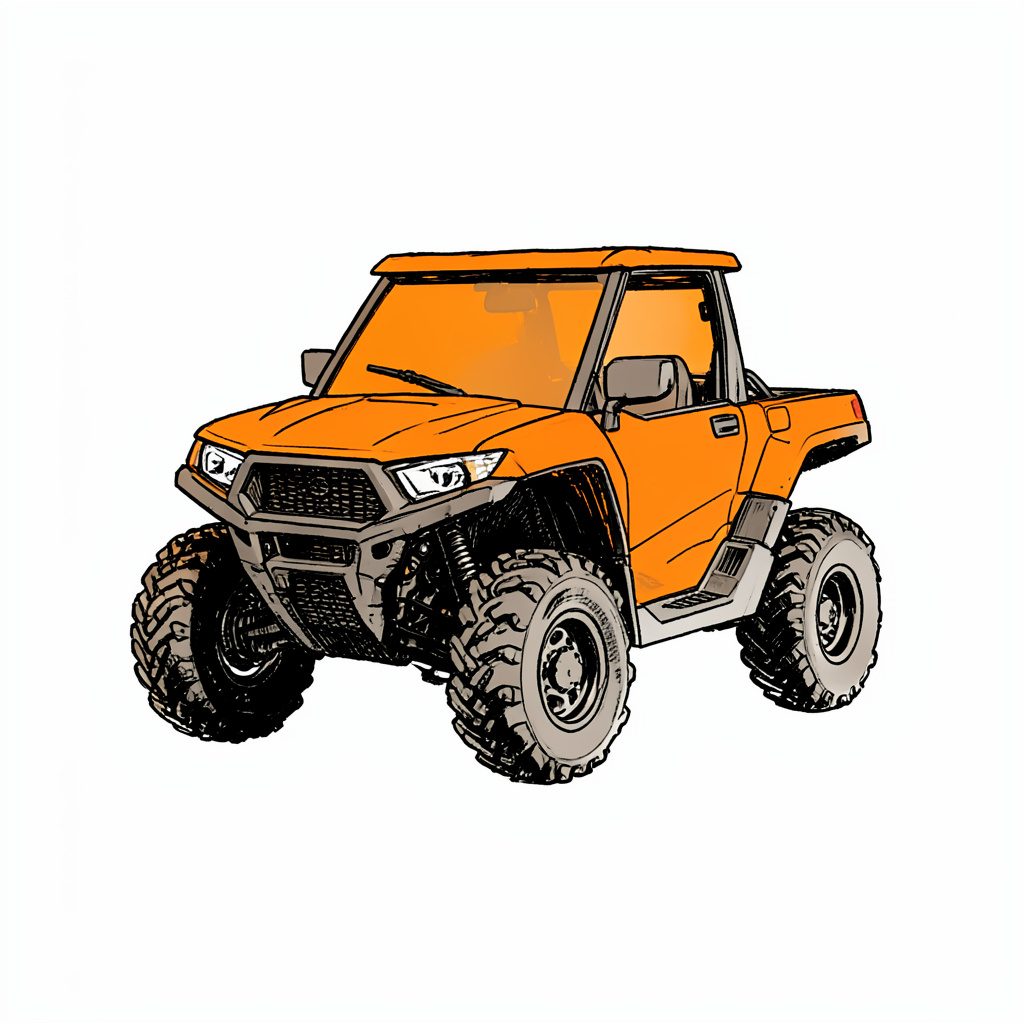
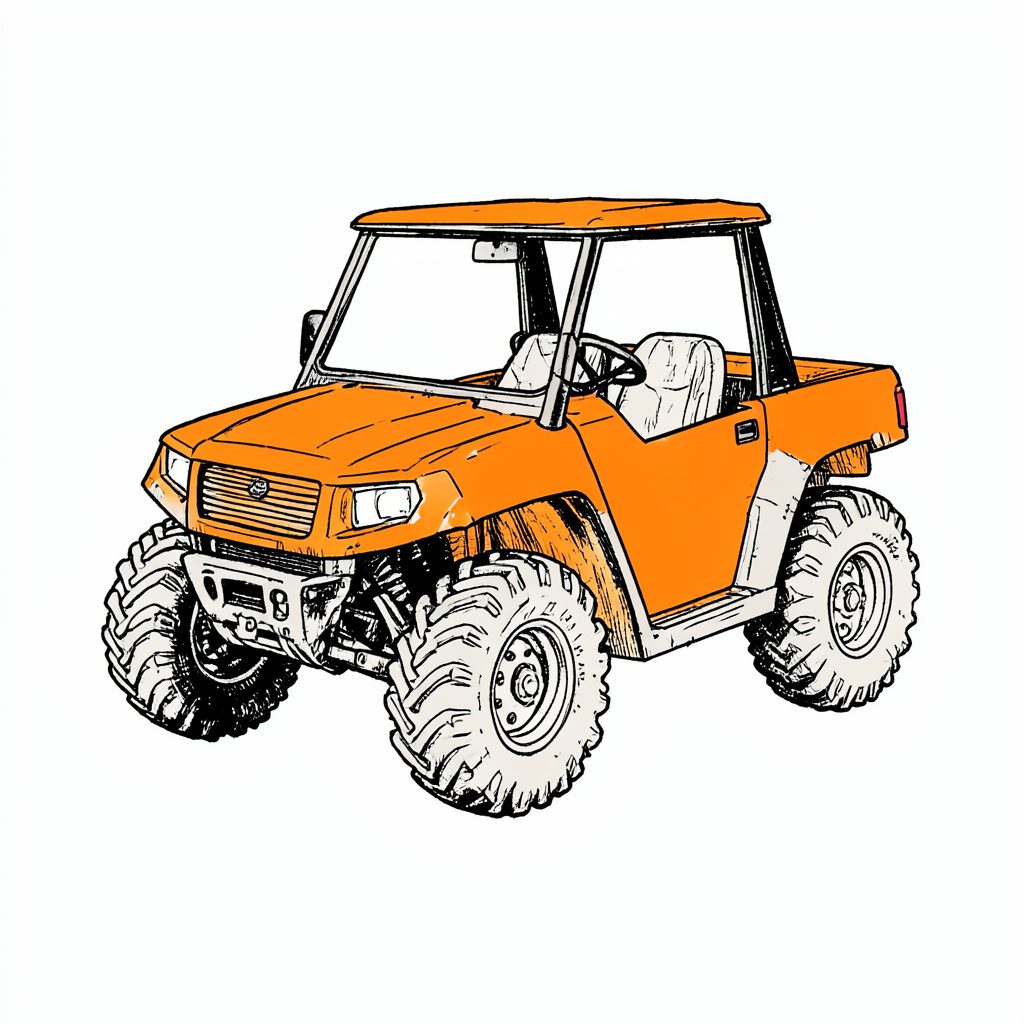
Tucked into pristine old Florida land in Flagler County, Florida Cracker Ranch is a family oriented outdoor adventure club where kids, parents and thrill seekers share the same trails, campsites and waterways.
Adventure Memberships available — families and singles welcome.
Reserve Your SpotWelcome to Florida Cracker Ranch
Often called Nature's Theme Park, our grounds invite families to ride ATV trails, splash through the swamp buggy area, pitch a tent, cast a line and explore old Florida hiking paths. Discover why members keep coming back season after season.
What You Can Do Here
ATV Trails
Marked routes for every skill level, including a peewee section.
Dirt Bikes
Dedicated dirt bike area built for two wheel adventure.
BMX & Mountain
Pedal powered BMX and mountain bike trails.
Swamp Buggy
Spacious swamp buggy area for big rig fans.
4x4 & Mud Trucks
Deep ruts and splash zones for 4x4s and mud trucks.
Skeet Range
Skeet shooting range in a controlled setting.
Camping
Membership campsites on a first come, first served basis.
Horse Trails
Scenic horse trails and riding paths.
An Old Florida Tradition
We honor the cracker way of life with old Florida outdoor living, traditional lodging, hiking and nature trails, plus fishing, swimming and beach access for members and their guests.
- Membership camping on a first come, first served basis
- Old Cracker Style Lodging cabins planned for overnight stays
- Old Florida hiking and nature trails
- Fishing, swimming and beach access
- Horse trails and riding

By the Numbers
Beginner Dirt Bike Trails Across Flagler County for First-Timers
Coming off a long-haul flight from Sydney or Melbourne and stepping into the sandy pine forests of northeast Florida can feel like landing on another planet. The air smells different, the light falls flatter, and the dirt under the tyres has a pale, almost sugary colour compared with the red clay most riders know from around Mudgee or the high country behind Bright. For Australian dirt bike enthusiasts used to granite outcrops and gum-lined singletrack, Flagler County offers a softer, more forgiving playground where newcomers can build the muscle memory they need before tackling rougher terrain back home.
Florida Cracker Ranch has quietly become one of the most welcoming properties for first-time trail riders on the American east coast. Set on private land between Bunnell and the historic town of Crescent City, the ranch combines open practice fields, shaded hardwood sections and purpose-built loops that scale gently in technical demand. Members and guests can sample the property on dirt bikes, four-wheelers or even swamp buggies, which makes it a natural stop for travelling families looking for variety without sacrificing skill development.
Beginner riders tend to underestimate how much the substrate shapes their experience. Florida sand teaches balance in a way no packed trail at home can replicate, because the rear wheel constantly searches for grip. Once a rider learns to stay light on the handlebars, keep the shoulders loose and let the bike float, that same relaxed posture translates to mud, loam and the rocky trails around Bright or the Otways. Picking the right starting loop therefore matters as much as picking the right bike.
Travelling Australians should also remember the calendar runs upside down. January heat in the Sunshine State can be punishing, while July brings cooler mornings and dry, fast conditions that locals consider prime riding weather. Planning a winter visit from Hobart or Perth lines up perfectly with Flagler's mild dry season, which is when the ranch's looser trails firm up just enough for new riders to feel confident.
What Makes Flagler County Ideal for New Riders
The geography here is unusually gentle. Elevations rarely climb above fifty feet, and most of the natural terrain is shaped by ancient sand dunes and slow-moving creeks rather than steep ridges. That means trail gradients stay modest, water crossings are shallow, and the visual lines ahead of a rider remain clear and predictable. Newcomers coming from the steeper pine forests outside Toowoomba often comment on how relaxed the landscape feels, which directly lowers the mental load on someone still learning clutch control.
Wildlife adds interest without adding much risk. The ranch corridors wind between live oaks draped in Spanish moss, and it is common to spot white-tailed deer, armadillos, hawks and the occasional gopher tortoise along the edges of the trail. These sightings give younger riders something to look forward to between sections and turn a practice loop into a small safari. Parents often appreciate that the animals keep their distance, so the focus stays on throttle and body position rather than evasive moves.
Property size is another quiet advantage. With hundreds of acres set aside for recreation, the ranch can dedicate wide buffers around each loop. That spacing means a wobbling newcomer is unlikely to collide with a faster rider, and instructors have room to ride alongside with hand signals instead of shouting across a narrow corridor. The wider the trail, the smaller the pressure feels, and pressure is the enemy of progress for anyone still building reflexes.
Trail Essentials and Terrain Types to Expect
Most of the ranch's beginner loops weave through a mix of three terrain types, each teaching a slightly different skill. The first is open palmetto flat, where low silvery fronds brush against the rider's boots and the soil stays loose for a few centimetres under the surface. This is where riders practise weight transfer, learning to keep the front wheel light when the rear begins to dig in.
The second type is shaded hardwood strip, where overhead oak canopy keeps the ground cooler and firmer. Roots become the main obstacle, often only a couple of inches tall, but they reward a rider who scans ahead and chooses a clean line. Australians used to slippery root networks in the Toolangi forests will recognise the technique, even if the species of tree differs from anything at home.
The third terrain feature is short grassy berm, a gentle banked corner that teaches cornering without intimidating the rider. Most loops contain three or four of these in a row, spaced so a beginner can rest between them and reflect on body position. Many riders who started on similar berms at the ranch have gone on to tackle proper motocross tracks in southeast Queensland without re-learning the basics.
Seasonal Riding Windows for Australian Travellers
Australia's summer holiday window, December through February, lands during Flagler County's coolest and driest stretch. Daytime temperatures sit comfortably in the high teens to low twenties Celsius, mornings are crisp, and the sand has just enough moisture overnight to stay grippy rather than talcum-powder loose. For families flying out of Brisbane or Adelaide, that timing turns a Christmas break into a productive riding camp.
By contrast, the Australian winter months of June through August overlap with Florida's humid wet season. Afternoon thunderstorms are common, trails turn slick, and the heat index can climb above thirty-six degrees Celsius. While the ranch still operates year-round, beginners will find learning slower when the ground is greasy. Travellers who can shift their trip by a few weeks often find a much smoother experience.
Spring and autumn shoulder seasons, particularly March to early May and late September to November, offer a useful middle ground. Trails dry out after the winter rains, vegetation stays green, and the cattle flies and mosquitoes that plague summer are largely absent. Riders who plan their itinerary around these windows consistently report better sessions and less fatigue, especially when riding with children who overheat quickly in full leathers.
Training Loops and Practice Areas at Florida Cracker Ranch
The ranch organises its beginner terrain in clear progression tiers, which is one of the main reasons families keep returning. Tier one is a flat oval roughly two hundred metres long, used for learning starts, stops and low-speed balance. Tier two introduces gentle whoops, those small rolling bumps that train a rider to stand on the pegs and let the suspension do the work. Tier three adds the banked corners and short root sections mentioned earlier.
Group lessons are capped at small numbers so each rider gets feedback on posture, throttle control and braking technique. Instructors typically use bikes in the 110 to 150 cubic-centimetre range, the same size classes used in junior coaching at Australian clubs around Ipswich and Wodonga. Many travellers bring their own youth-sized helmets and boots, then hire the bike on site to avoid the hassle of cramming gear into a checked suitcase.
Practising riders should also familiarise themselves with the property layout before heading out. The detailed trail map marks each loop's difficulty, its length in kilometres, and the nearest shaded rest stop. Reviewing it the night before a session helps reduce first-day nerves, especially for parents riding with kids who may not yet read trail markers confidently.
Building Confidence Before Stepping Up
Confidence is built in small doses, and the ranch culture reflects that. Most instructors recommend three or four short sessions of around forty-five minutes rather than a single marathon day. Between sessions, riders can cool down at the ranch pavilion, swap notes with other families and watch more experienced members tackle the intermediate loops from the shaded viewing deck. That rhythm of effort and reflection mirrors the coaching style used at Australian schools like the Yamaha Active Holiday Program, where structured breaks are baked into the day.
Gear fit matters more than brand at this stage. A helmet that sits slightly forward, gloves that bunch at the wrist, or boots that pinch the ankle will distract a new rider far more than any feature of the trail itself. The ranch keeps a small selection of loaner helmets and goggles, but serious beginners flying in from Perth or Cairns usually prefer to bring their own properly broken-in kit. The comfort of familiar gear is worth the extra luggage weight.
Once a rider has completed a full day of loops without dabbing, scaring themselves or exhausting their forearms, they are usually ready to try a slightly more technical trail or even an intro to swamp buggy driving. The progression feels natural rather than forced, and that is the single biggest reason the ranch retains so many return visitors from the southern hemisphere.
Practical Pointers for a First Dirt Bike Visit
- Book a morning slot whenever possible, as Florida sand stays firmer and cooler before noon.
- Wear thin base layers under riding kit, because humidity surprises riders coming from drier parts of Australia.
- Drink water well before feeling thirsty, since the heat sneaks up on visitors acclimatised to cooler climates.
- Spend at least fifteen minutes walking the first loop on foot before riding it, to memorise landmarks and water bars.
- Plan recovery days between riding sessions, especially for children riding their first full-sized bike.
- Check the ranch calendar before booking flights, so the visit lines up with open practice days or instructor-led clinics.
A useful way to think about a first trip is to treat it as a scouting mission rather than a performance. The goal is not to log the longest day or the most kilometres, but to leave Flagler County with a clean mental picture of what controlled, flowing dirt bike riding feels like. Once that picture is sharp, every trail at home, whether it winds through a state forest outside Melbourne or climbs into the hills behind Cairns, becomes a little easier to read.
Get in Touch
Send us a note about memberships, guest visits or directions. Phone 386-864-3856 or email floridacrackerranch@floridacrackerranch.com. Mailing address: P.O. Box 2993 Bunnell, Florida 32110.