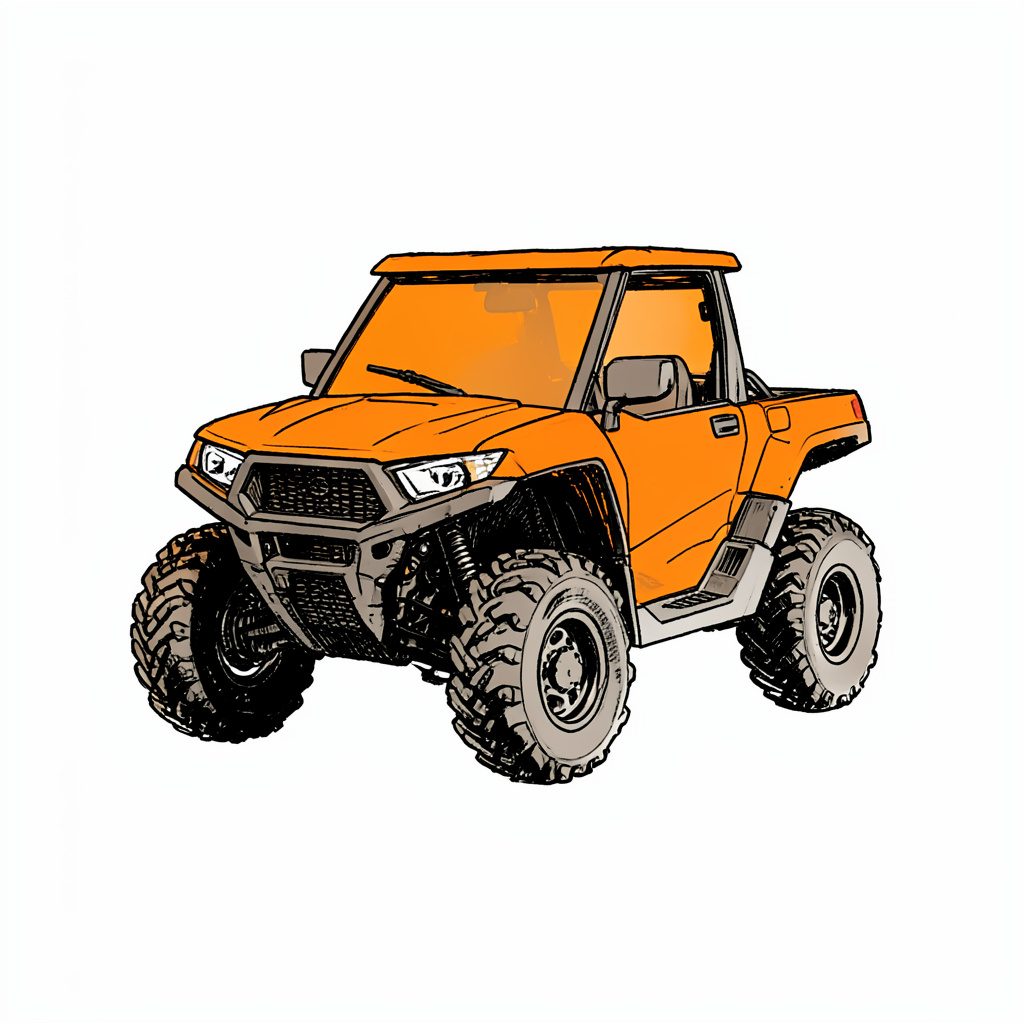
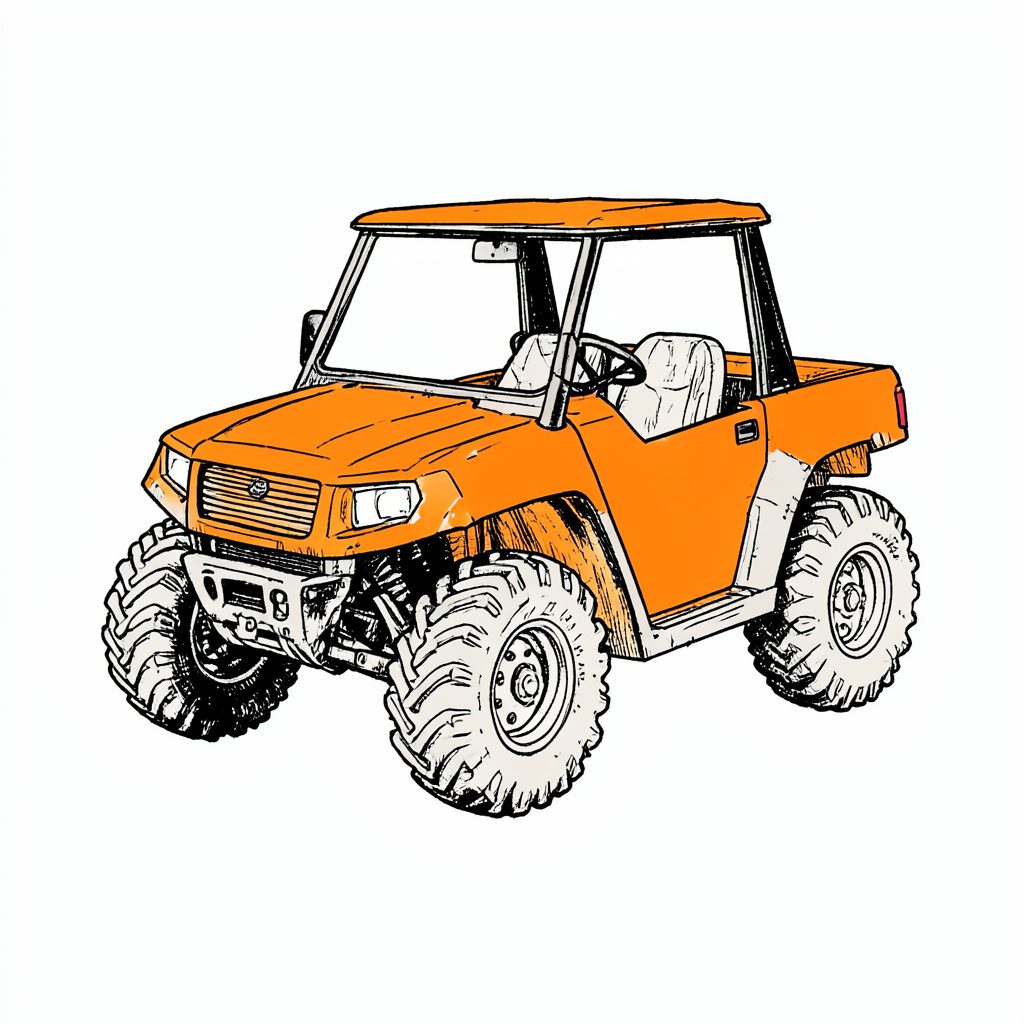
Tucked into pristine old Florida land in Flagler County, Florida Cracker Ranch is a family oriented outdoor adventure club where kids, parents and thrill seekers share the same trails, campsites and waterways.
Adventure Memberships available — families and singles welcome.
Reserve Your SpotWelcome to Florida Cracker Ranch
Often called Nature's Theme Park, our grounds invite families to ride ATV trails, splash through the swamp buggy area, pitch a tent, cast a line and explore old Florida hiking paths. Discover why members keep coming back season after season.
What You Can Do Here
ATV Trails
Marked routes for every skill level, including a peewee section.
Dirt Bikes
Dedicated dirt bike area built for two wheel adventure.
BMX & Mountain
Pedal powered BMX and mountain bike trails.
Swamp Buggy
Spacious swamp buggy area for big rig fans.
4x4 & Mud Trucks
Deep ruts and splash zones for 4x4s and mud trucks.
Skeet Range
Skeet shooting range in a controlled setting.
Camping
Membership campsites on a first come, first served basis.
Horse Trails
Scenic horse trails and riding paths.
An Old Florida Tradition
We honor the cracker way of life with old Florida outdoor living, traditional lodging, hiking and nature trails, plus fishing, swimming and beach access for members and their guests.
- Membership camping on a first come, first served basis
- Old Cracker Style Lodging cabins planned for overnight stays
- Old Florida hiking and nature trails
- Fishing, swimming and beach access
- Horse trails and riding
By the Numbers
Best ATV tyres for mud and sand: a practical gear review
Choosing ATV tyres for mud and sand is less about finding the most aggressive tread and more about matching the rubber to the terrain, engine power and riding style. A tyre that claws through sticky clay may dig uselessly into beach sand, while a wide sand tyre can feel vague and vulnerable among roots, rocks and ruts. The right choice improves traction, steering control and the chances of riding out rather than getting bogged.
That balance matters for riders in Australia, where conditions can change from firm red dirt to boggy creek crossings in a single trip. Queensland beach tracks, the wet tropics around Cairns, Victorian forest trails and the sandy approaches to K’gari all place different demands on an ATV. It is also worth studying how purpose-built outdoor venues manage varied surfaces; Florida Cracker Ranch combines mud, sand, trails and family recreation in a private adventure setting.
What mud and sand demand from an ATV tyre
Mud needs a tyre that can shed the mess rather than carry it around in the tread. Deep, widely spaced lugs act like paddles, biting into the base of a rut and releasing mud as the wheel turns. A self-cleaning pattern is especially valuable in the heavy black soil found in parts of Queensland and northern New South Wales, where closely packed tread blocks can quickly become smooth rings of rubber.
Sand creates a different problem. Instead of cutting down to a hard layer, the tyre needs to stay on top of the loose surface. A broad footprint spreads the ATV’s weight, reducing sinkage and rolling resistance. Paddle-style rear tyres are effective in soft dunes, but they can make steering unpredictable on harder tracks, so many recreational riders prefer a less extreme sand pattern that works across beaches, fire roads and campsite approaches.
Sidewall strength is important in both environments. Mud tyres often meet hidden rocks, roots and sharp branches beneath the sludge, while sand tracks can contain shell fragments or debris. A six-ply construction usually offers a useful compromise for touring and property work, although a heavier casing adds unsprung weight and can make a smaller ATV feel sluggish.
Tread patterns that actually work
The most versatile mud tyres use tall lugs with generous gaps between them. Their shoulder blocks should reach far enough down the sidewall to help when an ATV leans into a rut. Chevron-shaped lugs can provide forward drive while retaining reasonable braking and cornering manners. Extremely tall claws are impressive in deep bogs, but they may vibrate on hardpack and place extra strain on axles and driveline components.
For sand, look for a broad profile and a tread that rolls rather than digs. Rear paddle tyres deliver serious drive in soft dunes, particularly on powerful sport ATVs, but they are a specialised choice. Front sand tyres usually feature ribs or a narrow, directional pattern to reduce drag and improve steering response. A four-wheel-drive utility ATV used for fishing, camping and general exploring will often be happier with a sand-focused all-terrain pattern than with full paddles.
Tread features worth prioritising
- Open voids that release mud without excessive wheelspin
- Rounded shoulders for predictable sand handling
- Reinforced sidewalls for roots, rocks and sharp debris
- Directional tread matched to front or rear wheel duties
- A carcass rated for the ATV’s load and speed
Tread direction matters more than some buyers expect. Front tyres designed for steering may have a ribbed or V-shaped pattern, whereas rear drive tyres are often built around forward bite. Fitting a tyre backwards can reduce its intended performance, so follow the manufacturer’s rotation arrow even if a mate at the campsite claims the opposite works better.
Comparing construction, size and Australian availability
Bias-ply tyres remain common on utility ATVs because they are tough, affordable and easy to repair or replace. Their sidewalls flex in a way that can help a loaded machine find grip on uneven ground. Radial tyres generally offer a smoother ride, lower heat build-up and a larger contact patch at speed, making them attractive for long trail rides. They can cost more and may be less forgiving when repeatedly pinched against rocks at low pressure.
Australian buyers also need to check the difference between advertised tyre size and the actual fit. A 25x8-12 front tyre and a 25x10-12 rear tyre may suit one machine but create clearance or gearing issues on another. Increasing diameter can reduce effective torque at the ground, while adding width may cause rubbing at full steering lock. Confirm rim diameter, wheel width, suspension clearance and the manufacturer’s load rating before ordering.
The local market includes specialist ATV suppliers, agricultural dealers and online retailers, with stock sometimes affected by shipping delays or limited demand for unusual sizes. In remote areas, waiting for a replacement can turn a small puncture into a major interruption. For that reason, a slightly less fashionable tyre with reliable Australian availability may be a smarter purchase than a rare imported model.
When comparing reviews online, remember that a machine used on a Victorian state forest trail has little in common with one crossing the Gulf country after rain. Even entertainment research on public networks deserves care, so riders who browse product forums or stream trip videos while travelling may find this guide to safe streaming VPNs relevant to protecting their connection on unfamiliar Wi-Fi.
Pressure, load and setup make a major difference
Tyre choice cannot compensate for incorrect pressure. On sand, slightly reducing pressure increases the footprint and helps the ATV float, but going too low risks debeading the tyre during a turn or damaging the rim. The correct figure depends on the tyre, wheel, load and terrain, so use the manufacturer’s range as the starting point rather than copying a number from a social media post.
Mud requires a careful balance. Lower pressure can help the lugs conform to uneven ground, yet excessive flex allows the tyre to fold, spin or pick up a puncture. A loaded touring ATV carrying fuel, recovery gear and camping equipment needs more support than a lightly equipped sport quad. Check pressures when the tyres are cold and inspect them again after a long, fast section.
A sensible setup checklist
- Confirm front and rear sizes against the owner’s manual
- Measure cold pressure before every major ride
- Check clearance with handlebars and suspension fully compressed
- Carry a plug kit, pump and pressure gauge
- Recheck wheel nuts and valve stems after fitting new rubber
Four-wheel drive can help in mud, but it does not turn a poor tyre choice into a good one. Engage it before the obstacle, keep momentum steady and avoid burying the tread with frantic throttle. In sand, smooth power is usually faster and safer than repeated bursts that dig holes beneath the rear wheels.
The same principle applies to guided outdoor activities beyond ATV riding. Riders visiting a multi-use property can benefit from reading horseback riding basics, because sound preparation, suitable equipment and respect for changing ground conditions matter whether the contact patch is a hoof or a tyre.
Testing performance and getting value over time
A useful tyre review should consider more than the first impressive ride. Test new rubber on a progression of surfaces: firm ground, shallow mud, deeper ruts and loose sand. Note steering effort, braking stability, wheelspin and how much throttle is needed to maintain momentum. If a tyre only performs in one extreme environment, it may not be the best investment for a recreational ATV.
Look for even wear across the tread. Centre wear can indicate overinflation or too much hard-surface riding, while shoulder wear may point to low pressure or aggressive cornering. Irregular scalloping can come from suspension, alignment or balance problems rather than a defective tyre. Rotating tyres is not always possible on directional designs, but regular inspections can catch damage before it becomes a trail-side failure.
A good test record resembles the development of any carefully prepared outdoor plan: each change should be deliberate, observed and documented. The staged process described in a script’s journey offers an unlikely but useful comparison—performance improves through review and refinement, not simply by choosing the most dramatic option at the outset.
For most Australian ATV owners, the best all-round purchase is a durable six-ply or comparable construction with open but moderate lugs, a sensible profile and dependable local stock. Choose a more specialised mud tyre for wet-season property work or deep creek country, and reserve paddle-style sand tyres for riders who spend most of their time in soft dunes. Before the next ride, match the tread to the ground, set cold pressure carefully and carry enough repair gear to deal with the first puncture rather than hoping it never happens.
Get in Touch
Send us a note about memberships, guest visits or directions. Phone 386-864-3856 or email floridacrackerranch@floridacrackerranch.com. Mailing address: P.O. Box 2993 Bunnell, Florida 32110.