Tucked into pristine old Florida land in Flagler County, Florida Cracker Ranch is a family oriented outdoor adventure club where kids, parents and thrill seekers share the same trails, campsites and waterways.
Adventure Memberships available — families and singles welcome.
Reserve Your SpotWelcome to Florida Cracker Ranch
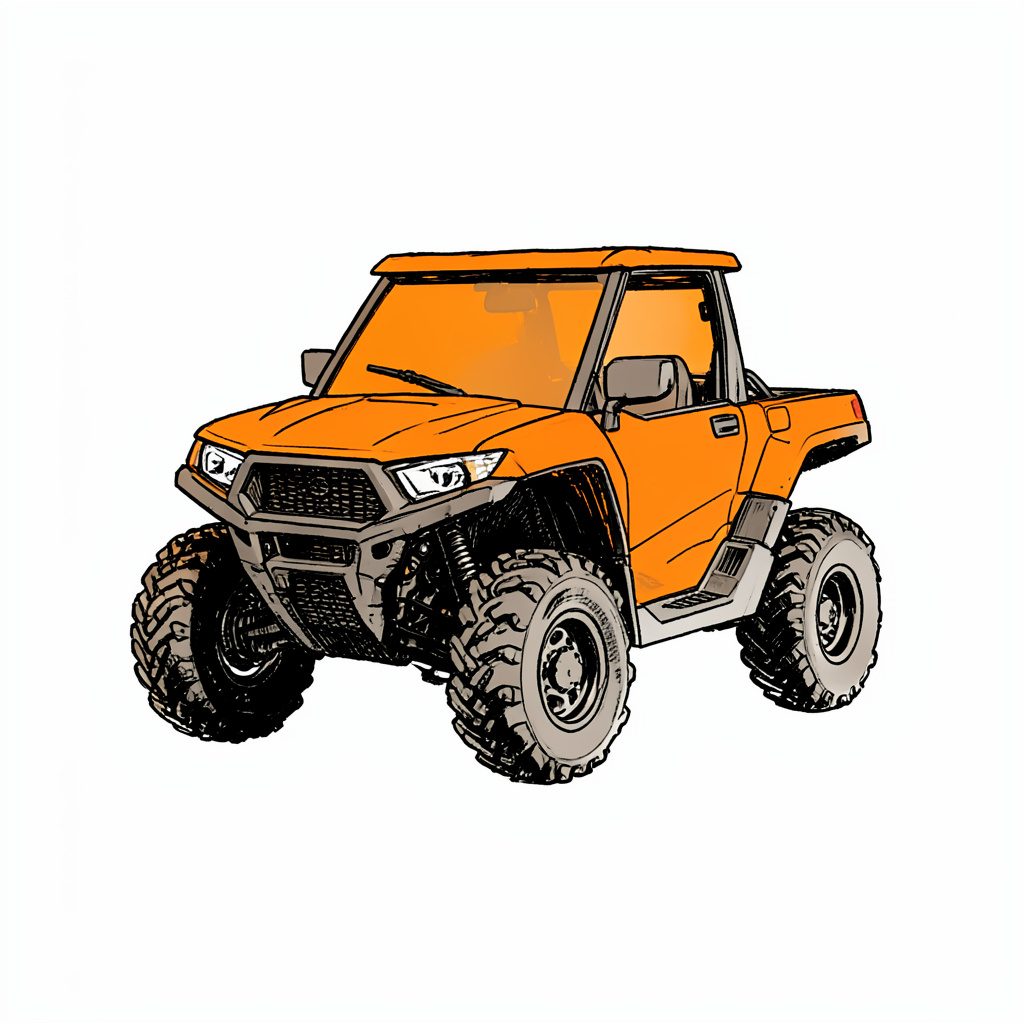
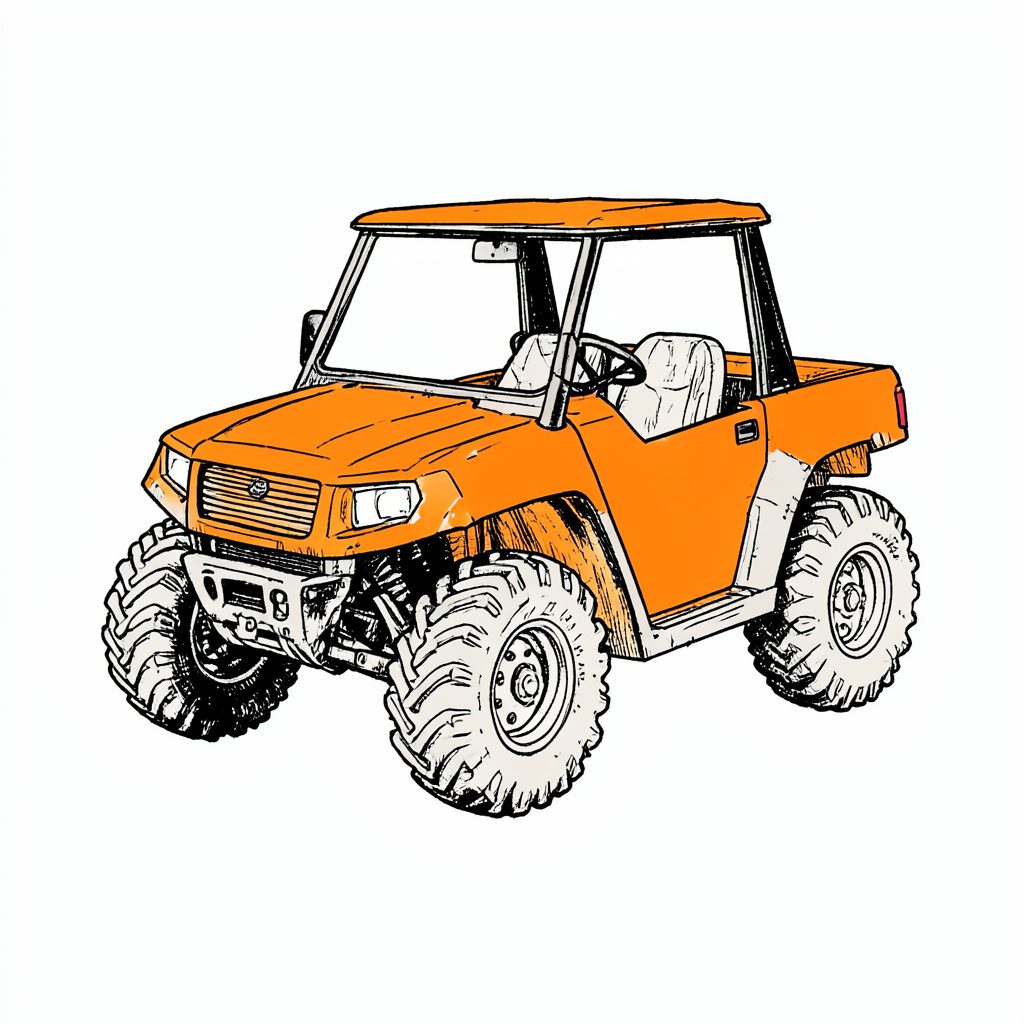
Often called Nature's Theme Park, our grounds invite families to ride ATV trails, splash through the swamp buggy area, pitch a tent, cast a line and explore old Florida hiking paths. Discover why members keep coming back season after season.
What You Can Do Here
ATV Trails
Marked routes for every skill level, including a peewee section.
Dirt Bikes
Dedicated dirt bike area built for two wheel adventure.
BMX & Mountain
Pedal powered BMX and mountain bike trails.
Swamp Buggy
Spacious swamp buggy area for big rig fans.
4x4 & Mud Trucks
Deep ruts and splash zones for 4x4s and mud trucks.
Skeet Range
Skeet shooting range in a controlled setting.
Camping
Membership campsites on a first come, first served basis.
Horse Trails
Scenic horse trails and riding paths.
An Old Florida Tradition
We honor the cracker way of life with old Florida outdoor living, traditional lodging, hiking and nature trails, plus fishing, swimming and beach access for members and their guests.
- Membership camping on a first come, first served basis
- Old Cracker Style Lodging cabins planned for overnight stays
- Old Florida hiking and nature trails
- Fishing, swimming and beach access
- Horse trails and riding

By the Numbers
Your First Guided Trail Ride at Florida Cracker Ranch
Horseback riding 101 begins with one simple idea: a guided trail ride is an outdoor experience, not a race or a test of advanced riding ability. You will be introduced to a horse, shown the basics of mounting and steering, and accompanied by a guide who knows the property and the surrounding terrain.
At Florida Cracker Ranch in Flagler County, Florida, that experience fits into a much broader Old Florida setting. The private outdoor adventure club and family fun park combines nature, traditional rural character and activities ranging from hiking and fishing to ATV riding, camping and swimming. A trail ride can therefore become part of a full countryside stay rather than a quick standalone attraction.
For Australian visitors, the setting may feel familiar in some ways and very different in others. Riders from Brisbane, Sydney or Melbourne may recognise the pleasure of moving through open bush-like country, yet Florida’s humidity, palmetto vegetation, sandy ground and sudden summer storms create their own conditions. Knowing what happens before, during and after the ride will make the day more comfortable.
What a guided ride actually involves
A guided trail ride usually starts at the stable or mounting area, where staff match riders with suitable horses. The decision may take account of your height, weight, confidence, previous experience and the horse’s temperament. This is normal horsemanship rather than a judgement of your ability. A calm, steady mount is often the best choice for a first outing.
Your guide should explain how to approach the horse, where to stand, how to hold the reins and how to use your voice and legs. You may practise stopping, turning and keeping a balanced seat before the group leaves. Listen closely even if you have ridden before, because cues and equipment can vary between riding schools and countries.
On the trail, the group generally follows a walking pace. Horses may travel nose-to-tail, with space between each animal, while the guide leads from the front or stays nearby. Beginners should not expect a fast gallop through the trees. The focus is on safety, scenery and helping both horse and rider remain relaxed.
Trail conditions can change across the property. You may pass through shaded woodland, sandy tracks, open pasture or damp ground, and you might encounter birds, insects and other wildlife. Florida’s heat can be tiring, particularly for visitors arriving during Australia’s cooler months, so a quiet pace and regular water breaks are welcome parts of the experience.
Preparing before you arrive
Contact the ranch in advance to confirm availability, ride times, age requirements, weight limits, pricing and what is included. Guided activities can operate on a schedule, and weather may affect departures. Florida thunderstorms can develop quickly in warmer months, while heavy rain can make some trails less suitable for horses and riders.
Families should allow extra time before the ride. Arriving rushed can make a child or first-time rider nervous, and staff need time to complete waivers, fit helmets and explain stable rules. If you are combining horseback riding with camping, fishing or another ranch activity, leave enough space in the day for the ride to remain enjoyable rather than squeezing it between fixed bookings.
Australian travellers should also plan around the seasons. December and January are popular holiday months in Australia but fall within Florida’s winter, when mornings may be mild and evenings cooler. July and August are summer in both places, yet Florida’s heat and humidity can feel heavier than a dry Australian inland climate. Check the forecast shortly before travelling and pack layers for changing conditions.
What to wear and bring
Clothing should allow you to move comfortably while protecting your skin from sun, insects and vegetation. Long trousers are generally preferable to shorts, and a fitted shirt is safer than loose fabric that could catch on branches or tack. Avoid thongs, slides and open sandals, even if they are common footwear for a casual Australian beach or holiday outing.
A well-fitting riding helmet is essential. Ask whether the ranch provides one and whether you may bring an approved equestrian helmet from home. Ordinary bike helmets are designed for different impacts and should not be treated as a substitute. Closed-toe shoes with a small, stable heel are useful because they help keep the foot positioned safely in the stirrup.
Pack only what you need, since bulky bags and dangling accessories can interfere with riding or unsettle a horse. Keep valuables secure and follow staff instructions about phones and photography. A quick photograph from the mounting area is sensible; trying to film continuously while handling reins is distracting.
Useful items for a comfortable ride include:
- Long trousers and a breathable, sun-protective shirt
- Closed-toe shoes or boots with a low heel
- Refillable water bottle and high-SPF sunscreen
- Insect repellent, sunglasses and a lightweight rain layer
- Hair ties for long hair and a small secure waist pack
Australian sun habits remain valuable in Florida, but sunscreen alone is not enough. Reapply it, drink before you feel thirsty and use a broad-brimmed hat before mounting and after dismounting. A hat may not fit safely beneath a riding helmet, so save it for breaks rather than wearing it under the helmet.
Meeting the horse and learning the basics
The first contact with a horse can seem intimidating because of its size, movement and alertness. Let the guide introduce you. Approach from the front or side where the horse can see you, speak calmly and avoid sudden movements around its hindquarters. Never feed, pat or adjust tack without permission, even if the horse appears friendly.
Mounting is usually done from a mounting block or raised platform. This reduces strain on the horse’s back and makes it easier for shorter riders. Once seated, keep your heels down, sit tall and look in the direction you want to travel. A relaxed body communicates more clearly than gripping tightly with your knees or pulling constantly on the reins.
Your guide may describe the reins as a light connection rather than something to hang on to. To slow down, sit deeper, close your fingers gently and use the verbal cue provided. To turn, look first, then guide with a small movement. Horses respond to consistent signals, so repeated tugging or abrupt changes can create confusion.
Ask for help immediately if your stirrup feels wrong, your helmet shifts, your saddle slips or your horse seems distressed. It is also acceptable to say that you are uncomfortable. A responsible guide can shorten the ride, adjust the equipment, change your horse or walk beside you while confidence builds.
Trail manners and safety
A group ride works best when every rider follows the same rhythm. Keep the distance advised by the guide, avoid riding directly into another horse’s heels and do not overtake unless invited. Horses have personal space, and the horse in front may kick if it feels crowded. Stay alert rather than becoming absorbed in conversation or scenery.
Wildlife is part of the setting, but it should be observed quietly. Do not chase birds, feed animals or encourage a horse to approach creatures on the trail. Florida’s environment can include insects, reptiles and wet areas that are best left undisturbed. Your guide’s local knowledge is especially important when trails pass near water or dense vegetation.
The following habits help keep a first ride calm and predictable:
- Follow the guide’s pace and instructions at every turn
- Keep hands steady and avoid sudden rein movements
- Leave enough space between horses
- Tell staff promptly about pain, fear or equipment problems
- Dismount only when the guide says it is safe
You may see riders with different levels of experience, from children on a first pony outing to confident adults who have ridden for years. Resist comparing yourself with them. The goal is a safe connection with the horse and a pleasant route through the property, not a display of speed or technical skill.
Making the ranch part of your trip
A guided ride can stand alone, but Florida Cracker Ranch offers the chance to build a longer outdoor visit around it. Members may access adventure opportunities and guest privileges, while campsites and traditional Old Florida lodging can make the property suitable for a family escape. Confirm current membership and accommodation details before planning, as availability and terms can change.
Visitors travelling from Australia may want to structure the day differently from a typical urban attraction. After a morning ride, allow time for lunch, a swim, fishing or a quiet walk instead of filling every hour. Families from the western suburbs of Sydney or Melbourne often appreciate having a place where children can move freely, while adults can enjoy a slower rural setting away from screens and traffic.
The ranch’s motor and cycling activities may also appeal to mixed-interest groups. If some members of your party prefer wheels to horses, they can explore options such as ATV or dirt-bike experiences. For a useful look at the area’s riding environment, read about beginner dirt-bike trails before deciding how to divide the day.
Keep the practicalities of an Australian holiday in mind. International visitors should account for travel insurance, mobile coverage, driving distances and the cost of converting Australian dollars to US dollars. A car is often useful in regional Florida, and a longer stay may make the ranch more worthwhile than a rushed day trip from Orlando or Jacksonville.
Before booking, it helps to have these details ready:
- Your riding experience and any mobility or confidence concerns
- The ages and approximate sizes of all participating riders
- Preferred dates, weather flexibility and accommodation needs
- Whether you need helmets, boots or other equipment supplied
- Which non-riding activities suit the rest of your group
After the ride, thank the guide and give the horse space while staff handle dismounting and untacking. You may feel muscles you rarely use, particularly in your inner thighs and lower back, so gentle stretching and water are useful. A dusty pair of trousers, a little sun exposure and a slower pulse are all ordinary signs of a day spent outdoors.
The best first trail ride is one where you feel informed, comfortable and connected to the horse beneath you. Arrive prepared, follow the guide’s rhythm and treat the ranch environment with care. What you should remember is simple: guided riding is about steady communication, sensible preparation and enjoying the landscape one calm step at a time.
Get in Touch
Send us a note about memberships, guest visits or directions. Phone 386-864-3856 or email floridacrackerranch@floridacrackerranch.com. Mailing address: P.O. Box 2993 Bunnell, Florida 32110.