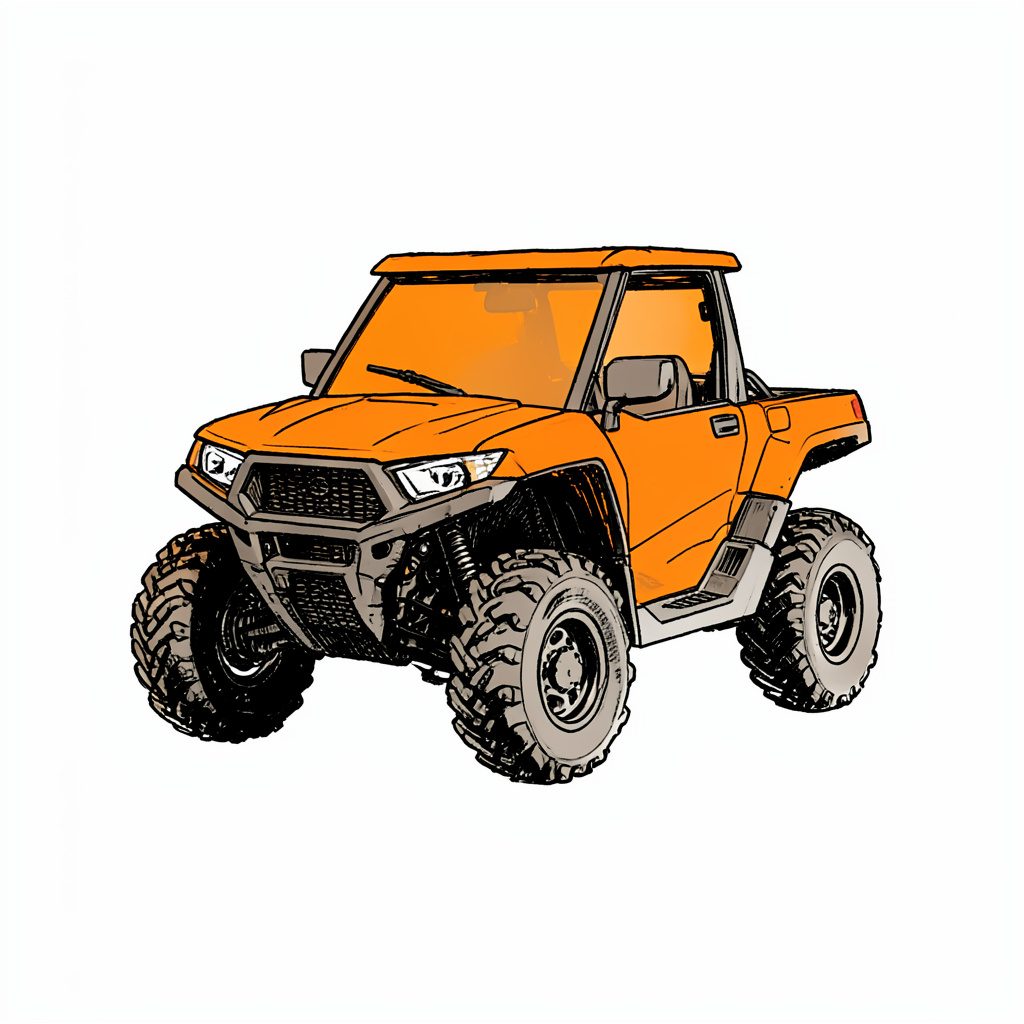
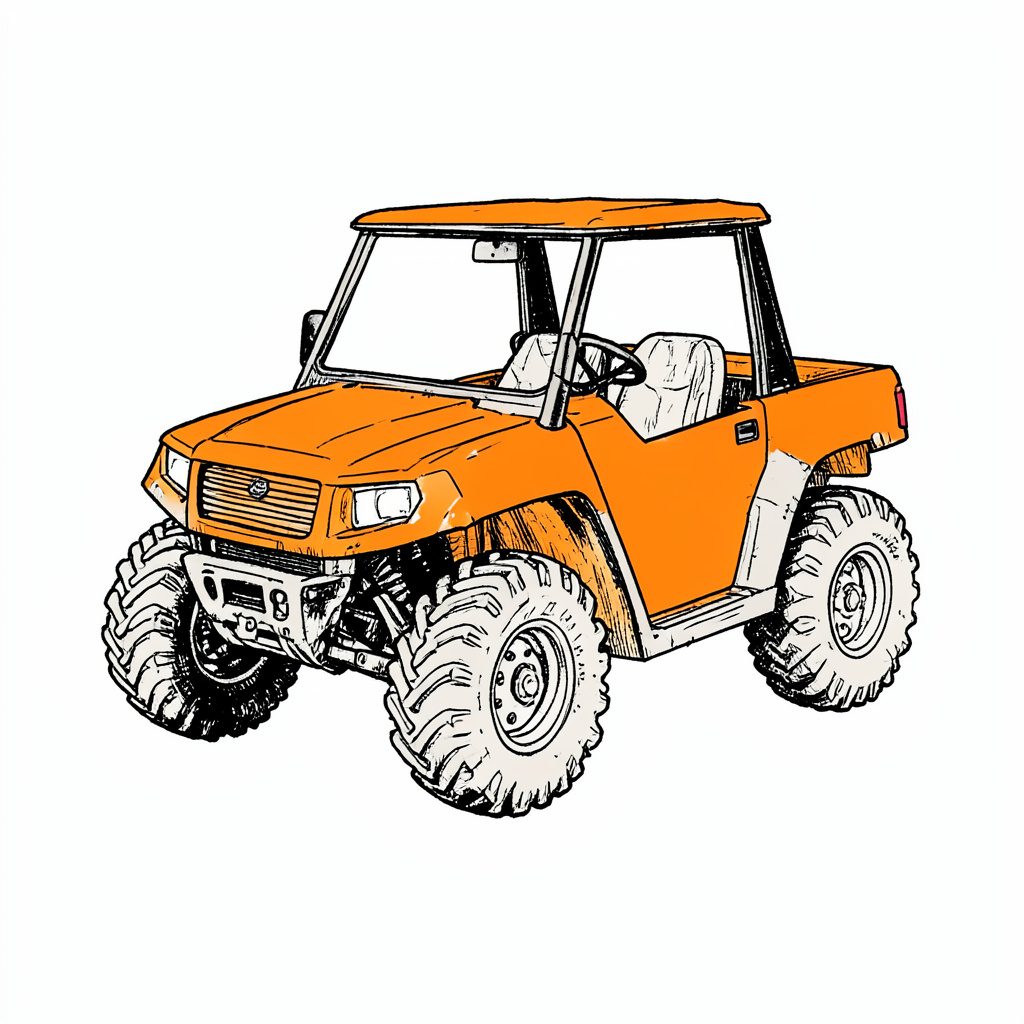
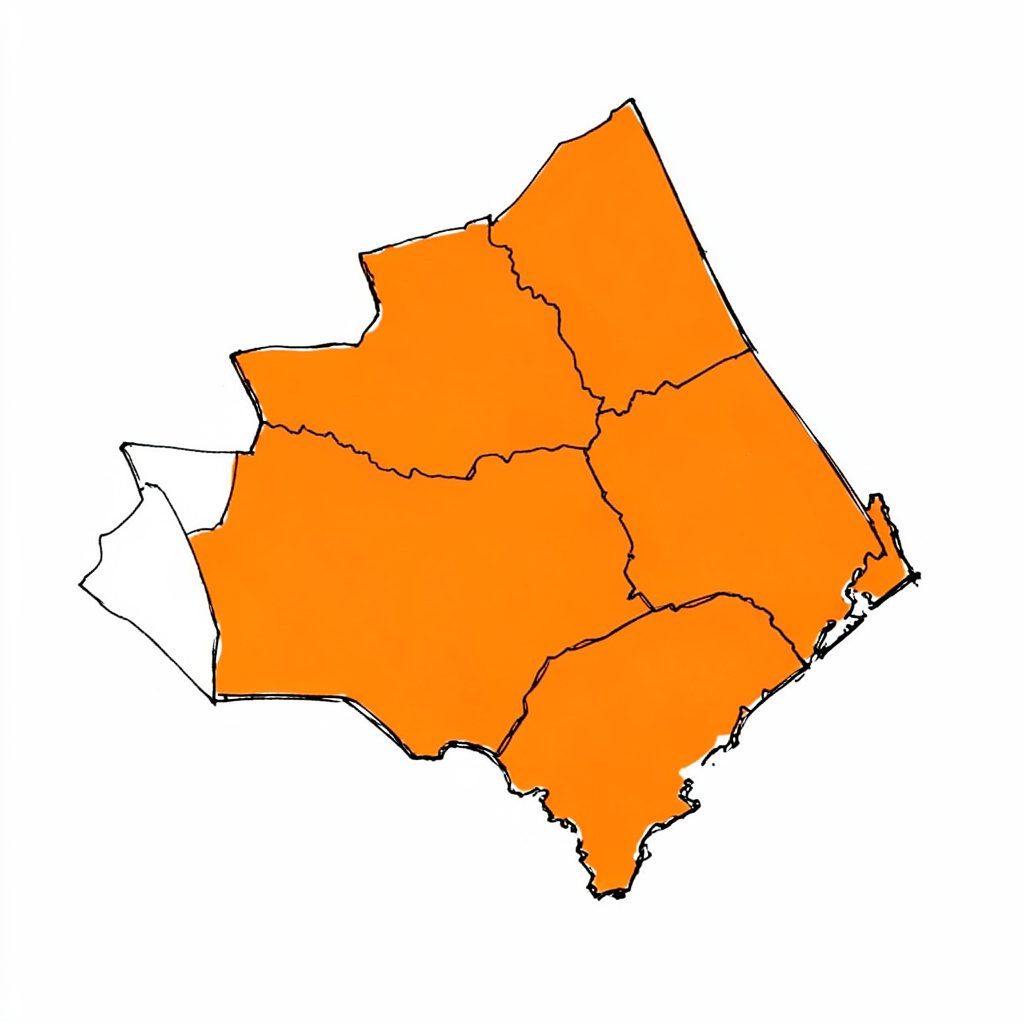
Tucked into pristine old Florida land in Flagler County, Florida Cracker Ranch is a family oriented outdoor adventure club where kids, parents and thrill seekers share the same trails, campsites and waterways.
Adventure Memberships available — families and singles welcome.
Reserve Your SpotWelcome to Florida Cracker Ranch
Often called Nature's Theme Park, our grounds invite families to ride ATV trails, splash through the swamp buggy area, pitch a tent, cast a line and explore old Florida hiking paths. Discover why members keep coming back season after season.
What You Can Do Here
ATV Trails
Marked routes for every skill level, including a peewee section.
Dirt Bikes
Dedicated dirt bike area built for two wheel adventure.
BMX & Mountain
Pedal powered BMX and mountain bike trails.
Swamp Buggy
Spacious swamp buggy area for big rig fans.
4x4 & Mud Trucks
Deep ruts and splash zones for 4x4s and mud trucks.
Skeet Range
Skeet shooting range in a controlled setting.
Camping
Membership campsites on a first come, first served basis.
Horse Trails
Scenic horse trails and riding paths.
An Old Florida Tradition
We honor the cracker way of life with old Florida outdoor living, traditional lodging, hiking and nature trails, plus fishing, swimming and beach access for members and their guests.
- Membership camping on a first come, first served basis
- Old Cracker Style Lodging cabins planned for overnight stays
- Old Florida hiking and nature trails
- Fishing, swimming and beach access
- Horse trails and riding


By the Numbers
Build a Simple First-Aid Kit for Trail Adventures
Trail days are easier to enjoy when a small first-aid kit is packed before the helmet, riding boots and water bottle. A useful kit does not need to resemble a hospital bag. It needs to cover the common problems that occur on tracks, campsites and activity areas, while helping you manage a more serious injury until professional care arrives.
At Florida Cracker Ranch, a day may include an ATV loop, a dirt-bike session, a mountain-bike ride, horse riding, hiking or time around water. Each activity creates different risks, from grazed knees and blisters to sprains, insect bites and heat-related illness. Families can prepare for these possibilities without carrying excessive weight.
Australian visitors will also recognise the value of being self-sufficient outdoors. A family leaving Brisbane for a weekend, a couple travelling from Sydney, or riders accustomed to Melbourne’s changeable weather may already carry sunscreen and water. Adding a compact trauma pouch makes that routine more complete, especially when activities take you away from the main facilities.
Start with a compact, practical pouch
Choose a waterproof or water-resistant pouch with a bright colour and a clear first-aid label. A zippered toiletry bag can work, although a purpose-built hiking first-aid kit usually has stronger fabric, internal compartments and room for gloves. Keep it accessible in a day pack, vehicle or campsite rather than buried beneath spare clothing.
The basic contents should include several adhesive bandages, sterile gauze pads, medical tape, antiseptic wipes, saline pods for rinsing eyes or wounds, blister dressings, tweezers and a pair of nitrile gloves. Add small trauma shears, a triangular bandage, an elastic compression bandage and a disposable cold pack. A marker pen is useful for recording the time of an injury or writing information for emergency responders.
Pack a CPR face shield if someone in the group knows how to use one, along with a foil emergency blanket. A whistle and a headlamp are valuable additions when a trail incident happens late in the day. These items do not replace training, yet they help a group stay visible, warm and organised while waiting for assistance.
Check the pouch before every multi-day visit. Replace damp, opened or expired supplies, and restock items used during the previous outing. Store medication in its original packaging, especially when travelling internationally or moving between the ranch and other destinations.
Match the contents to outdoor activities
Minor cuts and abrasions are the most likely injuries on many family trails. Rinse dirt from a graze with clean water or saline, apply gentle pressure to bleeding, then cover it with a sterile dressing. Do not scrub deeply embedded grit or attempt to remove a large object. Seek medical attention when a wound is deep, heavily contaminated, caused by an animal, or will not stop bleeding.
Riders should carry support for strains and sprains: a compression bandage, triangular sling and cold pack. Rest the injured area, use cold briefly with a cloth barrier, and avoid forcing a joint back into position. A suspected fracture, severe swelling, numbness, deformity or inability to bear weight warrants prompt medical assessment. For a head impact, confusion, repeated vomiting, worsening headache or unusual drowsiness requires urgent help.
A trail kit should also address friction and insects. Hydrocolloid blister pads can prevent a hot spot from becoming a painful tear, while tweezers help remove visible splinters or ticks. Do not pour harsh chemicals into a puncture wound. For an allergic reaction, follow the person’s prescribed allergy plan; an epinephrine auto-injector should remain immediately available rather than stored at the bottom of the bag.
The ranch’s upcoming events may involve different combinations of riding, family activities and outdoor recreation, so check the plan before packing. A day centred on ATVs calls for eye protection and extra attention to impact injuries, while a hike or campsite stay may make blister care, insect protection and hydration more important.
Prepare for heat, water and wildlife
Florida heat and humidity can drain energy quickly, particularly when riders are wearing protective clothing. Carry more drinking water than the group expects to use, and include oral rehydration solution or electrolyte sachets for prolonged activity. These products support fluid replacement, but they do not make it safe to continue exercising when someone is confused, faint, vomiting or unable to drink.
Move a person with suspected heat exhaustion to shade, loosen tight clothing and cool them with wet cloths and airflow. Heatstroke is an emergency: signs can include altered behaviour, collapse, seizures or very hot skin. Call emergency services and follow instructions. In Australia, that normally means 000; at an American venue, use the ranch’s stated emergency process or 911 as directed by staff.
Water activities create a separate set of concerns. Add waterproof plasters, a spare pair of gloves and a clean towel or cloth for drying skin before applying dressings. Never rely on a small first-aid kit to manage a drowning emergency. Keep children supervised around water, and make sure every member of the group knows where the nearest staff member, phone and emergency access point are located.
Wildlife and insects deserve sensible preparation rather than panic. Use insect repellent, wear closed footwear and check skin after walking through brush. Florida visitors may encounter mosquitoes, fire ants and ticks, while Australians may instinctively think about funnel-web spiders, snakes and leeches from bushwalking at home. For a suspected snake bite in Australia, keep the person still, apply a pressure bandage over the bite and immobilise the limb while calling 000; do not wash the bite or try to catch the animal.
Include medicines responsibly
A first-aid kit can contain simple pain relief, but medicines require more care than plasters. Pack only products that the user can take safely, and follow the label instructions. Paracetamol and ibuprofen are common household options, although ibuprofen may be unsuitable for some people with asthma, stomach ulcers, kidney disease, dehydration or particular medications.
Australian travellers should buy medicines through a pharmacy or reputable retailer rather than transferring loose tablets into an unmarked container. The Therapeutic Goods Administration regulates medicines supplied in Australia, and some products have pharmacist-only or prescription requirements. Rules can also differ in the United States, so carry a doctor’s letter and original packaging for prescription medicines, injectors and controlled substances.
A personal medical card can list allergies, asthma, diabetes, epilepsy, blood-thinning medication and emergency contacts. Children need weight-appropriate formulations and doses, not smaller guesses from adult products. People with severe allergies should carry their prescribed injector and tell companions where it is kept. The kit should support an existing health plan, not replace one.
Keep sunscreen, lip balm with sun protection and insect repellent outside the main trauma pouch so they are used regularly. Australian families often apply sunscreen before leaving home and reapply after swimming, sweating or towelling off; the same habit is sensible during a Florida day. A wide-brimmed hat, lightweight long sleeves and regular shade breaks can reduce the need for medical intervention.
Make an emergency plan before leaving
A kit works best when the group knows how to use it and where to get further help. Before setting out, identify the ranch office, first-aid station, vehicle access routes and the location with reliable phone coverage. Save the venue’s contact details, share the day’s itinerary and tell someone outside the group when you expect to return.
Florida Cracker Ranch provides a setting for both high-energy activities and slower nature experiences, and its three-day trip guide can help families think through the mix of recreation, lodging and downtime. Build first-aid checks into that same planning process: confirm water supplies, weather conditions, footwear, protective equipment and the contents of the pouch.
Training is more valuable than adding endless equipment. A short first-aid or CPR course teaches pressure for serious bleeding, recovery position, basic fracture support and when to stop treating a problem yourself. If you are travelling from Perth, Adelaide or another Australian city, consider completing refresher training before an overseas outdoor holiday, particularly if children or inexperienced riders are joining the group.
After a minor incident, clean and dry reusable items, dispose of contaminated materials and write down what happened. A recurring blister may call for different socks or better-fitting boots; repeated overheating may indicate that the itinerary needs more shade and rest. The most useful preparation is the kind that changes behaviour before the next outing.
A well-planned adventure day needs a kit sized for the group, the terrain and the activities rather than a collection of random supplies. Keep essential medication close, protect the pouch from heat and water, and make sure at least one adult knows where it is.
The key thing to remember is simple: treat small injuries early, recognise serious symptoms quickly, and get professional help whenever the situation is beyond basic first aid.
Get in Touch
Send us a note about memberships, guest visits or directions. Phone 386-864-3856 or email floridacrackerranch@floridacrackerranch.com. Mailing address: P.O. Box 2993 Bunnell, Florida 32110.