
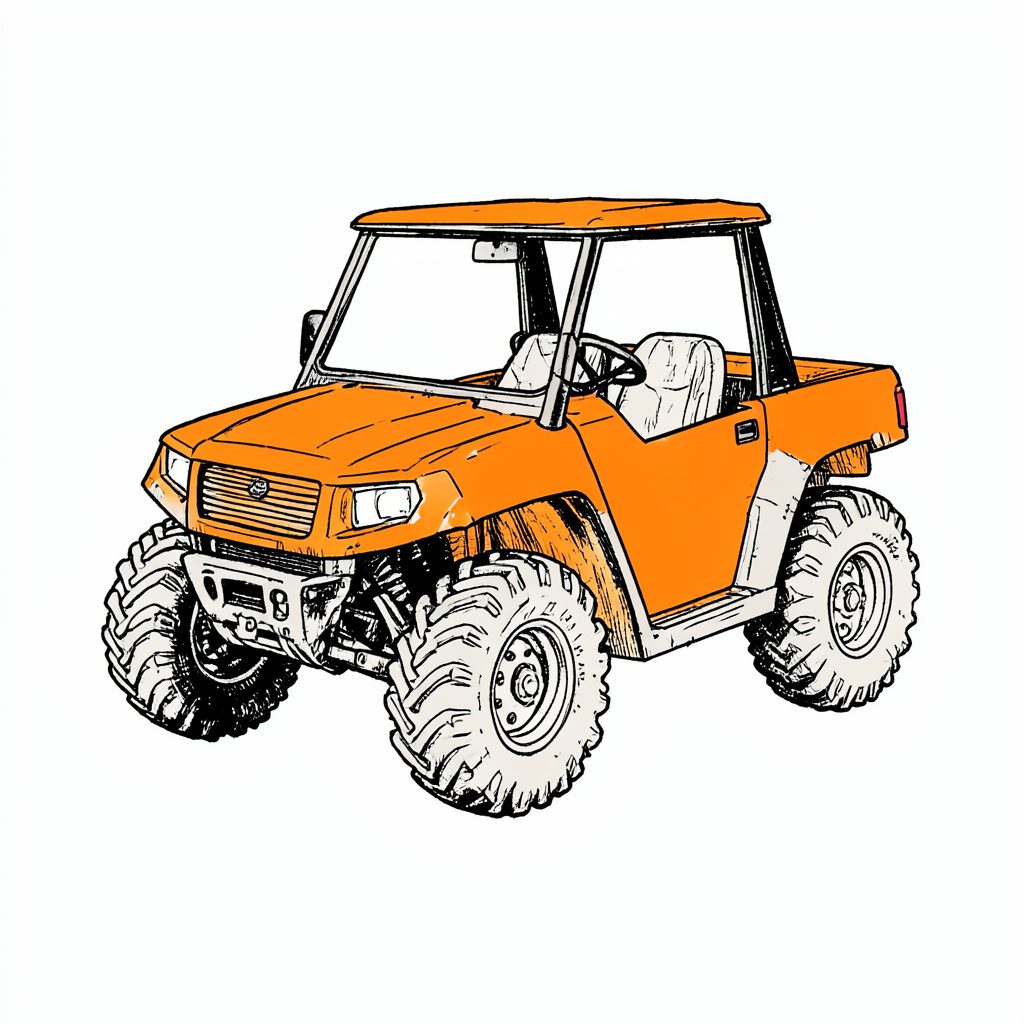
Tucked into pristine old Florida land in Flagler County, Florida Cracker Ranch is a family oriented outdoor adventure club where kids, parents and thrill seekers share the same trails, campsites and waterways.
Adventure Memberships available — families and singles welcome.
Reserve Your SpotWelcome to Florida Cracker Ranch
Often called Nature's Theme Park, our grounds invite families to ride ATV trails, splash through the swamp buggy area, pitch a tent, cast a line and explore old Florida hiking paths. Discover why members keep coming back season after season.
What You Can Do Here
ATV Trails
Marked routes for every skill level, including a peewee section.
Dirt Bikes
Dedicated dirt bike area built for two wheel adventure.
BMX & Mountain
Pedal powered BMX and mountain bike trails.
Swamp Buggy
Spacious swamp buggy area for big rig fans.
4x4 & Mud Trucks
Deep ruts and splash zones for 4x4s and mud trucks.
Skeet Range
Skeet shooting range in a controlled setting.
Camping
Membership campsites on a first come, first served basis.
Horse Trails
Scenic horse trails and riding paths.
An Old Florida Tradition
We honor the cracker way of life with old Florida outdoor living, traditional lodging, hiking and nature trails, plus fishing, swimming and beach access for members and their guests.
- Membership camping on a first come, first served basis
- Old Cracker Style Lodging cabins planned for overnight stays
- Old Florida hiking and nature trails
- Fishing, swimming and beach access
- Horse trails and riding

By the Numbers
Spotting Sandhill Cranes While Hiking Florida Wetlands
Learning how to spot sandhill cranes while hiking the wetlands is largely a matter of patience, timing and respectful distance. These tall, long-legged birds can appear suddenly beside a marsh edge, crossing an open pasture or moving quietly through shallow water. Their rust-coloured bodies and pale crowns are easy to notice once you know where to look, although vegetation and glare can make them surprisingly difficult to pick out.
Florida offers excellent opportunities to observe sandhill cranes in freshwater marshes, wet prairies and lightly wooded areas. At Florida Cracker Ranch in Flagler County, wetland walks can form part of a wider outdoor visit that includes hiking, fishing, camping and traditional Old Florida experiences. A crane sighting is never guaranteed, but the ranch’s varied habitats create the kind of setting where careful observers may encounter interesting birdlife.
For visitors travelling from Australia, the comparison with brolgas or sarus cranes is useful. Sandhill cranes are a North American species, while Australian birdwatchers may be more familiar with cranes seen around Kakadu, the Atherton Tablelands or Queensland wetlands. The same field habits apply: move slowly, scan open ground first and let the landscape reveal the bird.
Choose the right wetland conditions
Sandhill cranes favour open freshwater habitats where they can forage, see approaching danger and move between feeding and roosting areas. Look along the boundaries between marsh and dry ground, especially where sawgrass, low pasture and shallow pools meet. They may feed in wet meadows, agricultural fields or lightly wooded margins rather than standing in deep water.
Early morning is often the most productive period. Temperatures are gentler, insect activity can be lower and birds may be moving from overnight roosts towards feeding areas. Late afternoon can also work well, particularly when cranes return to wetland roosts. In Florida’s warmer months, the middle of the day can bring intense sun, shimmering heat and heavy mosquito activity, making both people and wildlife less active.
Weather changes the experience quickly. Recent rain may make tracks muddy and obscure smaller trails, while a dry spell can draw cranes towards remaining pools and damp pasture. Check local conditions before setting out, wear sturdy footwear and carry more water than seems necessary. Australian walkers accustomed to bush tracks should also remember that Florida heat combines with high humidity, so a short wetland loop may feel more demanding than a similar distance at home.
Read the bird before moving closer
A sandhill crane’s height makes it visible above low vegetation, but its grey body can blend into tree trunks, palmettos and dried grasses. Scan in sections rather than swinging binoculars randomly across the whole view. Start with the open ground, then inspect the edges of shrubs, the far side of ponds and any raised hummocks in the marsh.
Listen as carefully as you look. The species has a loud, rolling call that carries over long distances and often sounds deeper and more resonant than expected. If you hear repeated calls, pause before walking on. The birds may be hidden beyond a stand of reeds, and their calls can help you work out whether they are approaching, feeding or responding to another group.
Adult sandhill cranes are generally grey with a reddish patch on the crown, pale cheeks and long blackish legs. Juveniles are browner and lack the strong red crown marking, so a family group may contain birds with noticeably different colouring. Their deliberate walking style, upright neck and broad wings are useful identification clues. Brolgas can look similar to an Australian visitor, but location is decisive: in Florida, a tall crane in a wet prairie is far more likely to be a sandhill crane.
Use quiet observation techniques
Move at a steady, unhurried pace and stop whenever the terrain opens into a good viewing area. Cranes have excellent eyesight, and a direct approach across open ground usually causes them to walk away or take flight. Follow marked paths, use natural screening such as trees or tall grass and keep your body movements slow when raising binoculars or a camera.
A compact pair of binoculars is usually more useful than a large camera lens for a wetland walk. Look for a stable stance, brace your elbows lightly against your body and avoid chasing a bird from one viewpoint to another. If the crane becomes alert, raises its head or begins walking quickly away, increase your distance. A bird that settles back into feeding is telling you that your position is less disruptive.
Keep dogs close and observe any ranch rules about pets, vehicles and access. Private outdoor clubs often manage several activities across the same property, including ATV riding, horse riding, BMX tracks and camping areas. Staying within the designated hiking zone helps protect sensitive wetland margins and keeps walkers clear of moving vehicles and other recreation. If you are planning a longer family visit, save offline maps and travel media before leaving reception; this offline viewing guide may help organise downloaded files for the journey.
Understand the seasonal rhythm
Sandhill cranes may be seen throughout the year in Florida, but their behaviour changes with breeding, rainfall and food availability. Pairs may be especially watchful around nesting areas, while groups can gather in open fields or wetland roosts. Avoid approaching any nest, chick or isolated adult that appears to be guarding a particular patch of vegetation.
Winter can bring more noticeable concentrations of cranes in suitable Florida habitats, along with pleasant morning temperatures for walking. Spring and summer provide lush vegetation, active insects and young birds, but heat, thunderstorms and biting insects require more preparation. After heavy rain, shallow flooded areas may become attractive feeding sites, although some paths could be difficult or temporarily unavailable.
At Florida Cracker Ranch, wildlife observation fits naturally alongside a broader interest in Old Florida landscapes. The region’s working-land history helps explain why pasture, wetlands and wooded areas can sit close together. Reading about the Old Florida cattle history adds useful context to the mixture of open range, water and native vegetation that shapes the scenery.
Make the walk safe and rewarding
Wetland hiking in Florida calls for awareness of water, wildlife and changing weather. Stay on established routes, avoid wading into unfamiliar pools and never place hands or feet into hidden gaps along the waterline. Alligators may be present in Florida waterways, even where the surroundings appear quiet and shallow. Give every large animal plenty of room, and follow posted signs or staff instructions immediately.
Mosquitoes, ticks and strong sunlight can turn a pleasant outing into an uncomfortable one. Lightweight long sleeves, insect repellent, a broad-brimmed hat and sunglasses are practical choices. Bring a charged phone, basic first-aid supplies and enough drinking water for the full route. During storm season, move away from exposed ground if thunder develops, since wetlands offer little shelter from lightning.
A visit can become a full nature experience rather than a single-bird search. Look for wading birds, turtles, raptors, frogs and tracks around muddy edges, while keeping your attention on the wider habitat. If you stay overnight, a quiet evening can add another dimension to the trip. After dark, the ranch’s after-dark fishing tips provide a useful companion to daytime wildlife watching, especially for families combining hiking with camping and fishing.
For Australian visitors, the timing of a Florida walk may feel different from a dawn outing in the bush. Book around local opening times and seasonal conditions rather than assuming a trail will operate like a public reserve. School-holiday travel, family memberships and guest access can affect availability, so check the ranch’s current arrangements before setting off. That practical planning leaves more time for quiet observation once you reach the wetlands.
After sunset, allow your eyes to adjust and keep artificial light to a minimum. A dim torch helps preserve night vision and reduces disturbance to wildlife. Stargazing can also be rewarding on a clear ranch evening, and these ranch stargazing spots offer a natural extension to a day spent outdoors.
The best crane encounter may last only a few minutes. Pause at wetland edges, listen for the rolling call, scan open ground and let the birds decide how close the observation should be. With binoculars, water, sun protection and a quiet pace, a walk through Florida’s marsh country becomes a practical lesson in reading habitat—and a much better chance of seeing sandhill cranes behaving naturally.
Get in Touch
Send us a note about memberships, guest visits or directions. Phone 386-864-3856 or email floridacrackerranch@floridacrackerranch.com. Mailing address: P.O. Box 2993 Bunnell, Florida 32110.