
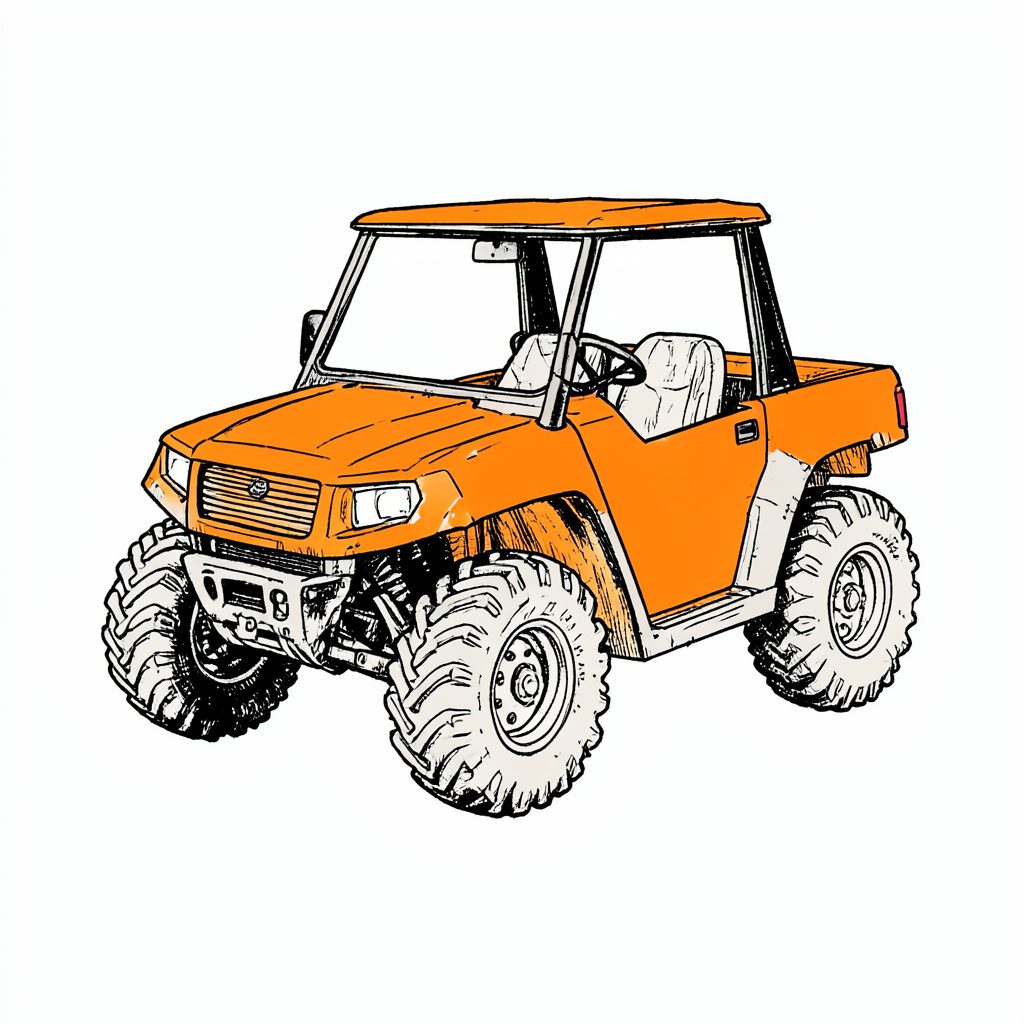
Tucked into pristine old Florida land in Flagler County, Florida Cracker Ranch is a family oriented outdoor adventure club where kids, parents and thrill seekers share the same trails, campsites and waterways.
Adventure Memberships available — families and singles welcome.
Reserve Your SpotWelcome to Florida Cracker Ranch
Often called Nature's Theme Park, our grounds invite families to ride ATV trails, splash through the swamp buggy area, pitch a tent, cast a line and explore old Florida hiking paths. Discover why members keep coming back season after season.
What You Can Do Here
ATV Trails
Marked routes for every skill level, including a peewee section.
Dirt Bikes
Dedicated dirt bike area built for two wheel adventure.
BMX & Mountain
Pedal powered BMX and mountain bike trails.
Swamp Buggy
Spacious swamp buggy area for big rig fans.
4x4 & Mud Trucks
Deep ruts and splash zones for 4x4s and mud trucks.
Skeet Range
Skeet shooting range in a controlled setting.
Camping
Membership campsites on a first come, first served basis.
Horse Trails
Scenic horse trails and riding paths.
An Old Florida Tradition
We honor the cracker way of life with old Florida outdoor living, traditional lodging, hiking and nature trails, plus fishing, swimming and beach access for members and their guests.
- Membership camping on a first come, first served basis
- Old Cracker Style Lodging cabins planned for overnight stays
- Old Florida hiking and nature trails
- Fishing, swimming and beach access
- Horse trails and riding
By the Numbers
Night fishing at the ranch: tips for catching catfish after dark
For anglers who grew up chasing Murray cod and yellowbelly along the Murray River, the idea of casting lines into Florida swampland after sunset might sound exotic, yet the instincts translate remarkably well. Down in New South Wales and Victoria, freshwater catfish like the eel-tailed tandan keep many fishers returning to the same snags year after year, and the same patient, scent-driven approach that works for those species is what brings channel catfish boiling to the surface once darkness falls at the ranch. Australian visitors carrying tackle bags from Brisbane or Perth will recognise the slow, deliberate rhythm of night fishing for whiskered fish.
The ranch's ponds and slow-moving creek arms hold populations of channel and flathead catfish that feed heavily once the temperatures drop and insect activity shifts. Members arriving from Melbourne or Adelaide are often surprised by how much the bite window mirrors the cooler overnight fishing they enjoy at home during the December-to-February Australian summer. Preparation, the right light, and a few local tricks turn a quiet evening into a cooler full of fillets.
Why catfish emerge after sunset
Catfish are opportunistic omnivores that rely heavily on their barbels and lateral line systems to locate food in low light. Once the sun drops behind the cabbage palms and the surface temperature dips a few degrees, their activity ramps up because smaller prey such as shad, shiners and frogs become more careless near the margins. Anglers from Hobart or Adelaide will recognise this pattern from after-dark sessions on the Tamar or the Yarra, where cod and silver perch often switch on in similar conditions.
The Florida summer evening is also a time when the ranch's herons and owls take over the skies. Predatory birds hunting low over the water push baitfish toward the edges and structure, concentrating the action in the same pockets a savvy angler would target. Add the chorus of frogs and the soft drone of insects, and you have a sensory map familiar to anyone who has fished the billabongs of tropical Queensland.
Reading the water when the sun drops
Night fishing strips away most visual cues, so the body language of the water takes over. The ranch's series of ponds includes drop-offs, submerged weed lines, laydowns, and culvert pipes — all of which channel catfish patrol as ambush points. Casting close to structure without snagging requires a careful entry angle and a rod tip held high during the retrieve.
For visitors who learned their craft chasing trout in Tasmania's highland lakes or perch in Western Australia's south-west estuaries, the transition is easier than expected. Target the deep-water side of any visible structure during the first hour, then shift toward the shallows as midnight approaches. Catfish follow forage as it moves up to feed, and the smart angler moves with them. A headlamp on the lowest red-light setting preserves night vision while still allowing line management and bait changes. A daytime scout on the beginner dirt bike trails lets visitors map shoreline timber, laydowns and creek mouths from above, and those notes pay off once the lights go out.
Rigging up: tackle for after dark
Channel catfish in the ranch ponds routinely run between one and four kilograms, with breeding females tipping the scales higher. A medium-action spinning or baitcasting rod in the two-to-four-kilo class paired with a 3000-size reel gives enough backbone without making the fight feel like wrestling a barra from a Cairns tackle shop display. Ten to fifteen-pound monofilament or a 30-pound braid with a 20-pound fluorocarbon leader handles the abrasion from submerged timber and shell beds.
Australian fishers used to handling barra or threadfin will appreciate the need for a stout drag setting. Catfish do not leap, but they bulldog toward the deepest snag they can find. A smooth, consistent drag prevents break-offs and keeps the hook pinned through the tough, fleshy mouth. Anglers bringing gear from down-under coast options should consider a sturdy bait-runner style reel in the style popular for Murray cod to keep the night less tiring.
Bait, scent and the right approach
Channel catfish rely on smell and taste far more than sight. Cut bait from oily fish, chicken livers marinated in garlic, or commercially prepared dough sticks all work, but the secret is matching the offering to the water temperature. Warm summer water carries scent quickly, so smaller baits fished closer to the bottom can outperform larger baits fished higher in the column. Anglers familiar with QLD's recreational fishing regulations will appreciate that the ranch's channel catfish are an introduced sport species, with no closed season and a generous daily limit.
| Bait choice | Scent strength | Casting distance | Setup | Cost per session |
|---|---|---|---|---|
| Cut shad or mullet | High | Medium | Circle hook on a sinker slide | Low |
| Chicken liver | Medium-high | Short | Treble or Kahle on light sinker | Low |
| Stinkbait dough | Very high | Medium | Sponge feeder rig | Medium |
| Live shiner | Medium | Long | Lip hook, free-lined near structure | Medium |
Rotation matters. If one bait sits untouched for thirty minutes during a productive window, switch rather than waiting. Down-under anglers used to the slow bite of the Murray River know that the fish often require a moving target, and the same holds true here. Casting beyond the target zone, then dragging the bait slowly back through the strike zone, triggers reaction strikes from fish that ignored a stationary offering.
Casting and hookset strategy
Setting the hook on a catfish is not the violent strike required for many Australian natives. A slow reel-down until weight is felt, followed by a steady lift, drives the hook home without tearing it free. Circle hooks are particularly effective because they slide into the corner of the jaw as the fish turns away. This method reduces gut-hooked fish and increases survival for any catch-and-release intention.
Patience matters more than power. The bite often feels like a soft tap-tap-tap as the catfish mouths the bait, then a steady weight as it moves off. Striking on the first tap pulls the bait away. Striking after steady weight locks the circle hook home. Anglers used to flicking lures for trout in Tasmania's highland lakes or casting vibes for yellowbelly in the Murray will find the rhythm familiar once they slow their reactions.
Landing, keeping and releasing catfish
A landing net with a coated mesh protects the slime coat and reduces handling stress. Keep the fish in the water as much as possible, lift only for a quick photo on a damp mat, and return it head-first within fifteen seconds. Many Australian state regulations now push strongly toward catch-and-release for trophy fish, and the same ethic carries weight for the larger breeding channel catfish in these ranch waters.
For those wanting a feed, the smaller fish under forty centimetres make excellent table fare. Keep them in a shaded bucket with frequent water changes, and bleed them immediately on the cleaning table for the cleanest fillets. Anglers planning a multi-night stay should review the practical family camping safety tips the team has published, since most of the same principles apply to children around the water after dark.
Pairing the session with a full ranch trip
A multi-day ranch visit pairs night fishing with the property's dirt bike and BMX trail network, the swamp buggy tours, and the camping areas around the main lake. Anglers who finish a session at two in the morning can roll into a campsite, sleep a few hours, and be ready for a morning skeet shoot or a horseback ride by mid-morning. The variety suits families where some members prefer wheels and others prefer rods.
Planning the timing around the new moon or a low-moon phase gives the darkest skies and the most active catfish. Packing both fresh and frozen bait, a thermos of coffee, a reliable headlamp with a red filter, and a willingness to wait for the tap of a bluegill being harassed are usually all that stands between an early return to camp and a successful session.
For Australian travellers packing their rods alongside the family swag, the key is to plan around the new moon for the darkest skies, keep the cooler stocked with fresh and frozen bait, and remember that the bite window opens within an hour of sunset and again in the last hour before dawn. A small thermos, a reliable red-filter headlamp, and the patience to wait out slow periods turn any quiet Florida evening into a freezer full of fresh fillets.
Get in Touch
Send us a note about memberships, guest visits or directions. Phone 386-864-3856 or email floridacrackerranch@floridacrackerranch.com. Mailing address: P.O. Box 2993 Bunnell, Florida 32110.