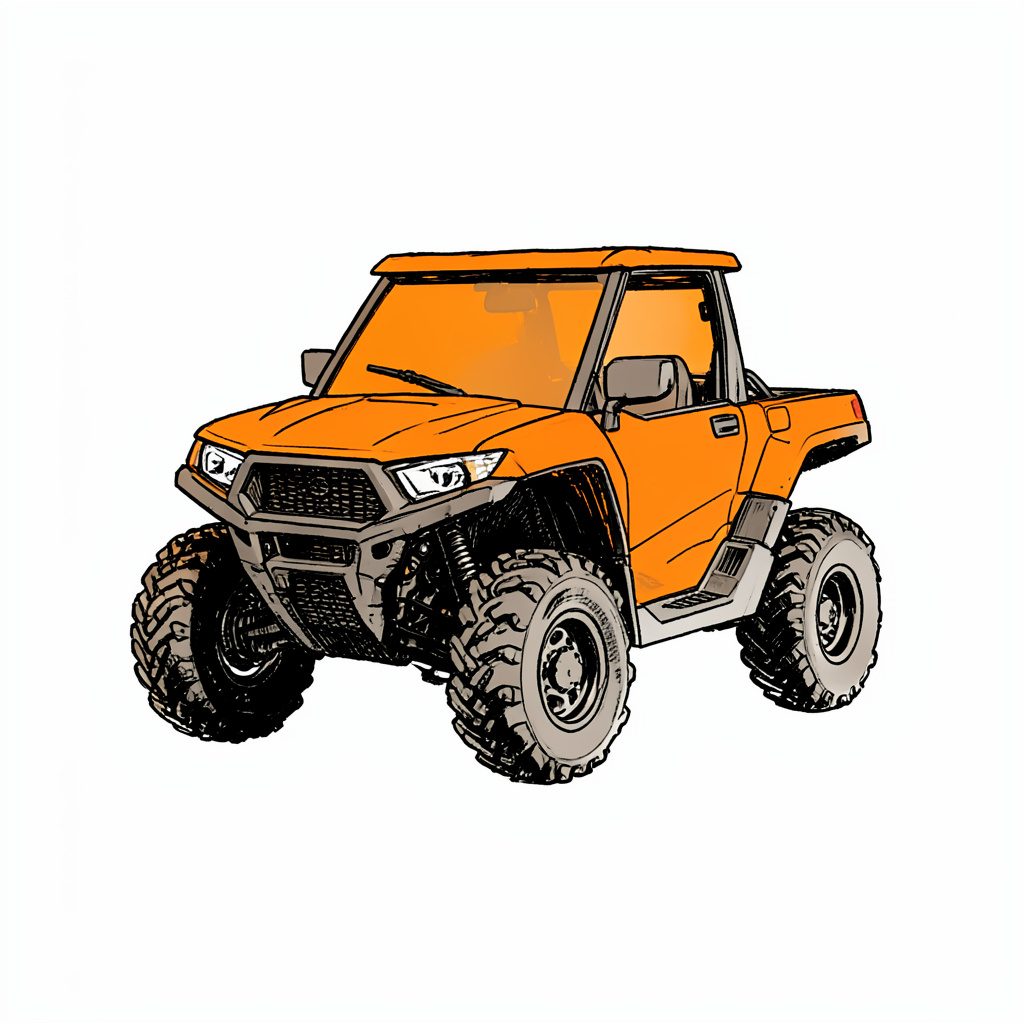
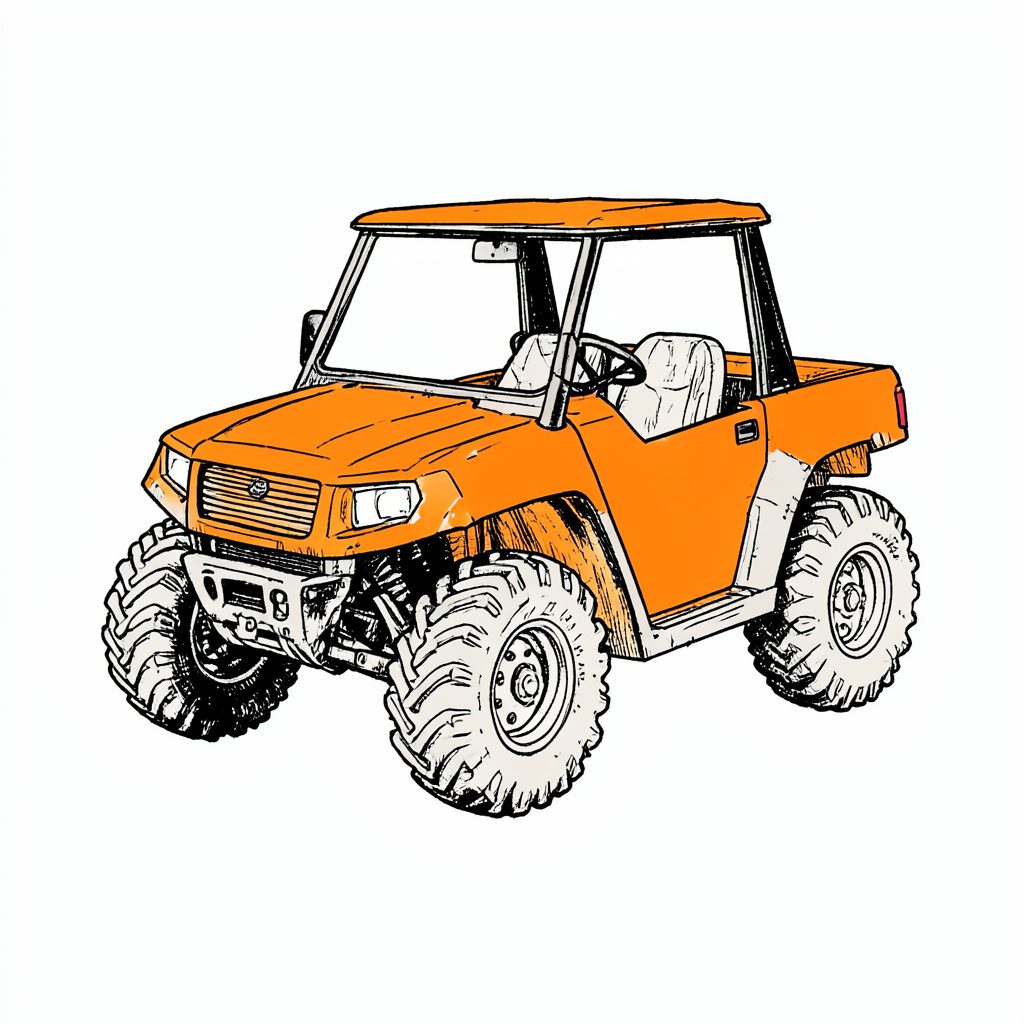
Tucked into pristine old Florida land in Flagler County, Florida Cracker Ranch is a family oriented outdoor adventure club where kids, parents and thrill seekers share the same trails, campsites and waterways.
Adventure Memberships available — families and singles welcome.
Reserve Your SpotWelcome to Florida Cracker Ranch
Often called Nature's Theme Park, our grounds invite families to ride ATV trails, splash through the swamp buggy area, pitch a tent, cast a line and explore old Florida hiking paths. Discover why members keep coming back season after season.
What You Can Do Here
ATV Trails
Marked routes for every skill level, including a peewee section.
Dirt Bikes
Dedicated dirt bike area built for two wheel adventure.
BMX & Mountain
Pedal powered BMX and mountain bike trails.
Swamp Buggy
Spacious swamp buggy area for big rig fans.
4x4 & Mud Trucks
Deep ruts and splash zones for 4x4s and mud trucks.
Skeet Range
Skeet shooting range in a controlled setting.
Camping
Membership campsites on a first come, first served basis.
Horse Trails
Scenic horse trails and riding paths.
An Old Florida Tradition
We honor the cracker way of life with old Florida outdoor living, traditional lodging, hiking and nature trails, plus fishing, swimming and beach access for members and their guests.
- Membership camping on a first come, first served basis
- Old Cracker Style Lodging cabins planned for overnight stays
- Old Florida hiking and nature trails
- Fishing, swimming and beach access
- Horse trails and riding



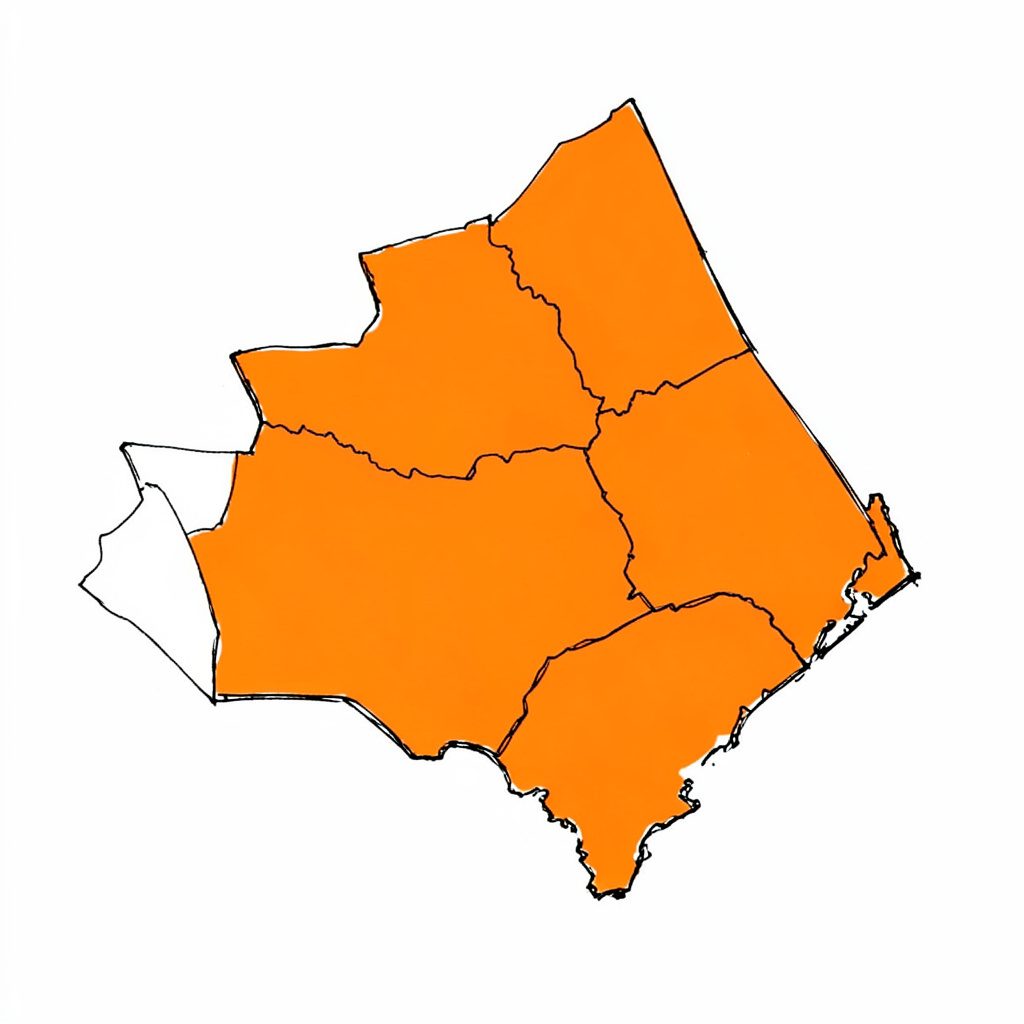
By the Numbers
Five Essential Safety Tips for Family Camping on the Ranch
A family camping trip at Florida Cracker Ranch can combine quiet nights under the trees with swimming, fishing, horse riding, mountain biking and motorised adventure. That variety is part of the appeal, but it also means a safe visit needs more planning than a simple weekend at a caravan park.
For families travelling from Australia, the ranch offers a very different outdoor setting from a Queensland holiday park or a Victorian bush campsite. Flagler County has warm, humid conditions, sandy ground, dense vegetation and wildlife that may be unfamiliar to visitors. A practical safety plan helps everyone enjoy the Old Florida atmosphere without turning the day into a scramble.
The best approach is to prepare for the whole stay rather than one activity. Think about transport, weather, supervision, water, protective equipment and the way your campsite will work after dark. These five habits cover the main risks while leaving plenty of room for fun.
Plan The Day Around The Ranch
Start by checking the ranch layout, operating arrangements and activity requirements before arrival. Florida Cracker Ranch is a private outdoor adventure club and family fun park, so different areas may have separate rules, access conditions or supervision expectations. Confirm which activities are available during your visit and whether an annual adventure membership, guest access or advance booking applies.
Build a simple family schedule with quiet breaks between energetic activities. Young children can become tired quickly in Florida’s heat, especially when a morning of ATV riding is followed by swimming or hiking. Allow time for water, food, sunscreen and a change of clothes rather than trying to fit every attraction into one day.
Australian families are often comfortable packing a “ute” or SUV for a long regional camping trip, but international travel adds another layer. Keep booking details, emergency contacts and directions in both digital and offline form. If you are staying in traditional Old Florida lodging or camping on site, confirm check-in instructions before setting out from places such as Jacksonville, Daytona Beach or Orlando.
Pack For Heat, Terrain And Activities
Protective equipment should match the activity, not simply the weather. Closed-toe shoes with firm soles are useful around campsites, trails and horse areas, while helmets and any required riding gear should be used for bikes, dirt bikes and ATV activities. Long, lightweight clothing can protect skin from sun, brush and insects without becoming too heavy.
Pack more drinking water than your family would normally carry for an Australian day trip. Humidity can make people underestimate how much fluid they are losing, and children may not recognise early signs of heat stress. A broad-brimmed hat, high-SPF sunscreen, insect repellent, sunglasses and a basic first-aid kit belong in the day pack rather than buried in the vehicle.
For families unfamiliar with riding equipment, the ATV packing guide provides useful preparation points before leaving camp. Pack separate dry bags for phones, medication and spare clothes, because water activities and sudden showers can affect gear even when the forecast looks clear.
Manage Water, Weather And Wildlife
Florida weather can change quickly, with strong sun, sudden rain and thunderstorms appearing during warmer months. Check the forecast before heading out and ask staff about any current weather warnings. If thunder is heard, leave open areas and water-based activities, then follow the ranch’s directions about safe shelter.
Use only approved swimming and fishing areas, and keep children within close reach when they are near ponds, pools or other water. A child who swims confidently at an Australian beach may still face unfamiliar conditions, slippery banks or poor visibility. Designate one adult as the active watcher instead of assuming everyone is keeping an eye out.
Wildlife and insects deserve calm, practical handling. Do not feed animals, disturb nests or leave food scraps beside the tent. Keep rubbish sealed, shake out shoes before wearing them and use torches after dark. Snakes, mosquitoes, ticks and fire ants can be present in warm outdoor environments, so inspect exposed skin and ask staff about local hazards rather than relying on assumptions from home.
| Risk area | Before the activity | During the activity | If something goes wrong |
|---|---|---|---|
| Heat and dehydration | Carry water, hats and sunscreen | Take regular shade breaks | Stop, cool the person and alert staff |
| Motorised riding | Use approved helmets and clothing | Follow marked routes and speed rules | Move away from the vehicle and report an incident |
| Swimming and fishing | Check the permitted area | Keep a close adult watch | Call for staff help immediately |
| Insects and wildlife | Use repellent and seal food | Avoid touching animals or nests | Treat bites promptly and seek medical advice if needed |
| Storms and heavy rain | Check the forecast | Leave exposed areas when warned | Follow the ranch’s shelter instructions |
Supervise Every Adventure
Family supervision works best when it is specific. Before an activity begins, tell children where they may go, which boundaries matter and who they should approach if separated. Use a simple meeting point near the campsite or activity office, and make sure every child knows an adult’s full name and mobile number.
ATVs, 4x4s, dirt bikes and swamp buggies require particular discipline. Children should use only vehicles and routes suitable for their age, size and experience, following the ranch’s instructions at all times. Never allow a child to ride on a vehicle unless that arrangement is explicitly permitted and the vehicle is designed for it.
Adults need to supervise their own choices as well. Alcohol, fatigue and heat can reduce judgement, so save drinking for after driving and active riding have finished. A parent who is responsible for watching swimmers or younger children should remain alert, close enough to act and free from distractions.
Keep The Campsite Secure
A tidy campsite is safer and easier to manage. Keep tent lines, tools, fuel, cooking equipment and riding gear arranged so nobody trips during the night. Store food in sealed containers, wash dishes promptly and place rubbish where animals cannot reach it. If cooking with a portable stove, use it only in a suitable outdoor area away from tents and dry vegetation.
Prepare for darkness before sunset. Each family member should have a torch or headlamp, and children should not walk to toilets, vehicles or activity areas alone. Mark tent locations with a small light and keep a charged phone, first-aid supplies and essential medication easy to reach.
Fire safety deserves extra attention in a dry or windy period. Follow all local restrictions and ranch rules, never leave flames unattended and extinguish them completely with water when finished. Do not use a barbecue or stove inside a tent, vehicle or enclosed shelter, where fumes can build up quickly.
Use A Simple Family Safety Checklist
A checklist reduces the chance that an exciting day causes small details to be missed. Keep one copy in the vehicle and another in the main campsite bag so that different adults can take responsibility for preparation.
- Confirm the day’s activities, access arrangements and weather forecast.
- Pack water, snacks, sunscreen, insect repellent and personal medication.
- Check helmets, footwear, life jackets and other required protective equipment.
- Set a family meeting point and review supervision duties.
- Store food, rubbish, fuel and sharp equipment securely.
- Carry torches, charged phones and a compact first-aid kit after sunset.
Use the checklist again when changing activities. A family heading from hiking to swimming may need dry clothes and extra sunscreen, while a group moving from the campsite to a riding area may need helmets, long trousers and closed shoes. Small resets between activities are easier than trying to solve a problem once everyone is tired.
Know What To Do In An Emergency
Before exploring the property, identify the nearest staff member, first-aid point and reliable communication location. Mobile coverage can vary in rural areas, so do not assume a phone will work everywhere. Save local emergency numbers and keep the ranch’s contact details available offline.
For a minor cut or insect bite, stop the activity, clean the area and monitor it. Heat illness, breathing trouble, a serious fall, suspected fracture or an allergic reaction needs prompt staff assistance and emergency medical support. Do not move an injured person unnecessarily after a significant collision unless remaining there creates immediate danger.
Families travelling from Australia should carry travel insurance details and understand how overseas medical care will be handled. Keep passports and important documents secure, while storing a photo or encrypted copy separately. Clear information about allergies, medications and emergency contacts can save valuable time when adults are stressed.
Finish Each Day With A Reset
A safe family camping routine continues after the activities finish. Check children for ticks, bites, sunburn and unusual tiredness, then replace wet or damaged clothing. Refill water bottles, charge phones and place shoes, helmets and torches where they can be found quickly the next morning.
Talk briefly about what worked and what needs changing. Perhaps the youngest child needs a longer shade break, a particular trail was too demanding, or the family packed too little water for the humidity. Treat those observations as useful information rather than criticism.
The next practical step is to make a one-page packing and supervision checklist tonight, then place it beside the bags you will take to Florida Cracker Ranch.
Get in Touch
Send us a note about memberships, guest visits or directions. Phone 386-864-3856 or email floridacrackerranch@floridacrackerranch.com. Mailing address: P.O. Box 2993 Bunnell, Florida 32110.