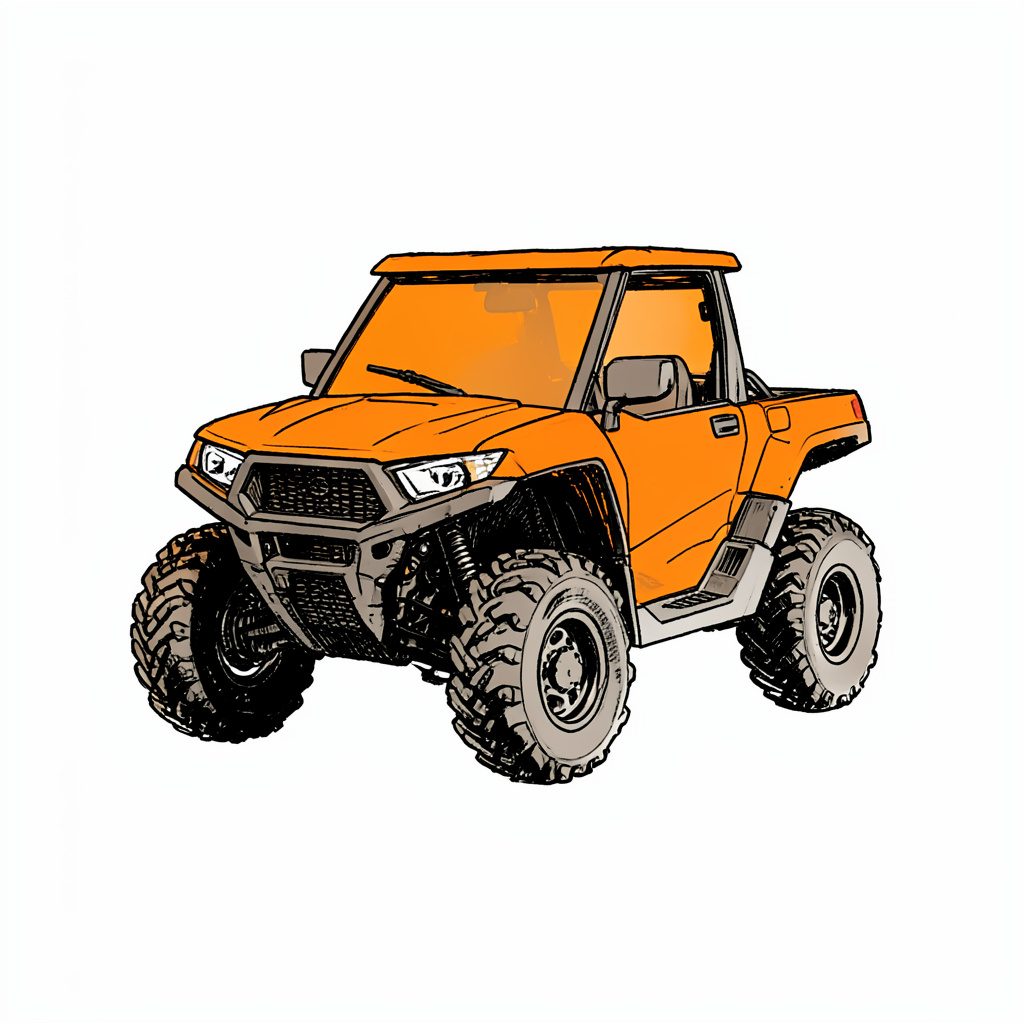
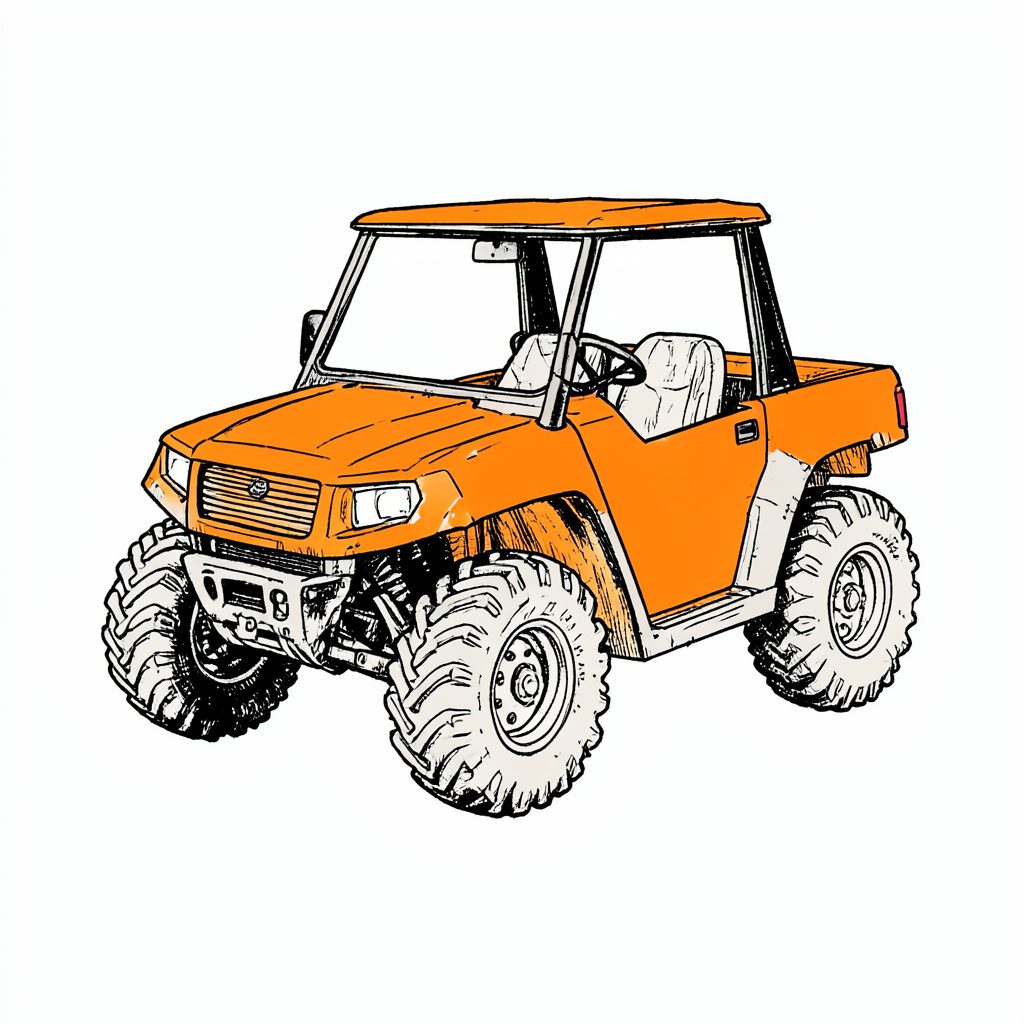
Tucked into pristine old Florida land in Flagler County, Florida Cracker Ranch is a family oriented outdoor adventure club where kids, parents and thrill seekers share the same trails, campsites and waterways.
Adventure Memberships available — families and singles welcome.
Reserve Your SpotWelcome to Florida Cracker Ranch
Often called Nature's Theme Park, our grounds invite families to ride ATV trails, splash through the swamp buggy area, pitch a tent, cast a line and explore old Florida hiking paths. Discover why members keep coming back season after season.
What You Can Do Here
ATV Trails
Marked routes for every skill level, including a peewee section.
Dirt Bikes
Dedicated dirt bike area built for two wheel adventure.
BMX & Mountain
Pedal powered BMX and mountain bike trails.
Swamp Buggy
Spacious swamp buggy area for big rig fans.
4x4 & Mud Trucks
Deep ruts and splash zones for 4x4s and mud trucks.
Skeet Range
Skeet shooting range in a controlled setting.
Camping
Membership campsites on a first come, first served basis.
Horse Trails
Scenic horse trails and riding paths.
An Old Florida Tradition
We honor the cracker way of life with old Florida outdoor living, traditional lodging, hiking and nature trails, plus fishing, swimming and beach access for members and their guests.
- Membership camping on a first come, first served basis
- Old Cracker Style Lodging cabins planned for overnight stays
- Old Florida hiking and nature trails
- Fishing, swimming and beach access
- Horse trails and riding
By the Numbers
Stargazing on the Ranch: Dark Skies Over Flagler County
Australia has its own world-class dark sky reserves, from the Warrumbungle National Park near Coonabarabran to the red heart of Uluru, so visitors from Sydney or Melbourne already know the pull of a pristine night sky. What many travellers do not realise is that similar conditions exist across the Pacific in north-east Florida, where Florida Cracker Ranch sits among the pine flatwoods of Flagler County. The property is far enough from the bright glow of Jacksonville and Daytona Beach to deliver ink-black horizons, yet it is set up with the kind of creature comforts Australian grey nomads and family campers expect.
The ranch is best known for its ATV trails and swamp buggy rides, but after sundown the focus shifts to the sky. With no major highways crossing the land and strict local lighting rules governing nearby developments, the Milky Way regularly stretches from one tree line to the other. For guests booking through annual adventure memberships, stargazing becomes a natural extension of a weekend spent horseback riding, fishing, or cooling off in the swimming holes that dot the property.
Why Flagler County Skies Belong on Your Bucket List
Light pollution maps published by the International Dark-Sky Association show most of the eastern seaboard glowing a sickly orange, with only thin corridors of darker sky surviving near Ocala and the rural parts of Flagler. The ranch falls inside one of those corridors, sandwiched between the Atlantic coast and the cattle country that stretches toward Gainesville. Because the surrounding land remains agricultural rather than residential, neighbours rarely leave porch lights burning past ten o'clock, which is a far cry from the suburban sprawl that blankets western Sydney.
Australians used to comparing their outback horizons with the bright suburbs of Parramatta or the inner west will appreciate how quickly darkness arrives once you leave the ranch gate. On a clear January evening, the constellations Scorpius and Sagittarius sit low in the south, the same region of the sky photographed from the River Murray dark sky camps in South Australia. Binoculars are usually enough to pick up the denser star clusters, while a small refractor reveals the faint nebulosity around the Lagoon and Trifid.
Mapping the Quietest Corners of the Property
Not every paddock on the ranch offers the same view. The flat pasture behind the main barn, often used for horse riding lessons during the day, opens directly south and west, making it the obvious choice for casual observers. The old logging road that loops north toward the back fence line is darker still, because a thick band of live oak blocks the glow from a single rural service station three kilometres away.
A handheld compass or a phone app set to true north helps newcomers find the best pocket for the night. The eastern horse paddock is the place to catch the moonrise, while the high ground near the southern ATV staging area gives a sweeping view of the horizon that feels almost as open as the Nullarbor Plain. Families with small children tend to prefer the spot beside the freshwater pond, where a gravel pull-off allows easy parking and a short walk to a flat viewing area away from the campfire circle.
| Location on the Ranch | Best For | Drive Time from Gate | Horizon View | Typical Sky Quality |
|---|---|---|---|---|
| Southern pasture by the barn | First-time stargazers, families | 3 minutes | Open south and west | Bortle 3 |
| North logging loop | Deep-sky observers, photographers | 8 minutes | North blocked by tree line | Bortle 2 |
| Eastern horse paddock | Moonrise viewing, wide-field shots | 5 minutes | East and south open | Bortle 3 |
| High ground near ATV staging | Astrophotography, long exposures | 6 minutes | 270-degree view | Bortle 2 |
| Freshwater pond pull-off | Easy access, kids and grandparents | 2 minutes | South and west open | Bortle 3 |
Timing Your Visit Around Moon Phases and Weather
Florida humidity is the constant enemy of crisp seeing, and the same trade that brings afternoon thunderstorms in summer can leave the night sky hazy if the weather does not break. The most reliable months for steady transparency are October through early December, when the dry season overlaps with the tail end of the Milky Way core season. February and March bring cooler, drier air and longer nights, though the galactic centre sits low in the west.
Moon phase matters more than most first-timers expect. A full moon sitting over the Atlantic can wash out the fainter dust lanes of the Milky Way, leaving only the brightest stars visible. Aiming for a new moon or a thin crescent within three days of new gives the darkest canvas. Local sunset times in January sit around 5:40 pm, which lines up neatly with Australian summer evenings and lets guests settle in before the first stars appear. Checking the phase calendar against your travel dates is a small step that makes a big difference to what you actually see through the eyepiece.
Gear and Comfort for a Long Night Under the Stars
Red-light headlamps are non-negotiable, since white light kills dark adaptation in seconds. A camp chair that reclines saves necks during long sessions tracking the Milky Way, and a thermos of something warm matters more in winter than visitors from Brisbane might guess. Frost is rare in Flagler, but a light jacket is wise once the temperature drops after midnight.
Astrophotographers packing heavier kit should plan for power. A portable lithium battery rated around 100 watt-hours handles a tracking mount, a cooled camera, and a dew heater for a full night without needing the ranch's 240-volt outlets. Beginners who want a simpler path can rent a Dobsonian from the front office or join one of the guided nights hosted by the astronomy volunteer group that meets on the back pasture during the cooler months. Theatrical lighting designers sometimes talk about the art of stage lighting for shaping mood, and the same principles apply outdoors where a single warm lantern can ruin half an hour of careful dark adaptation.
Pairing Stargazing with Other Ranch Adventures
A weekend built around the night sky leaves plenty of daylight hours to fill. Mornings are perfect for the beginner dirt bike loops, especially once the trail crew finishes grading the sandy sections that hold water after summer storms. The team published a recent guide to the best beginner trails that doubles as a useful map for anyone new to the property. Afternoons work well for a slow swamp buggy ride through the cypress heads, or a swim in the cooler spring-fed pond that sits at the foot of the high ground.
Families travelling with children often structure the day around a late lunch, an early horseback ride, and a sunset dinner by the fire ring. Couples and photography groups tend to skip the social side and head straight to the north loop after dinner, setting up tripods while the last orange glow fades behind the pines. Anyone planning more than a one-night stop should look at the memberships page, since annual passes include guest privileges, campsites, and access to the full calendar of guided nights that run from October through April. For those who want to compare the experience against Australian dark sky sites, a dark sky travel resource gathers reviews and weather data for both hemispheres and makes trip planning easier.
Practical Recommendations for a Smooth Night
- Arrive at least ninety minutes before the planned observing window to set up camp and let eyes adjust.
- Pack a red-light headlamp, a reclining chair, and a thermos, and leave white-light phones in the car.
- Check the moon phase and pick a date within three days of new for the darkest possible sky.
- Bring a printed planisphere or a sky app set to night-vision mode, since mobile screens ruin dark adaptation.
- Layer clothing even in summer, as Flagler nights can drop fifteen degrees from the afternoon peak.
- Book a campsite or guest pass in advance through the ranch office to guarantee gate access after dark.
Most first-time visitors leave the ranch surprised by how much sky they had forgotten existed. The Milky Way arc, the steady flicker of a satellite passing overhead, the call of a barred owl across the pine flatwoods, these are the details that reset a traveller's sense of wonder. The next step is straightforward: lock in a new-moon weekend between October and March, reserve a campsite on the freshwater pond pull-off, and start counting the days until the gate code arrives in your inbox.
Get in Touch
Send us a note about memberships, guest visits or directions. Phone 386-864-3856 or email floridacrackerranch@floridacrackerranch.com. Mailing address: P.O. Box 2993 Bunnell, Florida 32110.