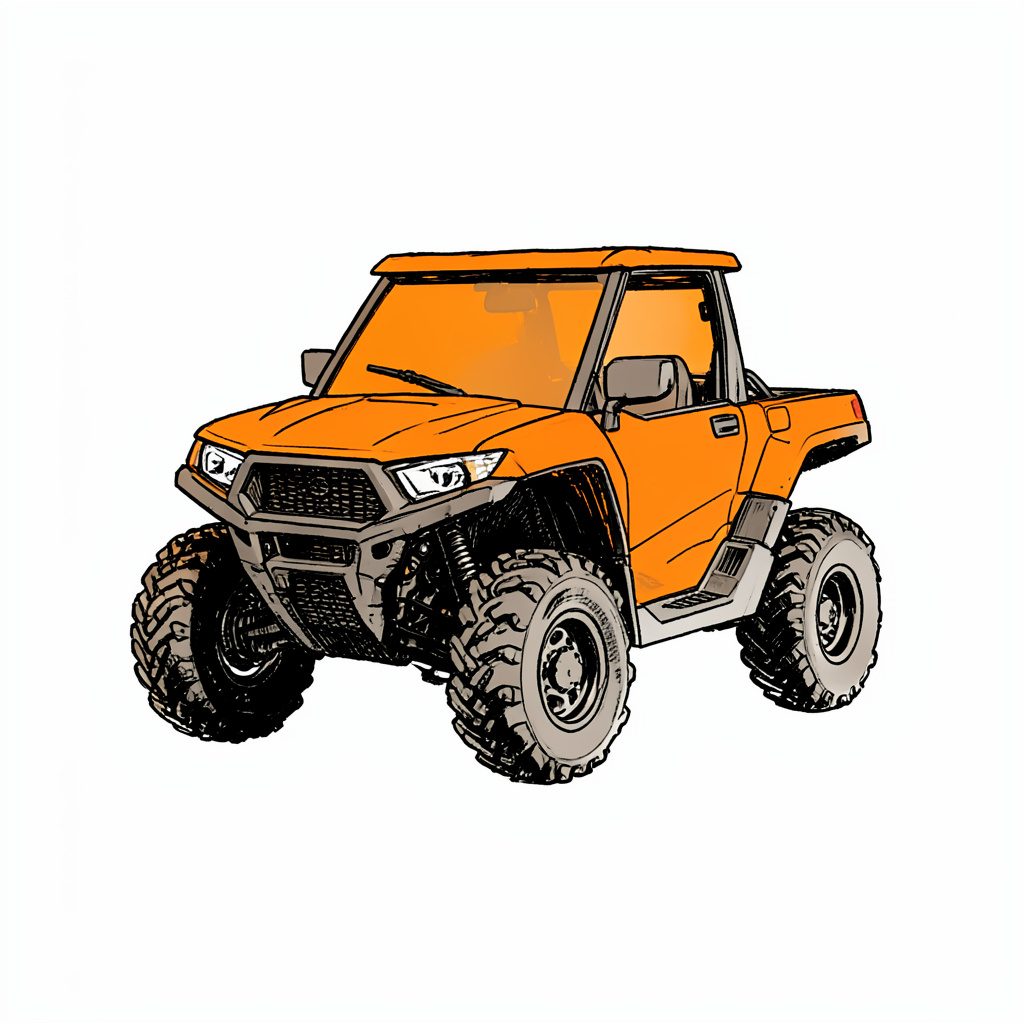
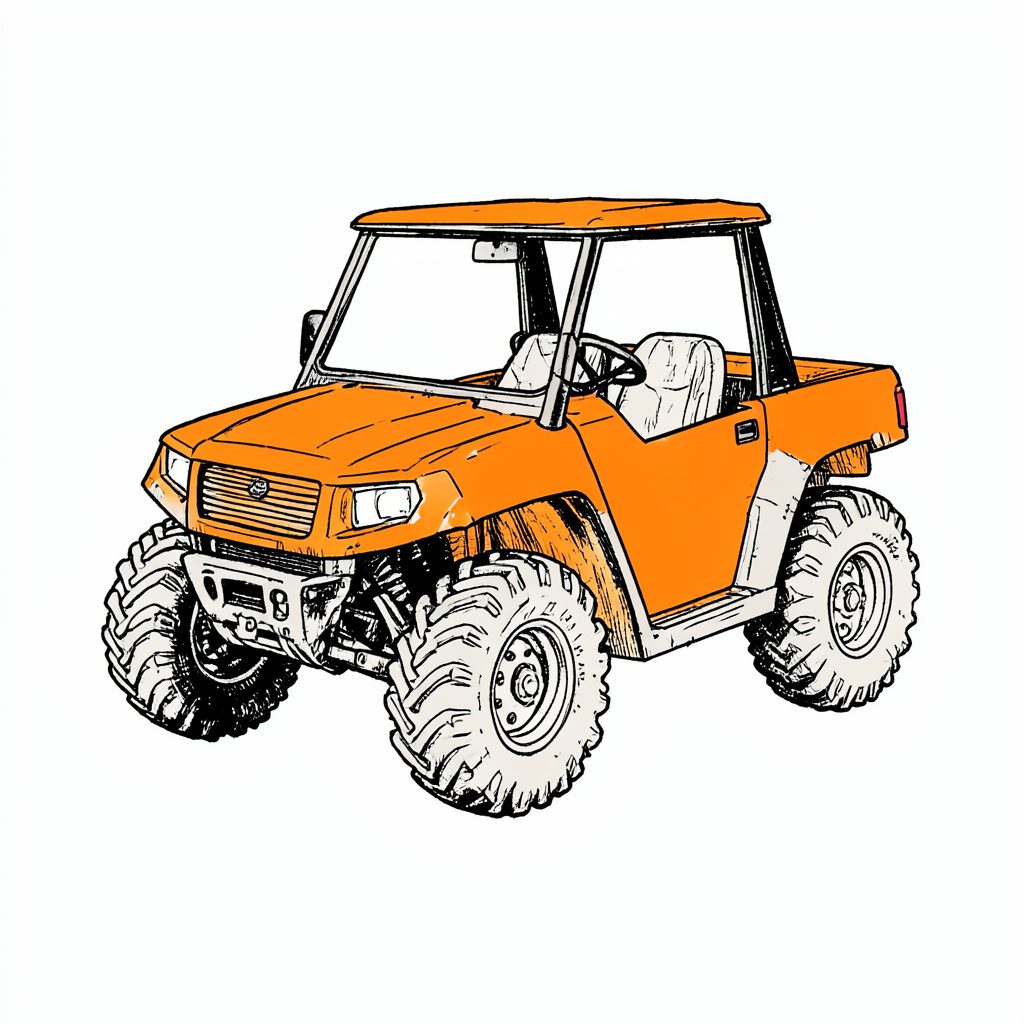
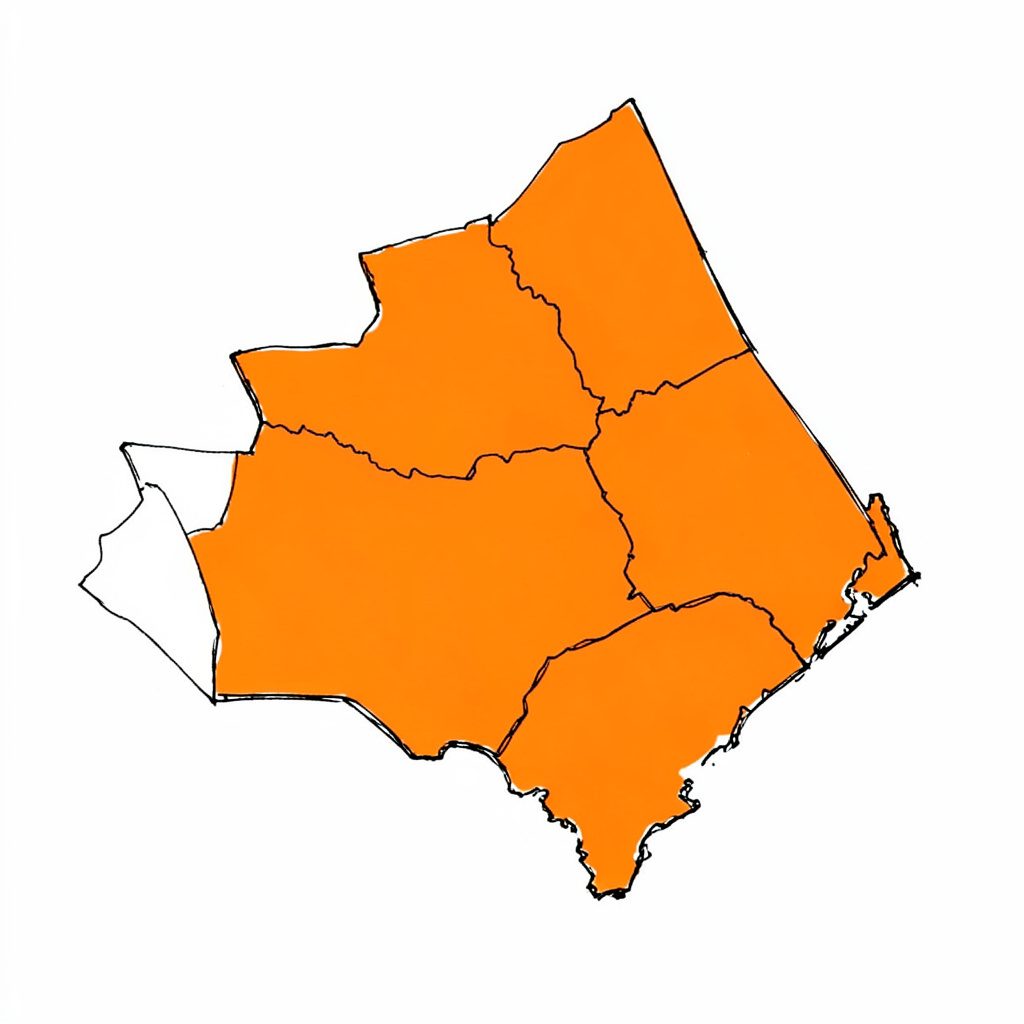
Tucked into pristine old Florida land in Flagler County, Florida Cracker Ranch is a family oriented outdoor adventure club where kids, parents and thrill seekers share the same trails, campsites and waterways.
Adventure Memberships available — families and singles welcome.
Reserve Your SpotWelcome to Florida Cracker Ranch
Often called Nature's Theme Park, our grounds invite families to ride ATV trails, splash through the swamp buggy area, pitch a tent, cast a line and explore old Florida hiking paths. Discover why members keep coming back season after season.
What You Can Do Here
ATV Trails
Marked routes for every skill level, including a peewee section.
Dirt Bikes
Dedicated dirt bike area built for two wheel adventure.
BMX & Mountain
Pedal powered BMX and mountain bike trails.
Swamp Buggy
Spacious swamp buggy area for big rig fans.
4x4 & Mud Trucks
Deep ruts and splash zones for 4x4s and mud trucks.
Skeet Range
Skeet shooting range in a controlled setting.
Camping
Membership campsites on a first come, first served basis.
Horse Trails
Scenic horse trails and riding paths.
An Old Florida Tradition
We honor the cracker way of life with old Florida outdoor living, traditional lodging, hiking and nature trails, plus fishing, swimming and beach access for members and their guests.
- Membership camping on a first come, first served basis
- Old Cracker Style Lodging cabins planned for overnight stays
- Old Florida hiking and nature trails
- Fishing, swimming and beach access
- Horse trails and riding
By the Numbers
Helping Kids Discover Dirt Biking Without Cutting Corners on Safety
Watching a child pull away on a small motorbike for the first time, helmet a touch too big and grin a touch too wide, is one of those parenting moments that stays with you. The throttle, the dust, the wobble, then the slow steadying as balance clicks into place. Dirt biking rewards patience, and introducing it well means treating the early rides as much a lesson in risk management as in mechanics. Learn more about Floridacrackerranch.com.
Across the paddocks, state forests and back blocks of Australia, families have been passing motorbike skills down the generations, from the high country of Victoria to the cane country of far north Queensland. The same approach that worked for a station bike on a long dirt drive still applies today: respect the machine, respect the land, and respect the kid's learning pace. A thoughtful first year of riding sets up a lifelong hobby, and a few small choices early on can prevent the kind of crash that ends it before it begins. Learn more about Cara Membawa Kamera Tahan Air Saat Berperahu.
Sizing the Bike and the Gear to the Child, Not the Other Way Around
The single most common mistake is buying a bike a child will "grow into." A 65cc machine that a five-year-old can barely reach the ground on is not future-proofing, it is a recipe for stalled engines, dropped metal and frightened kids. Pee-wee machines around 50cc suit riders from about four to seven, 65cc fits the next few years, and 80cc to 110cc covers the bridge to teenager-sized machines. Seat height matters more than engine size, so a flat foot on the ground at a stop is the rule, not a guideline. Learn more about The History Of Old Florida Cracker Cattle Ranching.
Protective gear should be matched the same way, and there is no point cheaping out here. In Australia, helmets must comply with AS/NZS 1698 for any motorcycle or quad use, and the right one sits snug without rocking. Goggles, long gloves, a chest protector, knee braces or solid knee guards, motocross boots that come up over the shin, and a long-sleeve jersey all add up. Many families skip the chest and back protector to save a few dollars, but the torso is exactly where handlebars or a hard landing tend to make contact. Learn more about Tgpmovienights.com.
Boots are particularly easy to underspend on. A pair of proper motocross boots has a rigid sole, reinforced ankle pivot, and a buckle system that locks the heel in place. Fashion motocross boots, the kind that look the part but flex like runners, are fine for standing around a servo but offer almost nothing in a low-side slide. The same goes for gloves, where a thin palm saves a few grams but lets every stone and stick through. Learn more about Exploring The Pine Flatwoods On A Mountain Bike A Trail Guide.
Understanding the Rules That Apply in Australia
Australian rules around junior motorbikes change from state to state, and "it is private property so anything goes" is a common trap. In New South Wales, for example, a child under four and a half cannot ride any motorbike on private land, even a parent's place, unless it is a designated closed course under a registered club. Victoria has its own minimum age rules and requires bikes used on private land to meet noise limits. Queensland tends to be more relaxed on family farms, but riding unregistered on the road still attracts fines and defect notices, even for a small bike on a quiet country lane.
The easy way to keep up is to join a Motorcycling Australia affiliated club or a state-level body such as Motorcycling NSW, Motorcycling Victoria or Motorcycling Queensland. Club days run under a permit, with marshals, first aid, and age-appropriate bike classes, so the rules are already covered. Insurance is usually included, and members can ride on the club's designated track without needing a rego plate. For many parents, a single annual membership works out cheaper than the eventual cost of a visit to the local A&E, and the kids get a proper structure around the riding.
For families who want road access eventually, the Learner Approved Motorcycle Scheme (LAMS) is the route, but the L-plate years only start once a rider is old enough to be licensed in their state and on an approved bike. Most parents treat the junior years as off-road only and revisit road licensing around sixteen, when the choices suddenly open up. Treating the off-road phase as a proper apprenticeship keeps the bureaucracy at bay and lets the riding itself be the focus.
Picking the Right Place to Learn
The training ground matters as much as the bike. Flat, open grass with a soft surface is the ideal starter: no jumps, no ruts, no hidden logs, and plenty of room to run out of speed. A footy oval, a back paddock, or a designated practice area at a club all work. The communities around Hartley and Lithgow on the western side of the Blue Mountains have lovely open ground for first rides, and so do the basalt plains west of Melbourne, where dry weather keeps the dirt predictable most of the year.
State forests managed for recreation, like parts of the Tallarook or the Reedy Creek block, often have fire trails that double as beginner tracks, but it pays to check the local rules. Some forest areas ban motorbike use entirely, while others set aside specific trails. Officially sanctioned junior tracks, such as those run by the Australian Auto-Sport Alliance or local MX clubs, give the cleanest legal experience and usually have coaches on hand. The climate also plays a part. Summer storms in the tropics make tracks greasy in minutes, red clay in NSW becomes ice in the wet, and inland dust in the middle of the arvo can choke a filter and hide a small dip. Choosing a morning session, a recently mowed paddock, or a shaded trail is a small choice that often makes the difference between a steady first lesson and a frustrating one.
A quick comparison of the most common junior riding settings:
| Setting | Best for | Typical age | Permit needed | Main upside | Main limitation |
|---|---|---|---|---|---|
| Family paddock, flat grass | Absolute first rides | 4–7 | No (on private land, age rules apply) | Familiar, low pressure | Easy to outgrow within weeks |
| Designated junior MX track | Skill progression, jumps | 7–14 | Club membership | Coaches, marshals, first aid | Travel time on weekends |
| State forest fire trail | Linking trails, longer rides | 10–16 | Check local forest rules | Free, varied terrain | Unmarked hazards, no rescue on call |
| Private property with club permit | Coaching under supervision | 6–12 | Registered club invitation | Structured day, bikes provided | Limited dates in the year |
| Closed-course farm ride | Family days with a guide | All juniors | Organised by operator | All gear often included | Cost, and booking ahead |
Building Skills Step by Step
Progressing in the right order is what turns a wobbly first ride into a confident young rider. The first sessions should cover the basics: sitting on the bike with the engine off, finding the friction zone of the clutch, walking the bike around the paddock, then balancing along a painted line at walking pace. Steering comes before speed, and speed comes before anything more than a gentle rise or dip. A common mistake is to rush to second gear before the rider can hold a slow balance in first, because the higher gear masks the wobble and gives a false sense of control.
Drills work best when they are short and repeated. A "figure eight in second gear" drill teaches slow-speed balance and throttle control at the same time. A gentle front-brake practice on grass, simply learning to use the brake progressively without locking the front, is a far safer way to learn braking than a panic stop on bitumen. Cornering drills should start on a flat oval before moving to a slight berm, because berms tempt a young rider to lean the bike rather than the body, and that is where habits go wrong early. Mixing in a rest, a drink, and a quick chat about what just felt easy or hard keeps the session honest.
The trick is to keep the feedback calm. Aussie parents have a habit of talking up the great ride and quietly noting the small mistakes for later, which is the right instinct. Crashing is part of motorcycling, but the way a parent reacts to a small tip-over sets the tone. Picking the bike up without fuss, checking the lever is straight, and saying "fair dinkum, that happens to everyone" lets the kid climb back on without a story building in their head about how risky it all is. The skills take care of themselves once the nerves are settled.
Quick Checks and Drills for the First Few Months
Once a family is into a regular rhythm, a short pre-ride routine and a small set of drills do more for safety than any amount of expensive gear. The lists below are the ones that experienced junior coaches tend to circle on the first day, and they suit the conditions found across most of eastern Australia, from the subtropical coast of Queensland to the cooler forests of Tasmania.
Before every junior ride:
- Tyres pumped to the pressure stamped on the sidewall, not the figure on the workshop wall
- Chain tension with about 2 cm of free play, and a quick spray of chain lube
- Brakes that bite firmly at half lever travel, with no sponginess
- Throttle that snaps shut the moment the grip is released
- Fuel and oil topped up, and a quick look for any drips on the ground underneath
Simple drills to run on a quiet morning:
- Walk the bike around a small course, eyes up, slow feet
- Engine on, clutch out, feet-up balance along a length of old garden hose
- Gentle figure eights in second gear, looking where you want to go
- Controlled stops using both brakes, finishing the same line every time
- A short rest, a snack, then one more quiet lap before packing up
Families who want to extend the adventure beyond the home paddock often look further afield, and the same ethos of safe, guided riding underpins programs well beyond Australia. Florida Cracker Ranch runs structured family dirt bike days for young riders as part of its wider outdoor adventure program, with instructors who break the day into the same slow, steady steps outlined above. Their cracker cattle history is a reminder that motorbikes on the land are part of a long tradition, not a recent fad, and the Pine Flatwoods trail guide shows how short, well-marked loops with a clear bail-out point can suit riders who are building confidence. For tired riders and parents after a long day, outdoor movie nights have become a popular way to wind down, and if the family trip has involved water rather than wheels, a waterproof camera guide is worth a read for the next creek or river ride.
A child who stops wanting to ride has usually had a run of sessions that felt like chores, so the final habit to build is to make every ride a small adventure with a destination rather than just laps. A loop through the back of a property, a stop to check a dam, a shared billy on the verandah afterwards, and the day becomes a memory rather than a training session. Peer company helps too, and a junior ride day at a local club is a great way to mix fun with the right level of challenge. Kids push themselves a little harder when they see another child their age on a similar bike, and the social side often outlasts the riding itself.
The next practical step is to ring the nearest Motorcycling Australia affiliated club, book a single junior day for the coming season, and start preparing the gear over the school holidays so the first real throttle and brake lesson happens on a managed track with a coach on hand, not on the back lawn with mum shouting from the verandah.
Get in Touch
Send us a note about memberships, guest visits or directions. Phone 386-864-3856 or email floridacrackerranch@floridacrackerranch.com. Mailing address: P.O. Box 2993 Bunnell, Florida 32110.