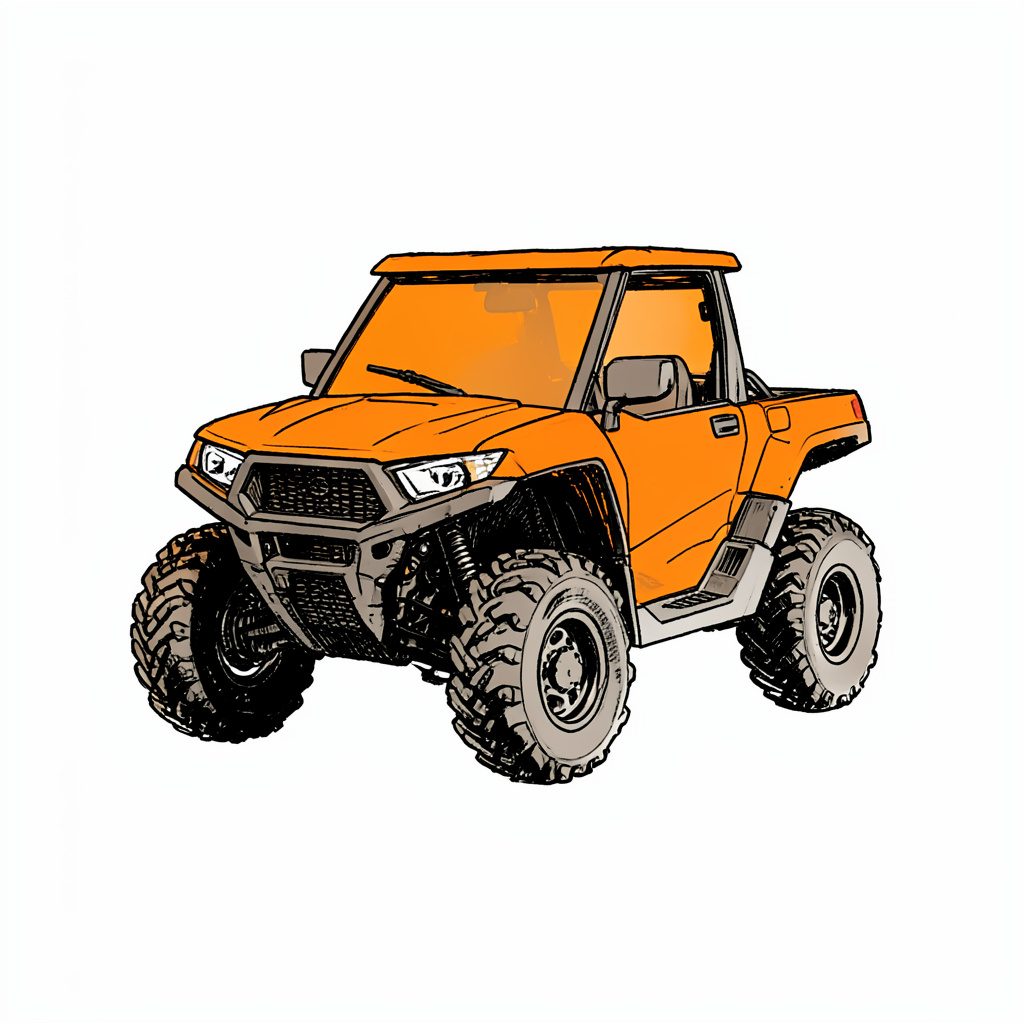
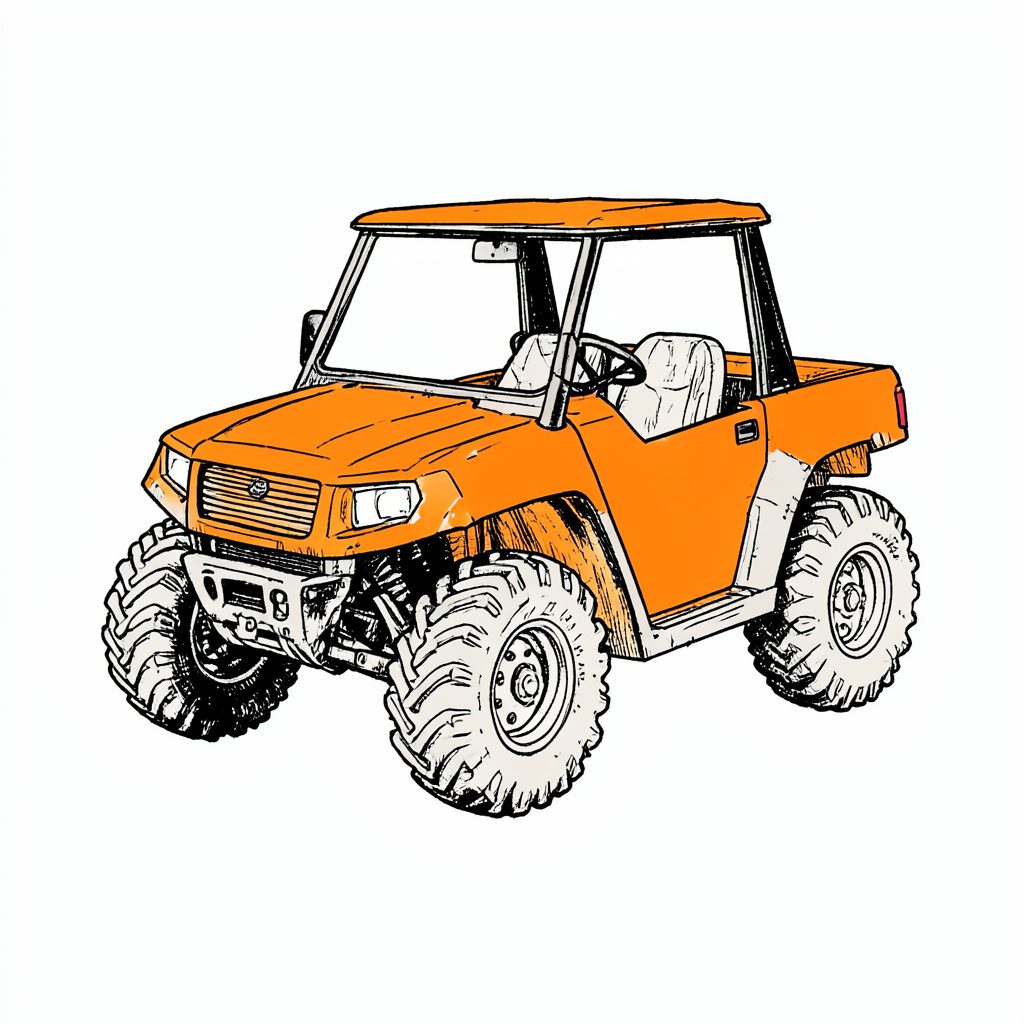
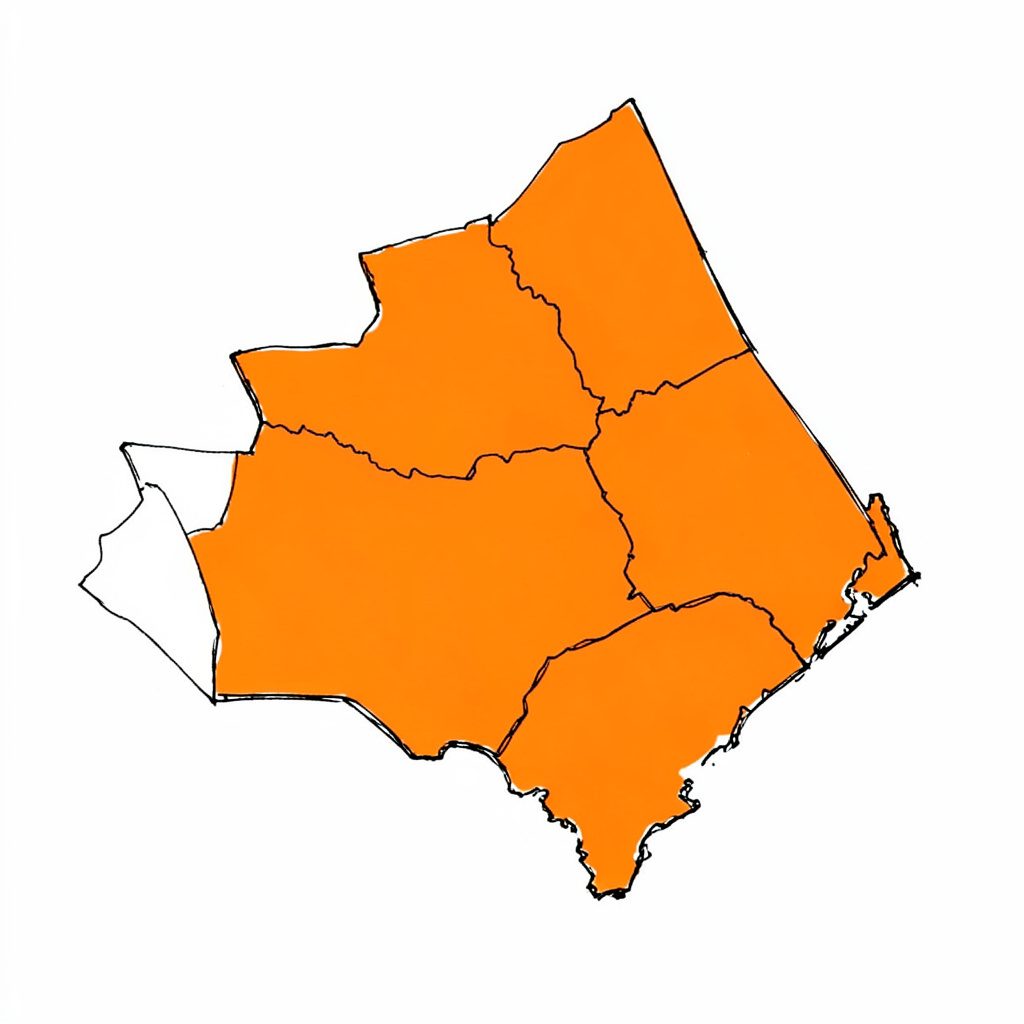
Tucked into pristine old Florida land in Flagler County, Florida Cracker Ranch is a family oriented outdoor adventure club where kids, parents and thrill seekers share the same trails, campsites and waterways.
Adventure Memberships available — families and singles welcome.
Reserve Your SpotWelcome to Florida Cracker Ranch
Often called Nature's Theme Park, our grounds invite families to ride ATV trails, splash through the swamp buggy area, pitch a tent, cast a line and explore old Florida hiking paths. Discover why members keep coming back season after season.
What You Can Do Here
ATV Trails
Marked routes for every skill level, including a peewee section.
Dirt Bikes
Dedicated dirt bike area built for two wheel adventure.
BMX & Mountain
Pedal powered BMX and mountain bike trails.
Swamp Buggy
Spacious swamp buggy area for big rig fans.
4x4 & Mud Trucks
Deep ruts and splash zones for 4x4s and mud trucks.
Skeet Range
Skeet shooting range in a controlled setting.
Camping
Membership campsites on a first come, first served basis.
Horse Trails
Scenic horse trails and riding paths.
An Old Florida Tradition
We honor the cracker way of life with old Florida outdoor living, traditional lodging, hiking and nature trails, plus fishing, swimming and beach access for members and their guests.
- Membership camping on a first come, first served basis
- Old Cracker Style Lodging cabins planned for overnight stays
- Old Florida hiking and nature trails
- Fishing, swimming and beach access
- Horse trails and riding


By the Numbers
Exploring Florida’s Pine Flatwoods by Mountain Bike
Pine flatwoods are one of Florida’s most distinctive landscapes: open, sunlit forests of longleaf and slash pine, palmetto scrub, sandy tracks and shallow wetlands. They can look straightforward from a distance, yet a ride through this country rewards careful route planning. Loose sand, sudden puddles, exposed roots and humid heat all change the pace.
At Florida Cracker Ranch in Flagler County, the riding experience sits within a broader Old Florida setting. The private outdoor adventure club and family fun park offers mountain bike trails alongside ATV, 4x4, dirt bike, horse riding, fishing, swimming, camping and other activities. You can learn more about the property, its adventure memberships and its nature-based facilities through the Florida Cracker Ranch.
Know The Pine Flatwoods
Pine flatwoods are generally level, but “flat” does not mean effortless. The ground often alternates between firm sandy lanes, softer patches and low areas that collect water after storms. Palmettos can narrow the track, while pine needles cover small obstacles and make the surface less predictable than a hard-packed park trail.
The landscape is shaped by regular fire, seasonal rainfall and a high water table. Prescribed burning helps maintain the open woodland and supports native plants, so riders may encounter blackened ground, fresh green growth or a faint smoky scent. These signs are part of a healthy ecosystem rather than evidence of a damaged trail.
Wildlife is another reason to ride with awareness. Birds, deer, tortoises, frogs and smaller reptiles may cross the route, especially in the cooler hours. Florida’s heat also encourages snakes and insects to seek shade, so keep your line controlled and give animals room to move away.
For Australian visitors, the closest mental comparison may be a ride through a dry eucalypt woodland or pine plantation near Canberra, the Adelaide Hills or regional Victoria, though Florida’s humidity and wetlands create a different feel. The vegetation can be dense at ground level even when the canopy looks open.
Choose A Bike And Riding Style
A hardtail mountain bike is a practical choice for most pine flatwoods routes. Front suspension takes the sting out of roots and uneven sand, while wider tyres improve balance when the trail becomes loose. A moderately low tyre pressure can create more grip, but avoid dropping pressure so far that the rim strikes hidden roots or rocks.
Full suspension can be comfortable on longer loops or rougher sections, although it is not essential for every route. A reliable drivetrain matters more than having the most advanced bike. Sand can work into moving parts, and wet conditions can quickly turn a smooth ride into a test of traction and braking control.
The best technique is relaxed and deliberate. Keep your weight centred, soften your elbows and avoid sudden steering movements in sand. If the front wheel begins to wander, look ahead rather than staring at the tyre. On a wet boardwalk or muddy crossing, reduce speed before the hazard instead of braking sharply halfway through it.
Fitness levels within a family group may vary, so set a turnaround point before the ride begins. A short loop can still feel rewarding when the heat is intense. Strong riders can repeat a section or add distance, while younger cyclists benefit from regular stops beneath the pines.
Plan Around Florida Weather
Heat management should shape the whole ride. Early morning is usually the most comfortable time, with lower temperatures and softer light for spotting roots and wildlife. A late-afternoon start can also work during the cooler season, but allow enough daylight to finish the route without rushing.
Carry more water than you expect to need. A hydration pack keeps drinking easy while riding, and a second bottle can be useful for a longer outing or a family group. Electrolytes may help during sweaty summer sessions, particularly for visitors who are accustomed to Australia’s dry heat but not Florida’s heavy moisture.
The wet season can bring rapid downpours, lightning and deep puddles. A trail that was firm at breakfast may be slippery by lunch. Check conditions before setting out, and avoid riding during thunderstorms or entering low-lying areas when water is rising. Waterproof phone protection, a small dry bag and a lightweight rain shell are sensible additions.
Sun protection still matters under the trees. Use sunscreen, sunglasses and a breathable long-sleeve jersey, and apply insect repellent to exposed skin. Australians may casually call mosquitoes “mozzies”; in Florida they are a serious nuisance around damp ground, particularly near dusk. Pack a towel, spare shirt and an esky or cooler for the vehicle, as a muddy, humid ride can leave everyone ready for cold drinks and a change of clothes.
Follow The Trail With Care
Begin by checking the permitted riding areas, current conditions and any local instructions. A private ranch may have separate zones for bikes, motorised vehicles, horses and shooting activities. Staying within the marked cycling area keeps the experience safer for everyone and reduces conflict at crossings.
Give horses and powered vehicles plenty of space. Stop, move to the side and follow the instructions of the rider or ranger before passing. ATV and 4x4 routes can have deeper ruts, loose corners and larger traffic, while equestrian users may need extra time to settle a nervous horse.
Navigation is easier when you record the route before leaving. Phone service can vary, and tree cover may affect GPS accuracy. Downloading an offline map, carrying a small power bank and telling someone your intended loop are sensible precautions. A basic repair kit should include a spare tube, tyre levers, pump, multitool and chain quick link.
Pack according to the kind of day you are planning, not just the distance. A useful day-ride packing guide can help organise essentials for an outdoor outing, even when your main activity is cycling. Add first-aid supplies, identification, emergency contacts and enough food for a delayed finish.
Build A Better Flatwoods Adventure
A successful ride is about reading the terrain rather than chasing speed. Firm pale sand may support a steady rhythm, while darker soil can signal moisture underneath. Palmetto roots, pine cones and washouts deserve the same attention as obvious obstacles. If the surface looks uncertain, slow down and choose the cleanest line.
Families can make the outing feel like an exploration by stopping at natural landmarks. Look for changes in vegetation, animal tracks, woodpecker holes and small seasonal ponds. Children often enjoy a simple wildlife checklist, while experienced riders may prefer a quiet loop that focuses on cadence and trail technique.
Australian travellers should also account for the way a Florida day unfolds. Distances around Flagler County can feel deceptively short on a map, but heat, traffic and afternoon storms can add time. If you are travelling from Jacksonville, St Augustine, Orlando or the coast, allow a relaxed schedule rather than trying to fit a ride between several major attractions.
Practical Ride Recommendations
- Start at first light or during the cooler part of the afternoon.
- Use a hardtail or full-suspension mountain bike with grippy, wider tyres.
- Carry water, electrolytes, sunscreen, insect repellent and a basic repair kit.
- Download route information and tell someone your planned riding area.
- Slow down near wetlands, blind corners, crossings and loose sandy sections.
- Yield to horses, ATVs, 4x4s and other trail users at all times.
- Finish with a bike rinse and drivetrain check after muddy or sandy conditions.
After the ride, clean sand from the chain, cassette and suspension seals before it dries into an abrasive paste. Rinse mud from the frame without forcing water into bearings, then relubricate the chain once the bike is dry. Checking the tyres for thorns and the brake pads for grit can prevent a small trail issue becoming a larger repair.
The pine flatwoods are best experienced at their own pace: observant, prepared and willing to adapt to the weather. Ride within your ability, respect the working landscape and leave natural features undisturbed. What to remember is simple: bring enough water, choose your line carefully and let the flatwoods set the rhythm.
Get in Touch
Send us a note about memberships, guest visits or directions. Phone 386-864-3856 or email floridacrackerranch@floridacrackerranch.com. Mailing address: P.O. Box 2993 Bunnell, Florida 32110.