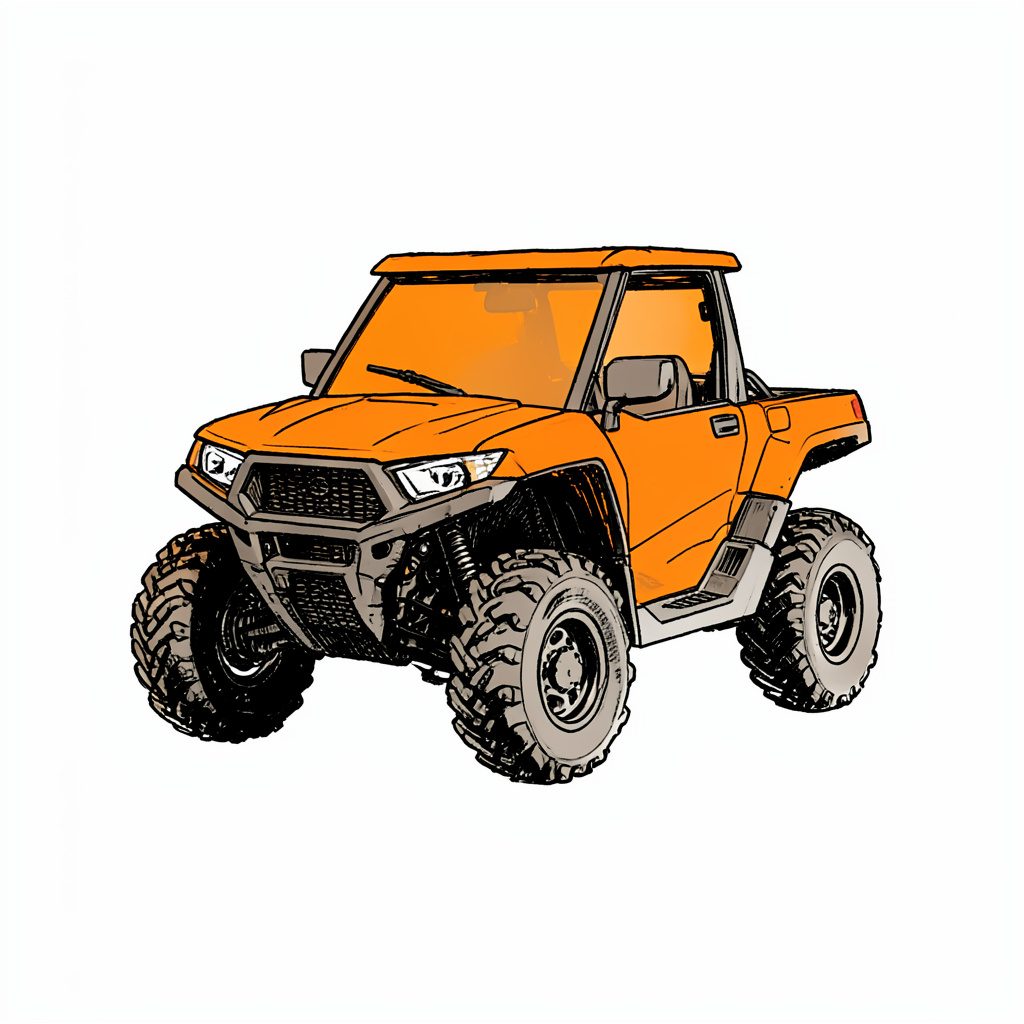
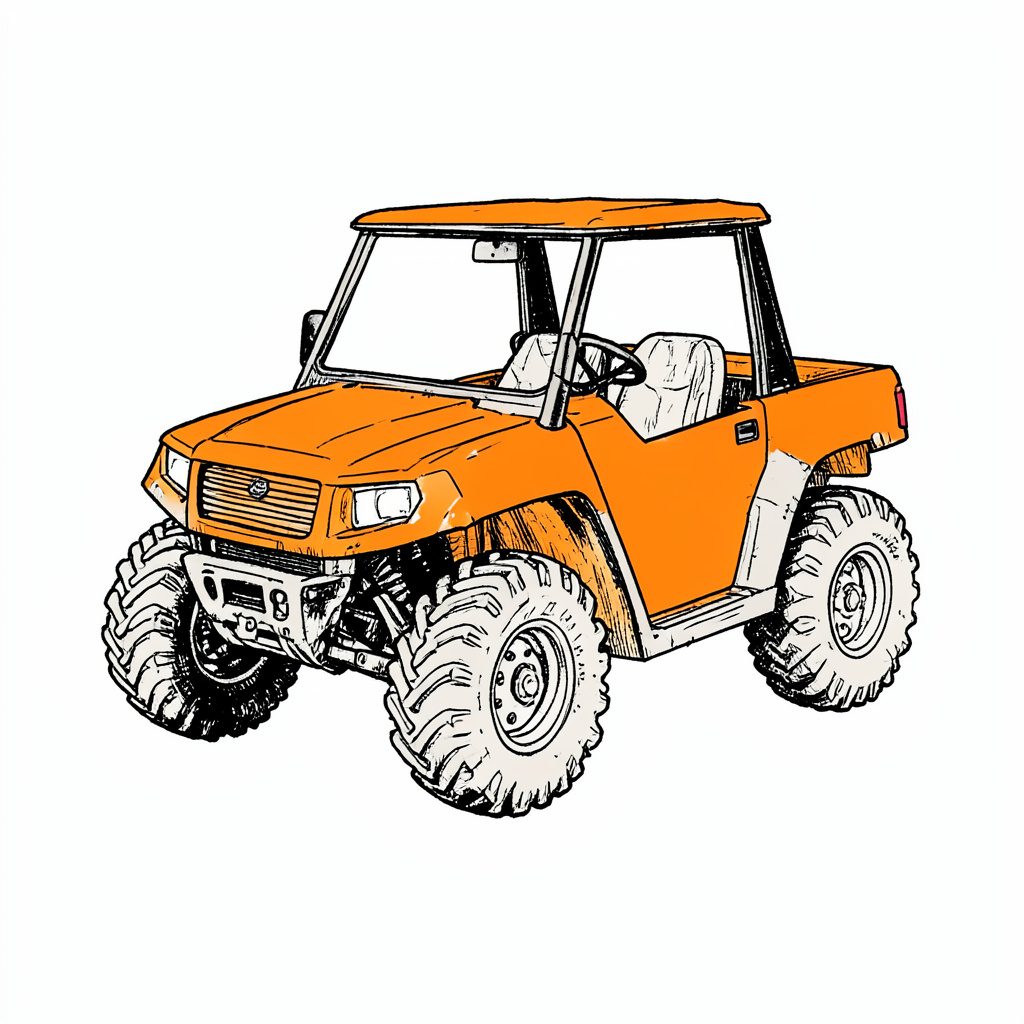
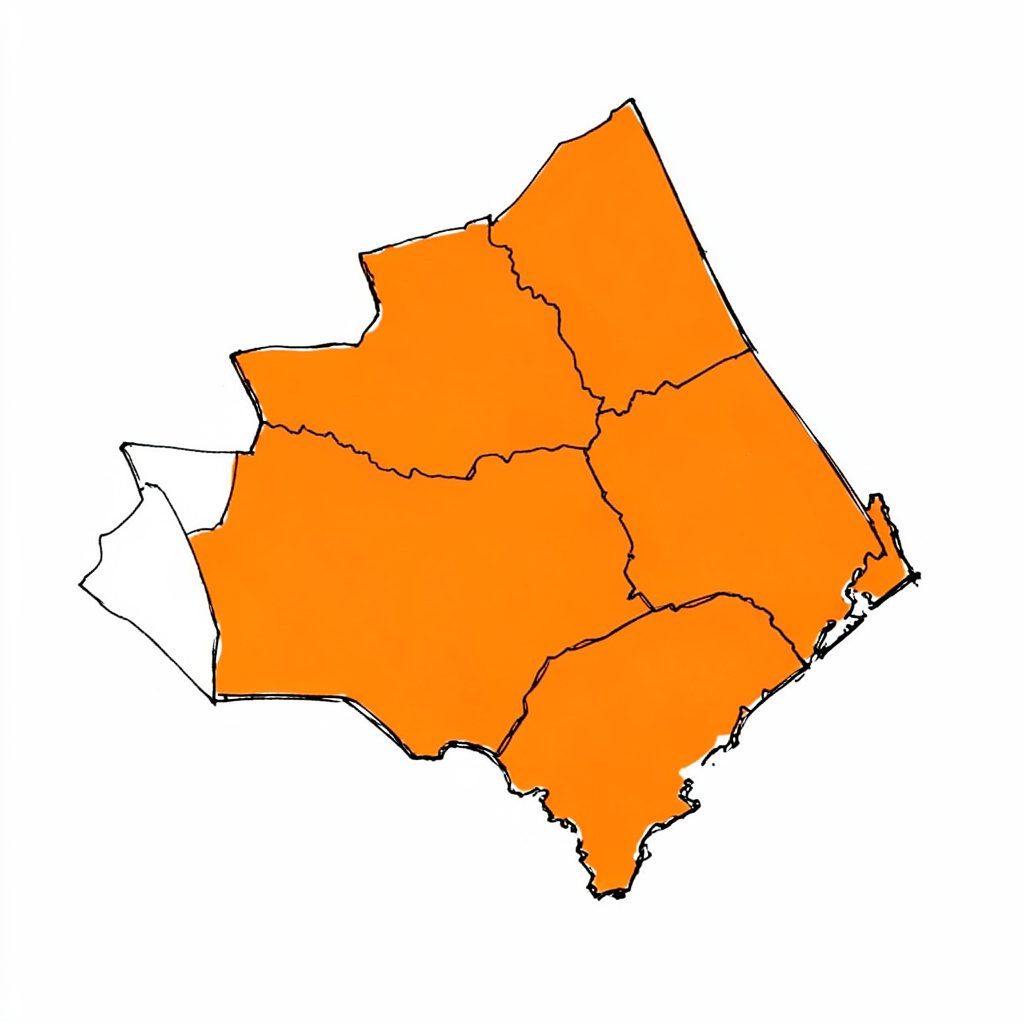
Tucked into pristine old Florida land in Flagler County, Florida Cracker Ranch is a family oriented outdoor adventure club where kids, parents and thrill seekers share the same trails, campsites and waterways.
Adventure Memberships available — families and singles welcome.
Reserve Your SpotWelcome to Florida Cracker Ranch
Often called Nature's Theme Park, our grounds invite families to ride ATV trails, splash through the swamp buggy area, pitch a tent, cast a line and explore old Florida hiking paths. Discover why members keep coming back season after season.
What You Can Do Here
ATV Trails
Marked routes for every skill level, including a peewee section.
Dirt Bikes
Dedicated dirt bike area built for two wheel adventure.
BMX & Mountain
Pedal powered BMX and mountain bike trails.
Swamp Buggy
Spacious swamp buggy area for big rig fans.
4x4 & Mud Trucks
Deep ruts and splash zones for 4x4s and mud trucks.
Skeet Range
Skeet shooting range in a controlled setting.
Camping
Membership campsites on a first come, first served basis.
Horse Trails
Scenic horse trails and riding paths.
An Old Florida Tradition
We honor the cracker way of life with old Florida outdoor living, traditional lodging, hiking and nature trails, plus fishing, swimming and beach access for members and their guests.
- Membership camping on a first come, first served basis
- Old Cracker Style Lodging cabins planned for overnight stays
- Old Florida hiking and nature trails
- Fishing, swimming and beach access
- Horse trails and riding


By the Numbers
Seasonal hunting lease policies at Florida Cracker Ranch
Florida Cracker Ranch handles hunting as a private, reservation-based activity rather than unrestricted access to open country. This guide explains the ranch’s seasonal hunting lease policies, including what permission covers, who may book it, how Florida law fits in and what visitors from Australia should settle before making a long-distance trip.
The current written lease and attached safety paperwork should be treated as the controlling documents. They should state the dates, permitted species, mapped hunting sectors, fees, cancellation terms and equipment conditions. An old social-media post, a general Florida hunting rule or a verbal assurance cannot replace those details.
What a hunting lease actually covers
A lease gives named hunters permission to enter designated ranch land for a fixed period and stated game. It may identify the permitted species, the usable access points, any assigned blind or stand, and whether a guide is included. It does not grant access to every part of the property or allow a guest to add hunters without approval.
State wildlife law still applies. Florida’s antlered-deer, wild-turkey, feral-hog and other game regulations can include season dates, bag limits, permit requirements and zone boundaries. A ranch lease may be narrower than the state season, so the permitted dates and species on the lease must be checked against the current Florida Wildlife and Conservation Commission rules.
The ranch’s old-frontier identity gives families an easy theme for conversation, and cartoon villain songs offer a light example of familiar folklore retold around a campfire. Such material can be a pleasant distraction, but it is not a substitute for the operational information in the lease packet.
Who may book and how fees work
Because Florida Cracker Ranch is a private outdoor adventure club, the booking route may involve an annual adventure membership, a campsite or guest arrangement, or a directly arranged hunt. The office should confirm which combination applies to each person. Age rules, photo identification, liability acknowledgements and any required supervision should be settled in advance rather than discovered at the gate. A general membership should not be treated as hunting permission unless the lease confirms it.
A written quote should separate the lease fee from membership, campsite or lodging charges, guide services, animal cleaning, administrative fees and taxes. It should also show the deposit, balance date, cancellation or credit terms and the consequences of bad weather, injury or a state regulation change. Hunters should not compare a bare lease price with a package that quietly includes other services.
Australian travellers commonly plan through major outdoor retailers such as BCF or Anaconda and expect gear lists in kilograms and distances in kilometres. That market habit should not be carried unexamined into a Florida booking: payments, public-hunting norms and ranch procedures are different. Flights from Sydney, Melbourne or Brisbane usually connect through Orlando before the drive north toward Flagler County, so any lease should be confirmed before non-refundable travel is locked in.
Seasons, licences and Florida requirements
Florida’s cooler hunting months generally overlap summer in Australia, while the Northern Hemisphere’s autumn and winter overlap Australia’s spring and summer. A hunter used to a June-to-August winter season cannot assume the same pattern at the ranch. Check the exact lease window, the relevant Florida zone and the species calendar for the intended year.
Florida hunting licences and any species-specific permits remain separate from the ranch’s permission. An Australian firearms licence, a state reciprocity arrangement or a guide’s credentials do not automatically satisfy Florida requirements for the hunter. Visitors should obtain the appropriate Florida entitlements and carry the required identification, then read the ranch’s additional restrictions, which may be stricter than state law.
Companions who do not hunt can still sample the ranch’s outdoor food tradition through the whole fish cooking guide. It adds a lawful, family-friendly reason to reserve a campsite or guest stay even when the lease itself covers only one part of the group.
Safety, equipment and ranch etiquette
Hunters should expect a check-in and safety briefing covering boundaries, emergency contacts, radio procedures, first aid, weather alerts and the locations of livestock, buildings and family attractions. Any ranch-specific high-visibility clothing, hearing protection, eye protection or daylight shooting rule should be recorded in the final instructions. Safety gear on the public-access list can still be insufficient for ranch conditions.
Australians are accustomed to tightly controlled firearms storage, including locked safes, cleared chambers and separated ammunition. Those habits are sensible, but travellers must not assume a familiar gun or ammunition can be brought into the United States. Personal firearms and ammunition are subject to strict export, import and transport laws, and many visitors must rent or borrow lawful equipment locally. The ranch should approve the planned firearm, calibre and optics before the hunt.
The property is shared space. Trail users, riders, anglers, campers and ranch staff may be working near hunting areas, so no shot should be taken towards a road, trail, animal enclosure or occupied building. Keep to assigned sectors, follow the agreed vehicle route and never move a gate, feed station or boundary marker. A quiet, deliberate visit protects people and wildlife as well as the lease holder’s reputation.
Access, weather and changing plans
Flagler County’s sandy trails and low-lying ground can become slippery after heavy rain. Ask whether ordinary four-wheel-drive access is available, whether a high-clearance vehicle is necessary and who decides when access is closed. Florida drives on the right and uses miles per hour, whereas Australians drive on the left and think in kilometres per hour; allow extra time near the ranch and avoid treating an unfamiliar intersection as a familiar one.
Heat, humidity, thunderstorms and sudden downpours can change both safety and access. The current forecast matters, yet forecast apps do not replace the ranch’s local judgement about lightning, standing water or trail damage. Build a realistic return window into the booking, identify a safe place to wait out a storm and agree on how a delayed start, early finish or full cancellation will be communicated.
Keeping an entertainment option for a delayed flight is sensible; the AFDah movie archive provides a screen-based fallback while transport and weather are reassessed. It is better to arrive with time to check in, collect maps and adjust the day’s plan than to arrive late at the gate expecting an immediate departure.
Companions and non-hunting activities
A hunting lease need not turn the whole visit into a hunt. Companions can use approved areas for fishing, swimming, hiking, horse riding, BMX, mountain biking, swamp-buggy rides, skeet shooting or campsite life, subject to the club’s age rules and daily access arrangements. The office should map which family attractions remain open and whether shared facilities need separate reservations.
For younger companions, the ranch’s BMX skills course provides structured preparation rather than sending a nervous rider straight to the largest jump. Similar planning applies to horseback rides and swamp-buggy excursions: reserve suitable activities, check protective equipment and keep children clear of operational areas.
Traditional Old Florida lodging and nature-based stays make it possible to combine a lease with a broader family holiday. Keep quiet hours, secure food against wildlife, supervise children around water and respect the separate check-in times for guests and hunters. A clear activity schedule reduces the chance that a companion wanders into a controlled hunt sector without knowing the boundary.
Booking checklist and practical takeaway
Before committing to a hunt, obtain the current written terms and compare them with personal plans. The following points cover the details most likely to cause a costly surprise:
- Exact lease dates, allowed species, bag limits and hunting sectors
- Named hunters, membership or guest status, age requirements and waivers
- Total price, deposit, balance, guide services and cleaning or retrieval fees
- Florida licence and permit responsibility, plus any required identification
- Firearm, ammunition, visibility and safety-equipment rules
- Vehicle access, cancellation terms, weather policy and animal or injury provisions
On arrival and during the lease, keep the agreed controls visible and simple rather than relying on memory:
- Sign in with the office and collect the current boundary map and emergency contacts
- Complete the safety briefing before unloading or preparing any hunting equipment
- Confirm the daily route, shooting times, closed areas and check-in procedure
- Carry water, first-aid supplies, required protective gear and a reliable charged phone
- Leave gates unchanged, retrieve all spent material and follow carcass or cleaning directions
The practical takeaway is that a valid hunt depends on three things matching: the dates and area authorised in the written lease, the hunter’s Florida legal status, and the ranch’s safety rules. Confirm those details in writing, keep the booking flexible around weather and treat shared-land etiquette as non-negotiable. A well-prepared arrival is the strongest route to a lawful, safe and enjoyable day at Florida Cracker Ranch.
Get in Touch
Send us a note about memberships, guest visits or directions. Phone 386-864-3856 or email floridacrackerranch@floridacrackerranch.com. Mailing address: P.O. Box 2993 Bunnell, Florida 32110.