Tucked into pristine old Florida land in Flagler County, Florida Cracker Ranch is a family oriented outdoor adventure club where kids, parents and thrill seekers share the same trails, campsites and waterways.
Adventure Memberships available — families and singles welcome.
Reserve Your SpotWelcome to Florida Cracker Ranch
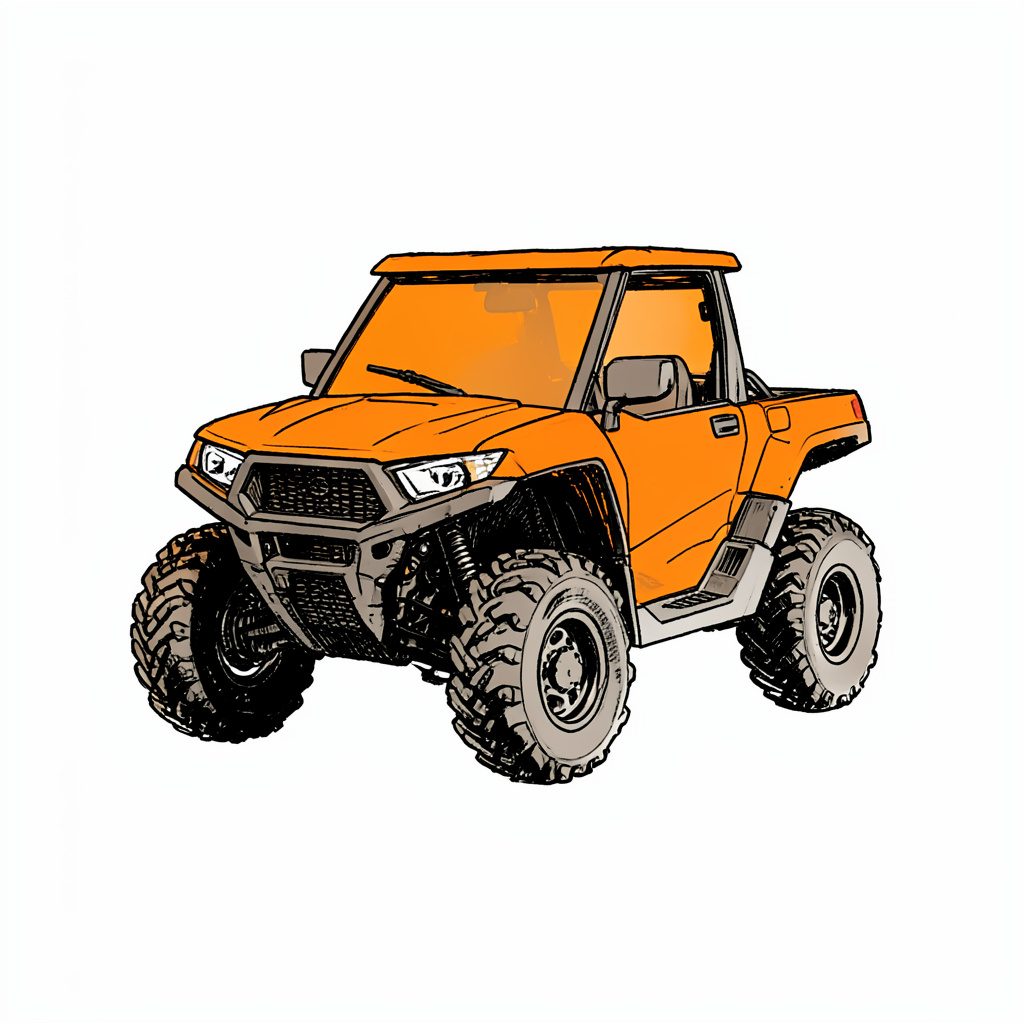
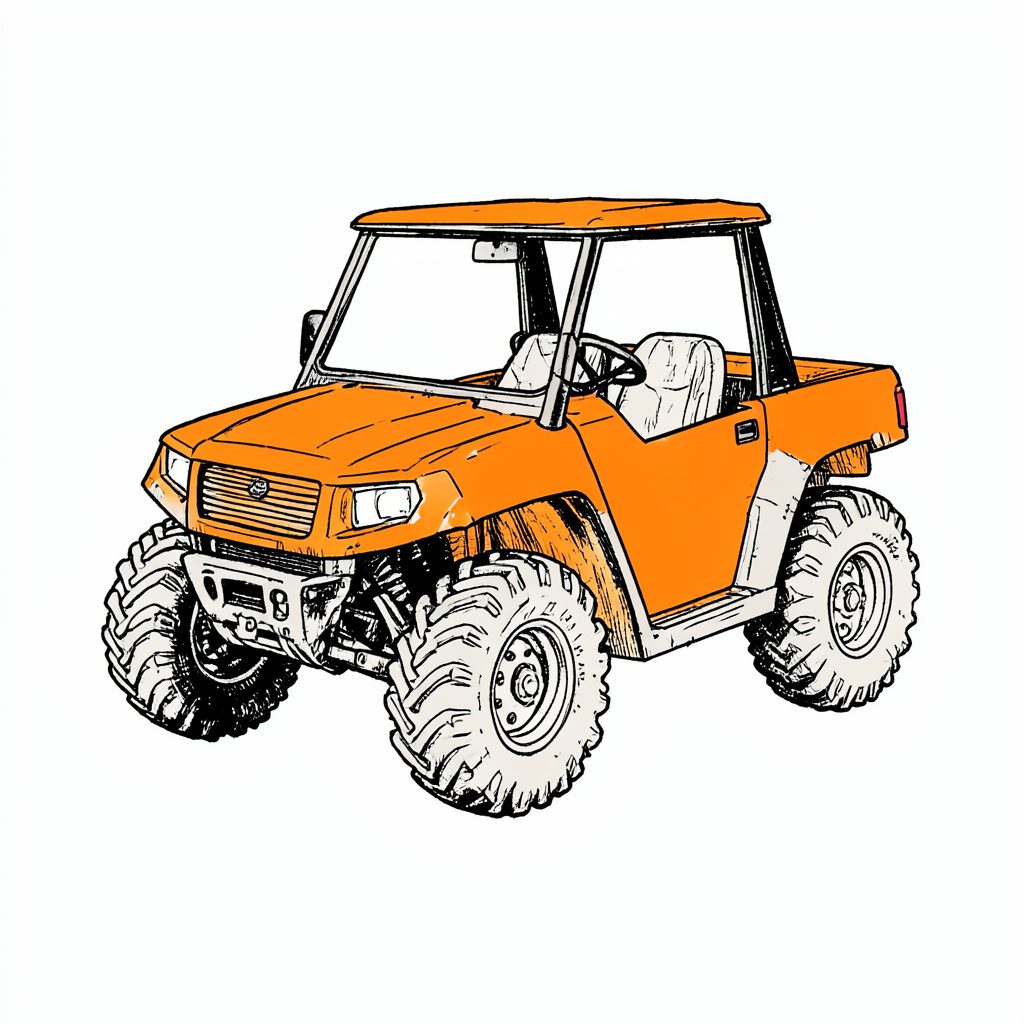
Often called Nature's Theme Park, our grounds invite families to ride ATV trails, splash through the swamp buggy area, pitch a tent, cast a line and explore old Florida hiking paths. Discover why members keep coming back season after season.
What You Can Do Here
ATV Trails
Marked routes for every skill level, including a peewee section.
Dirt Bikes
Dedicated dirt bike area built for two wheel adventure.
BMX & Mountain
Pedal powered BMX and mountain bike trails.
Swamp Buggy
Spacious swamp buggy area for big rig fans.
4x4 & Mud Trucks
Deep ruts and splash zones for 4x4s and mud trucks.
Skeet Range
Skeet shooting range in a controlled setting.
Camping
Membership campsites on a first come, first served basis.
Horse Trails
Scenic horse trails and riding paths.
An Old Florida Tradition
We honor the cracker way of life with old Florida outdoor living, traditional lodging, hiking and nature trails, plus fishing, swimming and beach access for members and their guests.
- Membership camping on a first come, first served basis
- Old Cracker Style Lodging cabins planned for overnight stays
- Old Florida hiking and nature trails
- Fishing, swimming and beach access
- Horse trails and riding
By the Numbers
How to cook a whole fish over an open fire
Australia is a country shaped by water and fire. From weekend escapes to the Murray in a tinny with an esky strapped down, to quick dawn sessions on the wharves of Cairns chasing barra, catching and cooking your own fish feels woven into the rhythm of daily life. The smell of a wood fire on a coastal headland, the sizzle of a freshly caught snapper, and the easy company of mates with a cold beer is the kind of memory families talk about for years.
Cooking a whole fish over an open fire is not just about throwing a fillet on the barbie. The real art comes from managing flame, smoke, and timing. Done well, a fish roasted over coals develops crisp, seasoned skin and tender, moist flesh that falls away from the bone. Done poorly, it burns on the outside while staying raw in the middle. The difference comes down to a few simple choices any beginner can master.
The good news is that Australian conditions suit this style of cooking. National parks from Wilsons Promontory to the bushland around Perth welcome campfire cooking in designated zones, and our fishing regulations keep the supply of fresh fish steady at boat ramps and seafood markets. The same outdoor mindset applies whether you are cooking a whole fish over an open fire in the Aussie bush or enjoying a guided outing at floridacrackerranch.com, where open-fire cooking sits alongside trail rides and ATV adventures.
Picking the right fish and gear
The first decision happens long before the fire is lit. Smaller whole fish between 600 grams and 1.2 kilograms cook the most evenly over an open flame. In Australian waters, popular choices include yellowtail kingfish off Sydney, flathead from the estuaries around Brisbane, and bream from the lakes near Adelaide. Trout from the streams of Tasmania and Victoria's high country is a fine option for inland campers. Barramundi is the prize catch in the Top End, but its thick body needs careful heat management.
When selecting a fish at the local seafood market, look for clear eyes, bright red gills, and firm flesh that springs back when pressed. A whole snapper or a couple of medium flathead are perfect for beginners. Avoid very oily species for first attempts, as dripping fat causes flare-ups that char the skin. If you are buying from a fishmonger at the Sydney Fish Market or the trawlers at Fremantle, ask them to gut and scale the fish, but leave the head and tail intact.
You will also need a few tools. Long tongs for turning the fish, a wire grill basket if you have one, heavy-duty foil, and a reliable instant-read thermometer take most of the stress out of cooking. A spray bottle of water nearby helps tame flare-ups, and a flat rock or metal grate placed over the coals gives the steady indirect warmth a whole fish needs.
Building a fire that cooks rather than burns
The biggest mistake beginners make is building a roaring bonfire and trying to cook over it. Whole fish need steady radiant heat, not leaping flames. Aim for a bed of glowing embers about twenty minutes after the wood catches. Hardwood burns clean and long in Australia. River red gum from the inland, ironbark from Queensland, and dry box logs from local firewood suppliers all work well. Avoid treated pine, which throws off chemicals and taints the food, and never collect wood from national parks where collection is banned.
Build the fire on a flat patch of ground or in a fire ring, then let it collapse into coals. Hold your hand above the coals at cooking height. If you have to pull it away after two seconds, the heat is too fierce. If you can hold it there for five or six seconds, the temperature is in the sweet spot for slow, even cooking. Rake the coals into a low mound and rest a green-stick frame or a metal grate over them. Wind direction matters just as much as fuel choice. Position the fire so the prevailing breeze pushes smoke away from where you stand. In coastal camps around the Mornington Peninsula or along the Great Ocean Road, a light onshore breeze is common in the late afternoon and can change cooking times by several minutes.
Keep a bucket of water and a shovel within reach, especially in bushfire-prone regions where total fire bans can be declared overnight. Fire regulations differ between states: South Australia often allows solid fuel fires in designated campgrounds, while parts of New South Wales restrict them during summer. A simple tip many seasoned fire-cooks use is to lay a sheet of foil on the ground near the fire pit so the cooked fish can be set aside without dirtying a plate.
Prepping the fish for the coals
Once the fire is settling into coals, focus on the fish. Rinse the cavity under cold water and pat it dry, inside and out. Moisture is the enemy of crisp skin, so spend a few minutes getting the surface as dry as possible. Score the skin with three shallow diagonal cuts on each side, cutting just through the skin into the flesh. This lets heat penetrate evenly and stops the skin from tightening and buckling as it cooks.
A simple seasoning suits Australian palates. Coarse sea salt, freshly cracked black pepper, and a few slices of lemon tucked into the cavity are classic. For something more local, try native lemon myrtle, ground mountain pepperleaf, or a sprig of fresh dill if you have it growing wild. A drizzle of olive oil brushed over the skin helps it crisp and keeps the fish moist. Some cooks push a few sprigs of rosemary or thyme into the cavity for aroma.
Stuffing is optional but rewarding. A few slices of fennel, a handful of flat-leaf parsley, and a couple of garlic cloves work beautifully with snapper. Avoid heavy, wet stuffings that will not cook through in the time the flesh takes to flake. If you are camping away from running water, pack a small basin and biodegradable soap, and remember the Leave No Trace principles that Australian national parks encourage. Watching a few campfire cooking clips before your trip can also help you visualise the process and pick up handy tricks from experienced fire cooks.
Cooking, turning, and knowing when it is done
Place the fish on the grate or in a basket over the coals. The general rule is around eight to ten minutes per side for a fish weighing about one kilogram, depending on the heat. Resist the urge to flip it early. Let the skin blister and release naturally before turning. If it sticks, the heat is usually still too high or the fish is not ready to turn.
A reliable way to test for doneness without cutting the fish open is to press the thickest part of the back near the head with a fork. The flesh should feel firm but still give slightly, and the dorsal fin should pull out cleanly. An instant-read thermometer pushed into the thickest part reads 55 to 60 degrees Celsius for a moist result. Anything above 65 degrees and the fish will start to dry out and lose the delicate texture that makes campfire cooking special.
If flare-ups happen, simply move the fish to the edge of the heat or mist the flames with water from your spray bottle. A thin piece of foil tented loosely over the top can also stop the skin from charring while the inside finishes. For a smoky flavour, throw a few green sprigs of native wattle or a handful of sawdust from a fruitwood tree onto the coals just before serving. Many campers enjoy streaming outdoor adventure content on a phone in a waterproof case while the fish cooks, though traditionalists prefer the simple pleasure of the fire and a cold drink.
Serving the catch with simple camp sides
Once the fish is off the heat, let it rest on a board for a few minutes. The flesh will firm up slightly and the juices will redistribute. A squeeze of lemon, a drizzle of good olive oil, and a sprinkle of flaky salt are usually all that is needed. For sides, keep things simple. A green salad with cucumber and avocado, some crusty bread toasted on the rim of the grill, or a bowl of steamed rice cooked in a camp pot all pair beautifully.
In warmer parts of Australia, a crunchy slaw with shredded cabbage, carrot, and a creamy dressing helps cut through the richness. If you are camping inland near the Murray River, grilled corn on the cob and a pot of beans round out the meal. For drinks, a crisp local riesling, a cold ale, or sparkling water with slices of cucumber suits the casual setting.
Field-tested tips for better campfire fish
- Oil the grill or basket lightly before placing the fish to prevent sticking and tearing.
- Score the skin in evenly spaced cuts to help the heat move evenly through the flesh.
- Build the fire early so you are cooking over a steady bed of coals, not active flames.
- Keep a spray bottle of water within reach to tame unexpected flare-ups.
- Use an instant-read thermometer to pull the fish off the heat at the perfect moment.
- Choose hardwoods and avoid treated timber, which ruins the flavour and releases harmful smoke.
- Check current fishing regulations for your state before you head out, including bag limits, size limits, and any seasonal closures.
The cleanest path from campfire to plate starts the night before you leave home. Pack your grill basket, scale the fish at the ramp or market, and have your seasonings measured into a small container so everything is ready the moment the coals turn grey. If you want to put the new campfire confidence into practice alongside other outdoor skills, a guided horseback trail ride is a great way to round out the same weekend.
Get in Touch
Send us a note about memberships, guest visits or directions. Phone 386-864-3856 or email floridacrackerranch@floridacrackerranch.com. Mailing address: P.O. Box 2993 Bunnell, Florida 32110.