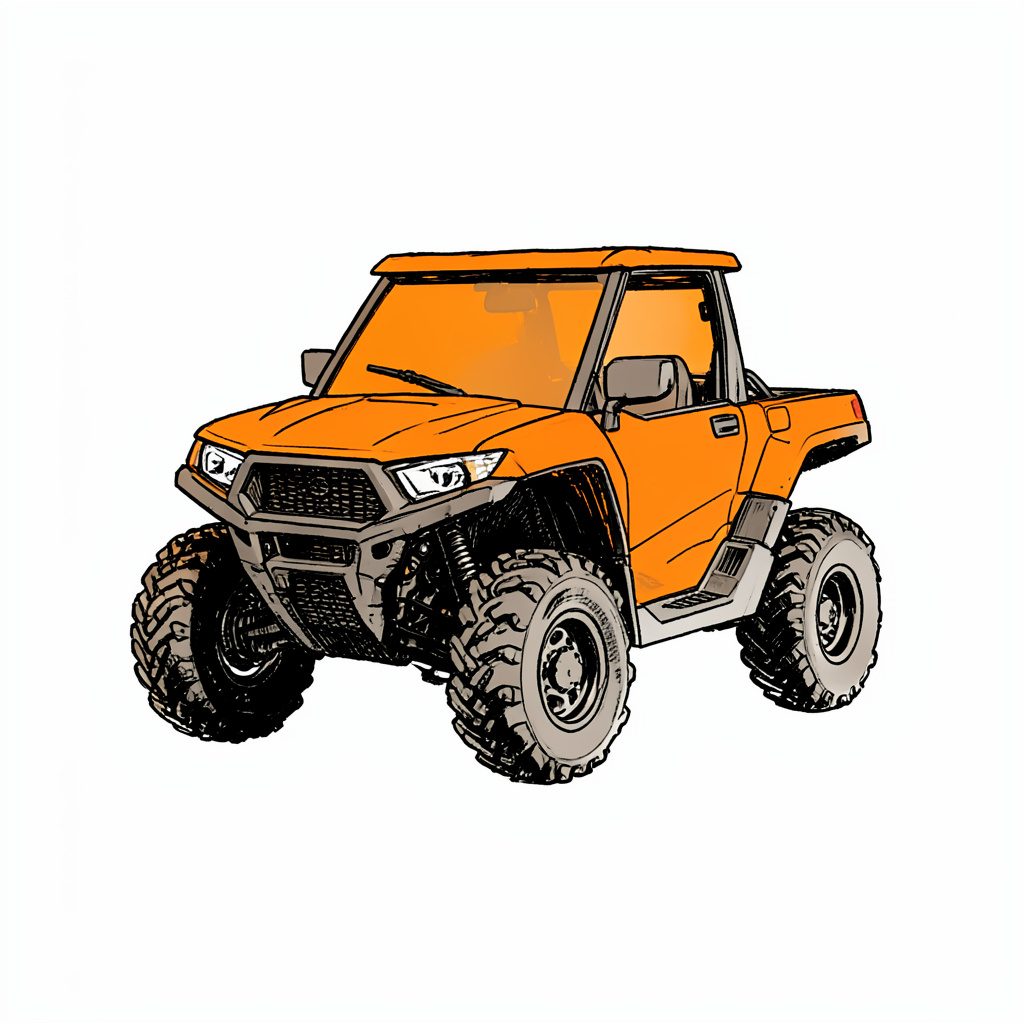
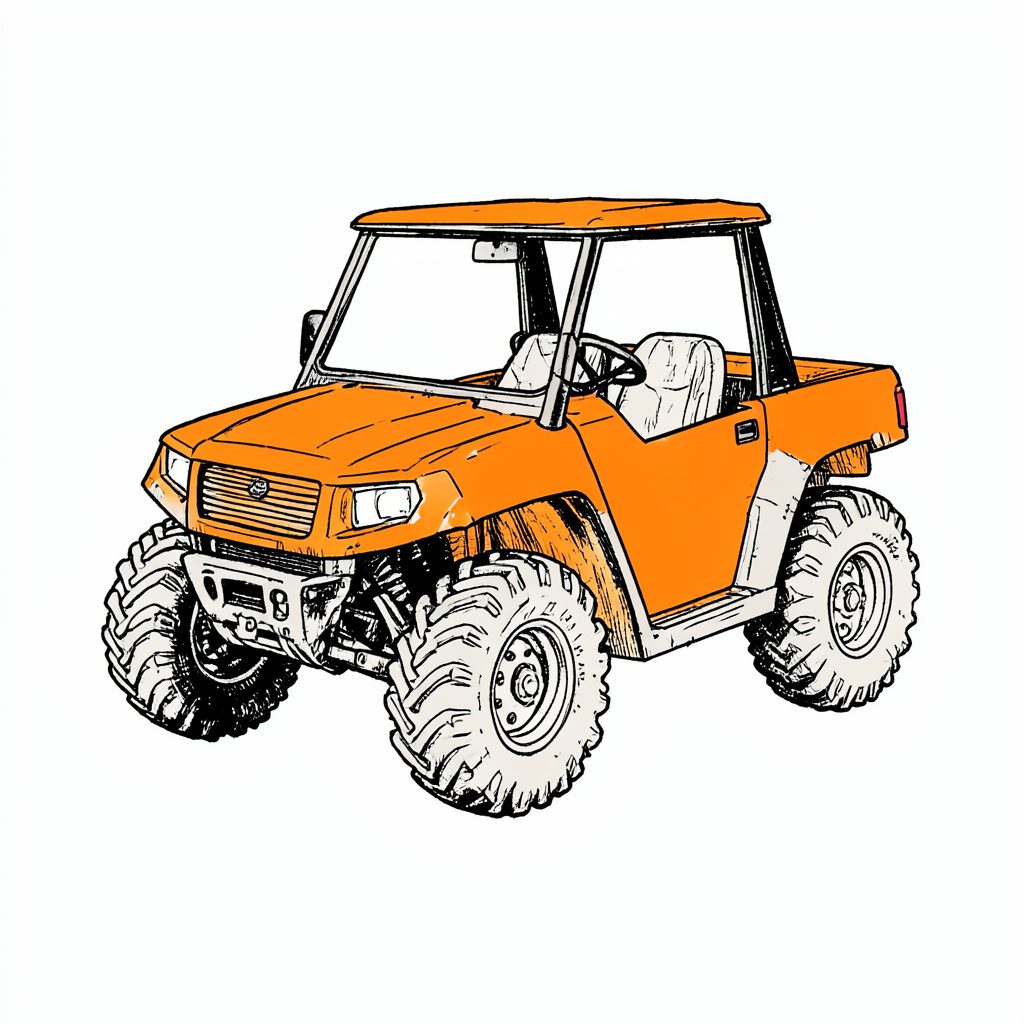
Tucked into pristine old Florida land in Flagler County, Florida Cracker Ranch is a family oriented outdoor adventure club where kids, parents and thrill seekers share the same trails, campsites and waterways.
Adventure Memberships available — families and singles welcome.
Reserve Your SpotWelcome to Florida Cracker Ranch
Often called Nature's Theme Park, our grounds invite families to ride ATV trails, splash through the swamp buggy area, pitch a tent, cast a line and explore old Florida hiking paths. Discover why members keep coming back season after season.
What You Can Do Here
ATV Trails
Marked routes for every skill level, including a peewee section.
Dirt Bikes
Dedicated dirt bike area built for two wheel adventure.
BMX & Mountain
Pedal powered BMX and mountain bike trails.
Swamp Buggy
Spacious swamp buggy area for big rig fans.
4x4 & Mud Trucks
Deep ruts and splash zones for 4x4s and mud trucks.
Skeet Range
Skeet shooting range in a controlled setting.
Camping
Membership campsites on a first come, first served basis.
Horse Trails
Scenic horse trails and riding paths.
An Old Florida Tradition
We honor the cracker way of life with old Florida outdoor living, traditional lodging, hiking and nature trails, plus fishing, swimming and beach access for members and their guests.
- Membership camping on a first come, first served basis
- Old Cracker Style Lodging cabins planned for overnight stays
- Old Florida hiking and nature trails
- Fishing, swimming and beach access
- Horse trails and riding

By the Numbers
Building Confidence on BMX Jumps
The first time you send yourself off a BMX lip with proper speed beneath your tyres, a strange calm settles in. Heart rate spikes, grip tightens, and the world narrows to the takeoff ahead. Riders from Penrith to Perth describe the same sensation, that suspended half-second when commitment replaces doubt. Confidence on jumps is not a personality trait reserved for fearless teenagers. It is a craft, built from repetition, smart progression and an honest relationship with fear. Whether you ride street lines around Brisbane, hit pump tracks in outer Melbourne, or practise on dirt rollers in the Adelaide Hills, the path to clean air follows similar steps.
Australian BMX culture has always rewarded riders who treat progression as a lifestyle. The country's strong racing pedigree, from Logan in Queensland to the Western Australian circuit, was forged on community-built tracks where riders learned together. That culture translates well to a recreational skills course, where the goal is not podium finishes but personal breakthroughs. Building confidence on jumps means breaking the trick into digestible layers, mastering each one before stacking the next. At a purpose-built facility like https://floridacrackerranch.com/adventures, the layout usually lets you dial in one feature at a time, exactly what an Aussie rider needs when the winter arvo light starts to fade.
Most riders who struggle with jumps do not lack talent. They lack a framework. Jumping is technical, but the technical part is learnable. The mental block that keeps you braking too early or pulling up mid-air is also learnable, with the right kind of deliberate practice. This article walks through the mechanics, body position, mental rehearsal and progression habits that turn shaky first attempts into repeatable, controlled flight. Think of it as a coaching session you can take to any set of dirt rollers, whether you are riding in a Bundaberg backyard, a Cairns bike park, or the wide-open trails of the ranch.
Understanding Jump Mechanics
Before any rider launches, the jump itself needs to be read. A well-shaped tabletop or gap jump is forgiving because the takeoff, landing and transition work together. The lip should rise smoothly, the landing should match the takeoff angle, and the gap should sit low enough to clear at moderate speed. Reading the lip before rolling in lets you spot any quirks: a soft edge, a squared-off transition, or a subtle change in grade. Riders who skip this read often blame themselves when the bike behaves unpredictably.
Speed is the great equaliser. Too slow and the front end dips below the lip, sending you nose-first into the dirt. Too fast and you overshoot the landing, putting extra stress on the knees and forks. The sweet spot depends on the jump size, your weight and the surface conditions. After a heavy overnight rain, a loamy takeoff in Ballarat can feel like launching off a marshmallow, so extra speed is needed. On a baked summer morning in Townsville, a packed clay lip can be whipped with much less velocity. Make a few test rolls, observe how the bike leaves the ramp, and adjust before committing to a full send.
The other key mechanic is the pop. On a BMX, the pop comes from a sharp downward push through the pedals as the front wheel crests the lip, combined with a slight lift from the arms. This sharpens the trajectory and gives the bike a flatter arc through the air. Without pop, every jump feels like a ramp launch with no control over the flight. Practising the pop on flat ground, jumping up onto a kerb or low box, builds the muscle memory that pays off on the course.
Starting Small: Tabletop Confidence
Tabletops are the friend of every rider learning to jump. The landing sits at the same level as the takeoff, so the consequence of a poor execution is far lower than on a gap or step-up. For Australian beginners who mostly ride after school or on weekend breaks, a tabletop is the right starting feature. Treat it as a sandbox for refining technique rather than a small jump to dismiss quickly.
A useful first drill is the roll-in. Roll up to the lip with controlled speed, let the front wheel rise naturally off the transition, and absorb the landing with bent elbows and knees. Do this several times without trying to get any air. The aim is to feel the shape of the jump, the way the bike tracks through the air, and how the suspension or your own body settles into the landing. Once the roll-in feels automatic, add a small bunny hop off the lip. The bike will leave the ground more deliberately and the landing will become softer.
From there, build the following sequence over multiple sessions:
- Roll-in at walking pace, no pop
- Roll-in at jogging pace, no pop
- Roll-in with a small manual off the lip
- Roll-in with a controlled pop, both wheels leaving together
- Roll-in with full pop, drawing the bike up beneath you
Patience matters here. Many riders want to skip to step five within a single session and end up over-jumping the tabletop, landing awkwardly on the downside. Spreading the drills over a long weekend or several arvos is far more effective than one exhausting burst.
Mastering Body Position and Balance
Body position controls everything in the air. Riders who look stiff usually are stiff, and stiffness robs the bike of the freedom it needs to track straight. The stance should be centred over the bike, knees bent, elbows out and eyes forward. On takeoff, the chest leads slightly over the bars, weighting the front wheel into the lip. Mid-flight, the body stays neutral, neither ahead nor behind the seat. On landing, the hips drop back and the knees compress to absorb impact.
Bars, pedals and weight distribution all matter. The cranks should be level as the bike leaves the lip, because a tilted pedal can catch on the takeoff and twist the bike sideways. Weight should sit centred through the feet, with the bars held firmly but not death-gripped. Many Australian riders coming from a mountain bike background tend to lean back too early, anticipating the landing. Counter that by keeping the chest low and looking where you want to go, well past the landing transition. The bike will follow the eyes.
Balance drills before jumping pay huge dividends. Practice standing on the pegs for a few seconds while rolling across flat ground, then hopping off curbs while staying centred. Track stands at the trailhead, balancing on the bike without putting a foot down, sharpen the small adjustments needed in mid-air. These habits become automatic when the wheels leave the ground, leaving mental bandwidth to focus on trajectory rather than staying upright.
Mental Preparation and Visualization
Confidence is built long before the rider reaches the lip. Visualisation is one of the oldest tools in sport psychology and it works beautifully for BMX. Sitting quietly on a milk crate at the trailhead, picture the jump in detail. See the colour of the dirt, the angle of the takeoff, the line the eyes will take through the air. Imagine rolling in with relaxed shoulders, popping at the right moment and landing smoothly. Run the picture three or four times before a single pedal stroke.
Helpful mental cues to rehearse before each jump:
- Eyes up, looking past the landing
- Smooth legs, absorbing like a shock absorber
- Push down on the takeoff, pull up on the bars
- Stay centred, stay calm
- Commit fully, no second-guessing mid-air
Riders who train their minds as well as their bodies recover from bails faster. After a sketchy landing or a near-miss, the temptation is to take a long break or pack up for the day. A better approach is to walk the jump, reset, and roll in again at a lower speed. Treating fear as information rather than failure keeps the learning loop open. Many Aussie riders find that a quick chat at the ute, a swig of water and a laugh with mates resets the nervous system better than any solo pep talk. On rainy arvos when the track closes, keeping the mind engaged with related interests helps. Watching award-winning features, for example, can stay in the loop using a guide on how to find award-winning festival titles online for film recommendations.
Progressive Step-Up Training
Once tabletops feel routine, step-ups introduce the next layer of challenge. A step-up launches the rider onto a higher landing pad, requiring more speed, more pop, and more commitment. The first time on a step-up, scout it from the side. Note the height difference, the width of the gap and the steepness of the landing. Walk the takeoff and landing on foot if possible. The visual memory becomes a reference point once the bike is underneath the rider.
Begin by doubling the speed of the tabletop run and rolling straight through without trying to jump. This familiarises the body with the perceived speed without the commitment. Then return to the pop drill, this time with the bigger feature. Expect the bike to land further down the tranny. Bend the knees deeply and let the bike sink in. Step-ups reward riders who stay low. Standing up too tall on landing is the most common mistake, leading to harsh impacts and rear-wheel kick.
A training camp setting, similar to the family-oriented experiences described on https://floridacrackerranch.com/old-florida-adventures, makes step-up progression easier because riders can spend a full day repeating the same feature. The body learns through volume, and volume is easier to accumulate when the course stays set up and the weather holds. Plan a long weekend around the feature rather than squeezing in a rushed afternoon, and bring spares for the inevitable flat tyre or stretched cable.
Recovering from Setbacks and Building Resilience
Every rider crashes. The difference between a rider who improves and one who stalls is the response to those crashes. A bent lever, a bruised hip or a shaken ego are all signals to slow the progression, not stop it entirely. Ice the bruise, straighten the bar and return the next day. The skills gained before the crash are still in the body, and the recovery itself becomes part of the story that builds true confidence.
Logging each session helps. A simple note on a phone, jotting down which jumps were cleared, which felt sketchy and what the conditions were, creates a record of progress. Over a month, the trend line becomes obvious. The jumps that once seemed intimidating now sit comfortably in the warm-up rotation. That visible progress is its own motivator, especially through the cooler months when motivation dips and the couch calls louder.
For riders who organise group rides or family events around the course, smooth logistics make the day far more enjoyable. Reviewing details like catering contracts for outdoor gatherings ahead of time keeps food, water and timing sorted so the focus stays on the riding and on the kids bombing down the trails.
The trail back to confidence is rarely a straight line. Some days the pop feels electric and every tabletop clears with room to spare. Other days the bike feels foreign and the smallest roller feels like a monster. Both are normal. The riders who keep progressing treat those off-days as data, adjust the plan, and roll back in. Confidence on jumps is built one session, one rep and one breath at a time. Trust the process, respect the dirt, and remember the kid who first threw a leg over a BMX and rolled towards the first little ramp. That sense of wide-eyed possibility is worth protecting.
Get in Touch
Send us a note about memberships, guest visits or directions. Phone 386-864-3856 or email floridacrackerranch@floridacrackerranch.com. Mailing address: P.O. Box 2993 Bunnell, Florida 32110.