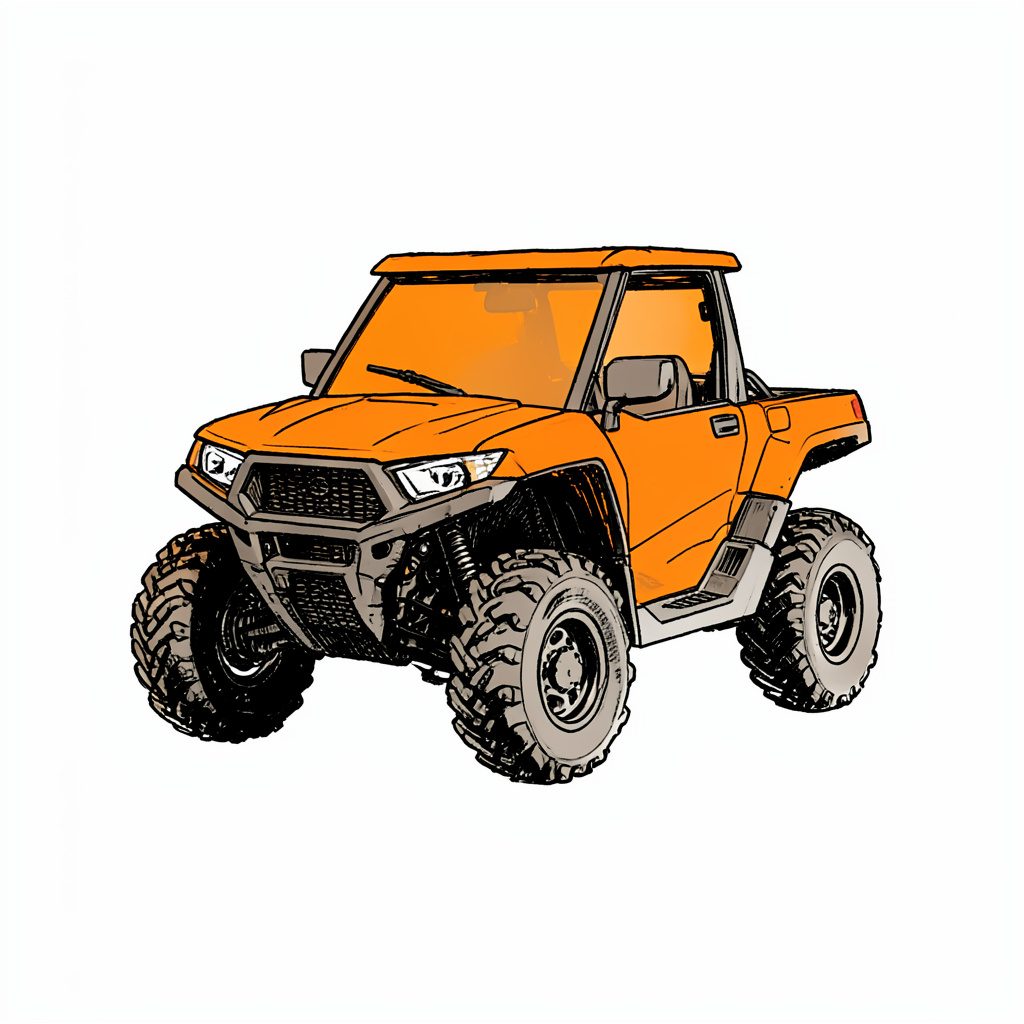
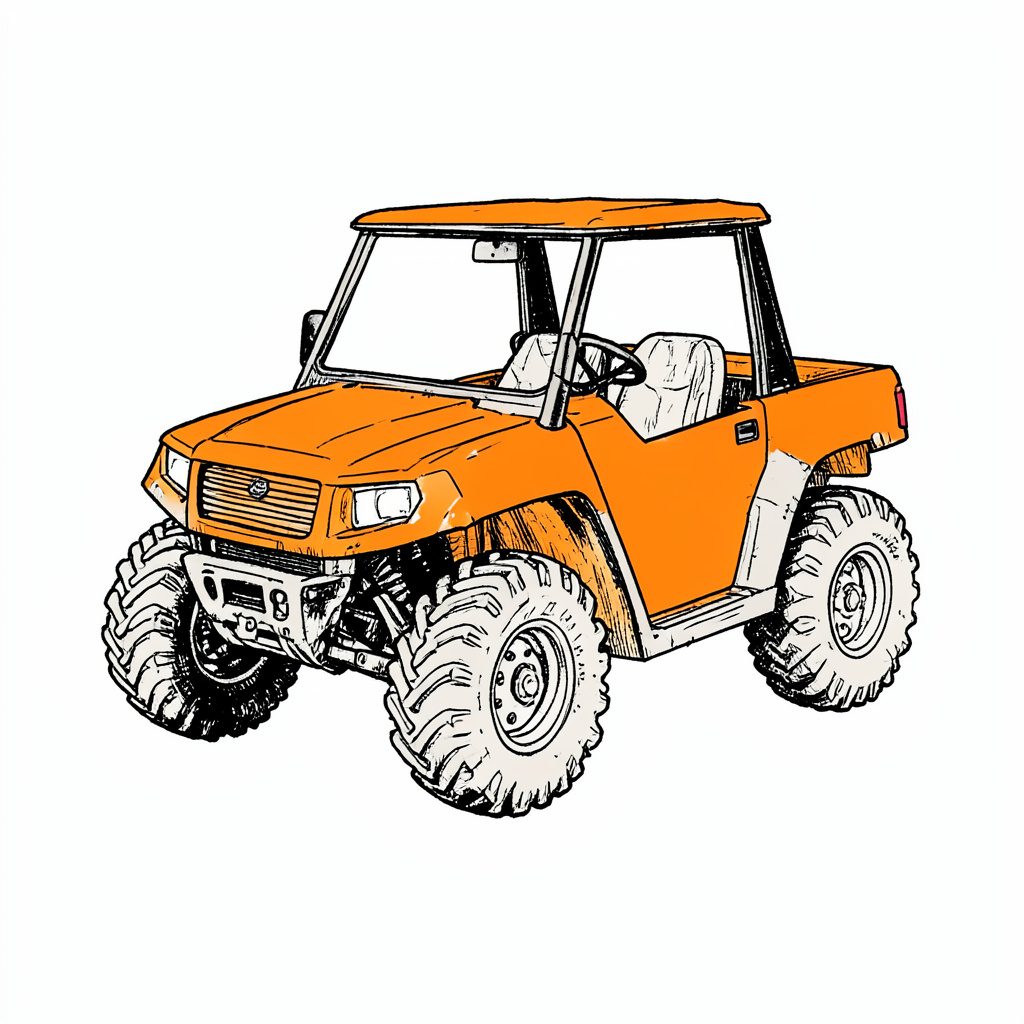
Tucked into pristine old Florida land in Flagler County, Florida Cracker Ranch is a family oriented outdoor adventure club where kids, parents and thrill seekers share the same trails, campsites and waterways.
Adventure Memberships available — families and singles welcome.
Reserve Your SpotWelcome to Florida Cracker Ranch
Often called Nature's Theme Park, our grounds invite families to ride ATV trails, splash through the swamp buggy area, pitch a tent, cast a line and explore old Florida hiking paths. Discover why members keep coming back season after season.
What You Can Do Here
ATV Trails
Marked routes for every skill level, including a peewee section.
Dirt Bikes
Dedicated dirt bike area built for two wheel adventure.
BMX & Mountain
Pedal powered BMX and mountain bike trails.
Swamp Buggy
Spacious swamp buggy area for big rig fans.
4x4 & Mud Trucks
Deep ruts and splash zones for 4x4s and mud trucks.
Skeet Range
Skeet shooting range in a controlled setting.
Camping
Membership campsites on a first come, first served basis.
Horse Trails
Scenic horse trails and riding paths.
An Old Florida Tradition
We honor the cracker way of life with old Florida outdoor living, traditional lodging, hiking and nature trails, plus fishing, swimming and beach access for members and their guests.
- Membership camping on a first come, first served basis
- Old Cracker Style Lodging cabins planned for overnight stays
- Old Florida hiking and nature trails
- Fishing, swimming and beach access
- Horse trails and riding
By the Numbers
A Practical Guide to Camping at Florida Cracker Ranch
Camping at Florida Cracker Ranch offers a choice between simple outdoor living, suspended sleeping under the trees, and the comfort of a mobile base. For Australian visitors, the right setup depends on how you plan to spend your days: riding trails, fishing, swimming, exploring on foot, or relaxing around camp after a full schedule of family activities.
The ranch combines Old Florida character with space for outdoor adventures in Flagler County. A tent can bring you close to the landscape, a hammock suits light travellers and warm nights, while an RV or caravan-style setup provides the easiest option for families carrying bulky equipment. Each has advantages, but the best choice comes from matching shelter, weather protection and daily routines to your group.
Start With The Kind Of Stay You Want
Tent camping is the most versatile option for visitors who want a traditional bush-camp feeling. A quality family tent gives you room for bedding, bags and changing clothes, while a smaller two-person model works well for couples or solo travellers. It also creates a useful base for guests spending the day on ATVs, dirt bikes, BMX tracks or mountain bikes.
A hammock creates a lighter, more minimalist experience. It suits people who are comfortable sleeping close to nature and travelling with limited luggage, although it requires suitable trees, reliable suspension straps and a weather cover. It is less practical for young children, older campers or anyone who prefers a firm, level floor.
An RV offers the greatest convenience, particularly for longer stays or mixed-age groups. Sleeping, cooking and storing equipment can happen in one place, and a powered site may reduce the need to carry separate camp furniture and kitchen equipment. Australian visitors accustomed to caravan holidays around the Gold Coast, Adelaide Hills or regional Victoria may find this arrangement familiar.
Tent Camping For Flexible Family Adventures
A tent is usually the easiest shelter to adapt to a ranch holiday. Choose a model with a full-length rainfly, strong ventilation and a vestibule for muddy boots or riding gear. A high-sided floor helps keep water out during showers, while mesh panels allow airflow when Florida nights feel warm and humid.
Families should consider internal space rather than relying on the advertised sleeping capacity. A four-person tent is more comfortable for two adults and children once bags, bedding and clothing are inside. Bring a groundsheet that sits beneath the tent without extending beyond its edges, as exposed material can collect rainwater and direct it underneath.
The campsite should be positioned on high, well-drained ground, away from low dips where water may gather. Keep food, toiletries and rubbish sealed, and avoid leaving snacks in the sleeping area. Mosquitoes, ants and other insects are part of the Florida environment, so repellent, long lightweight clothing and a screened shelter can make evenings more pleasant.
Before setting out, families can review these family camping safety tips for practical guidance on supervision, campfires, vehicles and changing outdoor conditions.
When A Hammock Makes Sense
A hammock is appealing for experienced campers who value a compact kit. It packs into a small bag, keeps you above damp ground and can be comfortable in warm weather. A breathable fabric model with an integrated bug net is more suitable for Florida than a basic backyard hammock, especially when mosquitoes are active around dusk.
Weather protection is essential. A rain tarp should extend beyond both ends of the hammock and be pitched with enough slope to shed water. Under-quilts or insulated sleeping layers may be needed because air moving beneath you can create a cold spot, even during a mild night. A sleeping bag alone may not provide enough insulation from below.
Tree selection matters as much as equipment. Use wide, healthy trees and proper tree-friendly straps rather than thin cord that can damage bark. Never attach a hammock to dead branches, structures or trees near vehicle routes. If no safe anchor points are available, a tent is the better choice.
For Australian travellers, a hammock may feel similar to a lightweight setup used on warm-weather trips through northern Queensland, but Florida humidity and sudden rain require extra attention to airflow and waterproofing. It is a specialist option rather than a universal replacement for a tent.
Why An RV Suits Longer Stays
An RV is valuable when comfort, storage and convenience rank highly. It gives families a protected place to sleep after a day of trail riding or swimming, and it can simplify meal preparation. Refrigeration, built-in lighting and secure storage are particularly useful for visitors carrying helmets, riding boots, fishing equipment or children’s supplies.
Before booking, confirm the site’s dimensions, power arrangements, water access and waste facilities. A large vehicle may be harder to position than expected, especially on an unfamiliar property. Ask about arrival procedures, access roads and whether awnings, generators or outdoor cooking equipment are permitted.
Australians who usually hire a motorhome between Sydney and Brisbane should remember that American RVs can be wider and longer than many locally familiar campervans. Driving on the right-hand side, understanding insurance conditions and allowing extra room when turning are important. A GPS designed for larger vehicles is preferable to relying on a standard phone route.
An RV can also serve as a base while the rest of the group explores. Children might return for a midday rest, while adults organise fishing tackle or prepare an evening meal. That convenience often justifies the higher cost for multi-night visits or holidays involving several generations.
Pack For Heat, Rain And Activity
Florida conditions can shift quickly, so every camping style needs a waterproof layer and a dry change of clothes. Pack breathable shirts, wide-brimmed hats, sturdy closed-toe shoes and sandals for swimming areas. A compact towel, refillable water bottle and high-SPF sunscreen should stay accessible rather than buried in a vehicle.
Ranch activities create specific packing needs. Helmets and protective clothing are essential for motorised and cycling activities, while long trousers and durable footwear help on trails and around horses. Bring a headlamp for each camper, spare batteries, a first-aid kit and waterproof bags for phones and documents.
Families planning to try skeet shooting should check age rules, supervision requirements and equipment arrangements before arriving. The ranch’s guide to family skeet shooting gear can help visitors prepare without overpacking or bringing unsuitable items.
Australian travellers may already own a good swag, but a swag alone is not always the best answer for a humid Florida campsite. It can work inside a larger tent, yet additional insect screening and rain protection are still useful. Pack adaptors for American power outlets if you are using an RV or powered site.
Plan Around Travel And Daily Energy
Long-haul travel from Melbourne, Perth or Sydney can make the first day feel different from a normal camping arrival. Allow time to recover from the flight, collect supplies and learn the property layout before booking an ambitious schedule of riding or water activities. Children often enjoy the holiday more when the first evening is quiet.
Food planning should balance convenience and local availability. Nearby towns and larger centres can provide groceries, ice and fuel, but shopping trips take time. A cooler, shelf-stable breakfast items and simple lunches can reduce pressure. Keep meals easy on active days: wraps, fruit, pasta salads and pre-cooked ingredients require less equipment than elaborate camp cooking.
If your wider trip includes overseas cruising or a stop in Egypt, keep that paperwork separate from the ranch arrangements. Australians extending an international itinerary can review Egypt cruise visa information while organising passports, travel insurance and flight connections. The same principle applies to the ranch: confirm bookings, identification requirements and transport details before leaving home.
School holiday timing can affect airfares and accommodation costs for Australian families. Booking around Queensland, New South Wales or Victorian school breaks may mean higher demand, while travelling outside peak periods can provide a calmer campsite and more flexible activity schedule.
Make The Campsite Work For Everyone
A well-organised campsite reduces arguments and lost equipment. Give each person a small storage tub or soft bag, keep wet items in one area and establish a place for shoes before anyone enters the tent or RV. Hammock campers should keep personal items in a suspended organiser or sealed dry bag rather than on the ground.
Set clear boundaries for children, especially where trails, water, horses, firearms or off-road vehicles are involved. Adults should know where the group is going, when it is expected back and what communication method is available. A simple morning briefing can cover heat, hydration, wildlife awareness and the day’s activity rules.
Leave the site clean and treat the surrounding land carefully. Dispose of rubbish properly, keep fires within approved areas and avoid feeding wildlife. After muddy activities, clean boots and equipment away from sleeping areas where possible. These habits protect the campsite and make the next part of the holiday easier.
Guests who expect to return can explore the ranch’s adventure membership options, which may suit families wanting repeated access, camping opportunities and guest privileges. Membership can be especially useful for visitors planning regular Florida trips rather than a single overnight stay.
Choose Based On Comfort And Commitment
A tent is the strongest all-rounder: affordable, adaptable and suitable for most families when properly pitched. A hammock is best for confident campers carrying light gear and accepting a closer relationship with the weather. An RV provides the most comfort and storage, with higher costs and more planning involved.
Think about the people travelling with you, not just the equipment you already own. A couple on an active weekend may enjoy hammocks, while a family with young children will usually appreciate the organisation and floor space of a tent. Older relatives, long stays and extensive gear often make an RV the most practical choice.
The ranch experience is shaped by what happens outside the shelter, from trail rides and fishing to swimming, hiking and evenings beneath the Florida sky. Choose accommodation that leaves everyone rested enough to enjoy those activities safely. The essential point to remember is simple: select the camping style that matches your group’s comfort, weather protection and daily adventures.
Get in Touch
Send us a note about memberships, guest visits or directions. Phone 386-864-3856 or email floridacrackerranch@floridacrackerranch.com. Mailing address: P.O. Box 2993 Bunnell, Florida 32110.