Tucked into pristine old Florida land in Flagler County, Florida Cracker Ranch is a family oriented outdoor adventure club where kids, parents and thrill seekers share the same trails, campsites and waterways.
Adventure Memberships available — families and singles welcome.
Reserve Your SpotWelcome to Florida Cracker Ranch
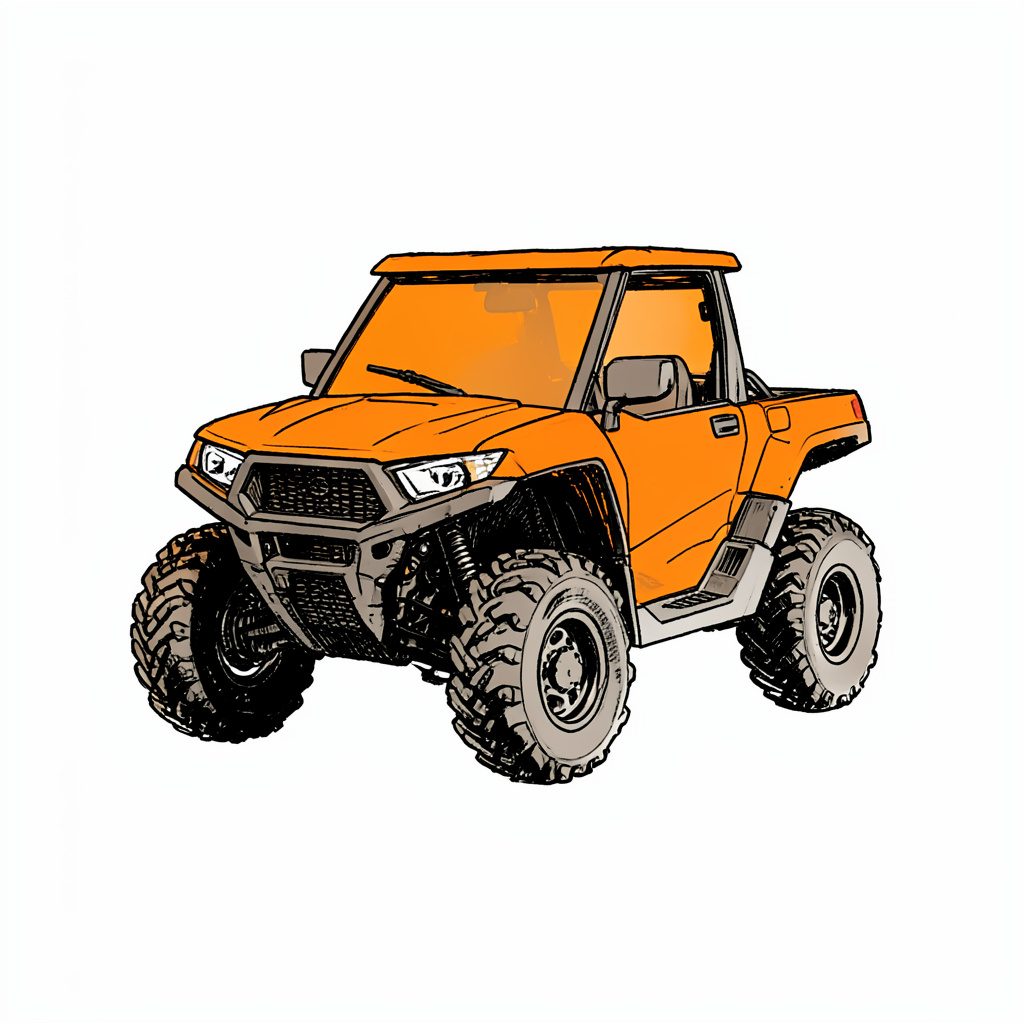
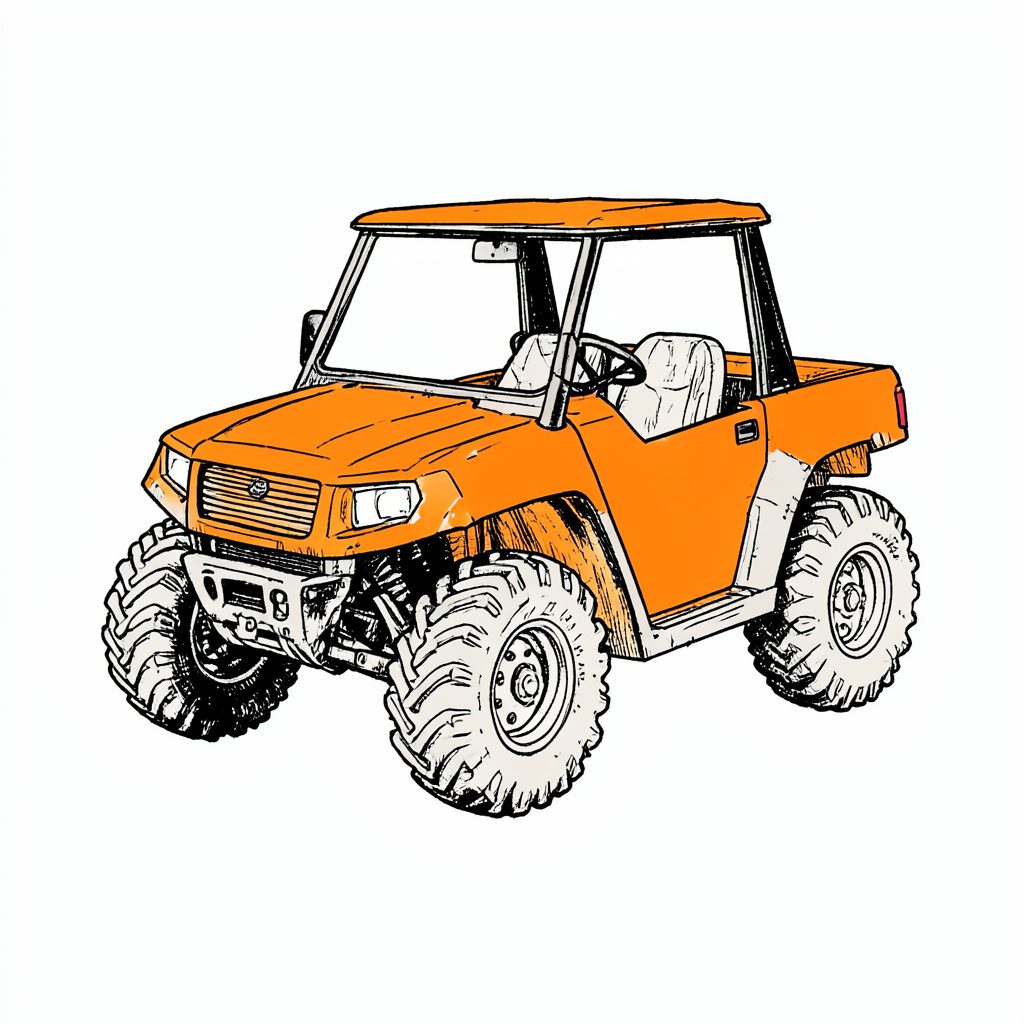
Often called Nature's Theme Park, our grounds invite families to ride ATV trails, splash through the swamp buggy area, pitch a tent, cast a line and explore old Florida hiking paths. Discover why members keep coming back season after season.
What You Can Do Here
ATV Trails
Marked routes for every skill level, including a peewee section.
Dirt Bikes
Dedicated dirt bike area built for two wheel adventure.
BMX & Mountain
Pedal powered BMX and mountain bike trails.
Swamp Buggy
Spacious swamp buggy area for big rig fans.
4x4 & Mud Trucks
Deep ruts and splash zones for 4x4s and mud trucks.
Skeet Range
Skeet shooting range in a controlled setting.
Camping
Membership campsites on a first come, first served basis.
Horse Trails
Scenic horse trails and riding paths.
An Old Florida Tradition
We honor the cracker way of life with old Florida outdoor living, traditional lodging, hiking and nature trails, plus fishing, swimming and beach access for members and their guests.
- Membership camping on a first come, first served basis
- Old Cracker Style Lodging cabins planned for overnight stays
- Old Florida hiking and nature trails
- Fishing, swimming and beach access
- Horse trails and riding

By the Numbers
What to Bring for a Day of Skeet Shooting with the Family
Clay target shooting sits comfortably in the outdoor sporting life of Australia, whether you grew up watching the trap events at the Canberra International Shooting Centre or spent weekends chasing clays with the local club in Wagga Wagga. A family skeet shoot at Florida Cracker Ranch keeps that heritage alive on the other side of the world, with kids, parents, and grandparents sharing the line under wide Florida skies. The ranch welcomes mixed-age groups, and many Aussie families book a visit as part of a longer Florida holiday that mixes theme parks with proper outdoor time. The climate, the equipment, and the round schedule all demand a thoughtful packing list.
Aussie families heading north usually overpack for the cold and forget the small things that matter in subtropical heat. A full day of skeet shooting involves standing on uneven ground, handling heavy shotguns, and waiting through rotations while the sun does its work. Packing the right gear turns a long day into a relaxed one, and leaves room for the moments that actually matter, like watching a teenager hit their first crossing target. Pre-booking gear through the ranch saves airline hassles with firearm transport, and means your kit bag can stay light.
Essential Safety Gear and Hearing Protection
The first thing every person on the firing line needs is solid hearing protection, and that includes the cousin filming from behind the bench. A single 12-gauge report is louder than most things you'll hear in a lifetime, and the damage is permanent. Most Australian shooters already know the drill from their local range under ACTA guidelines, but the family dynamic changes the equation. Kids tend to forget they are wearing protection, and foam plugs fall out of small ears halfway through a round. Pack a spare set for anyone under ten.
| Hearing Option | Pros | Cons |
|---|---|---|
| Disposable foam plugs | Cheap, pocket-sized, easy to share | Single-use, easily lost in the grass |
| Reusable silicone plugs | Washable, comfortable over long sessions | Must be inserted correctly to seal |
| Passive earmuffs | Quick on and off, adjustable for kids | Bulky in a packed range bag |
| Electronic earmuffs | Hear range commands clearly, block the bang | Heavier, needs fresh batteries |
Eye protection matters just as much. Falling brass, broken clay fragments, and the occasional wayward shot can cause real damage that sunglasses alone cannot prevent. Polycarbonate shooting glasses with side coverage suit adults, and wraparound sport frames work for smaller faces without slipping. If anyone wears prescription glasses, a pair of OTG shooting glasses solves the layering problem neatly. Before the day begins, families can review safety briefing clips so younger shooters know what to expect on the line and don't freeze up when the first shot rings out.
Clothing and Footwear Suited to the Florida Range
Florida weather in the shooting months is hot, humid, and often wet in the late arvo, even when the morning looks clear. Lightweight long sleeves protect arms from sun and from the light brush that lines many of the ranch's shooting positions. A wide-brimmed hat is non-negotiable for anyone used to the Australian sun, but the angle of the Florida sun is lower in winter and stronger in summer, so a chin strap keeps the hat on when the breeze picks up across the open paddocks.
Closed-toe shoes are mandatory on any serious range, and boots are better than runners for the uneven ground around the trap houses. Many Australian shooters already own a pair of Blundstones or similar pull-on boots that double for station work and weekend festivals, and they travel well in a checked suitcase. Avoid singlets and shorts that leave shoulders exposed to both sun and the kick of heavy recoil. A light pair of shooting gloves helps anyone new to the sport avoid blisters during a long round, and a spare change of clothes for the drive home keeps the car smelling fresh.
Hydration, Sun Protection, and Snacks for the Line
Aussies understand sun safety better than most, but the humidity in central Florida dehydrates a body faster than the dry heat of an outback Pilbara summer or the dry winds of inland Queensland. Pack at least two litres of water per adult and one per child, plus an electrolyte mix that replaces salts lost through sweat. A small esky in the car with frozen bottles keeps drinks cold through the arvo, and doubles as an ice pack for any minor bumps or bruises from a heavy stock.
Sunscreen needs to be SPF 50+ and broad spectrum, reapplied every two hours, especially on the back of the neck and the ears where the shooting stance exposes skin that Australians often forget. Lip balm with sunscreen, a pack of electrolyte tablets, and a few muesli bars or jerky packs round out the snack situation. If you want to keep things culturally familiar, a couple of packets of Tim Tams or a small jar of Vegemite for sangas keep the kids happy between rounds and give the grown-ups a taste of home. Avoid anything with a strong smell that lingers on the hands, as it can transfer to the firearm and put off the next shooter.
Shotguns, Ammunition, and Range Etiquette
Australia has some of the strictest firearms licensing in the world, and that culture of responsibility travels well to any American range. At the ranch, shotguns and shells are typically provided as part of the experience, but families who want to bring their own gear should check the airline's firearm transport rules well before departure, including hard case requirements and declaration forms. The most common gauges for skeet are 12, 20, and .410, with 12 being the easiest to find ammunition for in the United States and .410 being a soft introduction for younger shooters who struggle with adult-sized recoil.
Twelve-gauge guns produce heavier felt recoil, which suits adults and longer sessions where cheaper ammunition helps the family budget. Twenty-gauge sits in the middle, working well for teens and smaller-framed adults who want a softer push without losing too much reach. The .410 is the gentlest option, ideal for kids learning the basics and for close crossing targets where the pattern needs to stay tight.
Shells come in different shot sizes, and for skeet the standard 7.5 or 8 shot is the safe choice that breaks clays cleanly without spreading too far downrange. Always keep the muzzle pointed downrange, treat every firearm as loaded, and listen to the range officer at all times. If anyone in the group has never shot before, ask for a short lesson before the round begins; the ranch staff are used to first-timers and will pace the day accordingly so no-one feels rushed.
Comfort Extras and Downtime Between Rounds
A skeet shooting day involves a lot of standing around between turns, so a few comfort items earn their place in the bag. A folding camp chair, a small umbrella for sudden Florida showers, and a towel for wiping down hands and equipment all come in handy once the morning dew lifts. A basic first-aid kit with bandages, antiseptic, and a few cold packs handles the small incidents that happen when a family is outdoors for hours. Binoculars are useful for spotting falling clays and for watching the local birdlife between rotations, especially around the ranch's dam.
For downtime at the lodge or during the drive back to the accommodation, some families enjoy browsing ranch strategy notes to swap stories about the day. A camera or a phone with a decent zoom captures the moment a target breaks, and a portable charger keeps devices alive through a long day away from power. Pack a spare pair of socks for each shooter, because wet feet and a hot range are a bad combination, and you have everything you need for a relaxed, memorable family skeet shoot at Florida Cracker Ranch.
Get in Touch
Send us a note about memberships, guest visits or directions. Phone 386-864-3856 or email floridacrackerranch@floridacrackerranch.com. Mailing address: P.O. Box 2993 Bunnell, Florida 32110.