Tucked into pristine old Florida land in Flagler County, Florida Cracker Ranch is a family oriented outdoor adventure club where kids, parents and thrill seekers share the same trails, campsites and waterways.
Adventure Memberships available — families and singles welcome.
Reserve Your SpotWelcome to Florida Cracker Ranch
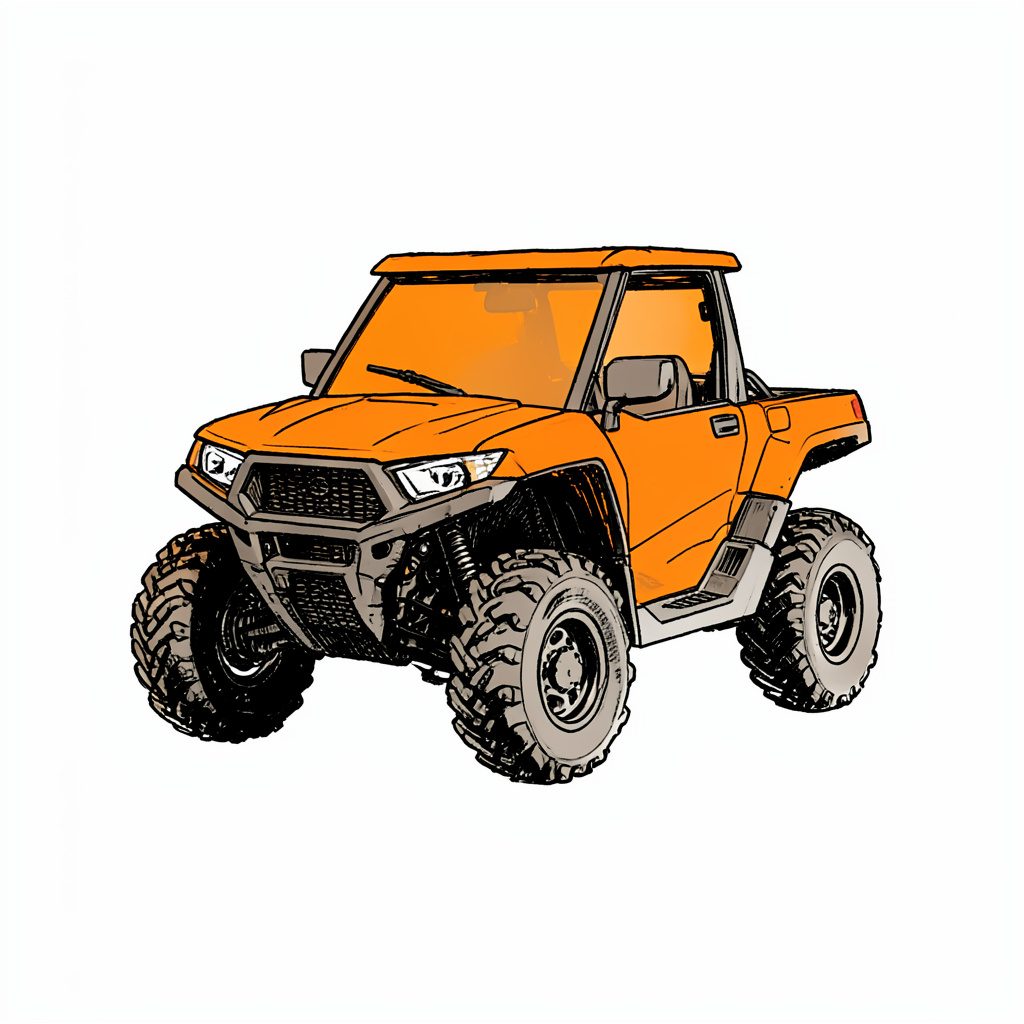
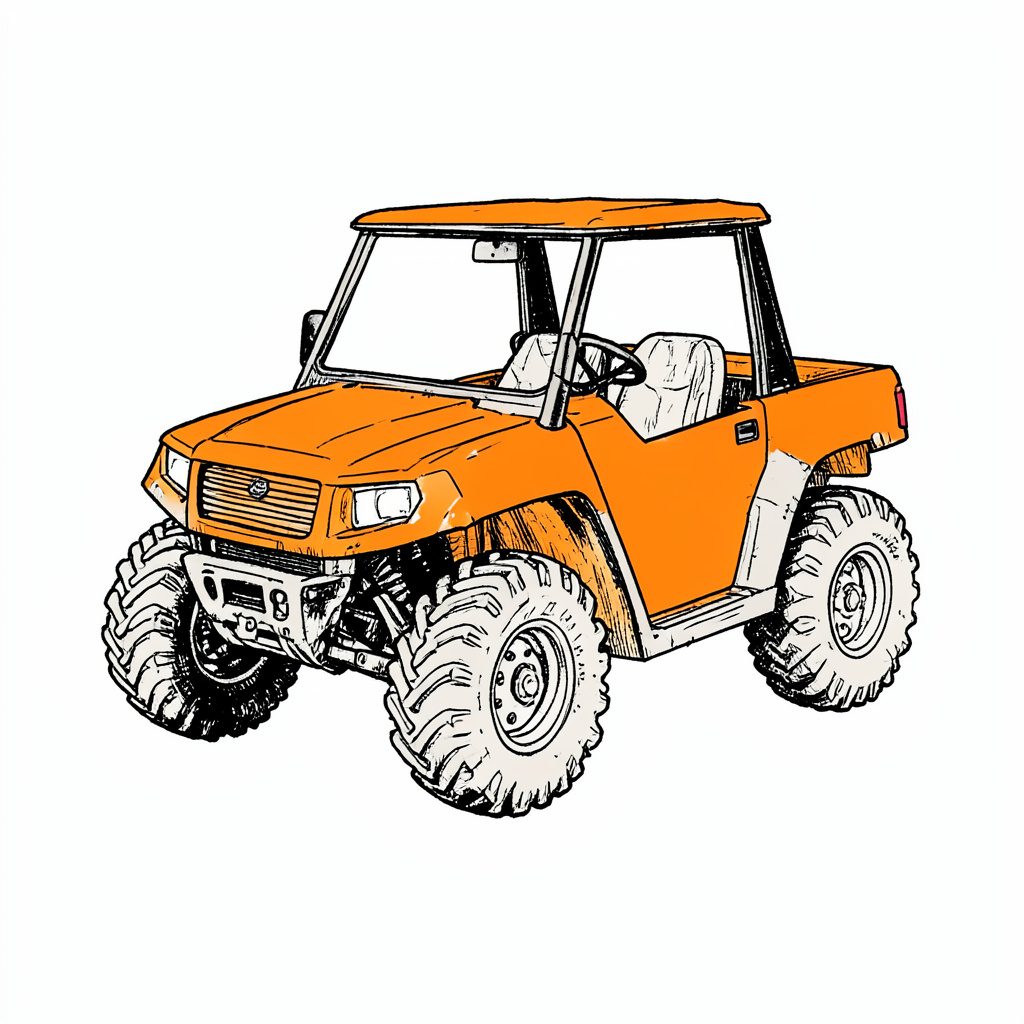
Often called Nature's Theme Park, our grounds invite families to ride ATV trails, splash through the swamp buggy area, pitch a tent, cast a line and explore old Florida hiking paths. Discover why members keep coming back season after season.
What You Can Do Here
ATV Trails
Marked routes for every skill level, including a peewee section.
Dirt Bikes
Dedicated dirt bike area built for two wheel adventure.
BMX & Mountain
Pedal powered BMX and mountain bike trails.
Swamp Buggy
Spacious swamp buggy area for big rig fans.
4x4 & Mud Trucks
Deep ruts and splash zones for 4x4s and mud trucks.
Skeet Range
Skeet shooting range in a controlled setting.
Camping
Membership campsites on a first come, first served basis.
Horse Trails
Scenic horse trails and riding paths.
An Old Florida Tradition
We honor the cracker way of life with old Florida outdoor living, traditional lodging, hiking and nature trails, plus fishing, swimming and beach access for members and their guests.
- Membership camping on a first come, first served basis
- Old Cracker Style Lodging cabins planned for overnight stays
- Old Florida hiking and nature trails
- Fishing, swimming and beach access
- Horse trails and riding

By the Numbers
Summer Horseback Riding Clothing in Florida Heat
Florida’s summer trail conditions can change faster than a casual visitor expects. Flagler County often combines air temperatures around the low 30s Celsius with intense humidity, while shaded woods and open ranch ground feel very different. For riders travelling from Sydney or Brisbane in June, July or August, remember that Florida is entering its hottest stretch even though those months are winter in Australia. Check the forecast and ranch activity details before choosing the hour and length of a ride.
A reliable summer outfit manages perspiration, ultraviolet exposure, brush, tack contact and the horse’s movement without dragging or snagging. It should also let you notice heat stress early. Riders should prioritize covering vulnerable skin with light, breathable material that dries quickly and fits securely. The aim prioritizes effective protection over wearing the least possible clothing. A helmet, suitable boots, full-length riding trousers and a reliable sun layer form the core of a practical trail kit.
Riding Florida’s summer conditions
Riding creates its own microclimate. A stationary rider may feel manageable until the horse’s repeated movement, close contact with the saddle and direct sun turn that into a sharp rise in body temperature. Cotton shirts and jeans lose their advantage as soon as they absorb sweat, become heavy and dry slowly. Choose fabrics that move moisture away from the skin and release heat quickly.
Australians usually plan around a high UV Index and sunscreen labelled SPF 50+, but Florida adds persistent moisture and strong reflected light. Use broad-spectrum, water-resistant sunscreen on exposed skin and reapply it according to the label, especially after wiping sweat away. A light shirt with a high ultraviolet protection factor gives valuable extra coverage without requiring heavy material.
Light colours gain less heat than dark ones, although fabric weight, weave and wetness matter too. Ventilation helps only when the material remains light enough for humid air. Choose a top that sits close at the shoulders, moves freely across the back and cannot flap into the reins. The same comfort must work for the horse: tight clothing can rub under the saddle, while loose clothing can bunch, snag or overheat.
Build a cool, flexible riding outfit
Start with a smooth technical T-shirt or ventilated long-sleeve shirt made from polyester, nylon or a suitable merino blend. A quarter-zip can provide airflow for the torso, while a collar or fitted cuff protects the neck and wrist from brush. Test a new garment on a shorter ride because synthetic fabrics vary widely in breathability, odour control and drying speed.
Full-length breeches give better protection than shorts, which can expose legs to sun, insects and the stirrup area. Stretch-woven riding trousers with flat seams work well in warm weather, especially with a simple, close-fitting pair of seamless briefs underneath. Australian riders may call the traditional style jodhpurs, while many Florida riders use the broader term breeches; fit and fabric matter more than the label. Empty zip pockets before riding and choose a belt that will not ride up over the saddle flap.
Every piece should have a practical role. A Spanish three-character actor interview provides a useful costume analogy: clothing can work through movement and visual purpose rather than decorative excess. Summer riding clothes should sit quietly under the tack, withstand repeated washing and leave you able to grip, bend and feel changes in your body. A heritage or Western look works best when lightweight construction serves those demands.
Heat-smart protection for the trail
An Australian may recognise the AS/NZS 2064 equestrian helmet standard used at home, while riding helmets in the United States may show ASTM/SEI, PAS 015 or VG1 certification. Those labels are not automatically interchangeable in the rider’s home market. A properly fitted helmet should sit level, stay secure when the chin strap is adjusted and leave the forehead clear of pressure. Confirm any personal helmet with the ranch and replace a damaged or badly fitted one rather than relying on airflow to compensate.
Riders should use this compact set of summer protections. This collection covers vital headgear, neck and arm coverings, and essential accessories.
- Fit a certified, correctly sized helmet, then add an approved helmet cover when shade is needed; replace its removable sweat pad after a wet ride rather than covering persistent grime.
- Protect the neck and arms with a close-fitting UPF 50 shirt or a vented arm layer, applying sunscreen to uncovered skin and keeping loose scarves and neck cloths out of the tack.
- Wear thin, close-fitting riding gloves for rein grip and hand protection, with material that still allows you to feel pressure and operate the reins without restricted movement.
- Choose closed-toe boots with firm support, a smooth sole and an appropriate heel; for Western tack, a defined heel helps reduce forward slipping, while trail boots should avoid deep tread that can catch.
- Carry a refillable water bottle, SPF 50+ sunscreen, insect repellent, a small towel and a heat-rated electrolyte product, following medical advice and the product directions.
Fit matters more than a brand or a fabric label. Gloves should not bunch at the wrist, sleeves should not press hard against the rein hand, and boot closures should stay well away from the stirrup. A damp shirt should be changed after the ride, since wet fabric against the skin can irritate more quickly once the breeze drops. If there is no secure place to change, bring a dry base layer in a sealed bag.
Adjust the clothing to the rider and trail
Children and adults need the same principles in different proportions. Helmet fit, sleeve length and trouser length should be adjusted for the rider rather than borrowed from an adult. Elastic waistbands, adjustable gussets and flat seams can improve comfort for growing children, longer torsos or changing body shapes. Long hair should be secured away from helmet straps, buckles and reins; if chafing is a concern, a suitable anti-chafe product and clean underlayers can prevent friction before it starts.
Florida trails may run through sun, wet ground, pine needles, mud or dense low branches. The light top and breathable trousers suited to a shaded trail may be insufficient around biting insects or heavy vegetation. Pack a thin long-sleeve layer, pull-on socks and ankle coverage without adding bulk for every saddle. Riding gloves also offer some protection from seed pods and rough brush, provided they remain thin enough for hot weather.
Florida Cracker Ranch also supports riding trips combined with a stay outdoors. If camping is part of the booking, the ranch camping guide compares tents, hammocks and recreational vehicles, which is useful when deciding where extra clothing should be stored. Horse-riding clothes still need to be clean and dry around camp, while a separate camp outfit can handle wet evenings, walking and gear chores. Keep riding boots accessible and put damp riding garments in a ventilated bag before they develop a strong smell.
Prepare for a safe, comfortable ranch day
Confirm the route, ride time, tack requirements, weather policy and available equipment directly with the ranch. Official trail advice matters because a clothing choice cannot protect you from lightning, a closed gate or unsafe ground. A broad travel search may even surface an online bangkok baccarat page in Australian results, which is unrelated to ranch operations; verify weather, membership and guest provisions on the ranch’s own pages rather than trusting a commercial snippet.
Set a hydration routine before leaving, drink regularly in smaller amounts and replace fluid lost through sweat. Save the largest drinking opportunities for the return if your ride permits; avoid waiting until thirst becomes overwhelming. Heavy sweating can require electrolytes, but concentrated or high-sugar drinks are not suitable for everyone. Stop in shade if you develop dizziness, nausea, headache, unusual weakness or confusion, and ask staff for help if symptoms do not settle quickly.
Watch the horse as closely as yourself. Excessive breathing that does not settle, unusual fatigue, refusal to continue, stumbling or repeated attempts to stop are reasons to pause and alert the guide. Follow instructions about water, rest and tack, especially if moving from intense heat into a cooling rain. The night before the ride, pack the certified helmet, chosen top, breeches, socks and boots in one bag and place it beside the front door.
Get in Touch
Send us a note about memberships, guest visits or directions. Phone 386-864-3856 or email floridacrackerranch@floridacrackerranch.com. Mailing address: P.O. Box 2993 Bunnell, Florida 32110.