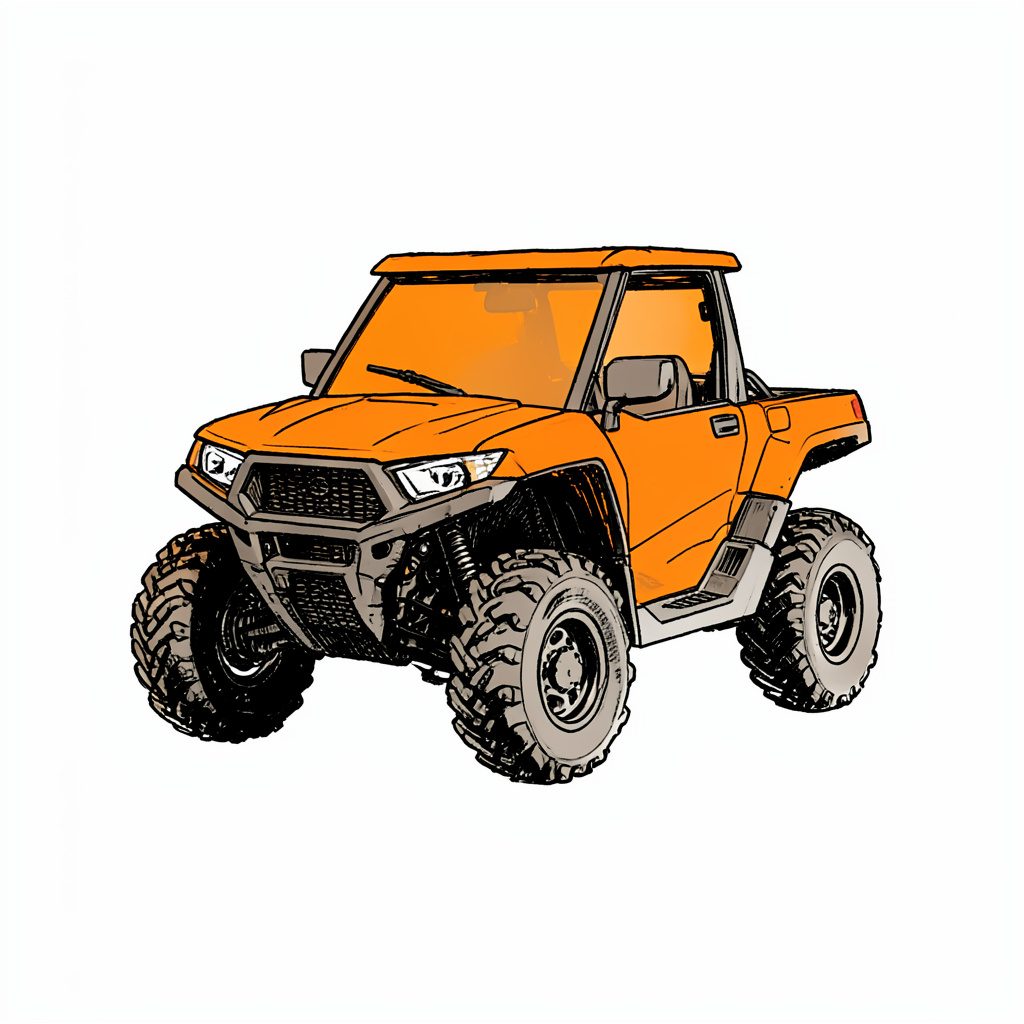
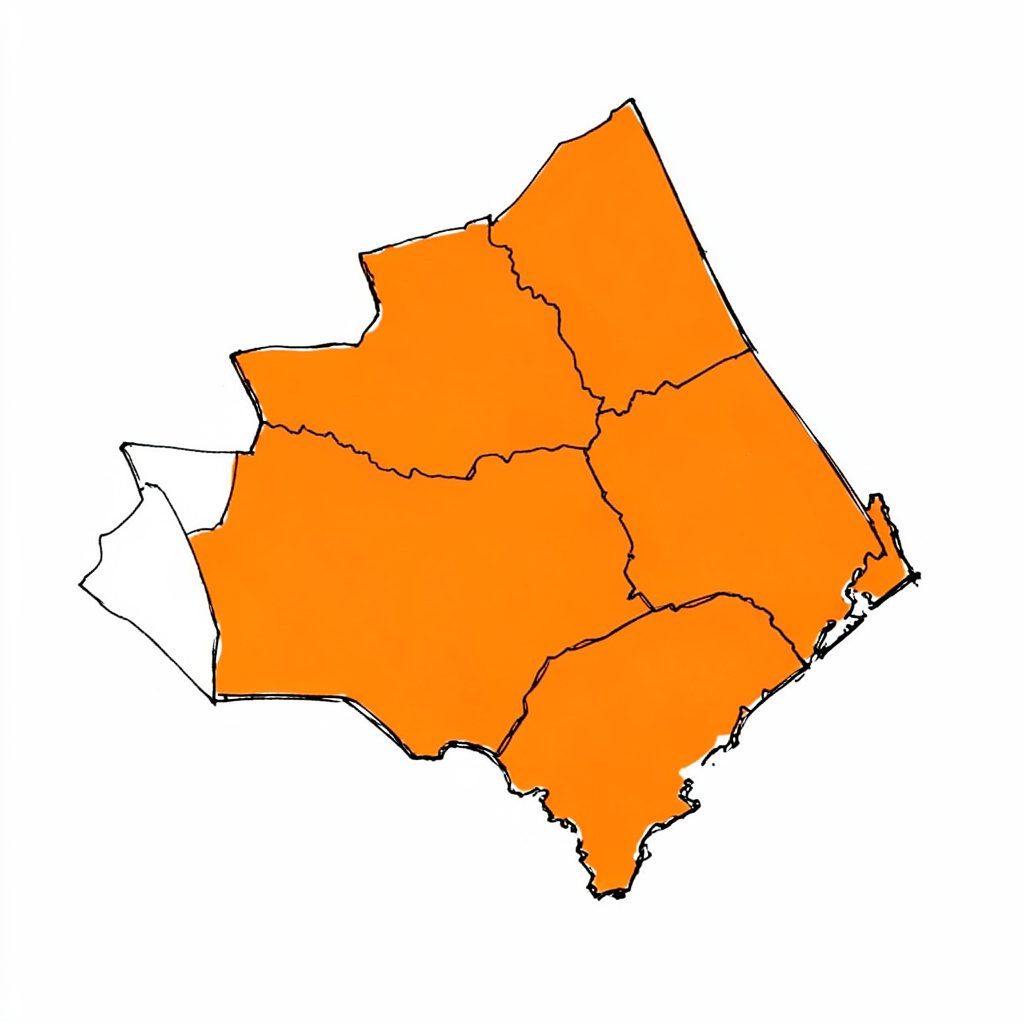
Tucked into pristine old Florida land in Flagler County, Florida Cracker Ranch is a family oriented outdoor adventure club where kids, parents and thrill seekers share the same trails, campsites and waterways.
Adventure Memberships available — families and singles welcome.
Reserve Your SpotWelcome to Florida Cracker Ranch
Often called Nature's Theme Park, our grounds invite families to ride ATV trails, splash through the swamp buggy area, pitch a tent, cast a line and explore old Florida hiking paths. Discover why members keep coming back season after season.
What You Can Do Here
ATV Trails
Marked routes for every skill level, including a peewee section.
Dirt Bikes
Dedicated dirt bike area built for two wheel adventure.
BMX & Mountain
Pedal powered BMX and mountain bike trails.
Swamp Buggy
Spacious swamp buggy area for big rig fans.
4x4 & Mud Trucks
Deep ruts and splash zones for 4x4s and mud trucks.
Skeet Range
Skeet shooting range in a controlled setting.
Camping
Membership campsites on a first come, first served basis.
Horse Trails
Scenic horse trails and riding paths.
An Old Florida Tradition
We honor the cracker way of life with old Florida outdoor living, traditional lodging, hiking and nature trails, plus fishing, swimming and beach access for members and their guests.
- Membership camping on a first come, first served basis
- Old Cracker Style Lodging cabins planned for overnight stays
- Old Florida hiking and nature trails
- Fishing, swimming and beach access
- Horse trails and riding


By the Numbers
Choosing a used ATV for ranch terrain
A used ATV can be a sensible way into ranch recreation, but the cheapest machine is rarely the cheapest to own. Pine flatwoods, sandy creek beds and clay that turns slick after rain place more emphasis on traction, ground clearance, cooling and dependable servicing than aggressive styling does. A careful buyer evaluates how the machine was used, not simply how many kilometres are on the clock.
Florida Cracker Ranch in Flagler County provides a useful reference: its ATV, hiking, fishing, camping and family activities unfold across sandy lowland country. The same buying principles apply to the corrugated gravel, creek crossings and bush tracks familiar in regional Queensland and New South Wales, although trail rules, registration costs and used-vehicle prices remain distinctly Australian.
Matching the ATV to the terrain
Begin with the routes, not the badges. A two-wheel-drive ATV may suit firm, level trails and light farm duties, but deep sand, steep wet banks and loose gravel usually justify four-wheel drive. Racks and tow hitches add carrying capacity; they do not improve grip. For technical ground, a wider stance, useful clearance and sensible tyre pressure matter more than a high-sounding exhaust.
Florida's sandy soils and seasonal wetness call for stable traction and effective cooling, while Australian riders often add corrugated road travel, long distances between trailheads and recovery equipment to the equation. Check whether the machine worked on farms, hunting tracks or deep-water crossings; each leaves different evidence. A three-day ranch itinerary also underlines how family comfort, rest and camp logistics belong beside the ride itself.
Reading the service history
Ask for the service book, invoices and the selling dealer's details. Look for correct oil changes, fuel-filter servicing, valve and coolant checks where applicable, and a clean, maintained battery. Hours logged at the engine are more useful than a distance reading alone. Missing records need not rule out a purchase, but they should reduce the price and strengthen the case for a specialist inspection.
Ask the seller not to pre-warm the engine. Watch for smoke, hesitation or warning lights, select every gear, engage four-wheel drive on level ground and confirm the continuously variable transmission reaches a full stop before shifting. On a work-used four-stroke, listen for knocks and check for fresh oil below the engine. Two-strokes deserve extra scrutiny of the power valve, exhaust and telltale blue smoke.
Water-crossing claims deserve physical evidence: inspect seals, hubs, the chain and corrosion around normally protected areas. A pressure wash is not proof of submersion, but heavy rust can reveal a wet storage history. Visual material such as short outdoor films can help buyers relate specifications to outdoor conditions, while the ATV's own condition remains the decisive evidence.
Checking the frame and running gear
Put the ATV on a level stand and inspect the racks, footwells, fenders and frame for bends, cracks or hard impacts. Compare bolt heads and paint marks, because fresh paint can conceal structural work. Open the throttle through its range and watch for frame flex or clicking. Check that the handlebar, steering stem and suspension mounts are straight; a bent front end often reveals a harder history than the hour meter suggests.
Turn the bars fully and confirm that the wheels track evenly. The suspension should return smoothly without catching, and the shocks should show no fluid leaks or perished bushings. Check wheel bearings for play, the chain for slack or damaged links, and the drive belt for glazing and cracks. These repairs can quickly erase the apparent saving on a bargain-priced machine.
Tyres, brakes and trail readiness
Tyres are both a safety item and a clue to previous use. Look for cuts, bulges, uneven wear and exposed cords, then confirm the correct size and load rating for the ATV. Knobbies help on soil and gravel but can feel vague on hard surfaces. Check the rack, tow-hitch and passenger limits against the load you intend to carry. Press the handbrake with the wheels lightly lifted, then test both brakes again under controlled conditions during the ride.
Set tyre pressure to the maker's trail recommendation, not an arbitrary low figure, especially with a passenger or camping gear aboard. Before using public roads, check the relevant state recreational-vehicle rules and local trail signage; many tracks exclude motor vehicles even when walking and cycling are allowed. Towing behind a ute also demands a rated tow bar, secure loading and insurance covering the trailer and its contents.
Using local knowledge without overpaying
Australian buyers bring useful advantages: established used-vehicle dealers, accessible 4x4 parts and skilled mechanics around cities such as Brisbane and Sydney, plus experienced operators across rural Queensland. Those networks can also conceal costly weaknesses. A low price may reflect a private sale, a flooded machine, missing records or an urgent seller. Compare like with like, and allow for inspection, transfer, registration and immediate maintenance.
Ask for registration papers and match the VIN or serial number to the machine, the paperwork and the seller. Used-vehicle records can clarify history where available, but paperwork does not replace inspection. Under the Australian Consumer Law, guarantees may apply even in a private sale when the seller trades in the course of business, so keep the receipt, written description and any promises about condition.
Comparing the value of each option
Treat the purchase price as only part of ownership. A cheap ATV with a tired chain, perished tyres and no service history can cost more over a season than a better-maintained machine. Australian private-sale prices often sit below dealer stock, while dealer purchases may come with documented checks and clearer warranty terms; neither ensures that a recreational ATV is sound. Use the same inspection checklist and price the first year realistically.
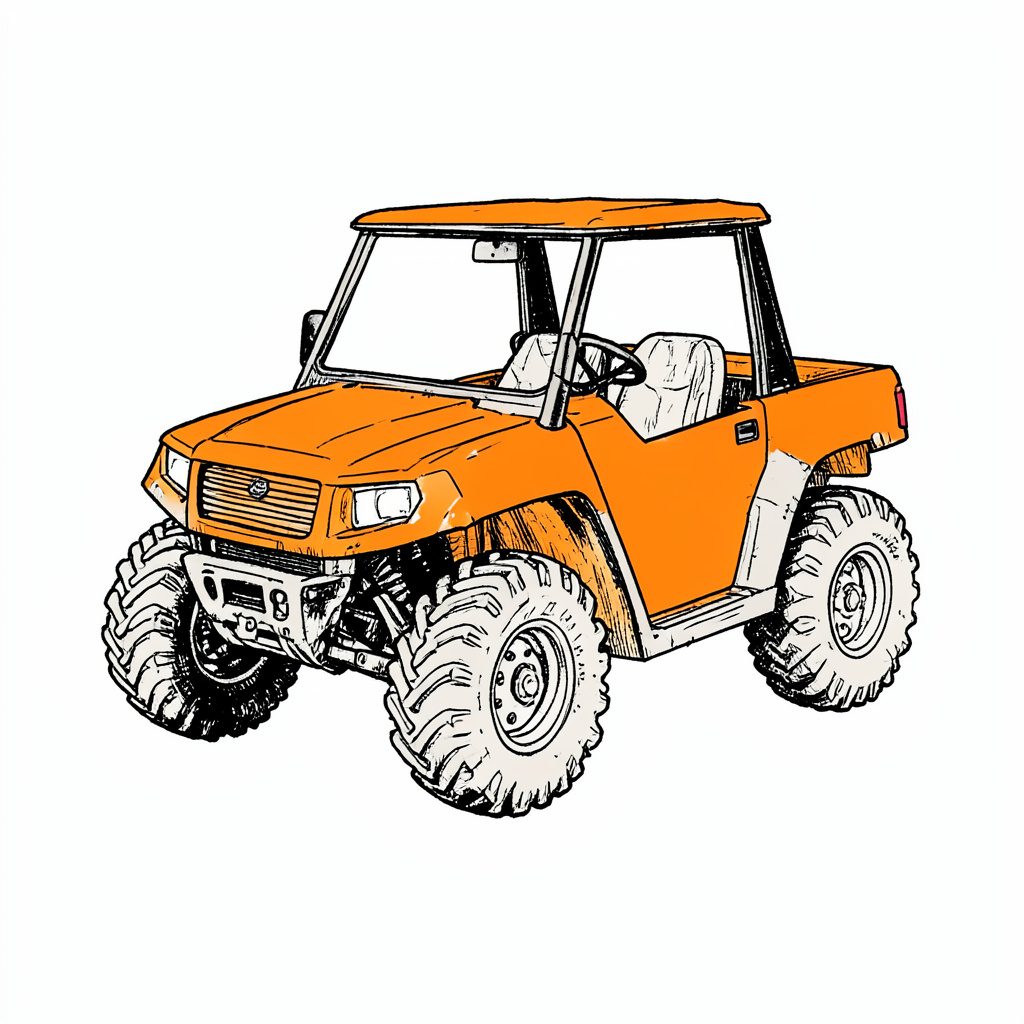
A budget two-wheel-drive machine can suit a dry farm track or light recreation. Four-wheel drive earns its place where sand, mud and hills are routine. A side-by-side is easier to share, carries luggage better and feels stable with a passenger, but it is a different vehicle with distinct licensing, loading and towing considerations. For solo riders entering unfamiliar terrain, a dependable, appropriately equipped single-rider ATV is usually the simplest choice.
| Option | Terrain strength | Main trade-off | Buying emphasis |
|---|---|---|---|
| Budget two-wheel-drive | Firm tracks and light farm work | Limited grip in sand, mud or steep ground | Service records, brakes, tyres and cooling |
| Used four-wheel-drive | Better traction and climbing ability | Heavier, thirstier and costly to maintain | Low-range gearing, transmission, hubs, frame and suspension |
| Side-by-side | Passenger access, luggage capacity and stability | Different licensing, loading and towing rules | Chassis, seats, restraints, controls and service records |
Securing the purchase and preparing for the trail
Before paying, photograph the ATV, engine bay, serial number and odometer, and match the images to the agreement. Put every inclusion in writing: racks, battery, winch, tools, manual, keys and service records. Clarify who handles registration, insurance and outstanding fines. If the seller is in another state or remote district, use traceable payment and a documented handover rather than verbal assurances.
Then arrange a proper test ride on terrain resembling the intended use, wearing a helmet and suitable protective gear. Agree the route beforehand, stay within daylight and carry water, a charged phone, basic tools and a recovery method suited to the vehicle. Recheck fuel, cooling, brakes and lights after the first ten minutes, when oil levels and fasteners settle.
For longer ranch stays, secure camp storage, spare clothing and a plan for wildlife on shared trails. A walking side trip can fit neatly into the visit, with the ranch's guide to sandhill crane spotting offering careful advice on spotting cranes in the wetlands without disturbing them. The next step is a booked pre-purchase inspection with a qualified mechanic, including a cold start and load test.
Get in Touch
Send us a note about memberships, guest visits or directions. Phone 386-864-3856 or email floridacrackerranch@floridacrackerranch.com. Mailing address: P.O. Box 2993 Bunnell, Florida 32110.