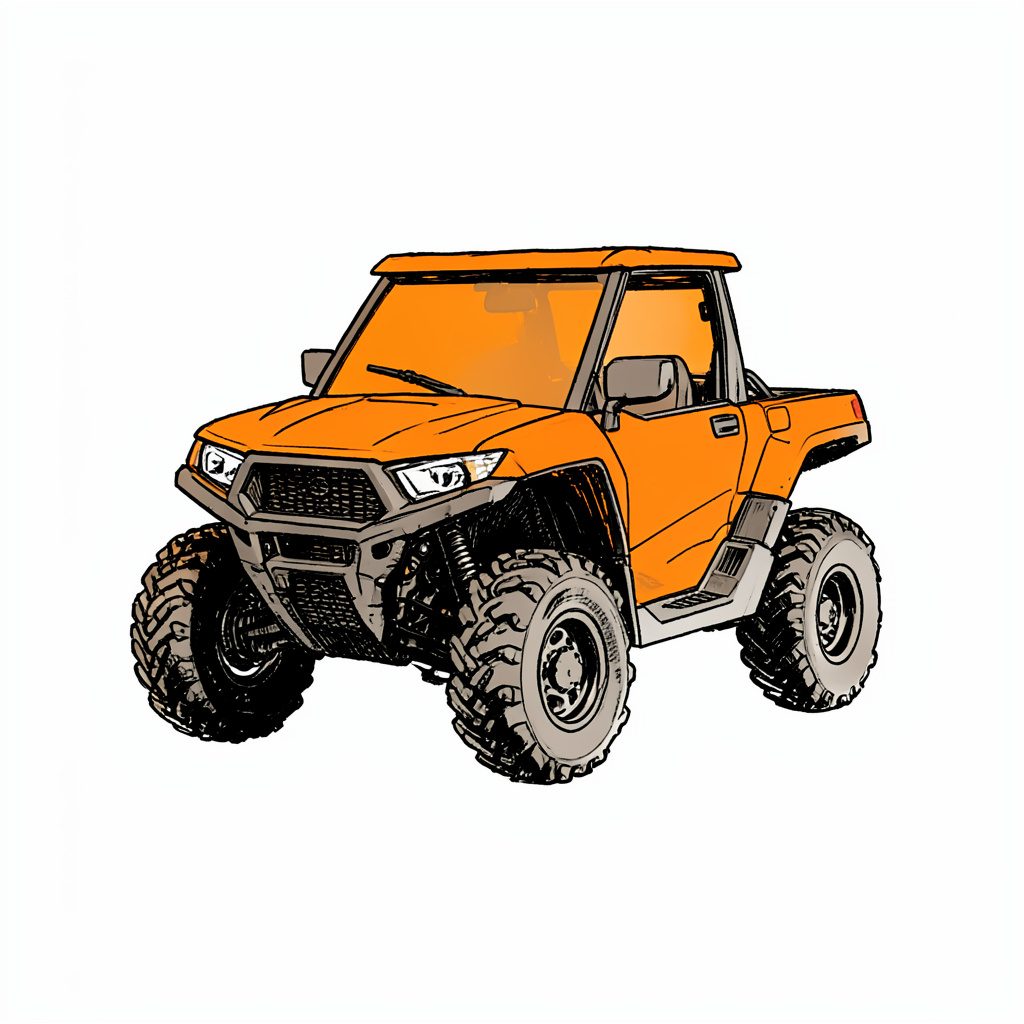
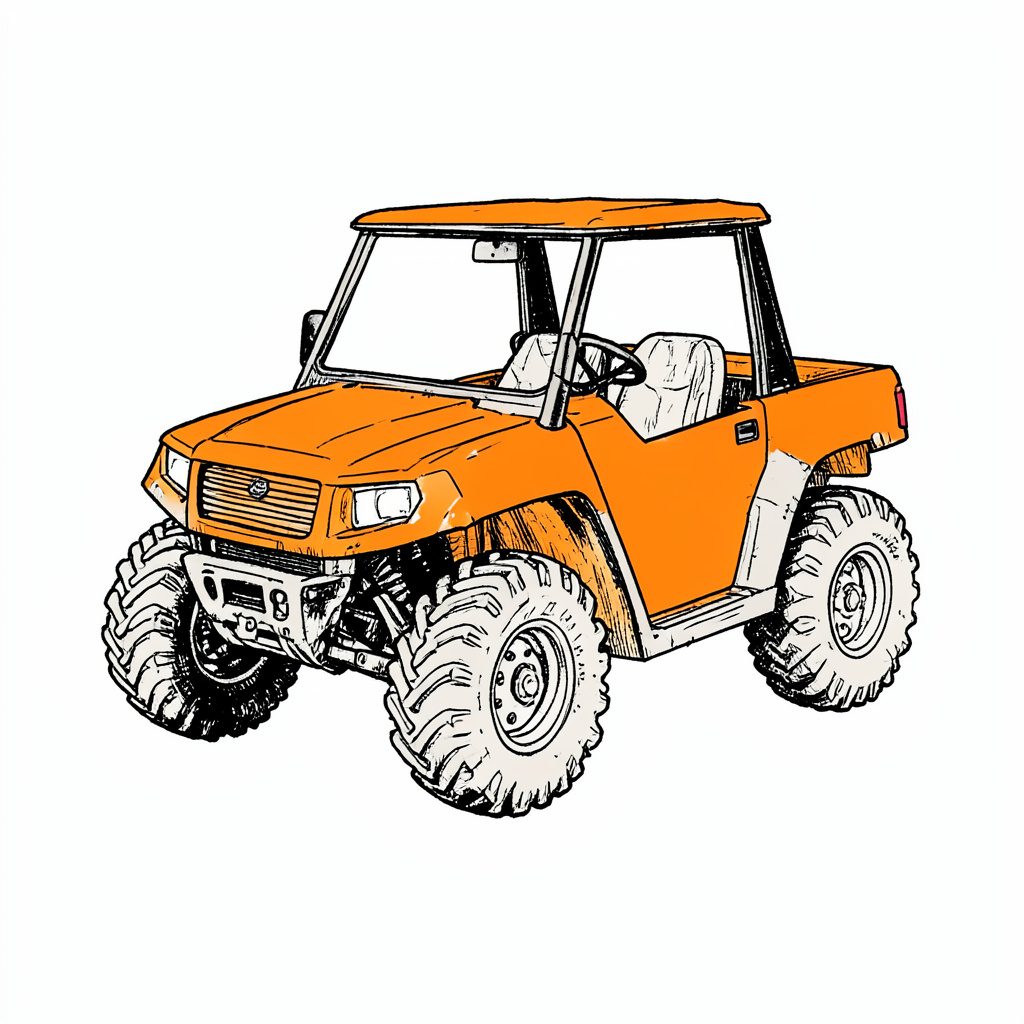
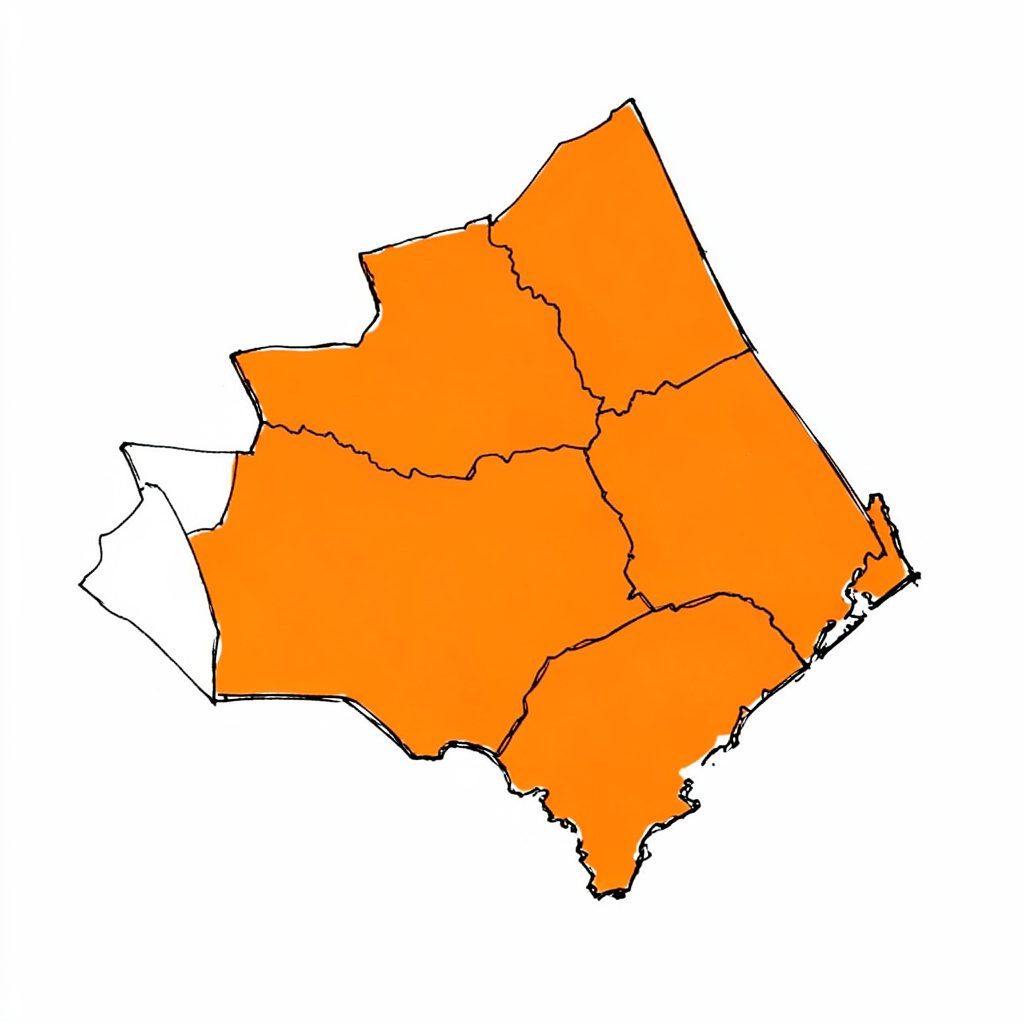
Tucked into pristine old Florida land in Flagler County, Florida Cracker Ranch is a family oriented outdoor adventure club where kids, parents and thrill seekers share the same trails, campsites and waterways.
Adventure Memberships available — families and singles welcome.
Reserve Your SpotWelcome to Florida Cracker Ranch
Often called Nature's Theme Park, our grounds invite families to ride ATV trails, splash through the swamp buggy area, pitch a tent, cast a line and explore old Florida hiking paths. Discover why members keep coming back season after season.
What You Can Do Here
ATV Trails
Marked routes for every skill level, including a peewee section.
Dirt Bikes
Dedicated dirt bike area built for two wheel adventure.
BMX & Mountain
Pedal powered BMX and mountain bike trails.
Swamp Buggy
Spacious swamp buggy area for big rig fans.
4x4 & Mud Trucks
Deep ruts and splash zones for 4x4s and mud trucks.
Skeet Range
Skeet shooting range in a controlled setting.
Camping
Membership campsites on a first come, first served basis.
Horse Trails
Scenic horse trails and riding paths.
An Old Florida Tradition
We honor the cracker way of life with old Florida outdoor living, traditional lodging, hiking and nature trails, plus fishing, swimming and beach access for members and their guests.
- Membership camping on a first come, first served basis
- Old Cracker Style Lodging cabins planned for overnight stays
- Old Florida hiking and nature trails
- Fishing, swimming and beach access
- Horse trails and riding

By the Numbers
What to do if you encounter a wild boar on the trail
A wild boar on a wooded trail can turn a family hike into a tense moment, especially when children, dogs or riders are nearby. Safe handling begins before anyone sees the animal: slow near blind bends, keep the group together and never treat an approach as an invitation for a close photograph. Recognise the pig, create space and leave it a clear exit.
At Florida Cracker Ranch in Flagler County, woodland trails, ATV and 4x4 routes, horse areas, campsites and lakes make wildlife precautions part of every adventure plan. Annual adventure memberships, guest privileges and campsite access do not make the terrain’s wildlife predictable. For Australian readers, “wild boar” usually means a feral pig, a familiar farm-track animal around Sydney, Melbourne and Adelaide as well as rural eastern Australia.
Know the animal behind the name
Wild boar are Eurasian pigs with powerful shoulders, long tusks and an excellent sense of smell. Their descendants in Australia and Florida are generally called feral pigs rather than native wildlife. A sow travelling with piglets may become defensive, while an adult male can be territorial during breeding; either can bite, slash or charge if it feels cornered.
Watch for changes in posture rather than relying on a single sound. A wary pig may stop, raise its head or blow loudly; an agitated one may lower its head, flatten its ears, click its teeth or advance with short, stiff steps. Turning away and trotting off usually means it wants space. Sudden running, screaming, flash photography and feeding can turn curiosity into a charge.
Read the track and prepare the route
Tracks and signs offer an earlier warning than the animal itself. Look for fresh rooting in soft soil, disturbed leaf litter, muddy wallows, cloven hoof prints and dark scat near the trail. If signs are recent or numerous, pause before entering cover, note the wind direction and give the area more room. Never assume a quiet trail is empty because the pig is hidden beyond the vegetation.
Before setting out, check the ranch news for trail notices, closures and practical site guidance, then tell someone your route and expected return. Australian walkers should also check local total fire bans and heat warnings, carry more water than seems necessary, and respect private-property signs. On cattle country, “stock on route” warnings and closed gates are familiar: shut gates behind you unless told otherwise and stay off private land without permission.
Keep distance and preserve an escape route
First, stop in a safe place and assess the pig’s direction of travel. Do not run, because a frightened pig may chase. Keep children close, put dogs on lead if this can be done without pulling them toward the animal, and speak in a low, calm voice. If the animal is merely watching, wait; if it moves away, let it leave without following.
Next, remove yourself from its route without cutting between it and its piglets or backing it toward another group. Use a closed vehicle, solid wall or sturdy fence as separation when needed, and never corner it against a trail or gate. Do not offer food, call it closer or retrieve scattered gear while it remains nearby. Once the pig has gone, report the sighting rather than searching for a better view.
Protect children, dogs, horses and riders
Children need an adult between them and the pig, not merely a shouted warning from behind. Dogs require particular care because barking and chasing can trigger a charge. Keep them leashed at the first sign of wildlife; use a recall, then retreat with the dog rather than trying to retrieve it in front of the boar. Never grab a fighting dog’s collar while the pig is still active.
Horses may sidestep, swing or accelerate when a pig appears, so riders should slow down and avoid forcing a pass along a narrow trail. Dismount only where there is room to stand safely. ATV, 4x4, dirt bike, BMX and mountain bike riders should stop well clear, avoid revving or steering toward the animal, and let it cross before continuing at walking pace.
Respond when a boar closes in
If it approaches, continue backing away slowly while keeping it in view and avoid sudden movements. Do not scream, brandish a stick or attempt to seize its head or tail. If it charges, do not try to outrun it; move behind the strongest fixed cover available, preferably a closed vehicle, building or robust fence. Let the animal pass whenever a route opens.
If physical contact seems likely, move the group into a vehicle or building, protect children and call emergency services with your exact location or access-track details. The Australian emergency number is 000; in Florida it is 911. A firearm is never a safe substitute for distance, and using one to frighten a pig can escalate the danger for people, the animal and anyone nearby.
Observe and report without creating danger
Wildlife photography is possible without interference. Use a long lens from a vehicle or established viewpoint, keep the pig’s escape path open and never bait, feed or surround it. If your interest is photography, the ranch guide to quiet ranch corners can help with less disruptive places to observe smaller details. Put the animal’s welfare ahead of the photograph.
Record the time, direction of travel and general location, but give precise coordinates to authorities rather than posting them publicly. In Australia, feral-pig sightings or persistent animals can be reported to the relevant council or state wildlife agency; at Florida Cracker Ranch, alert staff so they can guide guests and manage the area. Do not attempt to relocate, feed or treat an injured pig yourself.
Make safety a shared trail routine
Use these departure checks:
- Check official trail reports, weather warnings, fire bans and closures; carry suitable water.
- Tell someone your route and return time; carry a charged phone, offline map and basic first-aid kit.
- Seal food in hard containers or a vehicle, keep waste tidy and never carry feed for wildlife.
- Keep children close, dogs leashed and footwear suitable for wet or uneven ground.
Keep these responses ready:
- Slow at blind bends, stream crossings, campsites and dense cover before looking ahead.
- Stop at fresh tracks or rooting and check the wind before continuing.
- Give wildlife a wide berth; never block its route or move between a sow and piglets.
- If it closes in, retreat behind a solid barrier, regroup and call emergency help.
Ranch itineraries can still be weather-sensitive, particularly around campsites and open water. If rain or extreme heat cuts an outing short, independent film picks provide an easy indoor activity for a family evening, provided the forecast and any official warnings are checked before the next outdoor session.
The lesson to remember is simple: respect the animal, preserve distance and never let curiosity become a chase. Keeping people together and the boar’s route open protects both the group and the animal.
Get in Touch
Send us a note about memberships, guest visits or directions. Phone 386-864-3856 or email floridacrackerranch@floridacrackerranch.com. Mailing address: P.O. Box 2993 Bunnell, Florida 32110.