
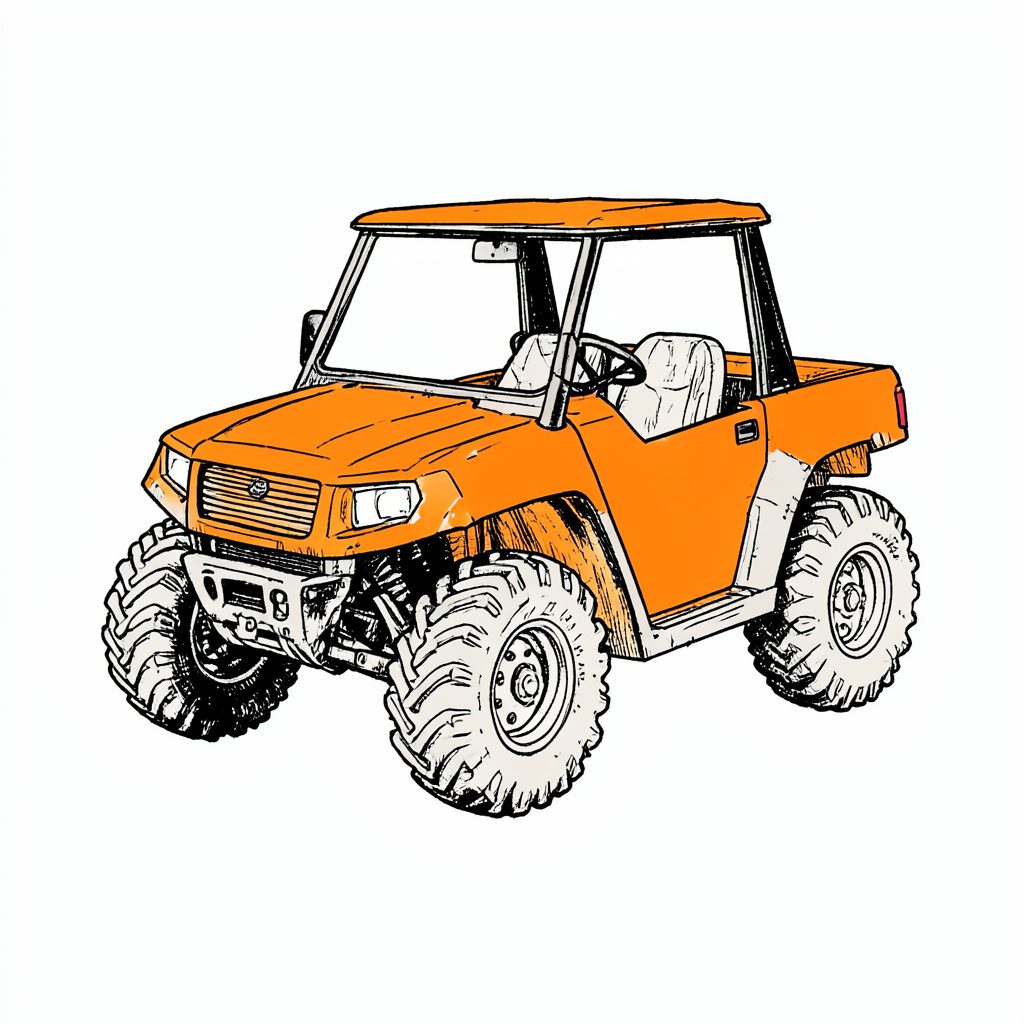
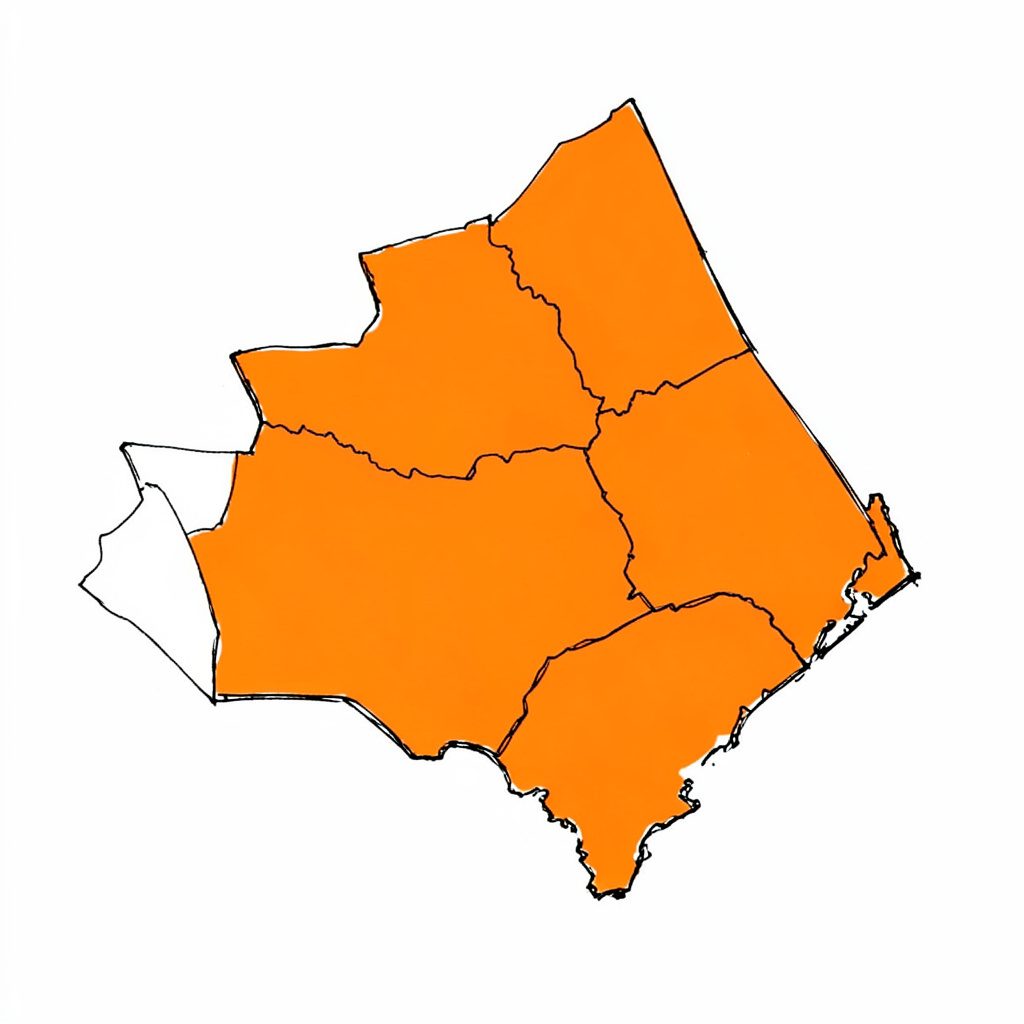
Tucked into pristine old Florida land in Flagler County, Florida Cracker Ranch is a family oriented outdoor adventure club where kids, parents and thrill seekers share the same trails, campsites and waterways.
Adventure Memberships available — families and singles welcome.
Reserve Your SpotWelcome to Florida Cracker Ranch
Often called Nature's Theme Park, our grounds invite families to ride ATV trails, splash through the swamp buggy area, pitch a tent, cast a line and explore old Florida hiking paths. Discover why members keep coming back season after season.
What You Can Do Here
ATV Trails
Marked routes for every skill level, including a peewee section.
Dirt Bikes
Dedicated dirt bike area built for two wheel adventure.
BMX & Mountain
Pedal powered BMX and mountain bike trails.
Swamp Buggy
Spacious swamp buggy area for big rig fans.
4x4 & Mud Trucks
Deep ruts and splash zones for 4x4s and mud trucks.
Skeet Range
Skeet shooting range in a controlled setting.
Camping
Membership campsites on a first come, first served basis.
Horse Trails
Scenic horse trails and riding paths.
An Old Florida Tradition
We honor the cracker way of life with old Florida outdoor living, traditional lodging, hiking and nature trails, plus fishing, swimming and beach access for members and their guests.
- Membership camping on a first come, first served basis
- Old Cracker Style Lodging cabins planned for overnight stays
- Old Florida hiking and nature trails
- Fishing, swimming and beach access
- Horse trails and riding

By the Numbers
The quietest corners of the ranch for nature photography
Florida Cracker Ranch sits tucked into the soft, rolling country of Flagler County, where the edges of pine flatwoods bleed into cypress sloughs and the sky stretches wide enough to make a Sydneysider homesick for the horizon. For photographers who travel light and wake early, the property offers a rare kind of silence: not the absence of sound, but a layered quiet where herons stalk and wind moves through saw palmetto without traffic noise to drown it out.
Australian visitors, especially those used to the red dust of the MacDonnell Ranges or the wet eucalyptus forests near Melbourne, often arrive expecting swampland and alligators and little else. The reality is far richer. The ranch holds dozens of micro-habitats within a few square kilometres, and the trick to capturing them is knowing which corners stay still long enough for a tripod to settle. This guide is built for members and guests who want to spend a full day with a camera and come back with frames that feel untouched.
Photographers who chase fog at sunrise or work with long exposures on still water will find the ranch surprisingly forgiving. Most trails branch off into shaded pockets where the breeze dies, and several ponds act as natural mirrors when the light is right. The network of old logging roads, horse paths, and foot trails means there is always a quieter alternative to the main routes, even on busy weekends.
Because the ranch is private and membership-based, the pressure on these quiet spots is light compared with public Florida parks. Members who commit to leave-no-trace habits and learn the rhythm of the land are rewarded with scenes that look like they belong in a coffee-table book, not a tourist brochure. Access details, campsite availability, and seasonal calendars are all listed on the Florida Cracker Ranch website for anyone planning a trip.
Hidden cypress swamps and mirror-still ponds
A short walk from the main barns, the cypress domes hold water so dark it reads as polished obsidian in the right light. These are the most reliable spots for reflection shots during the first hour after sunrise, when the air is still cool and the Spanish moss barely stirs. Photographers working with polarisers will want to keep them handy; the glare on tannin-stained water can flatten a composition in seconds.
The ponds west of the horse paddock are particularly rewarding in late autumn, when the cypress needles turn copper and the water level drops enough to reveal cypress knees in sculptural clusters. Bring a mid-range zoom and a sturdy tripod, because the light filters through the canopy in shifting bands. A 24-70mm lens covers most compositions, though a longer reach helps when a barred owl settles on a distant limb and refuses to turn around.
These spots stay quiet for a reason: they require slow, deliberate movement and rubber boots. Anyone stomping through in trainers will stir up sediment and spook the limpkins feeding along the muddy edges. Members who treat the swamp edges like a gallery, the way a Melburnian treats the Royal Botanic Gardens, get the best results.
Old-growth oak hammocks at dawn
South of the central pasture, a stretch of live oak hammock feels older than the ranch itself. The branches twist low, and in the blue hour before dawn, the canopy forms natural archways that frame the sky beautifully. This is the corner of the property where soft, diffused light works best, and where photographers chasing mist and fog will spend most of their time.
The hammock holds a small population of white-tailed deer and the occasional wild turkey, both of which move through at first light. A telephoto zoom in the 100-400mm range lets you stay back far enough to avoid disturbing them. Patience matters more than gear here: a single frame of a buck stepping through fog is worth an hour of waiting.
Visitors from Brisbane or Adelaide will notice the canopy is dense, almost jungle-like, and the understorey is sparse. That openness is what makes the hammock so photogenic. At the edges where light breaks through, small wildflowers like the nierembergia bloom in scattered patches after summer rains, offering macro subjects for photographers carrying a dedicated lens. The trail loops back to the main road through a corridor of ferns that catch dew well into the morning, so plan to shoot on the way in and the way out.
Forgotten flatwoods and creek bluffs
The pine flatwoods are easy to miss because they look plain from a distance. Up close, though, they reveal a texture that translates beautifully into black-and-white work. Longleaf pines stand at irregular intervals, and the wiregrass underneath catches sidelight in ways that feel almost cinematic. This is the corner of the ranch where minimalist compositions work best.
The flatwoods also border the skeet shooting range and several hiking loops, so noise levels vary by the hour. Early morning, before the range opens, is the calmest window. Photographers who want clean soundtracks for video work or who simply hate the clatter of shotguns should plan around the range schedule, which is posted in the trail maintenance guide for members.
The wiregrass itself is a quiet star. When backlit by low sun, every blade seems to glow, and the pine trunks become dark vertical accents. A wide-angle lens with a small aperture is ideal, and a circular polariser can cut the haze that builds up in the warmer months. Photographers used to the spinifex country near Uluru will recognise the same flat, sun-bleached geometry.
Further east, the slow-moving creeks run between sandy bluffs that rise a few metres above the water. These are the spots for long-exposure work, especially when a graduated ND filter is part of the kit. Sandhill cranes and little blue herons hunt the shallows, and the light is usually best about an hour before the sun crests the tree line. Aussie travellers familiar with the tidal creeks of the Top End or the billabongs of the Kimberley will find the scale different but the rhythm familiar.
Comparing the quietest spots at a glance
What follows pulls together the most reliable calm corners, ranked by the kind of light and subject they reward. Photographers planning a single day can use it to build a loop that catches different conditions without doubling back.
| Spot | Best light | Typical subjects | Access | Recommended lens |
|---|---|---|---|---|
| Cypress ponds (west paddock) | Sunrise, still air | Herons, reflections, mist | Boots required | 24-70mm |
| Live oak hammock | Blue hour, dawn | Deer, turkeys, fog | Easy loop | 100-400mm |
| Pine flatwoods | Early morning, pre-range | Songbirds, wiregrass texture | Open trail | 16-35mm |
| Sandy creek bluffs | Pre-sunrise, overcast | Cranes, long-exposure water | Moderate climb | 24-70mm + ND |
| Hammock edge (north firebreak) | Twilight | Raccoons, armadillos, low light | Easy | 50mm f/1.8 |
Twilight edges where wildlife emerges
As the day cools, the ranch's quietest corners shift from open ground to woodland edges. The transition zone between pine flatwoods and hardwood hammock is where raccoons, armadillos, and the occasional bobcat start to move. Photographers who stay out past sunset, when the light goes amber and then blue, get access to behaviours that daytime visitors never see.
This is also the window when insect activity peaks, so long sleeves and repellent are non-negotiable. A headlamp with a red-light mode is useful for packing up without destroying your night vision, and a fast prime lens (think 50mm f/1.8 or faster) will gather what little light remains. Members who shoot video should bring a shotgun mic, because the soundscape after dark is part of the story.
Australian photographers used to spotlighting for possums in the Dandenongs or foxes in the ACT will know the patience this kind of work demands. The reward is genuine: glowing eyes in the undergrowth, a sudden rustle in the palmetto, and frames that feel like secrets. The ranch is generous with this kind of light, but only to those who linger.
Practical quiet spots and member etiquette
A short, non-exhaustive list of the calmest places to set up a tripod, based on recent member reports and ranger notes:
- The cypress pond west of the horse paddock, accessible from the southern trailhead
- The live oak hammock south of the central pasture, best entered from the east loop
- The wiregrass flat east of the skeet range, before the range opens for the day
- The sandy bluff overlook on the eastern creek, reached via the lower trail
- The hammock edge at the junction of the north and west firebreaks
Etiquette matters here, more than at most outdoor venues. The ranch runs on members who respect the land, so the usual rules apply: pack out everything, stay on marked paths when the ground is soft, and keep voices low near known wildlife corridors. After long days in the field, members sometimes browse the latest ranch updates for everything from weather notes to evening entertainment ideas.
For anyone booking a stay or considering a membership, the seasonal calendar and guest privilege details are listed on the main site. A little planning goes a long way, especially if you're flying in from Hobart, Cairns, or a coastal town somewhere in between and only have a few clear mornings to work with.
Gear worth packing for quiet spots
A few items that earn their weight in this terrain:
- A lightweight travel tripod, ideally under 1.5kg
- A circular polariser for cutting glare on tannin-stained water
- Rubber boots or waterproof hiking shoes for the swamp edges
- A mid-range zoom (24-70mm) and a telephoto (100-400mm)
- A headlamp with a red-light mode for twilight pack-ups
- A small pack towel for drying gear after creek crossings
Best windows for stillness and light
The following seasonal and daily windows tend to deliver the calmest, most photogenic conditions:
- Late autumn for copper cypress needles and lower water levels
- Early morning, 30 minutes before to 90 minutes after sunrise
- Late afternoon on overcast days, when wind drops and contrast softens
- Twilight in summer, when wildlife activity peaks and light lingers
- The hour after a light rain, when mist lifts off the ponds
The ranch is generous with its quiet, but only to photographers who move slowly and notice small things. The corners described here are not secret so much as patient: they reward the people who arrive early, stay late, and resist the urge to fill every frame. Whether you came from Perth, Darwin, or a wheat-belt town a few hours outside Adelaide, the land here treats careful visitors well. Bring a spare battery, leave the drone in the car unless you've checked current rules, and let the silence do the work.
Get in Touch
Send us a note about memberships, guest visits or directions. Phone 386-864-3856 or email floridacrackerranch@floridacrackerranch.com. Mailing address: P.O. Box 2993 Bunnell, Florida 32110.