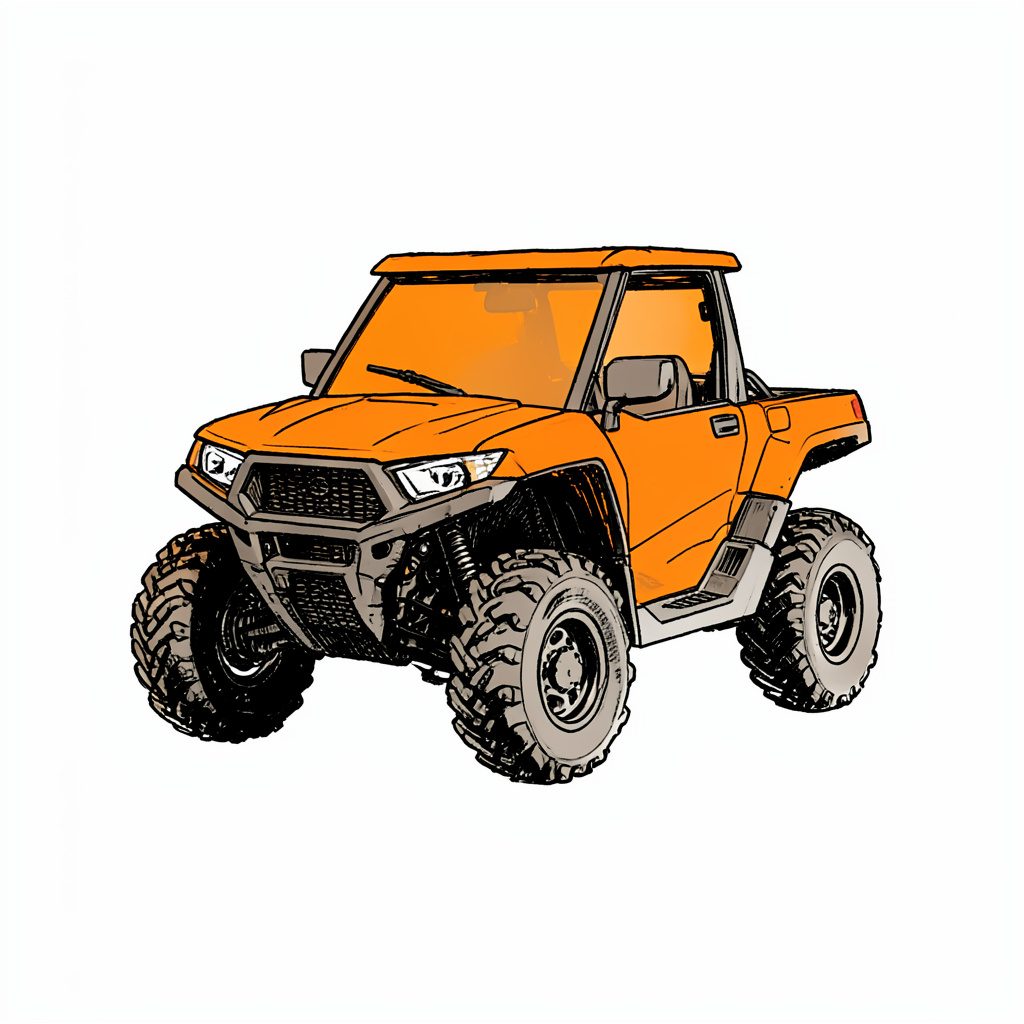
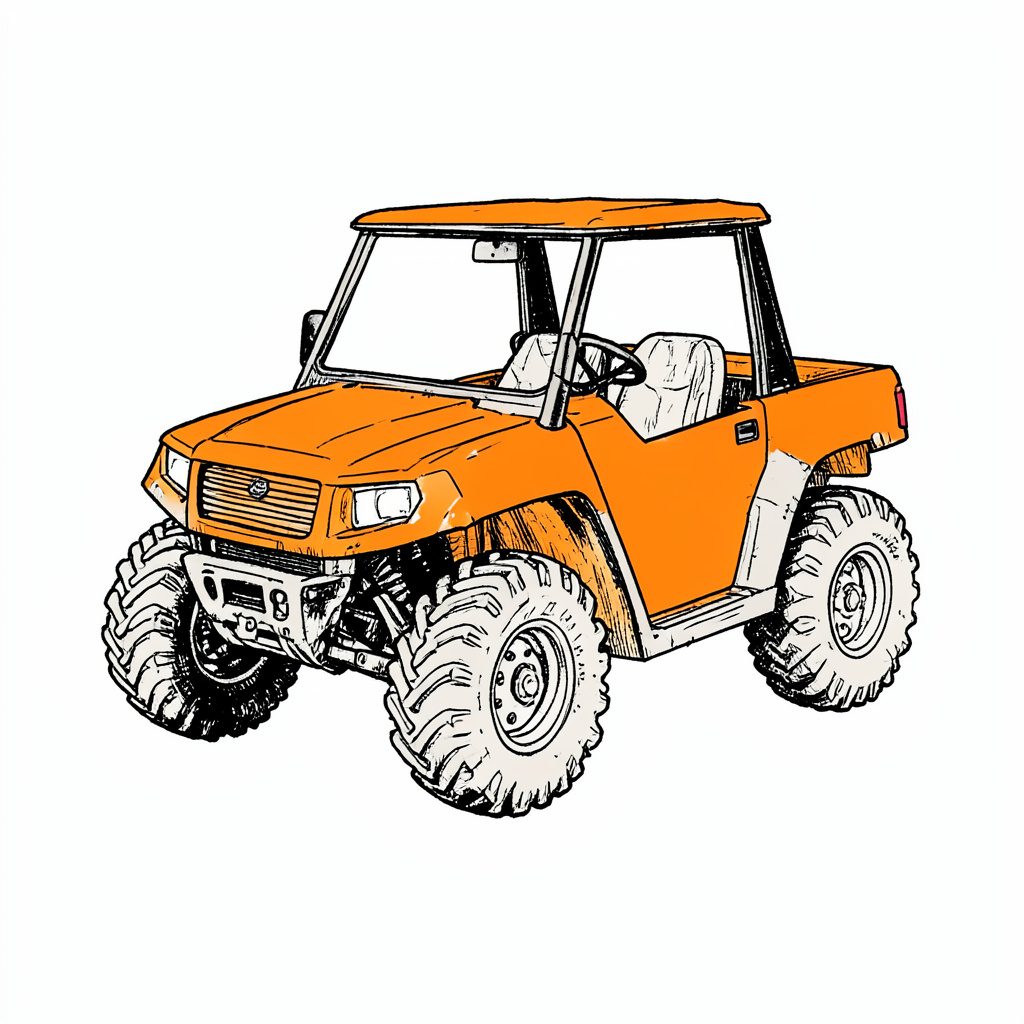
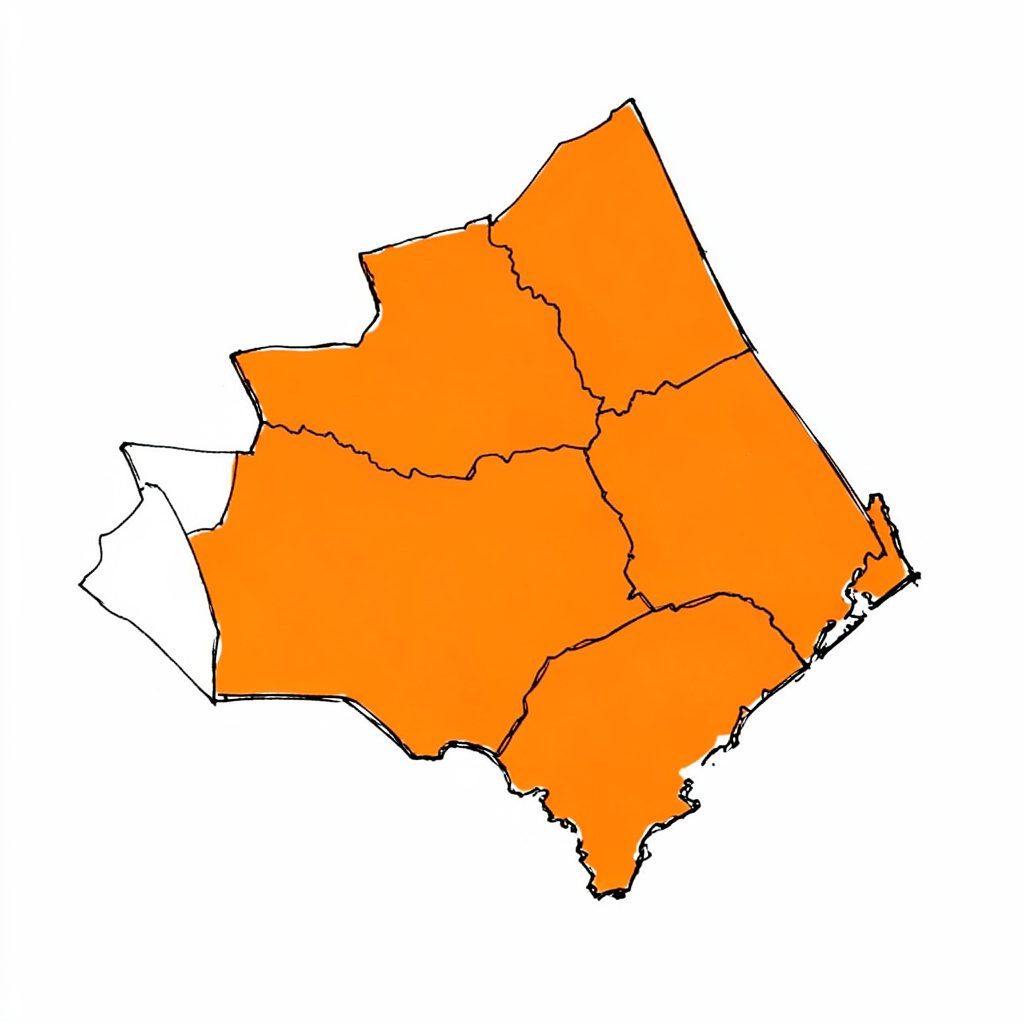
Tucked into pristine old Florida land in Flagler County, Florida Cracker Ranch is a family oriented outdoor adventure club where kids, parents and thrill seekers share the same trails, campsites and waterways.
Adventure Memberships available — families and singles welcome.
Reserve Your SpotWelcome to Florida Cracker Ranch
Often called Nature's Theme Park, our grounds invite families to ride ATV trails, splash through the swamp buggy area, pitch a tent, cast a line and explore old Florida hiking paths. Discover why members keep coming back season after season.
What You Can Do Here
ATV Trails
Marked routes for every skill level, including a peewee section.
Dirt Bikes
Dedicated dirt bike area built for two wheel adventure.
BMX & Mountain
Pedal powered BMX and mountain bike trails.
Swamp Buggy
Spacious swamp buggy area for big rig fans.
4x4 & Mud Trucks
Deep ruts and splash zones for 4x4s and mud trucks.
Skeet Range
Skeet shooting range in a controlled setting.
Camping
Membership campsites on a first come, first served basis.
Horse Trails
Scenic horse trails and riding paths.
An Old Florida Tradition
We honor the cracker way of life with old Florida outdoor living, traditional lodging, hiking and nature trails, plus fishing, swimming and beach access for members and their guests.
- Membership camping on a first come, first served basis
- Old Cracker Style Lodging cabins planned for overnight stays
- Old Florida hiking and nature trails
- Fishing, swimming and beach access
- Horse trails and riding


By the Numbers
Campfire coffee with a taste of Old Florida
At Florida Cracker Ranch in Flagler County, a campfire coffee can be the first ritual of the day, not merely a drink. The smell of coffee drifting toward tents, hitching rails and family picnic tables captures the ranch’s mix of woods, open country and Old Florida hospitality. It also gives guests something warm to hold while horses are saddled, bikes checked and plans for the lake or trails take shape.
A feature on The Taste of Old Florida: Campfire Coffee Recipes suits that setting because it treats brewing as part of the outdoor experience. There is no polished café machine in the middle of a pine clearing, yet careful technique can produce a cup with more character than a hurried one at home. Simple gear, good beans and control of the fire matter more than expensive equipment.
Australian campers will recognise the familiar camp kettle, often called a billy, and the custom of keeping coffee going for the morning. Metric measures make camp recipes predictable: a 15 g coffee-to-250 ml water ratio is a useful starting point. Even the language fits, from an arvo coffee to a proper brekkie cuppa, while a small flat white or long black remains the standard café order Down Under.
The practical challenge is heat. A bright Florida morning warms quickly, but a campsite also sits close to grass, scrub and fallen timber, so flames deserve the same respect as the coffee. In NSW, a Total Fire Ban can prohibit open fires and restrict what campers may use; other states apply local rules that differ by season and district. Check the current fire danger before lighting anything, and use a raised, stable fire area where permitted.
Coffee before the morning comes
Choose a medium roast with notes of chocolate, toasted nut or citrus, especially if the coffee will be served with breakfast outdoors. A darker roast stands up to a percolator or prolonged kettle brew, while a lighter, fruitier roast rewards a short pour-over. Buy enough for the whole group but keep it sealed and dry; damp beans lose aroma quickly and can develop a stale, flat taste.
Start with 15 g of coarsely ground coffee for every 250 ml of filtered water. Heat the water to just below a rolling boil, around 94–96°C, then wet the grounds and wait 30 seconds. Pour slowly in three stages, letting the bed drain between pours. The result should be clean and balanced, with no bitter edge. This simple method shares the visual warmth of a modern Hollywood homage: a practical action made memorable by atmosphere and careful timing.
For citrus-flavoured coffee, add one wide strip of orange peel to the brewing water, then remove it before the grounds go in. A cinnamon stick or a teaspoon of dark cocoa can deepen the aroma without turning the drink into a sweet dessert. Taste before adding sugar; Australian palates often prefer the coffee’s bitterness to stay clear, especially beside fruit, pancakes or a camp breakfast.
Building a campfire brew
A percolator is the most forgiving choice for four to six campers because it keeps the brew hot over steady coals. Fill the reservoir with 1.5 litres of water and the basket with about 55 g of coarse coffee. Put the basket and water in, light the coals away from the tent, and set the percolator on a metal support so it never sits directly over flame. Expect the first coffee in roughly eight minutes, followed by a stronger second round.
For a broad enamel pot, use 30 g of extra-coarse coffee per 500 ml of water. Bring it to a boil, lift it away from the heat, and let it stand for three minutes so the grounds settle. Ladle from the top into mugs. This is the classic cowboy-coffee method, but it is worth avoiding a last, sediment-heavy mouthful and filtering any stray grounds through a clean cloth. The coffee should taste robust, not gritty.
An overnight cold brew is the quiet alternative. Combine 45 g of coarse coffee with 750 ml cold water in a lidded glass jar, shake, and refrigerate it in a cooler with ice. After 12 to 16 hours, strain it through a paper filter. It is smooth and low in acidity, making it useful for families who want coffee but dislike the heat of a noon brew. Pack the jar upright in a sealed bag so one sharp turn cannot undo the careful measuring.
Old Florida flavour, Australian camp style
Florida’s citrus and ranch heritage inspire a simple camp latte that travels well. Brew 30 g of coffee with 120 ml water, let it rest, then top with 120 ml steamed milk and a small amount of honey. Orange zest supplies the Old Florida note. For the Australian version, use full-cream milk for body or skim milk for a lighter result, and serve it in a small flat white cup rather than a large tumbler. This mirrors the compact coffee sizes common in Australian cafés.
A second cup can borrow the region’s frontier practicality. Stir one teaspoon of instant coffee into a mug of hot percolator coffee, then add a splash of water or milk. The result is a quick camp-house brew that is stronger but not bitter. It suits early starts at the beginner dirt-bike trails, where a hot drink before helmets, gloves and mechanical checks can feel more substantial than a pastry at the trailhead.
Local Australian habits can sharpen the whole ritual. Fill a small stainless-steel pot with water and set it among the coals, not on top of them, so the base stays insulated and the flame does not scorch the metal. Take a “BYO” mug and a spoon if the campsite does not supply them. A phrase borrowed from Aussie campfire culture is enough for the mood: “coffee’s ready”. The equipment may be modest, but the timing and hospitality are precise.
Coffee around the campfire
Coffee becomes a social centre at Florida Cracker Ranch, where families can move between hiking, fishing, swimming, BMX and four-wheel driving. Set out mugs, dry coffee, a kettle, water and a bowl for used grounds before anyone leaves. Serving it beside the fire after the activities gives everyone an easy place to compare stories, while a carafe keeps the strongest brew away from children’s cups and the temperature stable for later riders.
Outdoor film nights are another natural setting for the drink. Choose a family feature with a gentle pace, warm enough for blankets but simple enough to follow after a long day outside. For a broader international film menu, the Nepali cinema collection offers an unexpected source of titles. Coffee beside a screen changes from a morning fuel into part of the shared camp experience, especially when the flavour carries hints of orange, cocoa or cinnamon.
| Method | Best group size | Camp setup | Approximate time | Cup character |
|---|---|---|---|---|
| Percolator | 4–6 | Stable coals and metal support | 8–12 minutes | Rich and familiar |
| Kettle pour-over | 1–2 | Filter, mug and narrow spout | 4–5 minutes | Clean and aromatic |
| Cowboy pot | 2–4 | Enamel pot and ladle | 8–10 minutes | Full-bodied |
| Overnight cold brew | 2–4 | Lidded jar and cooler | 12–16 hours | Smooth and low-acid |
Fire, flavour and the final cup
Taste before serving, especially after the fire has been rebuilt through the night. Coffee can absorb smoke if a pot sits too close to the coals, and a bitter or ashy flavour cannot be repaired with milk. Keep a clean spare filter nearby, wipe the rim of the percolator, and cover the brew while it rests. These small habits protect the clean, bright flavour that makes a campsite cup memorable.
Campfire coffee also needs food nearby. Biscuits, bananas and oranges balance a stronger roast, while smoked cheese or eggs suit a percolator batch. At Florida Cracker Ranch, annual adventure memberships, campsite guest privileges and traditional Old Florida lodging make it possible to build a whole weekend around the outdoors rather than treating coffee as an isolated stop. Current gatherings and activity dates appear on the ranch event calendar.
The final cup should reflect the place: simple, strong enough for a cool morning and bright enough to taste the beans. Brew one small batch first, adjust the grind or water ratio, then serve the rest. The practical next step is to place 15 g of coffee, 250 ml of water and a filter beside the cleaned kettle tonight, ready for the first pour after sunrise.
Get in Touch
Send us a note about memberships, guest visits or directions. Phone 386-864-3856 or email floridacrackerranch@floridacrackerranch.com. Mailing address: P.O. Box 2993 Bunnell, Florida 32110.