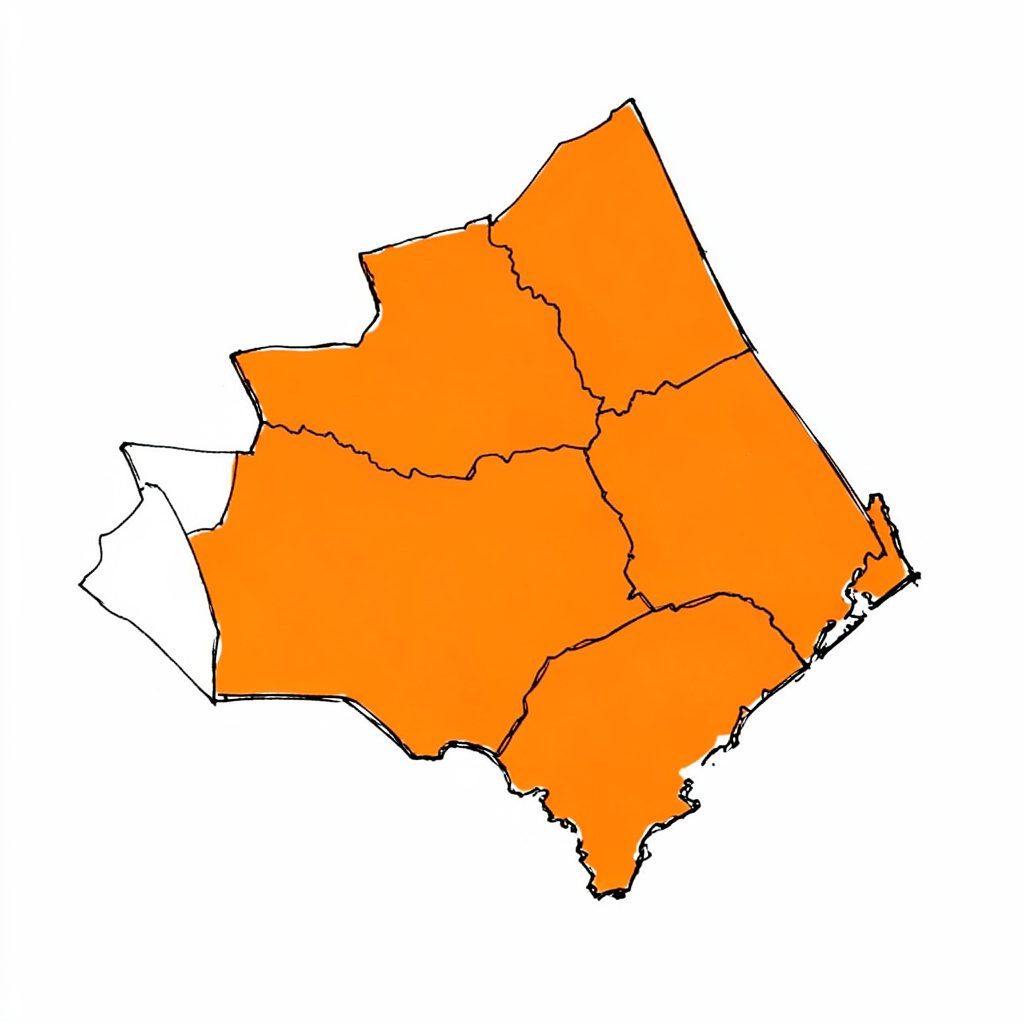
Tucked into pristine old Florida land in Flagler County, Florida Cracker Ranch is a family oriented outdoor adventure club where kids, parents and thrill seekers share the same trails, campsites and waterways.
Adventure Memberships available — families and singles welcome.
Reserve Your SpotWelcome to Florida Cracker Ranch
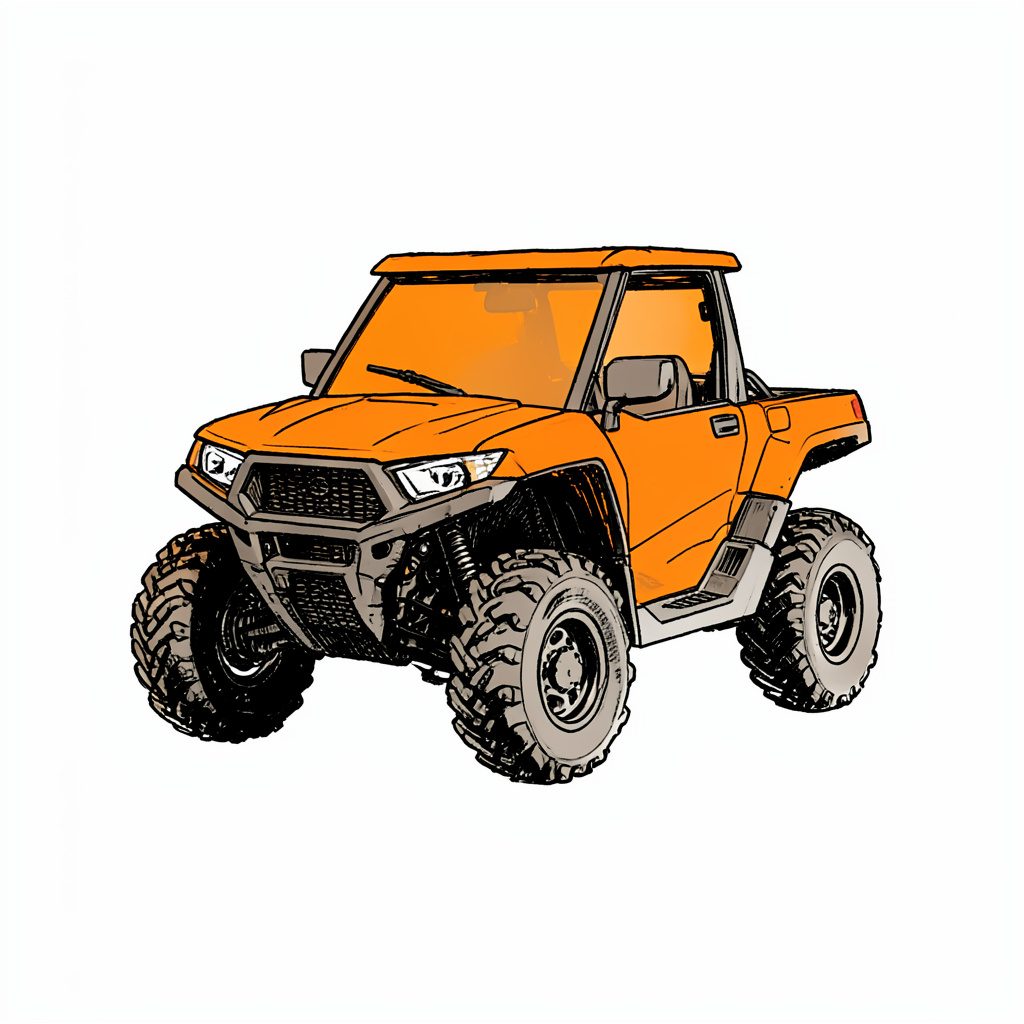
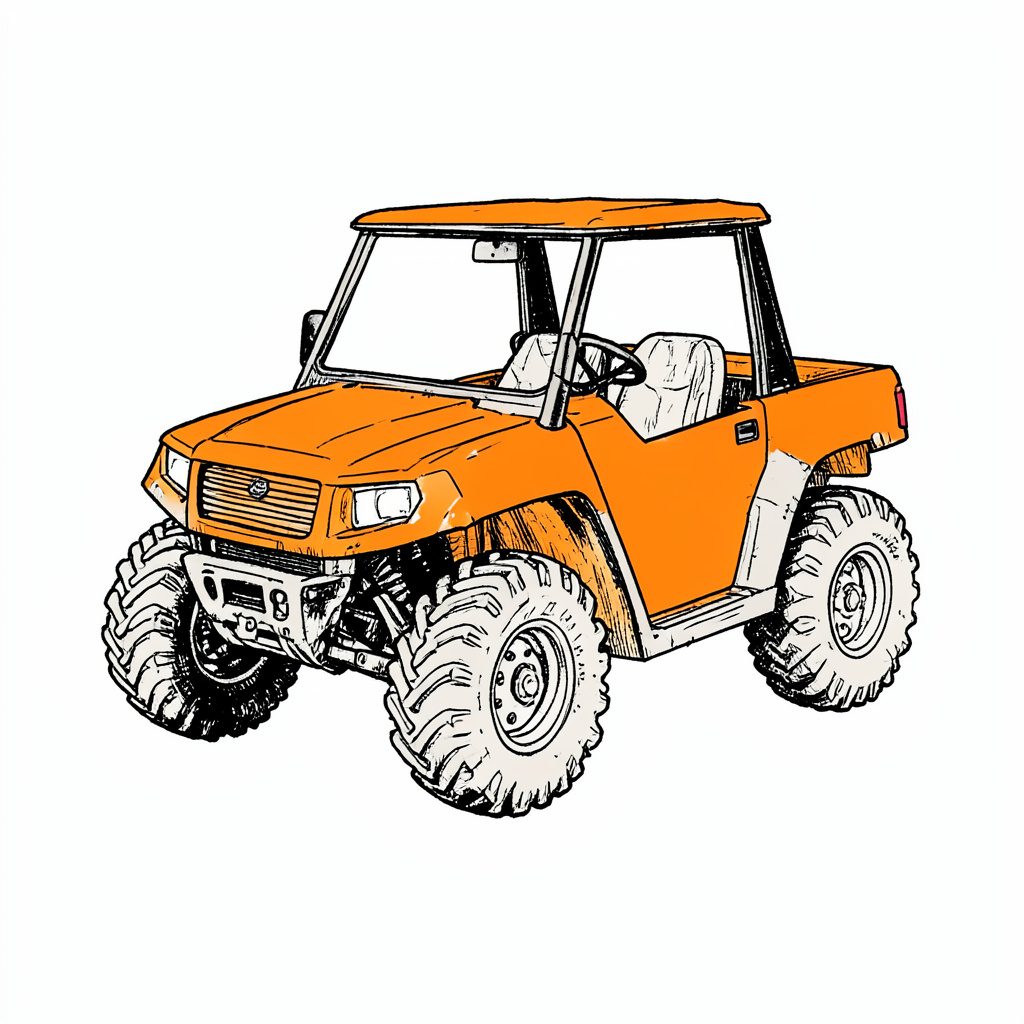
Often called Nature's Theme Park, our grounds invite families to ride ATV trails, splash through the swamp buggy area, pitch a tent, cast a line and explore old Florida hiking paths. Discover why members keep coming back season after season.
What You Can Do Here
ATV Trails
Marked routes for every skill level, including a peewee section.
Dirt Bikes
Dedicated dirt bike area built for two wheel adventure.
BMX & Mountain
Pedal powered BMX and mountain bike trails.
Swamp Buggy
Spacious swamp buggy area for big rig fans.
4x4 & Mud Trucks
Deep ruts and splash zones for 4x4s and mud trucks.
Skeet Range
Skeet shooting range in a controlled setting.
Camping
Membership campsites on a first come, first served basis.
Horse Trails
Scenic horse trails and riding paths.
An Old Florida Tradition
We honor the cracker way of life with old Florida outdoor living, traditional lodging, hiking and nature trails, plus fishing, swimming and beach access for members and their guests.
- Membership camping on a first come, first served basis
- Old Cracker Style Lodging cabins planned for overnight stays
- Old Florida hiking and nature trails
- Fishing, swimming and beach access
- Horse trails and riding


By the Numbers
The right way to clean your gear after a swamp buggy ride
Swamp buggy rides leave more than a layer of mud behind. Water, sand, grass, insects and unidentified wildlife can work into clothing, boots, helmets, goggles and vehicle fittings. At Florida Cracker Ranch, members and campsite guests can tackle several kinds of outdoor adventure, so returning with organised, clean equipment benefits everything that comes later.
Start by separating what needs rinsing from what needs only brushing and airing. A helmet liner, waterproof jacket and muddy pair of boots each require different care, while camera equipment and electronic accessories should never be treated to a heavy dose of water. Cleaning as soon as possible prevents mud from hardening into a stubborn crust.
Australian families should also prepare for some familiar differences. Trail distances and speed limits may appear in miles, so a 10 mph sign equals about 16 km/h. Visitors drive on the left at home but on the right in Florida, and Australian 240-volt chargers may require a suitable 120-volt step-down adapter. Many travellers plan from Sydney, Melbourne, Brisbane or Perth and compare prices in Australian dollars with the ranch’s US-dollar prices. Aussies also call the storage space of a car the boot, while Americans generally call it the trunk.
Prepare for the return
Check the latest ranch updates before setting out and again when returning, particularly for trail conditions, weather notices and any changes to vehicle collection points. Florida weather can switch from intense sunshine to a heavy downpour within an hour, and the resulting mud may be deeper than conditions suggested earlier in the day.
Bring a manageable kit rather than relying on finding everything at the site. Useful items include a plastic tub, rubber gloves, stiff-bristled and soft brushes, microfiber cloths, laundry bags, clean water and a mild detergent. Keep each item in a labelled container so the gear that needs washing can be found without unpacking the entire vehicle.
Before leaving the buggy, check your skin, hair and clothing for ticks and inspect boots and seams for Florida fire ants. A quick check around ankles, waistbands and the neck is sensible after travelling through wet vegetation. Treat any sting immediately and wash the affected area, rather than waiting until the cleaning station is set up.
Build a simple cleaning station
Choose a level patch away from the campfire, food preparation area, wildlife routes and storm drains. Muddy water should not be poured into a creek or allowed to run across the campsite. If the ranch provides a designated washing area, use it and ask staff where collected water should be discharged.
A short, practical clean-up routine will prevent one muddy item from contaminating the rest:
- Use a low-sided tub for soaking muddy boots, removable liners and other washable items.
- Keep wet clothing separate from helmets, goggles, dry bags and clean towels.
- Brush heavy mud away before adding water, because trapped grit can scratch surfaces and damage fabric.
- Use mild detergent rather than harsh bleach or solvent on technical clothing and vehicle trim.
- Store cleaned items on a rack or clean tarpaulin where they can drain without touching bare ground.
Work from the dirtiest items to the cleanest, and rinse brushes and gloves before handling goggles, phones or food. If the mud contains plant material or anything irritating, disposable gloves protect your hands and prevent it from spreading around the camp.
Wash clothing and footwear carefully
Allow loose mud to fall away before washing, then brush the remaining material from seams, cuffs and shoe openings. Turn waterproof trousers inside out and close their zippers so detergent does not trap inside the fabric. Check the care label, as membranes and coatings may need a specific wash program or a simple rinse.
For ordinary shirts, shorts and socks, lukewarm water and a small amount of mild detergent are usually enough. Wash heavily soiled items separately and avoid overloading the machine, since packed fabric does not rinse properly. Air them outdoors instead of relying on a dryer that could damage bonded seams or shrink elasticated panels.
Remove laces and insoles from boots before washing. Knock out dried clumps, rinse the soles and use a soft brush around the tread. Do not soak leather boots for hours; wipe them with a damp cloth, apply a suitable leather conditioner once dry and replace any wet insoles to prevent odour and mould.
Clean helmets, goggles and muddy fittings
A helmet needs the gentlest treatment possible. Remove only the liner or padding the manufacturer identifies as washable, wash it according to the care instructions and let it dry completely before refitting it. Never immerse the hard shell, immerse the visor or direct high-pressure water at ventilation openings.
Goggles need particular attention because scratches and hazy coatings affect visibility. Rinse loose dirt away, clean the strap and housing with mild soapy water, and use a microfiber cloth rather than grit or an abrasive sponge. Replace a heavily scratched lens rather than risking glare and distorted vision. Clean lenses also matter when the group later walks toward the nearby lighthouse, where reflected sunlight can make an unsafe visor even harder to ignore.
The buggy itself deserves a slower inspection than most visitors expect. Remove mud from footwells, pedals, seat belts and battery areas with a brush and low-pressure water. Clear drains so water does not sit inside the bodywork, but avoid pressure-washing bearings, electrical connections or components marked for dry maintenance. Check the owner’s manual for any prescribed lubrication or filter cleaning.
Dry gear before it goes in the car
Damp gear packed into a hot car develops mildew and musty smells quickly, especially in humid Flagler County. Hang jackets and trousers on a broad hanger, separate the layers and place them where air can move around them. Turn waterproof garments inside out during the initial drying period so trapped moisture can escape.
Spread boots apart with newspaper or absorbent paper inserted loosely inside them. Replace the paper as it becomes wet and avoid packing the boots while the soles remain damp. A fan can speed the process, but direct heat from a campfire, heater or dashboard should not be used because it may shrink fabric, harden adhesives or damage a helmet liner.
Check smaller items before packing: helmet straps, camera pouches, phone cases, gaiters and the muddy compartment beneath the seat. Remove memory cards and batteries from any electronics and keep them dry. Once everything feels room-dry rather than merely surface-dry, place it in clean bags or a ventilated plastic storage box.
Protect the rest of camp
Cleaning becomes easier when wet gear stays away from the part of camp used for eating and relaxing. Hang washing on a separate line if possible, and keep muddy footwear beneath the tent edge where it cannot drip across sleeping mats. A small boot tray also stops fine particles from spreading through the campsite.
Florida mosquitoes, known as mozzies to many Australians, are most active around dusk and dawn. Apply repellent as directed, cover exposed skin and empty standing water from coolers, buckets and tyre tracks. Sunscreen is equally important because open shade can be limited, and Australian families accustomed to strong UV should reapply it after sweating or swimming.
Muddy clothes should never be placed close to an open flame because damp fabric can smoulder. Keep them outside the tent and well away from the cooking area. While planning the evening, families can find campfire family ideas that do not depend on everyone wearing their mud-stained riding gear.
Wash hands with soap before preparing food, and keep drinking water in a sealed container. Clean boots and equipment also reduce the chance of bringing seeds and insects into the tent. When guests have finished for the day, a quick sweep of the campsite leaves more room for children to play and allows the whole group to settle in without tracking mud through the accommodation.
Make clean-up part of every adventure
A repeatable routine is more useful than attempting a complete restoration after every ride. At the end of each outing, remove valuables from pockets, brush down the buggy, identify soaked items and set out only the equipment that needs washing. The remaining dry gear can be packed straight away while muddy pieces dry overnight.
A labelled tub or laundry bag makes the next morning simpler. Shoes, gloves, outer layers and removable helmet liners can travel in separate wash bags, with a note recording what has already been cleaned. A quick photograph of the vehicle and gear condition also helps identify lost objects or damage before the next rental session.
Returning from outdoor activity to comfortable accommodation is a challenge for hospitality businesses in many places. The guest-focused approach associated with Fredericksburg Hospitality House reflects the same practical value in giving people a clean, organised place to put their equipment and relax. Clean gear also protects future rides by preventing hidden moisture, grit and damaged fastenings from becoming bigger problems.
Remember that good post-ride care is simple, orderly and done early: brush away the bulk, wash only what is washable, dry it fully and keep the clean equipment separate from the muddy pile. Clean gear means a fresher camp, safer equipment and a much easier start to the next adventure.
Get in Touch
Send us a note about memberships, guest visits or directions. Phone 386-864-3856 or email floridacrackerranch@floridacrackerranch.com. Mailing address: P.O. Box 2993 Bunnell, Florida 32110.