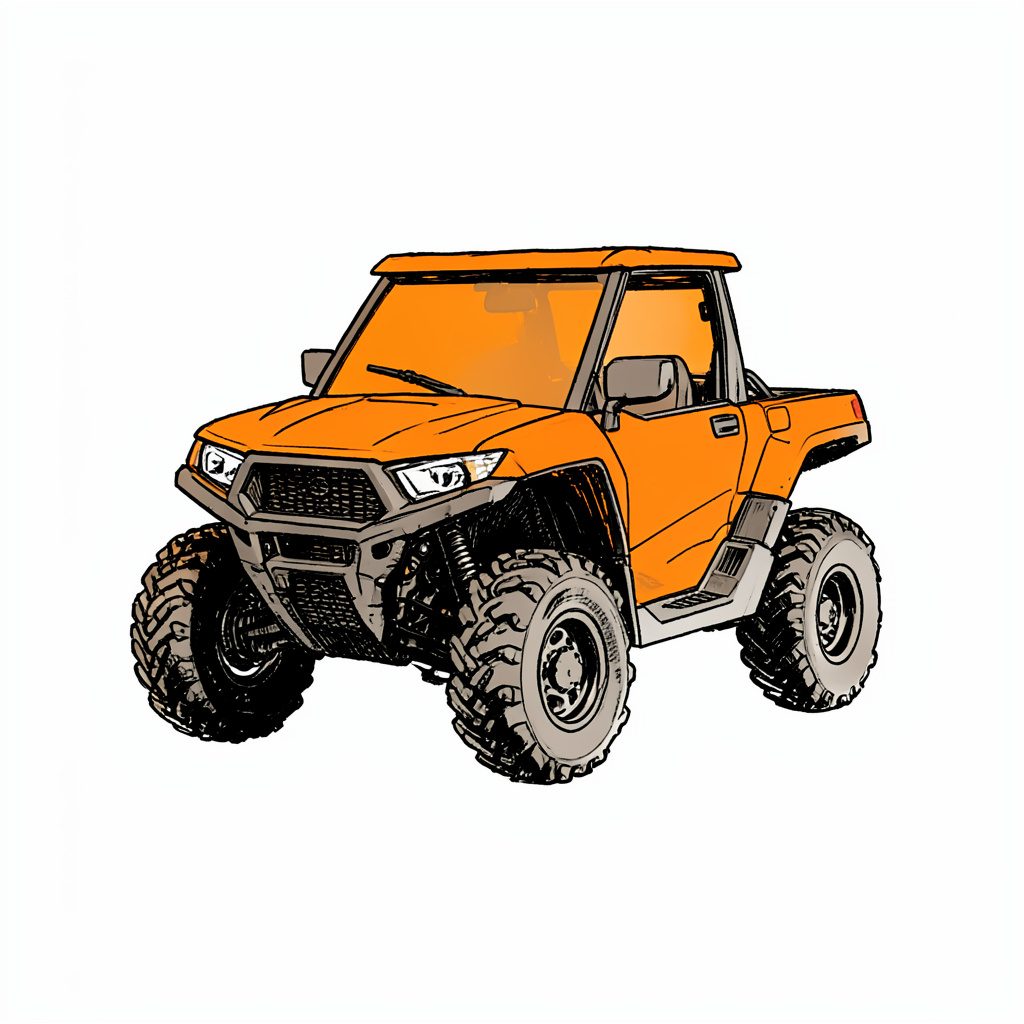
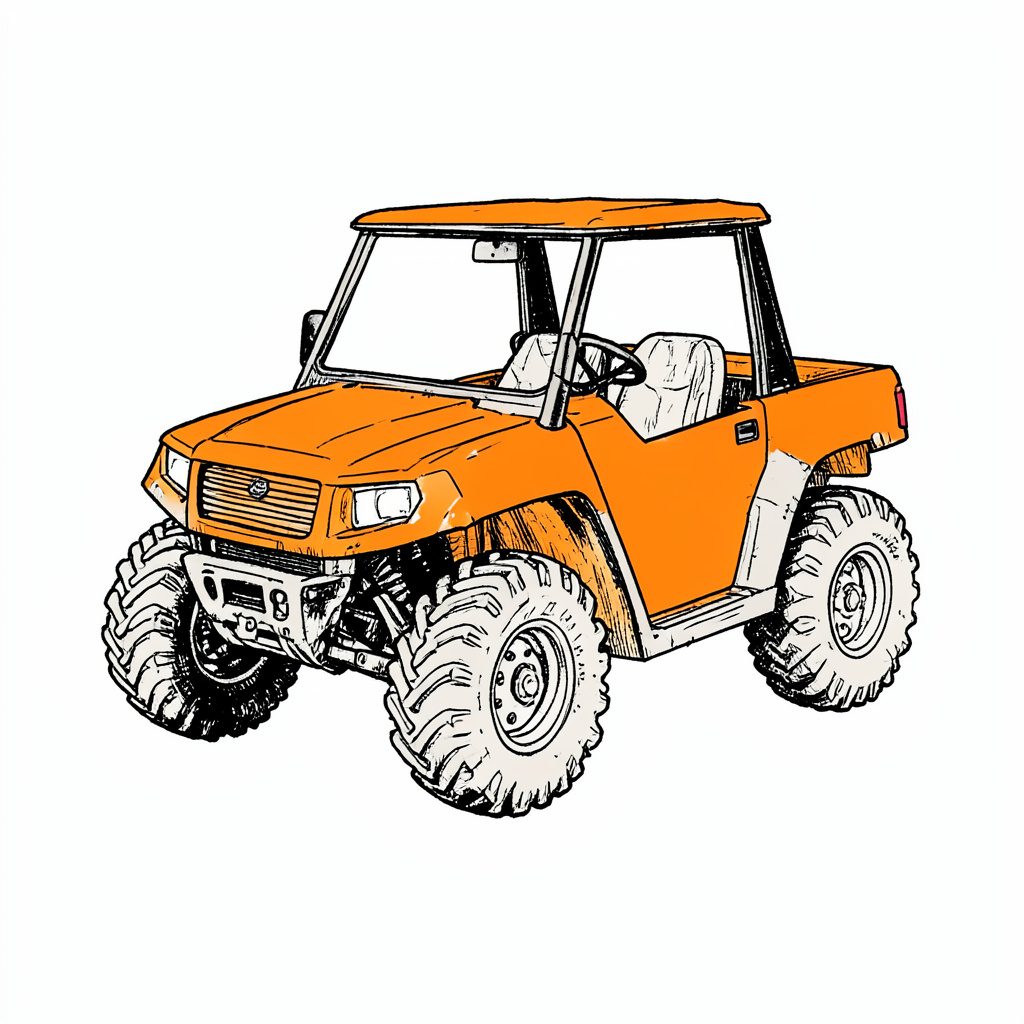
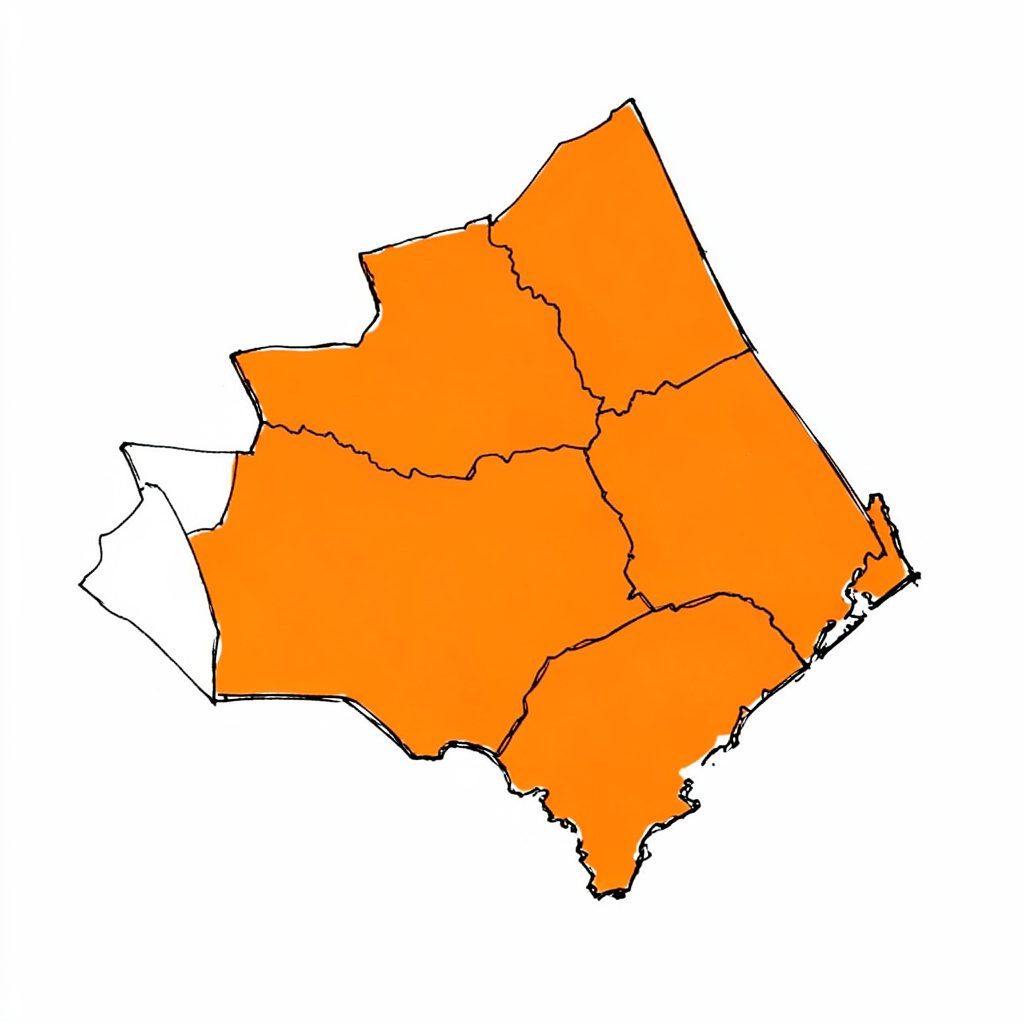
Tucked into pristine old Florida land in Flagler County, Florida Cracker Ranch is a family oriented outdoor adventure club where kids, parents and thrill seekers share the same trails, campsites and waterways.
Adventure Memberships available — families and singles welcome.
Reserve Your SpotWelcome to Florida Cracker Ranch
Often called Nature's Theme Park, our grounds invite families to ride ATV trails, splash through the swamp buggy area, pitch a tent, cast a line and explore old Florida hiking paths. Discover why members keep coming back season after season.
What You Can Do Here
ATV Trails
Marked routes for every skill level, including a peewee section.
Dirt Bikes
Dedicated dirt bike area built for two wheel adventure.
BMX & Mountain
Pedal powered BMX and mountain bike trails.
Swamp Buggy
Spacious swamp buggy area for big rig fans.
4x4 & Mud Trucks
Deep ruts and splash zones for 4x4s and mud trucks.
Skeet Range
Skeet shooting range in a controlled setting.
Camping
Membership campsites on a first come, first served basis.
Horse Trails
Scenic horse trails and riding paths.
An Old Florida Tradition
We honor the cracker way of life with old Florida outdoor living, traditional lodging, hiking and nature trails, plus fishing, swimming and beach access for members and their guests.
- Membership camping on a first come, first served basis
- Old Cracker Style Lodging cabins planned for overnight stays
- Old Florida hiking and nature trails
- Fishing, swimming and beach access
- Horse trails and riding



By the Numbers
Five ways to keep kids entertained around the campfire
Keeping kids entertained around the campfire works best when the evening offers choices rather than one long performance. A game, a story and something they can make themselves create pockets of attention, so adults do not have to entertain the whole group for hours. The aim is a comfortable rhythm, not a programme organised like a birthday party.
For families in Sydney, Melbourne and Brisbane, a bush-camp trip often means packing folding chairs, a barbecue and familiar snacks such as sausages, damper and marshmallows. School-holiday weekends and public holidays can fill popular campgrounds, while Scout groups and community-hall programmes offer useful advice about family-friendly sites, toilets and nearby activities.
The same rhythm suits a longer stay at Florida Cracker Ranch in Flagler County, where annual adventure memberships and campsite or guest privileges sit alongside hiking, fishing, swimming, cycling, horse riding and powered rides. After a busy day outdoors, the campfire becomes a shared focus and a place where the family can slow down together.
Build a predictable evening rhythm
Begin with a simple pattern: arrive, have a drink and snack, then let the children choose the first activity while the fire settles. Keep each activity between fifteen and thirty minutes. That is long enough to become involved and short enough for a restless child to leave without turning the evening into a negotiation.
Save one active game for before dusk, place a quieter task in the blue hour, and finish with stories after dinner. Let one adult lead and another watch the fire, children and belongings. This division is more valuable than making every activity equal, because the leader can change pace when a game runs long or someone needs space.
After the children are asleep, adults can choose a separate card game or conversation. This reference to adult game options gives one possible after-dark theme, though an ordinary pack of cards is easier to use at a campsite. Keep any game involving chance or money away from children, use only legal products, and switch it off when it stops feeling recreational.
Choose games for every age
A game works best when the youngest person can join in some way and the oldest child is not embarrassed to try. Pair familiar movement games with small tasks: a three-year-old can collect sticks while a teenager times a relay. Ask what the group already enjoys rather than presenting every activity as a surprise.
Keep several family campfire ideas ready on a phone or in a notebook so an adult can choose quickly when the group cannot agree. Charades suit a broad age range, story chains suit talkative children, and a simple night-time treasure hunt keeps walkers moving without needing a large space. The best idea is often the one that can be explained in one sentence.
Avoid games that repeatedly eliminate players, particularly when cousins or siblings arrive at different ages. Let everyone contribute for two rounds, then allow a voluntary new champion or no champion at all. Finish while energy is still high enough for the fire to remain the focus rather than a source of frustration.
Games for mixed ages and different energies
Start the moving games while there is still daylight, especially if the site offers bikes, horse rides or swamp buggies; at Florida Cracker Ranch, current ranch events can confirm which activities are operating. Use clear boundaries, helmets where required and equipment checked by an adult.
- Run a relay with soft balls or glow sticks instead of torches.
- Adapt backyard cricket so everyone bats and both teams keep score.
- Make a short nature hunt for bark, leaves, feathers or a particular sound.
- Try animal charades while one person acts and the others guess.
- Set a slow obstacle course using logs, markers and a tandem bicycle.
When the group cools down, switch to tasks that can be handled around a chair. These work well after dinner, when younger children may be tired but still willing to stay involved.
- Build a campsite story one sentence at a time, with each person adding a character.
- Invent a creature from leaves, stones and a folded paper bag.
- Guess objects by touch, using a small collection of safe natural items.
- Sing a familiar song quietly or add new verses about the day.
- Draw a family treasure map and mark where the imaginary camp is.
Choose one or two options rather than working through every list. Repeated play also helps children master the rules, so a simple game that becomes familiar is often more satisfying than a complicated evening of constant novelty.
Plan food, safety and local character
Turn the meal into part of the entertainment by assigning jobs that suit different ages: washing vegetables, stirring damper batter, laying plates or collecting firewood. Australian barbecue habits make this easy, but include vegetarian options and check allergies before cooking. Marshmallows can still be part of the fun, while adults handle the fire and skewers.
Local markets and community groups add variety without buying a full activity programme. Roadside produce stalls, farm-gate shops and scout-run nature activities can shape a themed evening. Keep the theme loose so weather or campground rules do not spoil it.
Fire and activity rules vary across Australia, so check the relevant state or territory fire-danger level, campground policy and supervision requirements before lighting or moving around. Adult-only leisure also deserves a legal check: licensed bonus guidance can help readers understand what a licensed offer claims, but Australian residents should remember that the Interactive Gambling Act 2001 prohibits access to certain offshore interactive gambling services, and legal ages vary by state and territory.
Keep a flexible backup plan
Wind, smoke, rain, insects and an early bedtime can change the plan at short notice. Keep card games, colouring paper, a small torch and a downloaded film in the car or a dry bag. A backup does not need to be grand; it only needs to begin quickly and work without a screen, power or suitable weather.
For a screen option, the Mexican movie collection offers titles suitable for a family wind-down, although adults should check ratings and download choices before leaving home. A familiar film can occupy older children while a tired younger child settles nearby, but it works best after the active games and a proper bedtime routine.
Quiet alternatives include reading, shadow puppets, simple crafts and a phone call to a relative. Tell the children which one will happen if rain arrives, rather than asking them to choose in the moment. Familiar options lower the chance that a change of plan becomes tears, especially for children who are tired but have not yet settled.
Compare formats and commit to a plan
Different evenings call for different balances. A sports-focused family may want movement first, while children with an early bedtime need stories near the start. Comparing the main formats makes it easier to select a sequence that fits the group, the site and the weather.
| Format | Best for | Ideal length | Australian camping consideration |
|---|---|---|---|
| Rotating games | Mixed ages and high energy | 15–30 minutes per activity | Use daylight and LED lights rather than open flames |
| Make-and-tell | Younger children and calm evenings | 20–40 minutes | Collect safe natural materials and supervise small parts |
| Food and stories | Families sharing a slower meal | 45–60 minutes | Provide allergy-safe choices and supervise the barbecue |
| Screen backup | Wind, rain or early bedtimes | One film or series episode | Download ahead and use a device with safe viewing distance |
A good combination pairs one active game, one make-or-tell activity and a quiet finish, with a weather backup held in reserve. Avoid scheduling every option; children need unstructured time as well, and the adults need a chance to enjoy the fire too. At a ranch with cycling, swimming or riding, keeping the evening light also protects tomorrow's activities.
Before the group leaves home tonight, write three activity names on separate cards: one active, one quiet and one backup. Place them beside the packed snacks, then put the first card on top of the list to start the evening.
Get in Touch
Send us a note about memberships, guest visits or directions. Phone 386-864-3856 or email floridacrackerranch@floridacrackerranch.com. Mailing address: P.O. Box 2993 Bunnell, Florida 32110.