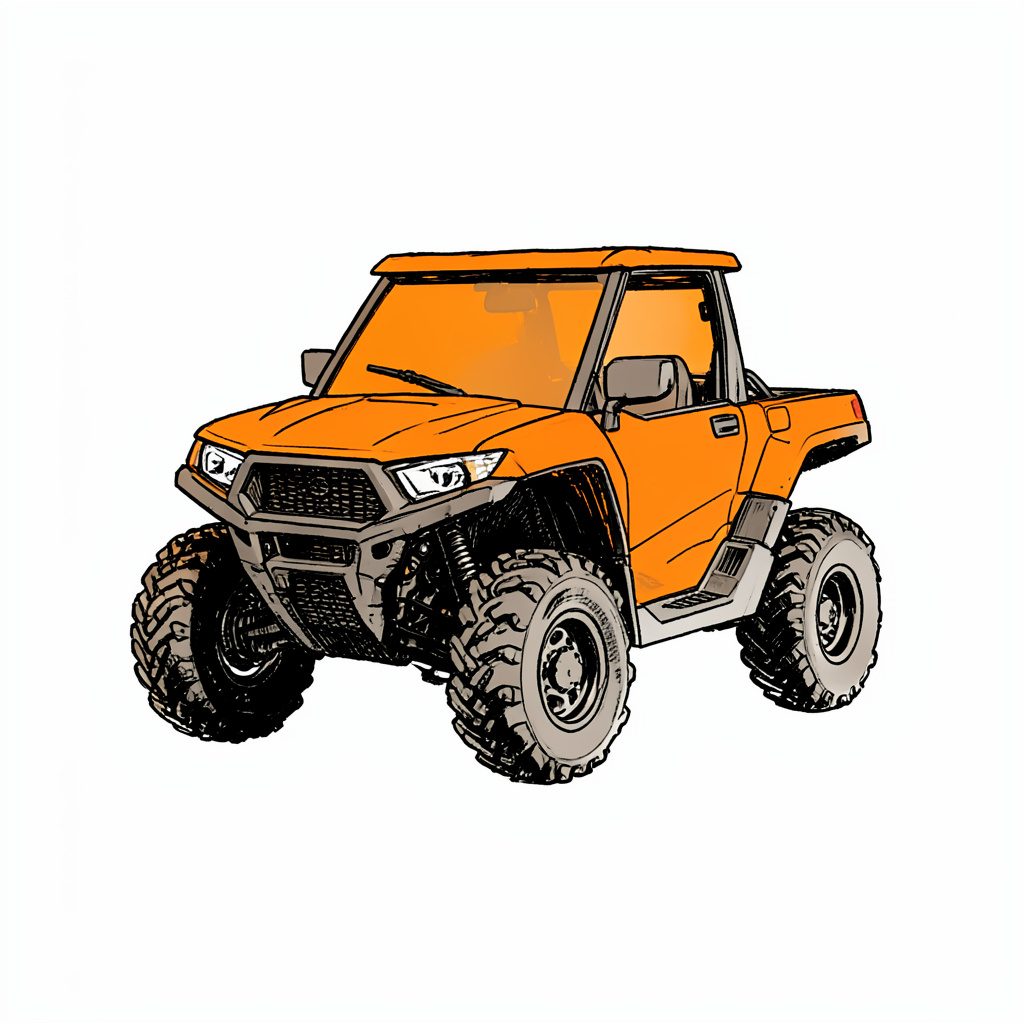
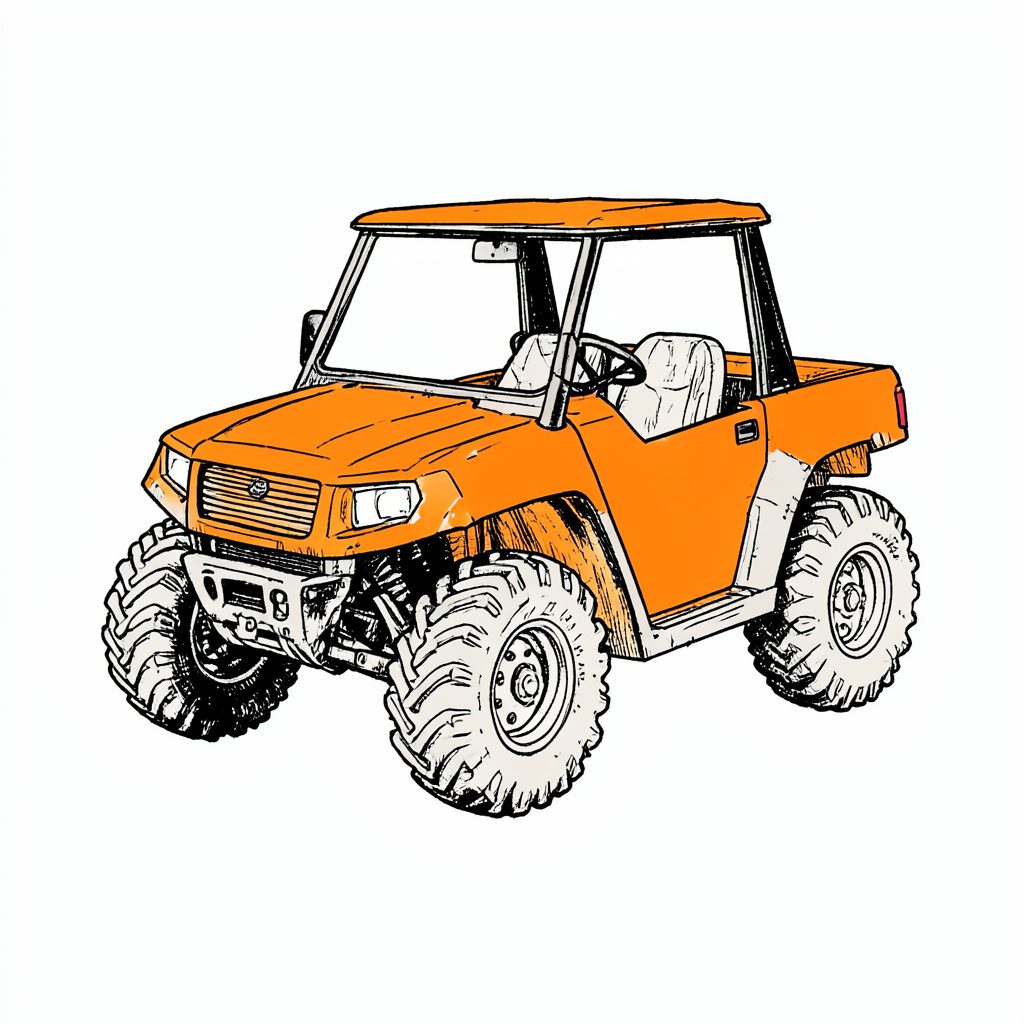
Tucked into pristine old Florida land in Flagler County, Florida Cracker Ranch is a family oriented outdoor adventure club where kids, parents and thrill seekers share the same trails, campsites and waterways.
Adventure Memberships available — families and singles welcome.
Reserve Your SpotWelcome to Florida Cracker Ranch
Often called Nature's Theme Park, our grounds invite families to ride ATV trails, splash through the swamp buggy area, pitch a tent, cast a line and explore old Florida hiking paths. Discover why members keep coming back season after season.
What You Can Do Here
ATV Trails
Marked routes for every skill level, including a peewee section.
Dirt Bikes
Dedicated dirt bike area built for two wheel adventure.
BMX & Mountain
Pedal powered BMX and mountain bike trails.
Swamp Buggy
Spacious swamp buggy area for big rig fans.
4x4 & Mud Trucks
Deep ruts and splash zones for 4x4s and mud trucks.
Skeet Range
Skeet shooting range in a controlled setting.
Camping
Membership campsites on a first come, first served basis.
Horse Trails
Scenic horse trails and riding paths.
An Old Florida Tradition
We honor the cracker way of life with old Florida outdoor living, traditional lodging, hiking and nature trails, plus fishing, swimming and beach access for members and their guests.
- Membership camping on a first come, first served basis
- Old Cracker Style Lodging cabins planned for overnight stays
- Old Florida hiking and nature trails
- Fishing, swimming and beach access
- Horse trails and riding
By the Numbers
Beginner BMX Lines That Help Kids Ride With Confidence
For children under 12, a BMX line is less about speed and more about making a clear route through a riding area. It might connect a flat starting surface, a gentle berm, a small roller and a safe run-out. The best beginner route gives a child time to look ahead, control the bike and finish with enough confidence to try again.
Australian families will recognise the setting: a council BMX track near Brisbane, a compact pump track in Melbourne, or a dirt circuit beside a suburban recreation reserve in Sydney. A young rider does not need a dramatic jump line to develop useful skills. A predictable sequence of small features is usually more valuable than a steep, crowded or technically difficult course.
Start With A Flat, Predictable Route
The first line should be almost boring. Choose a broad, smooth entry with good visibility, little cross traffic and a clear exit. The child should be able to roll, brake, stop and restart without feeling rushed. A short straight section helps them practise looking several metres ahead instead of staring at the front wheel.
A beginner-friendly route can then add one feature at a time. A shallow roller teaches the rider to bend elbows and knees, while a wide, low berm introduces gentle cornering. Leave jumps out of the first few sessions unless the child already has reliable balance and braking skills. At this age, control is a better measure of progress than airtime.
Australian tracks can become hot quickly during summer, especially around western Sydney, Adelaide and inland Queensland. Plan rides for the cooler morning, carry more water than seems necessary and use shaded rest periods. A helmet that fits correctly, closed shoes, gloves and long sleeves are sensible equipment for practice, even where a particular private facility has different clothing requirements.
Build Skills In A Manageable Order
A useful BMX progression begins with body position. Keep pedals level, knees and elbows soft, and the head up. Children often stiffen their arms when they feel nervous, so short runs with frequent stops work better than repeated full laps. Let the rider describe what they noticed; this develops awareness without turning the session into a lecture.
Next, practise braking before adding speed. The child should know which lever controls each brake and learn to squeeze progressively rather than grab suddenly. On a small slope, practise slowing before a corner, releasing some brake pressure while turning, then pedalling once the bike is straight. This pattern transfers well to pump tracks and beginner race circuits.
If an older sibling also rides dirt bikes, the riding family can compare how different vehicles use corners, visibility and stopping zones. The Flagler County trail guide is useful background for understanding how a beginner route can be graded around surface, space and confidence, even though a BMX bicycle requires a lighter and more precise approach.
Match The Line To The Child
Age alone does not determine whether a line is suitable. A confident seven-year-old who rides regularly may manage features that unsettle a cautious ten-year-old. Consider height, reach, balance, previous falls and the child’s ability to follow instructions. The right route should create concentration without producing panic.
Use a simple traffic-light test. Green means the child can ride the line while looking ahead and stopping when asked. Amber means they can complete it but need an adult close by, or they lose control at one feature. Red means the route includes a jump, blind corner, steep face or crowded merge that exceeds current skills. Move back to the last green feature rather than pushing through.
| Beginner line | Main features | Skills developed | Adult positioning |
|---|---|---|---|
| Flat loop | Smooth surface and wide turns | Braking, balance and looking ahead | Follow behind at a safe distance |
| Roller route | Small rollers with gentle spacing | Body movement and speed control | Stand near the first roller |
| Berm loop | One low, wide banked corner | Corner entry and exit | Wait where the exit is visible |
| Skills circuit | Stops, cones, rollers and turns | Decision-making and transitions | Place yourself near the hardest feature |
| Easy pump-track lap | Linked shallow rollers and corners | Rhythm and line choice | Stay outside the track boundary |
A child should be able to repeat a line several times without a close call before progressing. If the track is busy, choose a quieter section or visit outside peak periods. In Australia, Saturday mornings can bring coaching groups, racing practice and families sharing the same facility, so a weekday afternoon or early Sunday may offer a calmer learning environment.
Read The Track Before Riding
Walk the proposed line first. Look for loose gravel, puddles, exposed roots, damaged edges, sudden drops and places where riders may enter from another direction. On public tracks, check signs and local council rules. Many Australian councils require helmets at bike facilities, and state road rules generally make approved bicycle helmets compulsory when riding on roads or public paths; park-specific requirements may be stricter.
Identify the stopping area before the child starts. A line that looks easy can become unsuitable if it ends beside a fence, a road, a car park or the landing zone of a faster rider. Explain where to leave the track and where to wait. Children should never stop in the middle of a berm, at the bottom of a roller or just beyond a jump.
The same inspection applies at a private outdoor venue. Florida Cracker Ranch combines family recreation with off-road activities, so visitors should follow the venue’s directions, stay within the marked riding area and keep BMX users separate from larger vehicles. The wider Old Florida lodging experience can suit families who want outdoor time around a visit, but a child’s riding route still needs its own careful assessment.
Add Variety Without Adding Unnecessary Risk
Once a child can ride a basic line smoothly, change one element rather than redesigning everything. Try a different entry into the same berm, ask the rider to coast over a roller, or add a controlled stop at a marked point. These small changes improve decision-making while keeping the environment familiar.
Avoid teaching children to copy advanced riders too early. A fast teenager may pump aggressively, cut across the track or lift the front wheel over a feature that a beginner should roll. Children can watch skilled riding for inspiration, but their own line should match their braking distance, bike size and confidence.
The local second-hand market can make BMX more accessible for Australian families, with bikes commonly listed through Gumtree, Facebook Marketplace and community bike groups. Check frame size, wheel condition, headset movement, brake operation and tyre wear before buying. A race-style BMX may look appealing, but a durable bike with dependable brakes and a comfortable reach is usually the better beginner choice.
BMX is also an Olympic discipline, which can give older children a pathway from casual riding to organised sport. The Mauritius Olympic Committee offers a useful reminder that national sporting organisations connect participation, development and competition; for a child under 12, however, enjoyment and safe skill-building should remain the priority.
Plan A Family Session That Stays Enjoyable
A good session may last only 30 to 60 minutes of actual riding. Begin with a slow warm-up lap, spend the main period on one or two features, then finish with a line the child already knows. This ending matters because it leaves the rider with a successful final experience rather than a memory of the hardest attempt.
Pack water, sunscreen, snacks, a small pump, tyre levers and basic first-aid supplies. In Australia, sun protection is important even on mild days, while sudden rain can make clay or compacted dirt slippery. Check weather and facility updates before travelling, particularly during school holidays when parks, campsites and family attractions can be busy.
For a Florida trip, allow time for heat, humidity and a different riding environment from a suburban Australian pump track. A ranch visit may include camping, hiking, swimming or other outdoor activities, so build in recovery time between sessions. Children generally learn more when they are rested, hydrated and keen to ride than when every available activity is packed into one day.
The best beginner BMX lines for kids under 12 are easy to read, wide enough for small mistakes and short enough to repeat without fatigue. They begin with control, develop through gentle rollers and berms, and become more interesting only after the rider can brake, look ahead and choose a safe exit. What the rider should remember is simple: a good line makes safe decisions feel natural.
Get in Touch
Send us a note about memberships, guest visits or directions. Phone 386-864-3856 or email floridacrackerranch@floridacrackerranch.com. Mailing address: P.O. Box 2993 Bunnell, Florida 32110.