Tucked into pristine old Florida land in Flagler County, Florida Cracker Ranch is a family oriented outdoor adventure club where kids, parents and thrill seekers share the same trails, campsites and waterways.
Adventure Memberships available — families and singles welcome.
Reserve Your SpotWelcome to Florida Cracker Ranch
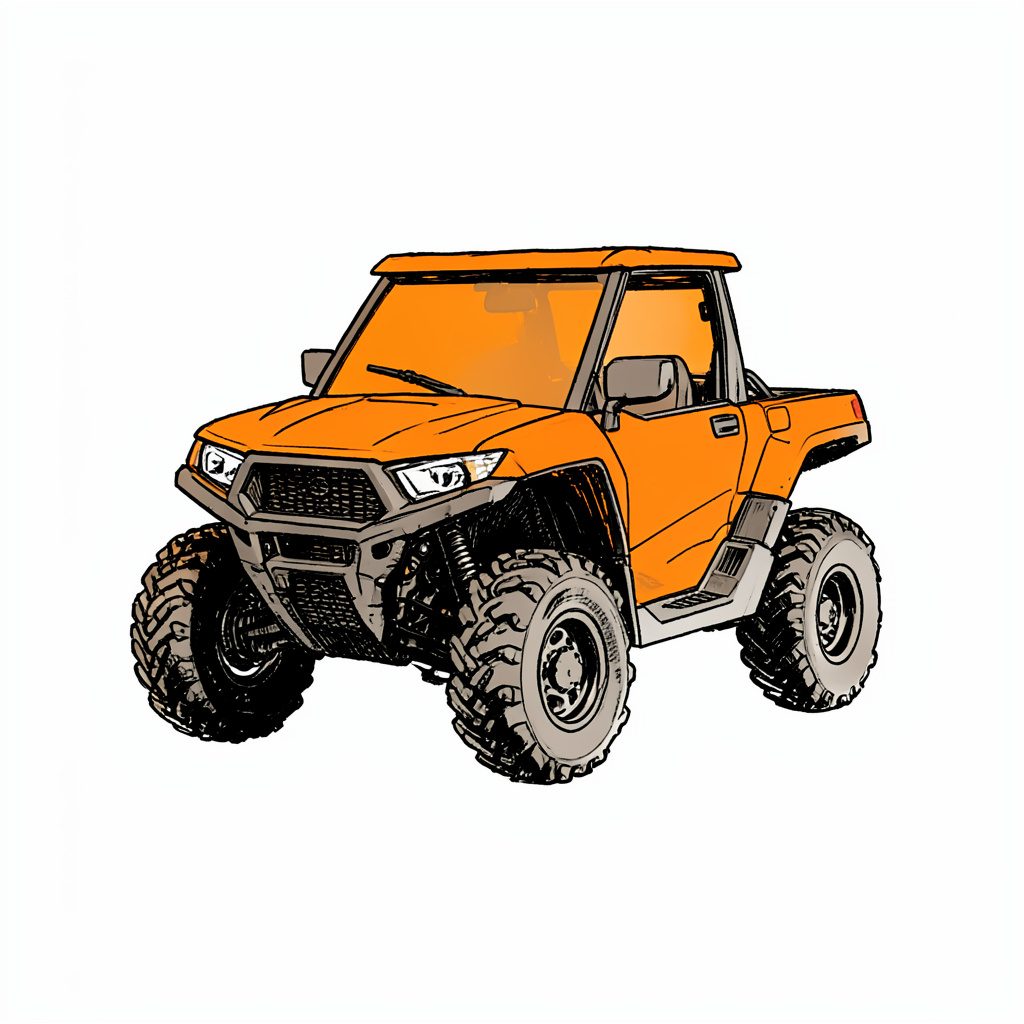
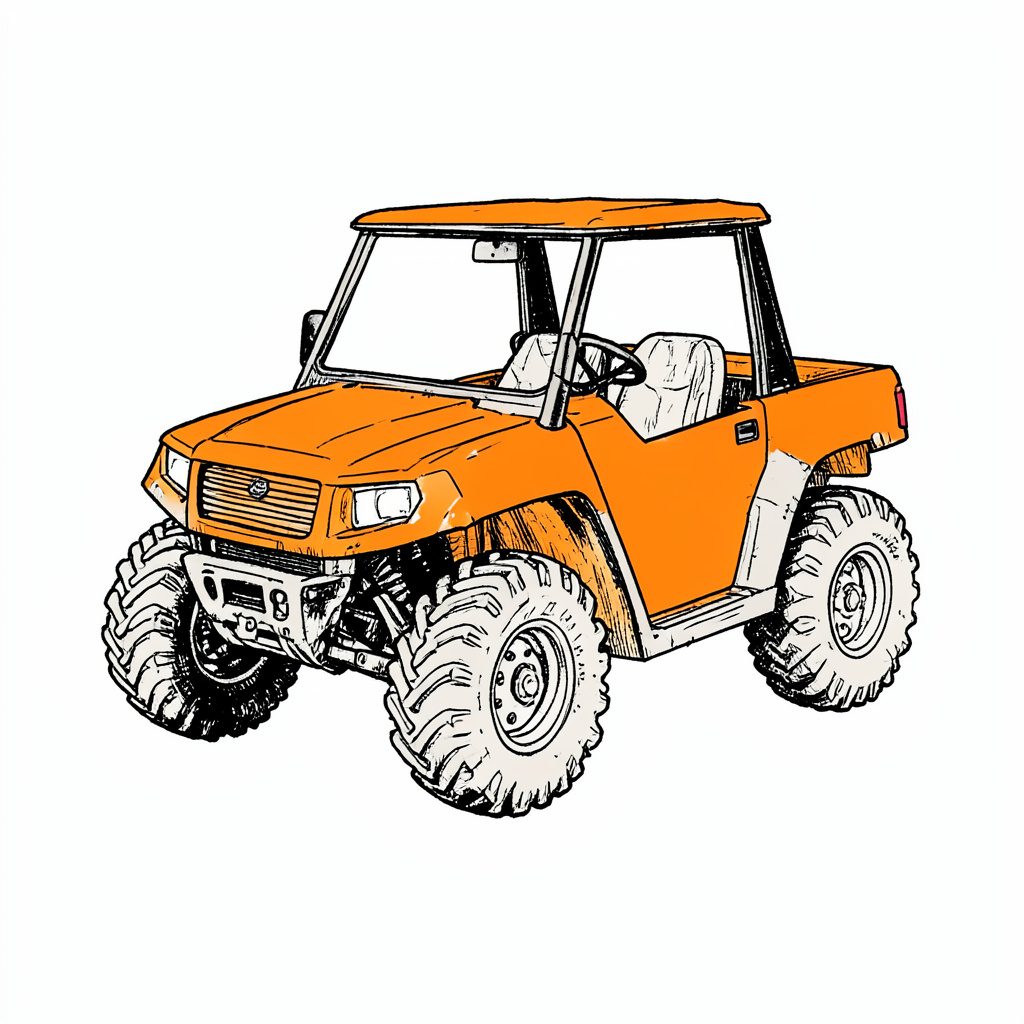
Often called Nature's Theme Park, our grounds invite families to ride ATV trails, splash through the swamp buggy area, pitch a tent, cast a line and explore old Florida hiking paths. Discover why members keep coming back season after season.
What You Can Do Here
ATV Trails
Marked routes for every skill level, including a peewee section.
Dirt Bikes
Dedicated dirt bike area built for two wheel adventure.
BMX & Mountain
Pedal powered BMX and mountain bike trails.
Swamp Buggy
Spacious swamp buggy area for big rig fans.
4x4 & Mud Trucks
Deep ruts and splash zones for 4x4s and mud trucks.
Skeet Range
Skeet shooting range in a controlled setting.
Camping
Membership campsites on a first come, first served basis.
Horse Trails
Scenic horse trails and riding paths.
An Old Florida Tradition
We honor the cracker way of life with old Florida outdoor living, traditional lodging, hiking and nature trails, plus fishing, swimming and beach access for members and their guests.
- Membership camping on a first come, first served basis
- Old Cracker Style Lodging cabins planned for overnight stays
- Old Florida hiking and nature trails
- Fishing, swimming and beach access
- Horse trails and riding

By the Numbers
Night hiking under the moon: tips for a guided trek
Night hiking under the moon becomes a different experience at Florida Cracker Ranch, a private outdoor adventure club and family fun park in Flagler County. Pine flatwoods, open tracks and waterside areas reflect light in ways daylight cannot reveal. A guide can set a manageable pace, point out wildlife signs and help families understand when a trail is safe after dusk.
The moon changes more than the view. Its phase affects the time of useful light, while its position alters which slopes and clearings come into view. After a short adjustment, human eyes can pick out pale grasses, tree trunks and moving shapes, but that natural glow is no substitute for a proper head torch.
Australian walkers already understand the value of preparation for changing conditions, from Melbourne's famously fast-moving weather to Brisbane's humid subtropical evenings. The Florida experience adds insects, intense rainfall and thunderstorms. With the right route, footwear and local guidance, those differences become part of the adventure rather than a reason to leave the group.
Access also deserves attention because the ranch is a private club. Annual adventure memberships, campsite options and guest privileges may apply, depending on the visit. A comfortable night trek starts with confirming the activity, the meeting arrangements and who can participate before anyone loads a torch or picnic cooler into the car.
Choosing the right moonlit adventure
A guided evening walk should match the group's age, mobility and appetite for distance. Some groups prefer a shorter loop near the main facilities, while others are ready for a longer route with more natural ground. The ranch also offers activities such as 4x4 rides, BMX, horse riding and fishing, so a night hike can sit comfortably within a broader family day out.
Check the current schedule, then contact Florida Cracker Ranch about membership, guest access, route difficulty and availability. Bring any assistance needs into the conversation, especially for children or visitors who do not routinely walk after dark.
Before booking, consider:
- Exact meeting point, return time and planned distance
- Minimum age, walker fitness and support requirements
- Trail surface, difficulty rating and restroom facilities
- Lightning, flooding or cancellation policies
- Availability of campsites and guest amenities
A simple night pack covers:
- Closed shoes with good grip and long socks
- A head torch plus a backup light source
- Water, electrolytes and a light snack
- A lightweight rain layer and warm top
- A charged phone, power bank and insect repellent
Reading moonlight and Florida weather
A full moon usually rises near sunset, reaches its highest point around midnight and sets near sunrise. A first-quarter moon is better suited to an early evening, while a last-quarter moon favours the latter half of the night. Near new moon, a guided hike depends more on torches than reflected light, which can make stars and night sounds more prominent.
Australians recognise the southern skies, but the moon is not reversed in the southern hemisphere. Its path still matches the sun's seasonal rhythm, and a bright full moon can be especially useful for judging the ground near Flagler County's pine-and-palmetto country. Check the local moon phase and rise time for the actual date rather than relying on a general rule.
For atmosphere, browse the moonlit visual inspiration at Nierembergia before the trip. It can train the eye to notice silver leaves, hard shadows and silhouettes, although wet clay, sand and water create their own patterns. Photography is secondary on an active trail; keep the group moving and put the camera away when footing needs full attention.
Weather can change the mood quickly. A guide should check forecasts, radar and recent rainfall, then turn back if lightning, saturated ground or a flooded low point makes the route unsafe. Brisbane visitors often plan for oppressive humidity, while Melbourne walkers know a clear evening can become cold after a southerly change. Florida's warmth is not constant, and a light layer still belongs in the pack.
Planning the route and arrival
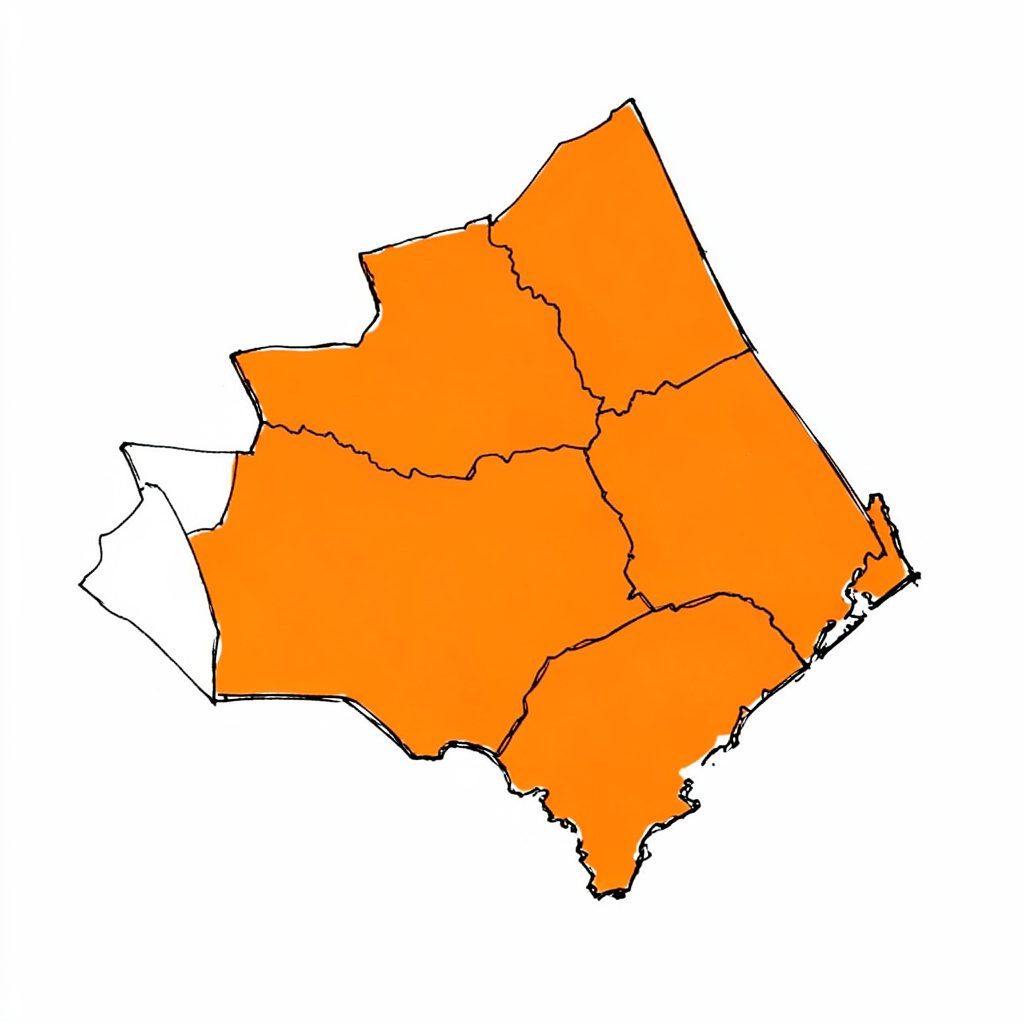
Study the ranch location map before departure, but do not treat it as a substitute for the guide's directions. Some access roads serve vehicles and other recreation areas as well as walkers. Arriving at the correct gate matters, especially when daylight is fading and phone reception may vary across the property.
Aim to reach the meeting point 15 minutes early. This allows time for registrations, head-torch checks, sunscreen or insect repellent, and a short briefing about toilets and the return route. If one vehicle carries several guests, agree on a clear meeting point rather than assuming everyone will follow the first set of headlights.
Keep phones switched on for calls and messages, but carry a power bank and conserve the screen. Trail signs can fade, and shared-use tracks may fork around ranch operations. Stay with the group unless the guide explicitly divides it, and never use another vehicle's lights as a navigation beacon without first checking with the guide.
Sydney bushwalkers may be used to signed urban paths and nearby streets, whereas this rural setting has fewer lit exits. Melbourne's cooler night walks often demand an extra layer, and Brisbane families routinely manage humidity, mosquitoes and sudden rain. Those local habits all reinforce the same rule: follow the ranch briefing and prepare for less infrastructure than a city park offers.
Gear that works after dark
Australia's outdoor market makes practical kit easy to source: Bunnings, Anaconda and BCF stock head torches, water containers, gaiters and compact rain shells. Quality and fit matter more than expensive branding. Test the torch at home, carry spare batteries and check that the elastic strap will sit securely over a beanie.
A knot refresher can prevent small annoyances without turning the evening into a workshop. Essential camper knots are useful for securing a rubbish bag, tidying loose clothing or helping with camp setup, though the guide should handle equipment needed on the walk.
Most hikers should carry two light sources: a head torch for hands-free movement and a small torch that can be hooded when the group stops. Red-light settings reduce glare and help preserve night vision, while spare batteries are more dependable than relying on a phone torch alone. Bright light can also reveal wildlife, so aim it downward and announce any sudden beam.
Wear closed shoes with firm soles, not sandals, and add long trousers for brush and insects. Bring more water than expected, particularly in warm weather, plus electrolyte drink or a snack for children. A small first-aid kit, personal medication and a whistle add little weight but provide useful backup.
Safety, etiquette and trail judgment
Florida's main after-dark concerns are not cold alone. Heavy rain can fill ditches, lightning can arrive with little warning, and mosquitoes become troublesome near still water. Venomous snakes and other wildlife should be treated as hazards, not curiosities; nobody should approach, feed or attempt to move an animal. Stay on the marked route and use the guide's emergency plan.
Expectation can sometimes make a trail seem easier than it is. The idea of a moonlit scene may hide a slick root, thorny branch or low branch. The principle described in dramatic irony explained fits neatly: knowing one part of a story changes how the rest is understood. Likewise, trusting the guide's warnings matters even when the route appears familiar in daylight.
If a storm develops, stop in a safe place as directed and avoid standing beneath isolated trees. If someone becomes separated, the group should not scatter in several directions. Follow the guide's instructions, keep voices controlled and use torches to signal only when agreed. No flash photography should be used around other riders or wildlife.
Australian campsite customs offer a useful guide to ranch etiquette. Families often share food from an esky, take turns at the barbecue and leave the area cleaner than they found it. At a private club, follow posted rules, keep noise respectful and do not assume that another member's campsite or equipment is available for communal use. Good manners make shared outdoor spaces work better for everyone.
Carrying the night with you
A successful moonlit trek leaves impressions that photographs struggle to capture: the hush between insects, the click of a cooling engine, the soft outline of palmettos and the different sounds made when a footpath changes from sand to grass. These details become clearer as the group stops rushing and allows its eyes to adjust.
The best route is rarely the longest one. It is the route that suits the walkers, offers controlled access and permits the guide to respond to weather, wildlife and tired feet. In that sense, preparation is not separate from the experience; it creates the freedom to notice more of it.
Remember the moon, follow the guide, respect the land and leave room for silence. The memory worth keeping is the shared sense of having moved carefully through a familiar place while discovering how completely it changed after dark.
Get in Touch
Send us a note about memberships, guest visits or directions. Phone 386-864-3856 or email floridacrackerranch@floridacrackerranch.com. Mailing address: P.O. Box 2993 Bunnell, Florida 32110.