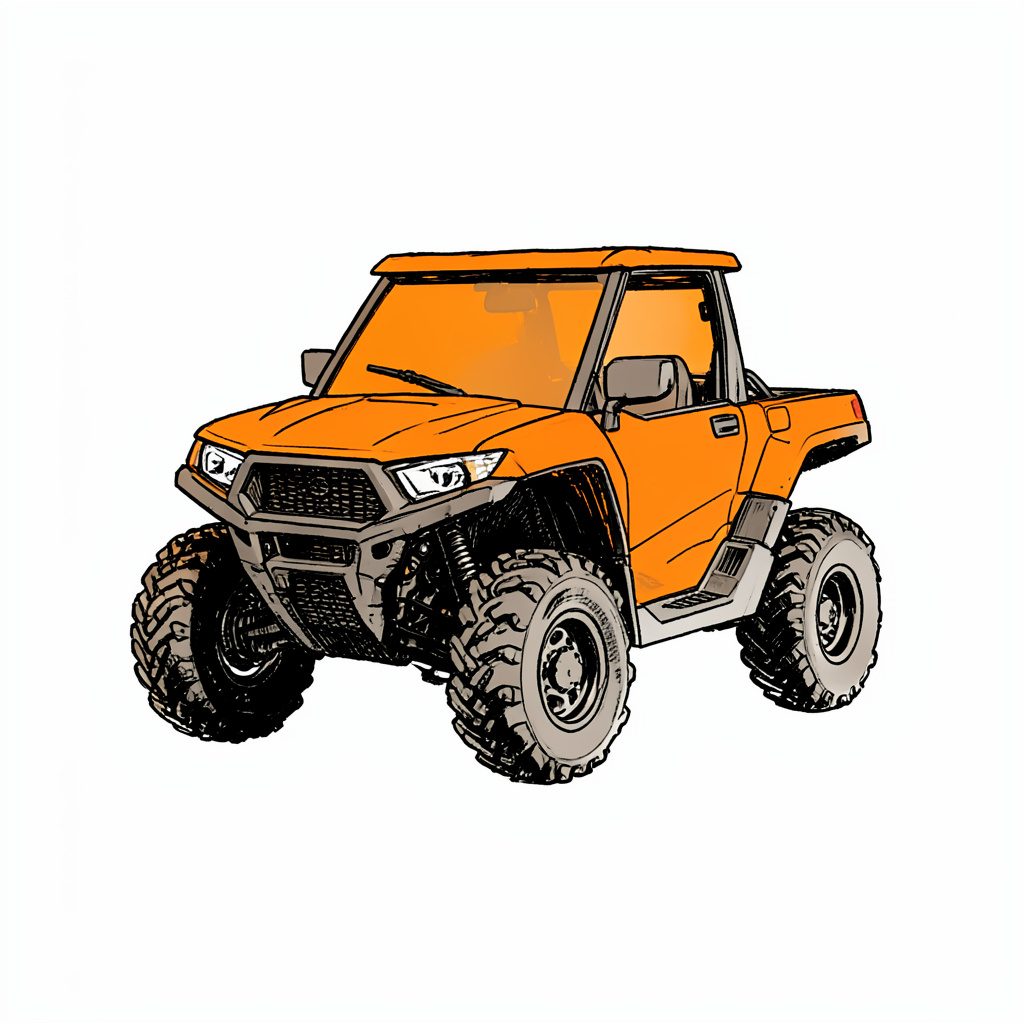
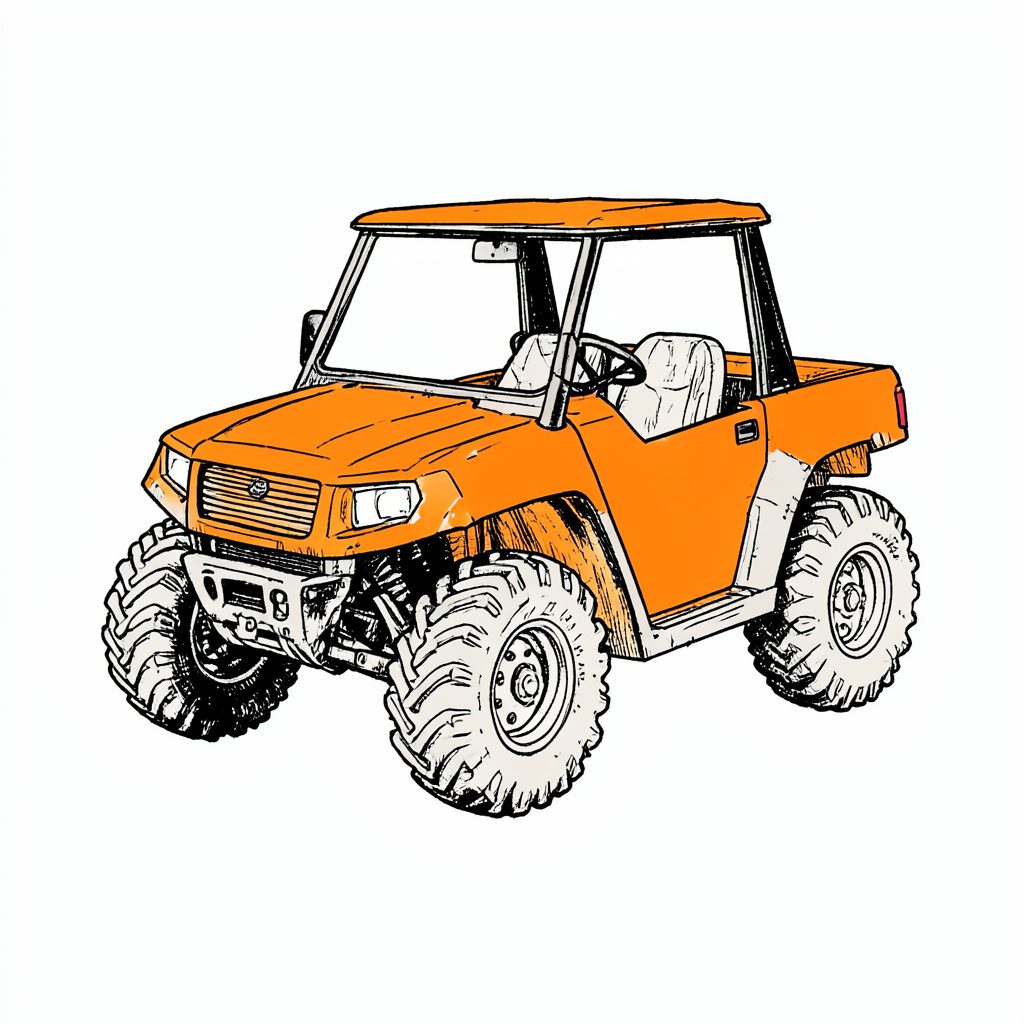
Tucked into pristine old Florida land in Flagler County, Florida Cracker Ranch is a family oriented outdoor adventure club where kids, parents and thrill seekers share the same trails, campsites and waterways.
Adventure Memberships available — families and singles welcome.
Reserve Your SpotWelcome to Florida Cracker Ranch
Often called Nature's Theme Park, our grounds invite families to ride ATV trails, splash through the swamp buggy area, pitch a tent, cast a line and explore old Florida hiking paths. Discover why members keep coming back season after season.
What You Can Do Here
ATV Trails
Marked routes for every skill level, including a peewee section.
Dirt Bikes
Dedicated dirt bike area built for two wheel adventure.
BMX & Mountain
Pedal powered BMX and mountain bike trails.
Swamp Buggy
Spacious swamp buggy area for big rig fans.
4x4 & Mud Trucks
Deep ruts and splash zones for 4x4s and mud trucks.
Skeet Range
Skeet shooting range in a controlled setting.
Camping
Membership campsites on a first come, first served basis.
Horse Trails
Scenic horse trails and riding paths.
An Old Florida Tradition
We honor the cracker way of life with old Florida outdoor living, traditional lodging, hiking and nature trails, plus fishing, swimming and beach access for members and their guests.
- Membership camping on a first come, first served basis
- Old Cracker Style Lodging cabins planned for overnight stays
- Old Florida hiking and nature trails
- Fishing, swimming and beach access
- Horse trails and riding
By the Numbers
Five Essential Knots Every Camper Should Master
A dependable knot can keep a tarp standing through a coastal breeze, secure a load to a ute, or turn a loose campsite into an orderly base. For Australian campers, these skills are useful everywhere from a crowded holiday park near Sydney to a remote Queensland bush camp, where a failed tie-down can quickly become a practical problem.
The best knots are simple, recognisable and suited to a clear job. You do not need a tackle box full of complicated bends. Learn five reliable options, practise them with the rope you actually carry, and understand when each one should be used. That combination matters at a family adventure property such as Florida Cracker Ranch, where camping, riding, fishing and trail activities can all call for different ways to secure equipment.
Why Knot Skills Matter Outdoors
Camping cordage is exposed to movement, weather and uneven loads. A tent guy line pulls in one direction, a tarp ridge line pulls in another, and a bundle of firewood may shift as it is lifted. The right knot spreads force sensibly and can still be untied after tension has been applied.
Australian conditions make this especially relevant. Strong sun can stiffen synthetic rope, sudden storms can test shelter lines, and total fire bans may change how a campsite is organised. In popular areas near Melbourne, the Blue Mountains or the Sunshine Coast, properly secured gear also helps keep walkways clear and reduces hazards around neighbouring sites.
A small knot kit should include more than rope alone:
- Two or three lengths of low-stretch utility cord
- A pair of short webbing straps for bulky loads
- A lighter or hot knife for sealing synthetic rope ends
- Work gloves for hauling tight lines
- A small carabiner set for non-life-support camping tasks
Knot knowledge has limits. Never use ordinary camping cord for climbing, abseiling, towing a person or any other life-safety application. Inspect ropes for fraying, heat damage and flattened sections before trusting them with equipment.
The Bowline For A Fixed Loop
The bowline creates a secure loop that stays a consistent size under load. It is useful for attaching a rope to a tent ring, fence post, gear handle or anchor point when you need a loop that will not cinch tightly around the object.
A practical way to learn it is to make a small loop, pass the working end up through it, take that end around the standing line, and return it down through the original loop. Tighten the knot while keeping the loop correctly sized. The familiar memory phrase is that the rabbit comes out of the hole, around the tree and back into the hole.
Use a stopper knot in the loose tail when the rope is slippery or the load may jolt. The bowline is strong and easy to inspect, but it should not be relied on where the loop could be repeatedly unloaded and shaken loose. Check that the two parts of the knot sit neatly together rather than crossing in a messy bundle.
The Clove Hitch For Quick Attachments
The clove hitch is a fast way to attach a rope around a pole, rail or smooth post. It is handy for temporary tarp supports, hanging a lantern at a campsite or positioning a lightweight item where frequent adjustment is expected.
It can be tied by wrapping the rope around the post, crossing the working end over the standing part, wrapping around again, and tucking the end beneath the final turn. You can also form two loops in your hands and slide them over a post, although practising both methods makes the hitch easier to use in awkward positions.
The clove hitch works best when the rope remains under steady tension. It may creep on a polished or flexible surface when the load changes direction, so add a stopper or choose another knot for a critical tie-down. Riders travelling to an outdoor property should secure loose straps and tools before heading onto trails; a useful reference is this dirt-bike trail guide, which highlights why organised equipment matters around active riding areas.
The Taut-Line Hitch For Adjustable Guy Lines
The taut-line hitch is designed for lines that need regular adjustment. It is a strong choice for tent guy ropes, shade shelters and tarps because the hitch grips when loaded but can slide when you deliberately move it.
Tie it by wrapping the working end around the anchor side of the rope twice inside the loop, then make one turn outside the loop and pull the knot snug. The two inner turns create friction, while the outer turn helps hold the structure together. Leave enough tail beyond the knot to make inspection easy.
This hitch is especially useful on uneven ground, where a tent may need to be shifted after the first setup. It also suits Australian camping gear, including lightweight hiking tents and compact awnings commonly sold through outdoor retailers or general camping departments at Bunnings. If the cord is very thin, wet or slick, test the knot before relying on it overnight.
The Trucker’s Hitch For High Tension
The trucker’s hitch gives you a simple pulley-like advantage for tightening loads. Campers use it to secure eskies, swags, firewood bundles and storage tubs, or to tension a tarp ridge line when ordinary hand-tightening is not enough.
Start by creating a small fixed loop in the standing part of the rope. Pass the working end around the anchor point, feed it through that loop, and pull to increase tension. Finish with two half hitches around the standing line. The loop reduces the effort needed to tighten the system, while the finishing hitches keep the line from slipping.
Avoid overtightening. Excessive force can bend tent poles, distort eyelets or damage a vehicle’s roof-rack attachment points. Place padding beneath rope that runs over sharp edges, and use rated tie-downs where a load is exposed to highway speeds. The knot improves tension; it does not replace a properly rated strap or restraint system.
The Sheet Bend For Joining Ropes
The sheet bend joins two ropes, including ropes of different thicknesses. It can extend a ridgeline, repair a shortfall in cord length or connect a thicker anchor rope to a lighter line. It is more suitable for joining rope than a square knot, particularly when the rope sizes differ.
Form a bight in the thicker rope, pass the end of the thinner rope up through the bight, around both parts of the bight, and tuck it beneath its own standing part. Pull the knot firmly and leave a visible tail. For slippery materials or highly variable loading, a double sheet bend offers extra security.
Every joined rope should be checked before use. Make sure the tails are long enough, the turns are dressed neatly, and the ropes are not contaminated with oil or grit. A sheet bend is a practical repair skill at a remote campsite, where a damaged or short line may be more inconvenient than dangerous if handled thoughtfully.
Build Practice Into Your Camping Routine
Knot skills become dependable through repetition rather than memorisation. Practise at home with a length of cord, then repeat the process with gloves, in low light and while standing beside the actual shelter or vehicle setup. Those conditions reveal whether you truly understand the knot or only recognise a diagram.
Families can turn setup into a useful campsite routine. One person lays out the tarp, another checks anchor points, and a child can practise forming loops away from traffic, cooking areas and water. At a swimming spot, keep cord, bags and footwear organised rather than leaving lines across paths; the ranch’s summer swimming holes offer a good example of why access and equipment placement need attention.
A simple practice checklist helps keep the essentials fresh:
- Tie each knot three times without looking at instructions
- Test it with a gradual pull before applying a full load
- Learn how to release it after tension has been applied
- Identify the correct knot for a fixed loop, adjustable line or rope join
- Inspect the rope and knot again after wind or rain
Knot practice can also fit around a broader outdoor weekend. Before booking activities, families can review the upcoming ranch events and plan which cordage, shelter equipment and storage arrangements will suit riding, camping or time near the water.
Make Knots Part Of Safe Campcraft
The bowline, clove hitch, taut-line hitch, trucker’s hitch and sheet bend cover many ordinary camping tasks. They help create fixed attachment points, quick temporary ties, adjustable shelter lines, tight load restraints and reliable rope joins. Together, they form a compact foundation for practical campcraft.
Keep a short length of rope in a place where it is easy to reach, rather than buried beneath cooking equipment. Label different cords by length if your household camps often. For evenings when the weather keeps everyone inside the tent, families may also prepare offline entertainment in advance using an offline viewing guide, leaving the physical setup calm and organised.
The essential habit is to match the knot to the job, dress it neatly, leave a suitable tail and test it before trusting it. Remember that good knots support safe camping, but careful inspection, sensible loading and respect for local conditions are what make the whole setup dependable.
Get in Touch
Send us a note about memberships, guest visits or directions. Phone 386-864-3856 or email floridacrackerranch@floridacrackerranch.com. Mailing address: P.O. Box 2993 Bunnell, Florida 32110.