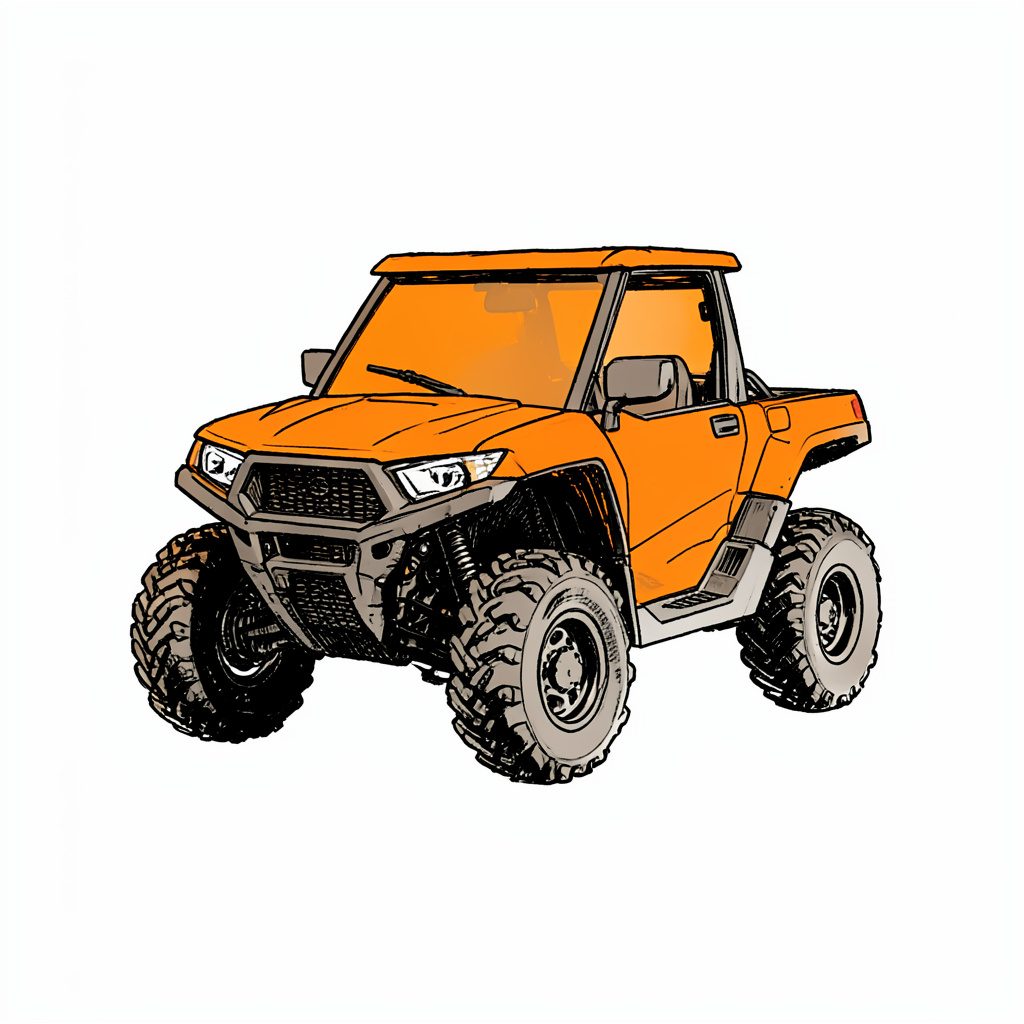
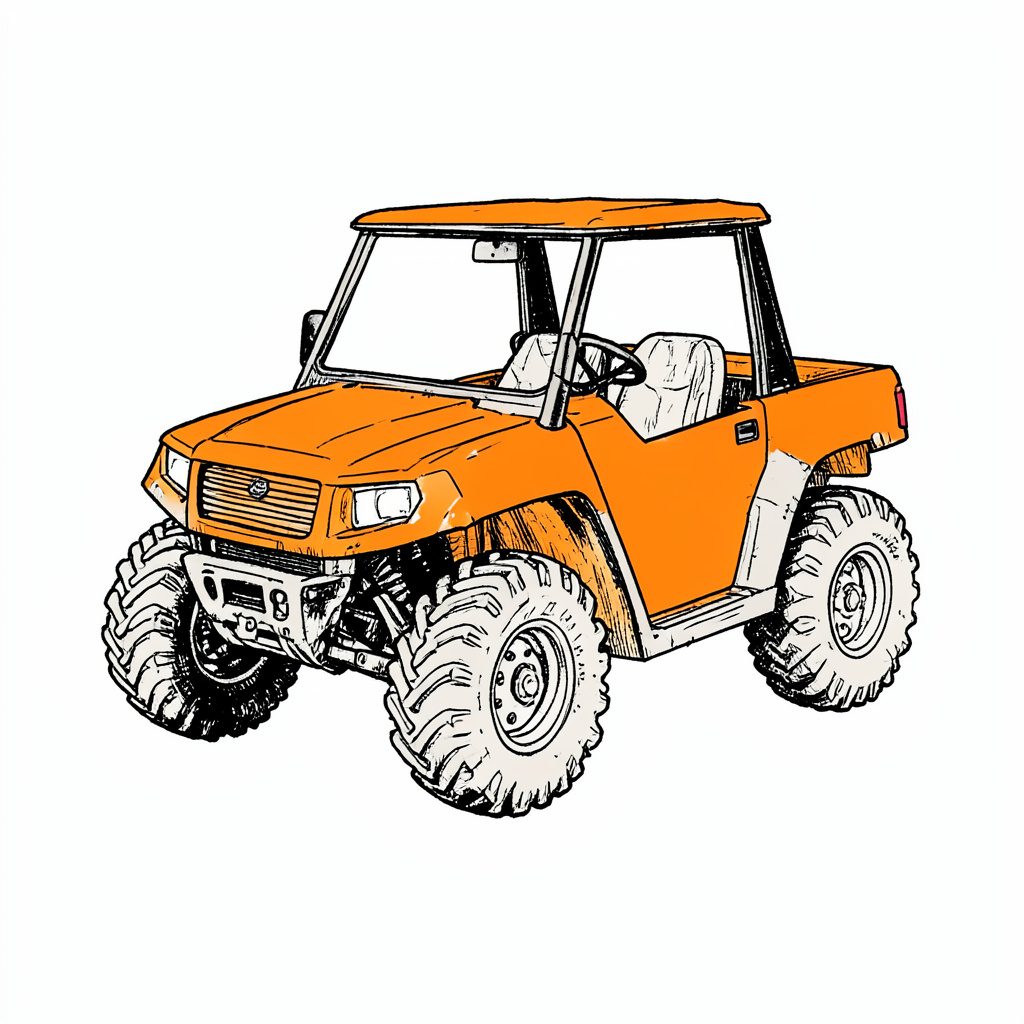
Tucked into pristine old Florida land in Flagler County, Florida Cracker Ranch is a family oriented outdoor adventure club where kids, parents and thrill seekers share the same trails, campsites and waterways.
Adventure Memberships available — families and singles welcome.
Reserve Your SpotWelcome to Florida Cracker Ranch
Often called Nature's Theme Park, our grounds invite families to ride ATV trails, splash through the swamp buggy area, pitch a tent, cast a line and explore old Florida hiking paths. Discover why members keep coming back season after season.
What You Can Do Here
ATV Trails
Marked routes for every skill level, including a peewee section.
Dirt Bikes
Dedicated dirt bike area built for two wheel adventure.
BMX & Mountain
Pedal powered BMX and mountain bike trails.
Swamp Buggy
Spacious swamp buggy area for big rig fans.
4x4 & Mud Trucks
Deep ruts and splash zones for 4x4s and mud trucks.
Skeet Range
Skeet shooting range in a controlled setting.
Camping
Membership campsites on a first come, first served basis.
Horse Trails
Scenic horse trails and riding paths.
An Old Florida Tradition
We honor the cracker way of life with old Florida outdoor living, traditional lodging, hiking and nature trails, plus fishing, swimming and beach access for members and their guests.
- Membership camping on a first come, first served basis
- Old Cracker Style Lodging cabins planned for overnight stays
- Old Florida hiking and nature trails
- Fishing, swimming and beach access
- Horse trails and riding
By the Numbers
How to Stay Hydrated on a Long ATV Ride
A long ATV ride combines heat, physical effort, protective clothing, engine warmth and constant concentration. Even when the trail feels fast and exciting, your body can lose fluid through sweat before you notice thirst. Dehydration may begin as a dry mouth or headache, then develop into dizziness, cramps, poor coordination and dangerous fatigue.
For Australian riders planning a trip at Florida Cracker Ranch, the conditions may feel different from a ride through the bush near Cairns, the Hunter Valley or the Victorian high country. Florida heat can be humid, shade is not guaranteed, and a wet season shower does little to reduce the need for regular drinking. A sensible hydration routine makes the day safer and leaves more energy for the trails, swimming, fishing or camping afterwards.
Prepare Before Leaving The Trailhead
Start drinking well before climbing onto the ATV. Arriving already thirsty means you are trying to correct a fluid deficit while riding, which is difficult in hot weather. Have water with breakfast and continue sipping while loading helmets, goggles, boots and riding gear. Clear or pale-yellow urine is a useful general sign that fluid intake is on track, although it is not a perfect medical test.
Avoid relying on a large drink immediately before departure. Gulping excessive water can cause stomach discomfort and will not replace the salts lost through prolonged sweating. A balanced meal containing carbohydrates, some protein and a modest amount of salt is more useful. Fruit, yoghurt, a sandwich or an oat-based breakfast can provide energy without feeling heavy.
Plan the route with stopping points rather than treating breaks as something that happens only when somebody feels exhausted. At a private outdoor venue such as Florida Cracker Ranch, rides may include open tracks, wooded areas, mud and changing terrain. Before setting out, identify where the group can safely park, drink, cool down and check equipment.
Carry More Than You Expect To Need
Every rider should have personal access to fluid, even when travelling in a group. A hydration bladder makes it possible to take small drinks without removing a helmet or stopping the ATV. Secure bottles in a pack or vehicle storage compartment so they cannot become a loose hazard during bumps, turns or a rollover.
As a practical starting point, many adults need roughly 400 to 800 millilitres per hour during hot, active riding, though body size, pace, clothing and humidity change the amount. Carry spare capacity for delays, getting lost, helping another rider or waiting for a mechanical issue. A group that plans to be out for four hours should not bring only four hours of water if there is room for an emergency reserve.
Keep backup supplies in the support vehicle, trailer or a securely stored cooler. An esky with chilled bottles can be welcome after a dusty ride, but ice-cold drinks should not be consumed so quickly that they cause nausea. Never put glass containers in a riding pack, and avoid leaving plastic bottles in direct Florida sun for the entire day.
Match Fluids To The Conditions
Plain water is the foundation of hydration, especially for shorter rides and moderate temperatures. During a long ATV outing, however, sweat also removes sodium and other electrolytes. A low-sugar electrolyte drink can help when riding lasts several hours, when the weather is particularly humid, or when a rider is sweating heavily.
Sports drinks are not automatically better than water. Some contain a high sugar load that may upset the stomach, while energy drinks and strong caffeine products can encourage poor pacing and make it harder to recognise heat stress. Read the label, choose a drink you have tolerated before, and avoid experimenting with a new supplement on an important riding day.
The following guide offers a simple way to match your drink plan to the day:
| Riding Conditions | Main Drink Choice | Useful Extra Preparation |
|---|---|---|
| Short ride in mild weather | Water | Drink before departure |
| Two to four hours in heat | Water plus electrolyte drink | Pack extra bottles |
| Heavy sweating or humid weather | Water and regular electrolytes | Schedule frequent shade breaks |
| Very long ride or delayed return | Water, electrolytes and food | Carry an emergency reserve |
| Nausea, confusion or severe weakness | Stop riding and seek help | Cool the rider and contact emergency services |
Hydration should be paired with food on a long day. Bananas, salted crackers, muesli bars, sandwiches and fruit can support energy levels and provide some sodium. A small snack every couple of hours may prevent the sudden weakness that riders sometimes mistake for thirst alone.
Drink Regularly, Not Only When Thirsty
Take small sips at planned intervals, such as every 15 to 20 minutes. Thirst is useful, but it can lag behind fluid loss during intense activity, especially when riders are focused on steering, mud, jumps or following a group. A quick drink at each safe pause is easier to manage than trying to finish a large bottle after several hours.
Use natural pauses to make the routine automatic. Drink after adjusting goggles, before a technical section, during a trail regroup or whenever the group stops to check a bike. Riders exploring the wider character of the property may also appreciate a slower nature break; for example, this account of eagle and alpine chough watching reflects how observation can turn a busy outdoor day into a calmer one.
Children need closer supervision because they may become absorbed in the activity and forget to drink. Give young riders their own marked bottle or bladder, offer regular reminders and watch for unusual quietness, irritability or loss of coordination. Teenagers who are used to Australian winter riding may underestimate how quickly humid Florida conditions can change their needs.
Recognise Heat Illness Early
Early warning signs include thirst, dry lips, headache, tiredness, muscle cramps, irritability and reduced concentration. A rider who is weaving, missing instructions or struggling with simple decisions should stop, even if they insist they are fine. Continuing along a rough trail while dizzy creates a crash risk for the individual and the entire group.
Move the rider into shade or an air-conditioned vehicle, loosen unnecessary clothing and give cool fluids in small amounts if they are alert and able to swallow. Cooling wet cloths, ventilation and rest can help. Do not encourage a sick rider to “push through” or return to the ATV simply because the group is behind schedule.
Confusion, fainting, seizures, very hot skin, collapse or an inability to drink may indicate heatstroke, which is a medical emergency. Call emergency services, follow staff directions and begin active cooling while waiting for help. In a remote Australian setting, riders are often taught to consider reception gaps and long response times; the same caution applies at an American adventure property, so tell staff about the route and expected return time.
Build Hydration Into The Whole Adventure
Hydration begins again after the ride. Replace fluids gradually with water and electrolytes, eat a proper meal and keep drinking through the evening. This matters if the day continues with horse riding, fishing, swimming or camping. Alcohol is best avoided until the rider has fully cooled and rehydrated, as it can worsen fluid loss and impair judgement.
Families should pack a shared recovery kit containing spare water, electrolyte sachets, fruit, salty snacks, a towel, sunscreen and dry clothing. It can sit with the first-aid supplies rather than being buried under helmets and muddy boots. A written plan is useful when several activities are booked, especially for visitors unfamiliar with the property or the local weather.
If your visit includes other shooting activities, the same preparation applies. The family packing guidance for a day of skeet shooting is a helpful reminder that outdoor comfort depends on practical supplies, suitable clothing and planning beyond the main activity. Hydration should remain available during waiting periods, not just while moving.
Visitors staying overnight can use lodging as part of the recovery plan. A cool room, an early start and a relaxed afternoon are often wiser than stacking every activity into the hottest part of the day. The ranch’s Old Florida adventures also suit travellers who want nature, traditional accommodation and outdoor experiences at a steadier pace.
An effective hydration routine is simple: arrive well hydrated, carry more fluid than the timetable appears to require, sip throughout the ride, replace electrolytes when sweating is heavy, and stop at the first sign of heat illness. Australian riders are accustomed to respecting the bush, checking weather and carrying extra supplies; bring that same practical mindset to Florida’s humidity. What every rider should remember is that drinking regularly is part of safe trail technique, just as important as a helmet, a maintained ATV and knowing when to take a break.
Get in Touch
Send us a note about memberships, guest visits or directions. Phone 386-864-3856 or email floridacrackerranch@floridacrackerranch.com. Mailing address: P.O. Box 2993 Bunnell, Florida 32110.