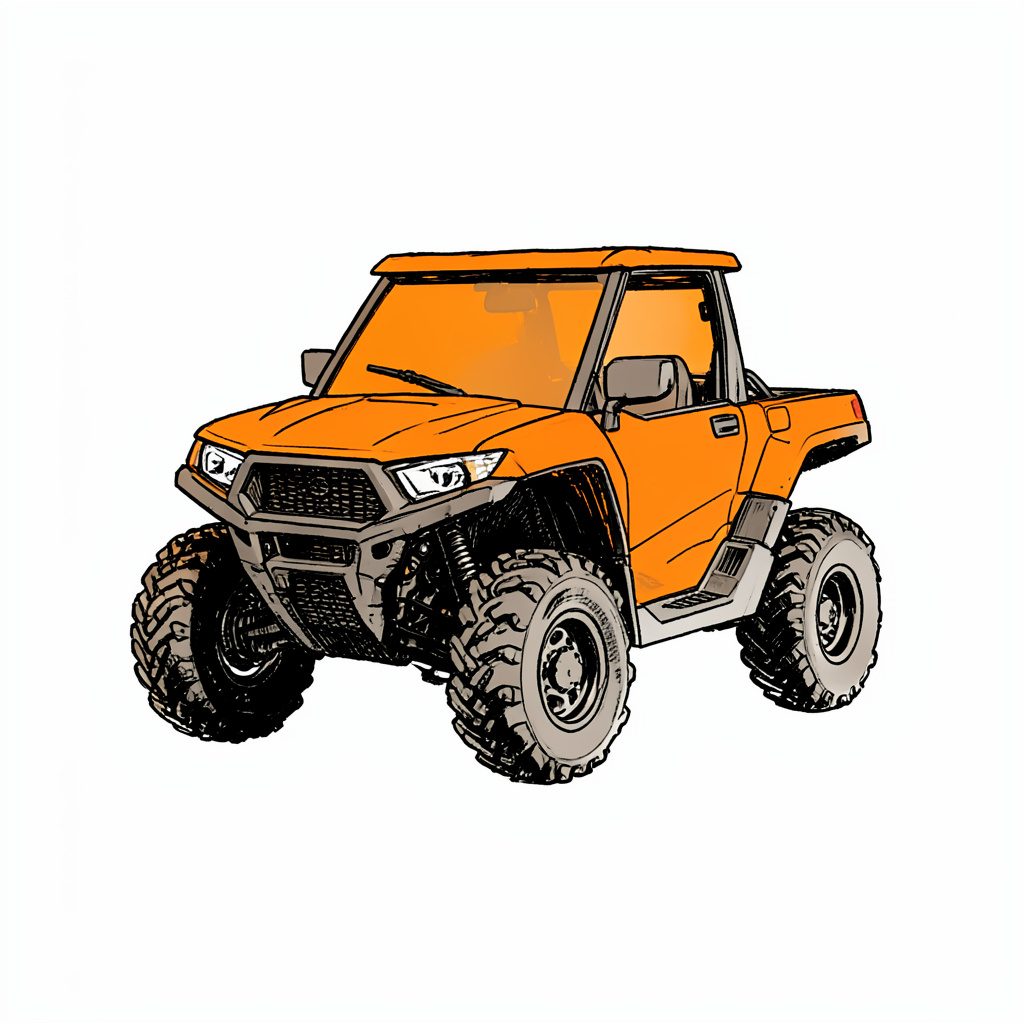
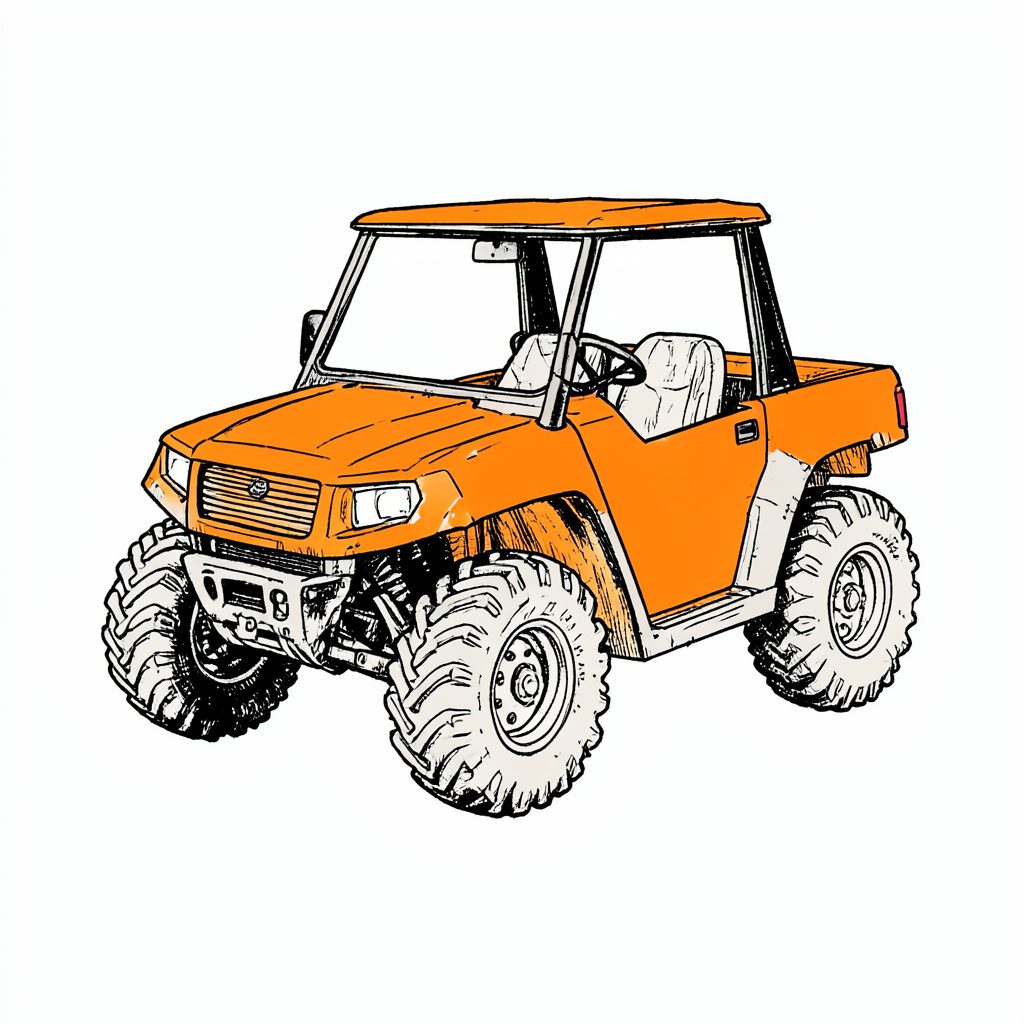
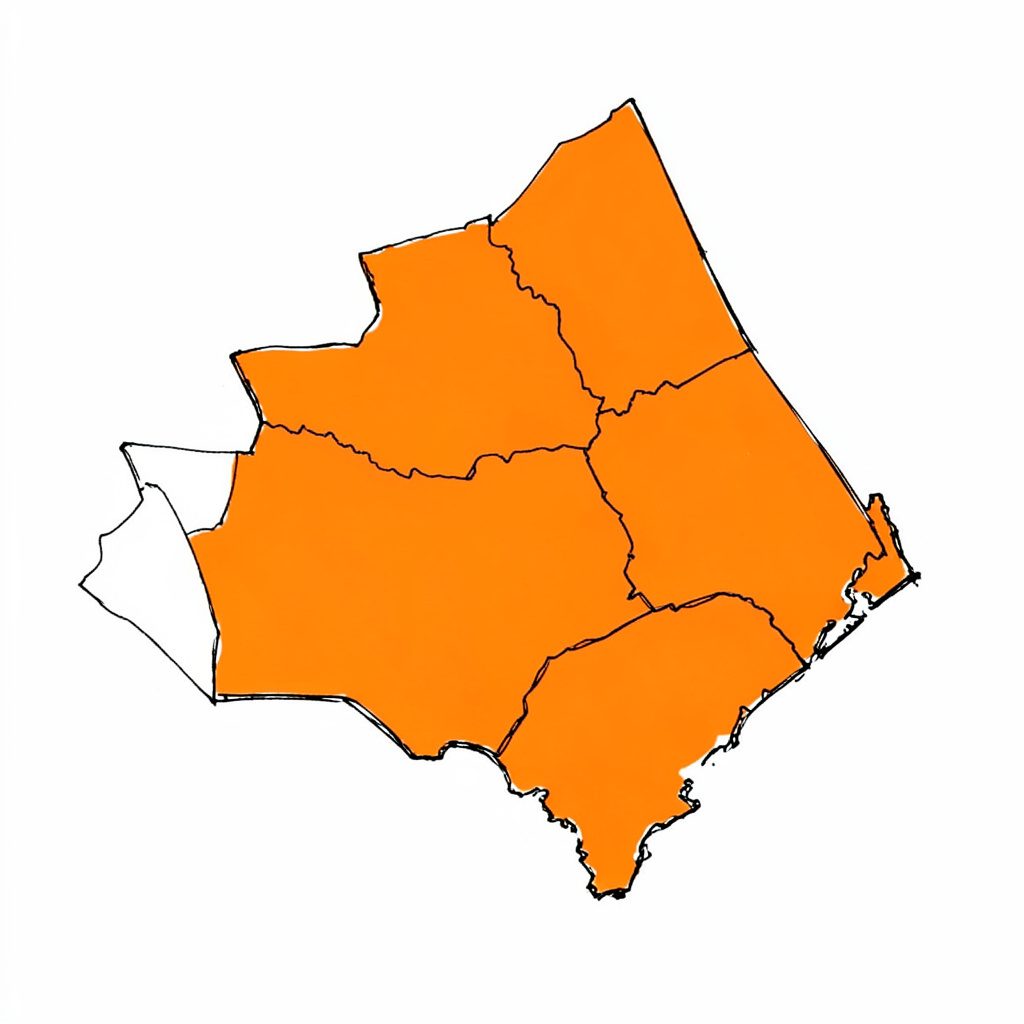
Tucked into pristine old Florida land in Flagler County, Florida Cracker Ranch is a family oriented outdoor adventure club where kids, parents and thrill seekers share the same trails, campsites and waterways.
Adventure Memberships available — families and singles welcome.
Reserve Your SpotWelcome to Florida Cracker Ranch
Often called Nature's Theme Park, our grounds invite families to ride ATV trails, splash through the swamp buggy area, pitch a tent, cast a line and explore old Florida hiking paths. Discover why members keep coming back season after season.
What You Can Do Here
ATV Trails
Marked routes for every skill level, including a peewee section.
Dirt Bikes
Dedicated dirt bike area built for two wheel adventure.
BMX & Mountain
Pedal powered BMX and mountain bike trails.
Swamp Buggy
Spacious swamp buggy area for big rig fans.
4x4 & Mud Trucks
Deep ruts and splash zones for 4x4s and mud trucks.
Skeet Range
Skeet shooting range in a controlled setting.
Camping
Membership campsites on a first come, first served basis.
Horse Trails
Scenic horse trails and riding paths.
An Old Florida Tradition
We honor the cracker way of life with old Florida outdoor living, traditional lodging, hiking and nature trails, plus fishing, swimming and beach access for members and their guests.
- Membership camping on a first come, first served basis
- Old Cracker Style Lodging cabins planned for overnight stays
- Old Florida hiking and nature trails
- Fishing, swimming and beach access
- Horse trails and riding


By the Numbers
How to Start a Campfire the Old Florida Way
An Old Florida campfire is less about building a roaring blaze than creating a warm, useful centre for an evening outdoors. The best fire starts small, burns cleanly and suits the landscape, whether you are camping beneath pine flatwoods, beside a freshwater pond or at a family adventure park such as Florida Cracker Ranch in Flagler County.
The method is simple: choose a legal fire spot, use dry local fuel, arrange it so air can move through the pile, and keep water close from the first flame. This low-fuss approach works for cooking, warmth, storytelling and the familiar ritual of watching sparks fade into the dark.
Australian campers will recognise the spirit, even though the materials and regulations differ. A Queensland family may be used to a designated fire ring at a holiday park, while a Victorian camper checks the daily fire danger rating before lighting anything. In every state, local restrictions take priority over tradition.
The Old Florida style also rewards patience. Palmetto fronds, pine needles and fallen branches can help you understand the landscape, but they are not automatically safe to burn. Gather only permitted fuel, protect native habitat and leave the site looking as though the fire was never there.
Why Old Florida Fires Feel Different
Florida’s natural setting shapes its campfire habits. Pine forests, palmettos, sandy ground and humid air create a different experience from a dry Australian bush campsite. Resinous pine can catch readily, while damp leaves and green vegetation produce smoke rather than useful heat. A clean fire depends on selecting genuinely dry wood and keeping the flames contained.
At a private outdoor destination, the fire may be part of a much bigger day. Guests at Florida Cracker Ranch can spend daylight hours riding ATVs, exploring trails, swimming, fishing or visiting the ranch’s Old Florida-style accommodation before settling around a campsite. A modest cooking fire is usually more comfortable after an active day than a huge bonfire that throws excessive heat and sparks.
Keep the atmosphere simple. Use the fire to boil water, toast food or provide a gathering point, then let it burn down naturally. If rain interrupts the evening, a quiet indoor film can complement the slower pace; an award-winning film guide may help families choose something suitable for a lodge or cabin.
Check Local Rules Before Gathering Wood
Fire regulations are determined by the land manager, county, season and current weather. At a managed campground, use the supplied fire ring or grate rather than making a new hearth. Ask staff whether wood collection is allowed, whether charcoal is permitted and when fires must be extinguished. Never assume that a fire allowed yesterday is allowed today.
Australian visitors should be especially alert to local restrictions. During a Total Fire Ban, campfires are generally prohibited, including many forms of solid-fuel cooking. The NSW Rural Fire Service, CFA in Victoria and state or territory fire agencies publish current warnings and ratings. A “fire pit” does not override a ban, and a park ranger’s direction outranks advice from a social media camping group.
Wind, drought and nearby vegetation matter as much as formal rules. Avoid lighting a fire during strong gusts, under low branches or beside dry grass. In sandy Florida terrain, wind can carry embers farther than expected, while Australia’s eucalyptus litter can ignite rapidly. If conditions are questionable, use a gas stove or postpone the fire.
Choose Fuel That Burns Cleanly
Start with three sizes of dry wood: tinder, kindling and fuel logs. Tinder catches from a match or lighter, kindling grows the first flame and larger pieces maintain heat. Dry pine shavings, untreated paper, small twigs and thin split sticks are useful. Avoid petrol, kerosene, aerosol sprays and other accelerants, which can cause flash fires and serious burns.
Fuel logs should be dry enough to crackle and show a clean break rather than bend. Use commercially supplied firewood where required, especially in areas concerned about moving pests or plant disease. Do not strip living branches from trees, cut vegetation without permission or burn treated timber, painted boards, plastic or rubbish. These materials can release harmful fumes and leave persistent residue.
The same principle applies when moving between Florida and Australia. A local campground may sell a permitted hardwood bundle, while a remote Queensland site may require visitors to bring approved fuel. In both cases, ask before collecting. For a wider outdoor day, the ranch’s swamp buggy tours guide offers useful context on travelling through wet, low-lying Florida country without disturbing the terrain.
Build A Small, Stable Fire
Clear a circle down to mineral soil inside an existing fire ring. Remove loose leaves, pine needles and dry grass from around the edge, then place water, a shovel and heat-resistant gloves within easy reach. The safest fire is one you can control without leaving the site to find equipment.
Place the tinder in the centre and arrange kindling above it in a loose teepee or small criss-cross structure. Leave gaps for air to enter. Add two or three pencil-thick sticks, then gradually introduce larger pieces once the first layer is burning. A compact log cabin arrangement can work well when you want a broader cooking bed, but it should remain low.
Light the tinder from more than one side if needed, then let the flame develop. Do not smother it with a heavy log. If the kindling produces smoke but no flame, it is probably damp or packed too tightly. Pull the structure apart, add drier material and rebuild rather than pouring on fuel.
Tend The Fire Without Losing Control
A good campfire needs occasional attention, not constant feeding. Add one log at a time and place it across the existing coals so the fire stays within the ring. Keep children and pets outside the marked safety area, and use long tongs for cooking rather than balancing pans directly on unstable wood.
Smoke often signals poor fuel, insufficient airflow or an overloaded fire. Shift the logs with a poker, open a gap and wait before adding more. Never leave a fire unattended, even when it appears to be only glowing embers. Wind can revive coals unexpectedly, and a child or animal can fall into a shallow ring.
If the day includes sandy tracks or off-road driving, remember that loose surfaces can hide roots, holes and fragile vegetation around a campsite. The guide to 4x4 sandy terrain explains why careful route choice matters; the same respect for the ground should guide where you park, walk and place a fire.
Extinguish It Until It Is Cold
Begin putting out the fire well before bedtime or departure. Let the wood burn down to a manageable bed of ash and embers, then spread the coals inside the ring. Pour water slowly over the entire area, including the edges, while stirring with a shovel. Steam may rise, so keep your face and hands away from the immediate area.
Continue adding water and stirring until there is no hissing, glowing material or heat beneath the ash. The “touch test” should be performed carefully with the back of a gloved hand only after the area has cooled substantially. If it is too hot to touch, it is too hot to leave.
Do not bury live coals. Soil can insulate them and allow them to smoulder, while wind later exposes embers. Pack out foil, food scraps and other waste according to site rules. A finished campsite should have no warm stones, scattered ash or half-burnt rubbish that could attract wildlife.
Safe Habits For Every Campfire
- Check the current fire ban, weather forecast and campground rules before collecting fuel.
- Keep a full bucket of water, a shovel and a clear space beside the fire ring.
- Use only dry, untreated wood and feed the fire gradually.
- Keep children, pets, tents and vehicles well away from flames and sparks.
- Extinguish, stir and re-check the coals until everything is cold.
| Fire-building choice | Best use | Main caution |
|---|---|---|
| Small teepee of tinder and kindling | Quick warmth and easy lighting | Can collapse if overloaded |
| Criss-cross kindling stack | Steady airflow and a controlled start | Needs dry, thin sticks |
| Low log cabin | Longer burn and cooking coals | Requires careful spacing |
| Gas stove | Cooking during bans or high-risk weather | Still needs stable placement and supervision |
The Old Florida way is practical rather than dramatic: start with a little tinder, build a breathable structure, respect the land and keep the fire within its limits. For an Australian camper, that means adding one essential step before striking a match—check the state or park rules for that exact day. The safest campfire is a small, well-tended one that is fully cold before you turn in.
Get in Touch
Send us a note about memberships, guest visits or directions. Phone 386-864-3856 or email floridacrackerranch@floridacrackerranch.com. Mailing address: P.O. Box 2993 Bunnell, Florida 32110.