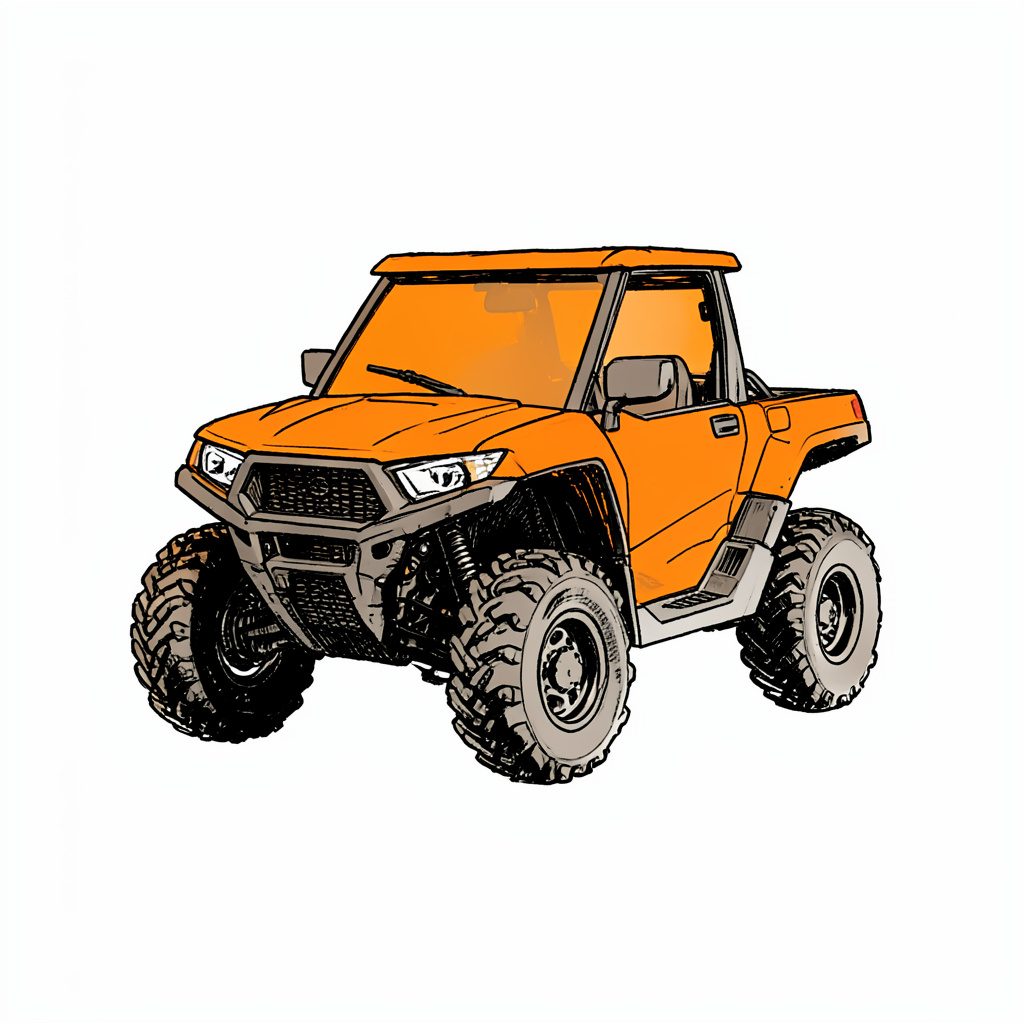
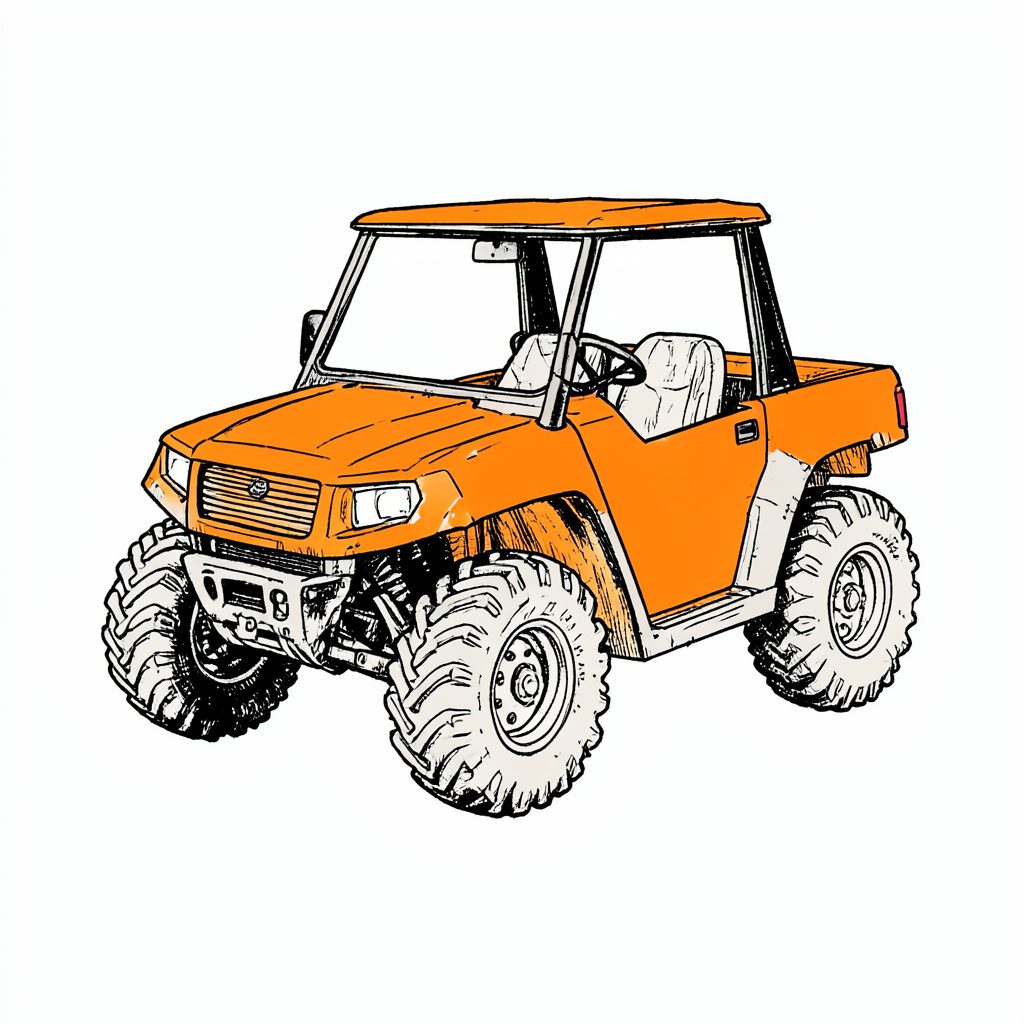
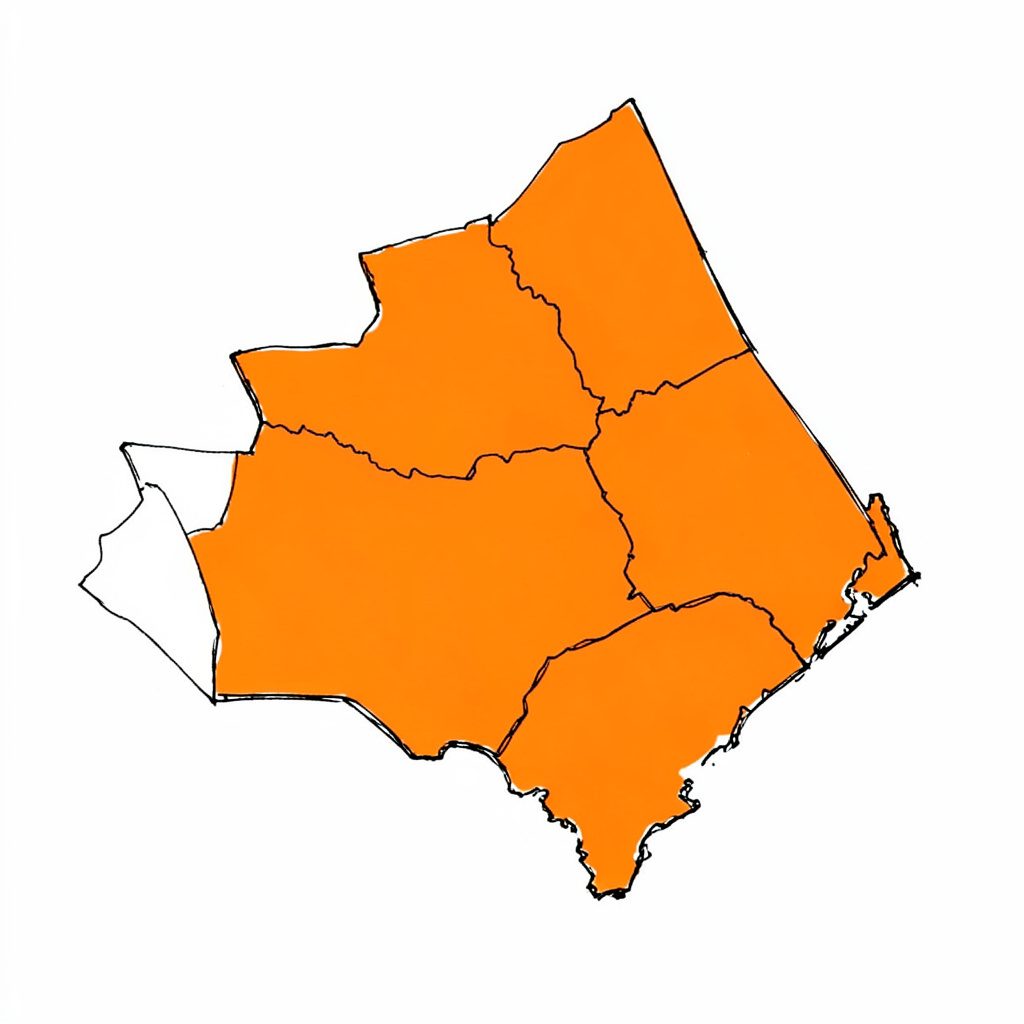
Tucked into pristine old Florida land in Flagler County, Florida Cracker Ranch is a family oriented outdoor adventure club where kids, parents and thrill seekers share the same trails, campsites and waterways.
Adventure Memberships available — families and singles welcome.
Reserve Your SpotWelcome to Florida Cracker Ranch
Often called Nature's Theme Park, our grounds invite families to ride ATV trails, splash through the swamp buggy area, pitch a tent, cast a line and explore old Florida hiking paths. Discover why members keep coming back season after season.
What You Can Do Here
ATV Trails
Marked routes for every skill level, including a peewee section.
Dirt Bikes
Dedicated dirt bike area built for two wheel adventure.
BMX & Mountain
Pedal powered BMX and mountain bike trails.
Swamp Buggy
Spacious swamp buggy area for big rig fans.
4x4 & Mud Trucks
Deep ruts and splash zones for 4x4s and mud trucks.
Skeet Range
Skeet shooting range in a controlled setting.
Camping
Membership campsites on a first come, first served basis.
Horse Trails
Scenic horse trails and riding paths.
An Old Florida Tradition
We honor the cracker way of life with old Florida outdoor living, traditional lodging, hiking and nature trails, plus fishing, swimming and beach access for members and their guests.
- Membership camping on a first come, first served basis
- Old Cracker Style Lodging cabins planned for overnight stays
- Old Florida hiking and nature trails
- Fishing, swimming and beach access
- Horse trails and riding


By the Numbers
A Beginner’s Guide to 4x4 Off-Roading on Sandy Terrain
Sandy tracks look inviting because they are broad, scenic and often less intimidating than rocky mountain trails. They can also catch out an experienced driver within seconds. Loose grains reduce traction, build heat in the drivetrain and make a heavy vehicle sink quickly when the tyres are overinflated or the throttle is used too aggressively.
For Australian drivers, the basic principles will feel familiar from beach trips along K’gari, Stockton Beach or the Coorong. The difference is that every beach, station track and private property has its own rules, conditions and recovery risks. A safe outing starts well before the vehicle reaches the sand.
Florida Cracker Ranch in Flagler County offers a controlled setting for learning off-road vehicle skills alongside activities such as dirt biking, hiking, fishing and camping. Its Old Florida adventures also provide a useful sense of the traditional landscapes and outdoor experiences available around the ranch.
This guide covers vehicle setup, tyre pressures, throttle control, recovery planning and etiquette. It is aimed at a first-time 4x4 driver, whether you are visiting Florida for an outdoor holiday or building confidence before tackling Australian sand country in your own ute or four-wheel drive.
Choose The Right Vehicle And Setup
A proper four-wheel drive with low-range gearing is the most forgiving choice for soft sand. Selectable 4WD, useful ground clearance and a low vehicle weight all help, while a long-wheelbase wagon or heavily loaded touring rig may need more careful momentum management. A front recovery point, rated rear point and recovery hitch are essential before entering a remote track.
Check the vehicle thoroughly before departure. Look for leaks, inspect the radiator and air filter, and make sure the spare tyre is accessible. Sand can expose weak suspension components, worn belts and cooling problems that might remain unnoticed on sealed roads. Remove unnecessary cargo, secure loose equipment and keep heavy items low in the vehicle.
Tyre pressure is one of the most important adjustments. Lower pressure increases the tyre’s footprint, allowing it to float across the surface rather than cut into it. As a starting point, many vehicles may perform well around 18–22 psi on firm beach sand, while very soft conditions can require less. Use the vehicle maker’s guidance, carry a reliable gauge and adjust gradually.
A compressor is needed to reinflate before returning to bitumen. In Australia, stopping at a servo with hot, partly deflated tyres is poor practice because low pressure can damage a tyre at highway speed. Reinflation should happen on stable ground, with the tyres checked for cuts, embedded shells or sharp stones.
Read The Sand Before You Drive
Sand changes constantly with moisture, wind, traffic and temperature. Damp, compact sand near the waterline may carry a vehicle well, while dry powder above the high-tide mark can swallow tyres. On a coastal route, check tide times, access notices and local closures before setting off. A seemingly safe beach can become narrow or impassable as the tide rises.
Look ahead rather than focusing only on the bonnet. Ruts, wheel holes and soft patches often appear as subtle changes in colour or texture. Walk an unfamiliar section where practical, especially before descending into a hollow or crossing a dune. Never drive onto vegetation to bypass a boggy patch; coastal plants protect fragile dunes and are commonly protected by local regulations.
Australian beach drivers often use a sand flag in dune areas so approaching vehicles can see over a crest. A UHF radio, commonly monitored on Channel 40 for general convoy communication, can improve awareness, although radio etiquette and local channel rules still apply. On private land, follow the property owner’s instructions instead of assuming public-track customs apply.
Sandy surfaces can also conceal water. Avoid discoloured pools, tidal channels and areas where the surface looks firm but flexes underfoot. In Florida, wet ground and swampy sections may create hazards very different from an Australian beach. At a private adventure property, remain on marked routes and obey signs, marshals and speed limits.
Master Smooth Inputs And Momentum
Engage four-wheel drive before the vehicle becomes stuck. If available, select high-range 4WD for normal sandy tracks and low range for steep, technical sections or controlled recovery work. Automatic transmissions may need a suitable manual gear or drive mode to prevent constant shifting. Consult the owner’s manual because systems differ between vehicles.
Use steady momentum rather than speed. A modest, consistent pace helps the tyres stay on top of the sand, while sudden acceleration digs trenches beneath them. Keep your steering movements gentle and avoid repeatedly sawing the wheel from side to side. Straight wheels roll more efficiently and reduce resistance.
If the vehicle begins to bog down, stop before the axles are resting on the sand. Continuing to spin the tyres creates deep holes and can bury the vehicle to its chassis. Ease off the accelerator, select reverse if the path behind is clear and retreat along the existing tracks. Sometimes a short, controlled run-up is useful, but it must never compromise visibility or safety.
Climbing a dune requires a clear crest and enough momentum to reach the top without wheelspin. Do not attack a blind rise at speed. Descend in a low gear with minimal braking, keeping the vehicle pointed straight where possible. Side slopes increase rollover risk, particularly for tall vehicles with roof loads.
Passengers should understand the basic plan. Seat belts stay fastened, arms remain inside the vehicle and children should not stand or move around while driving. Keep windows closed in dusty convoy conditions and maintain a generous gap so another vehicle’s sand spray does not obscure vision.
Recover A Bogged Vehicle Carefully
Recovery equipment should match the vehicle and be rated for the job. A basic kit may include rated shackles, a kinetic recovery rope or snatch strap, a shovel, traction boards, gloves, a tyre gauge, compressor and an air deflator. A winch can be valuable, but it does not replace sound driving or a rated anchor point.
The first recovery step is usually to reduce resistance. Stop wheelspin, ask passengers to exit if safe and dig sand away from the tyres and under the chassis. Lowering tyre pressure slightly can help, provided there is enough sidewall protection and the vehicle will be reinflated before road travel. Traction boards can create a firm ramp beneath the drive tyres.
Never attach a strap to a tow ball, suspension arm, bullbar tube or an unverified tie-down point. Use only rated recovery points fitted to the vehicle. Keep bystanders well outside the recovery zone, ideally at least one and a half times the length of the strap away from either vehicle. A weighted recovery damper helps reduce strap movement if equipment fails.
A snatch recovery is a controlled pull, not a drag race. The assisting vehicle should take up slack smoothly while the bogged driver applies light, consistent throttle. Stop immediately if the strap shifts, a point bends, a vehicle moves unpredictably or people enter the danger area. If the vehicle is deeply buried, damaged or close to rising water, call professional recovery assistance rather than escalating the attempt.
Horseback riding and other activities may share a property with vehicle tracks. Before combining a driving day with a trail experience, check the riding arrangements and safety expectations; this guided trail ride explains why calm speed and awareness matter around horses and other visitors.
Plan A Responsible First Outing
A beginner’s first sand session should be short, supervised and close to assistance. A private facility can be more suitable than an isolated beach because the route, entry rules and recovery support are clearer. Florida Cracker Ranch uses a membership model with guest privileges and camping options, which can make it easier to turn a single drive into a relaxed outdoor weekend.
Check weather, heat, rain and daylight before departure. Florida humidity and sudden storms can alter tracks quickly, while Australian summer conditions can create extreme heat inside a stationary vehicle. Carry drinking water, sun protection, insect repellent, food, a first-aid kit and a charged phone, but do not rely on mobile coverage in remote areas.
Respect wildlife, livestock, other drivers and nearby residents. Keep noise and speed under control, stay on designated trails and pack out rubbish. On Australian public land, confirm whether permits, bookings, seasonal closures or vehicle passes apply. K’gari, for example, requires careful planning around tides, freshwater crossings and camping restrictions, while Outback routes may demand far more fuel and communications equipment than a day at a managed park.
Practical Checks Before You Set Off
- Inspect recovery points, tow equipment, spare tyre, fluids and tyre condition.
- Carry a compressor, gauge, deflator, shovel, traction boards and rated recovery gear.
- Lower pressures progressively and record the setting that works for the surface.
- Tell someone your route, expected return time and emergency contact details.
- Drive with a spotter or experienced guide when approaching unfamiliar dunes.
- Reinflate, inspect and clean the vehicle before travelling on public roads.
| Driving Situation | Useful Approach | Main Risk |
|---|---|---|
| Firm, damp sand | Moderate pressure and steady momentum | Excessive speed near pedestrians or water |
| Dry, loose sand | Lower pressure and smooth throttle | Wheelspin and rapid bogging |
| Steep dune climb | Low range where needed, straight line, clear crest | Blind approach or rollover |
| Soft depression | Walk the line, maintain controlled momentum | Chassis grounding |
| Recovery zone | Shovel first, use rated points and exclusion area | Strap or attachment failure |
The aim of a first outing is not to conquer the most difficult track. It is to learn how the vehicle responds, how quickly sand changes and how much preparation prevents a minor bogging from becoming an emergency. Keep the tyres moving without spinning, choose the easiest visible line and stop early when conditions exceed your experience.
For an Australian visitor, the same habits transfer from a managed Florida trail to a beach run near Newcastle or a station track outside Alice Springs: lower pressure, read the surface, carry recovery gear and respect the environment. The practical takeaway is simple—prepare the vehicle, drive smoothly and treat every sandy section as a place to manage traction rather than a test of speed.
Get in Touch
Send us a note about memberships, guest visits or directions. Phone 386-864-3856 or email floridacrackerranch@floridacrackerranch.com. Mailing address: P.O. Box 2993 Bunnell, Florida 32110.