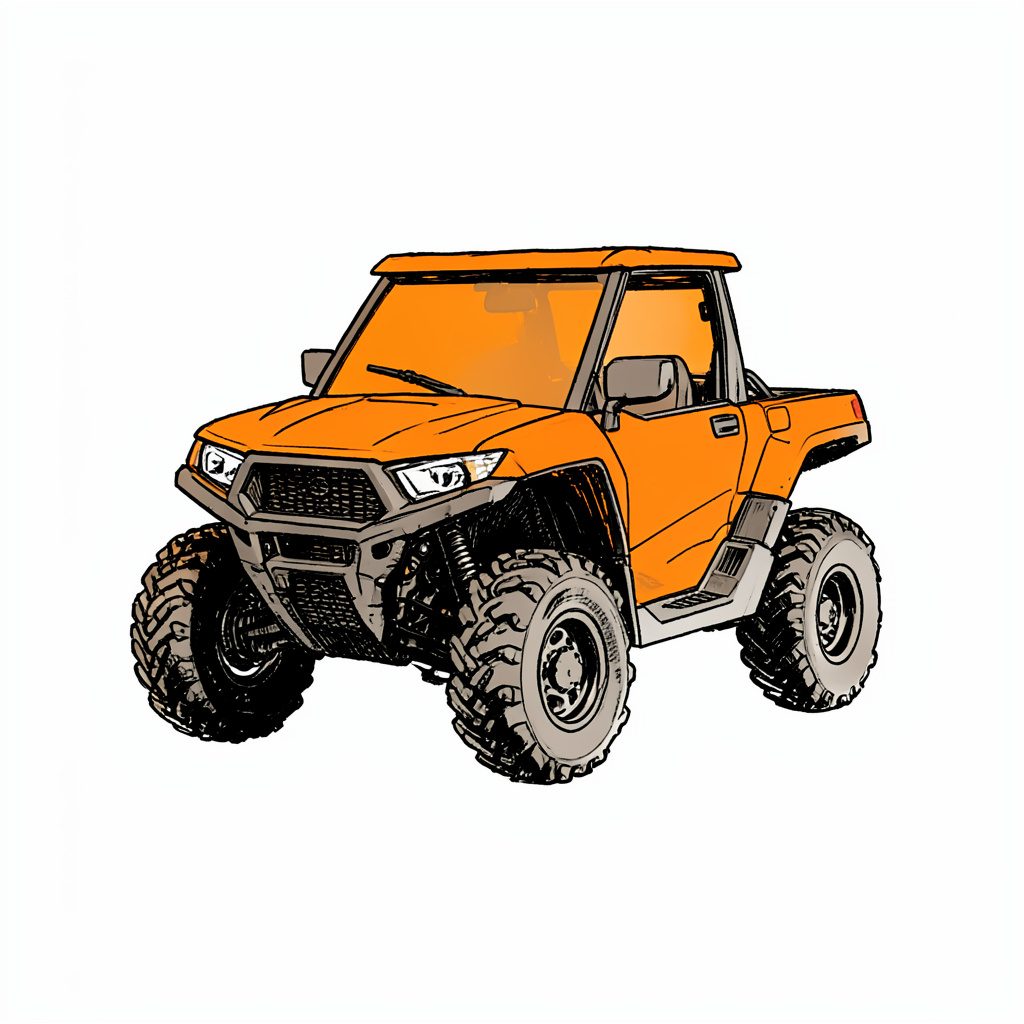
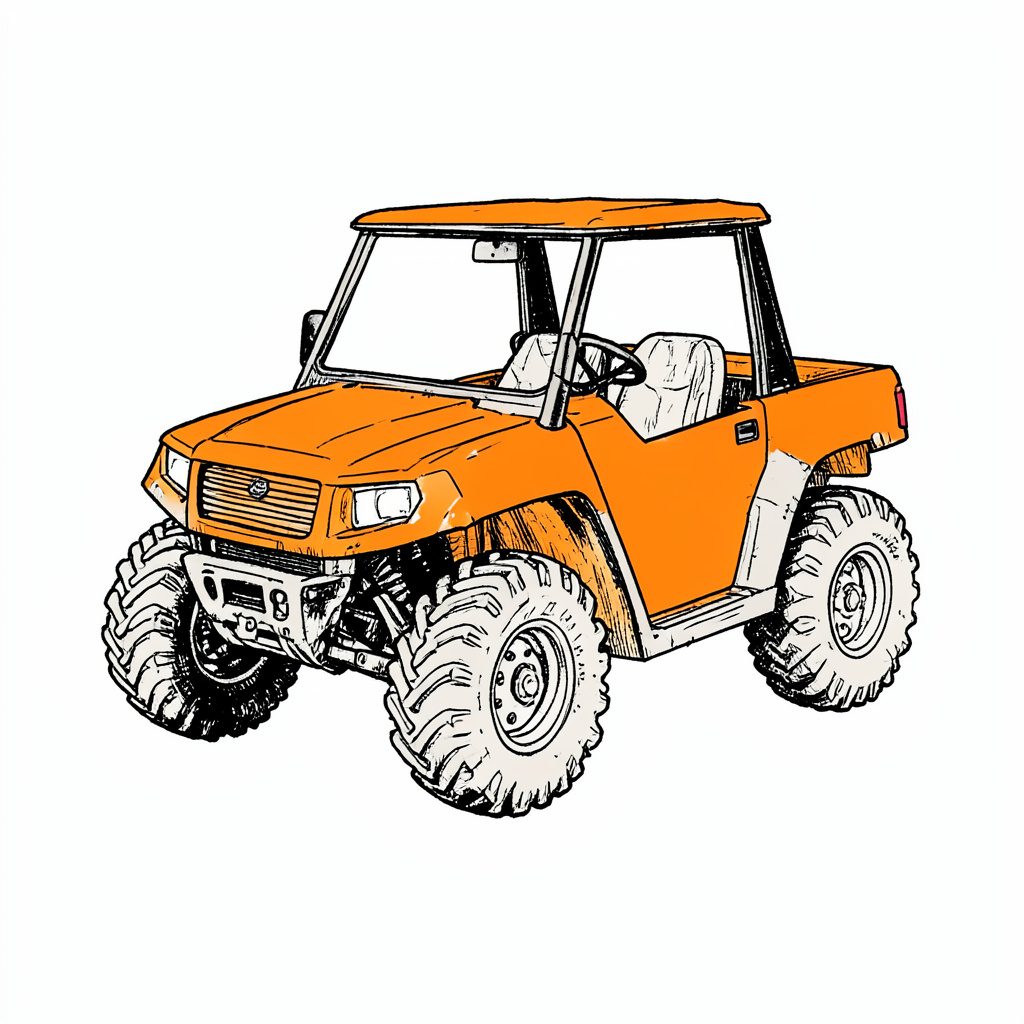
Tucked into pristine old Florida land in Flagler County, Florida Cracker Ranch is a family oriented outdoor adventure club where kids, parents and thrill seekers share the same trails, campsites and waterways.
Adventure Memberships available — families and singles welcome.
Reserve Your SpotWelcome to Florida Cracker Ranch
Often called Nature's Theme Park, our grounds invite families to ride ATV trails, splash through the swamp buggy area, pitch a tent, cast a line and explore old Florida hiking paths. Discover why members keep coming back season after season.
What You Can Do Here
ATV Trails
Marked routes for every skill level, including a peewee section.
Dirt Bikes
Dedicated dirt bike area built for two wheel adventure.
BMX & Mountain
Pedal powered BMX and mountain bike trails.
Swamp Buggy
Spacious swamp buggy area for big rig fans.
4x4 & Mud Trucks
Deep ruts and splash zones for 4x4s and mud trucks.
Skeet Range
Skeet shooting range in a controlled setting.
Camping
Membership campsites on a first come, first served basis.
Horse Trails
Scenic horse trails and riding paths.
An Old Florida Tradition
We honor the cracker way of life with old Florida outdoor living, traditional lodging, hiking and nature trails, plus fishing, swimming and beach access for members and their guests.
- Membership camping on a first come, first served basis
- Old Cracker Style Lodging cabins planned for overnight stays
- Old Florida hiking and nature trails
- Fishing, swimming and beach access
- Horse trails and riding
By the Numbers
Reading Alligator Clues Around Florida Ranch Ponds
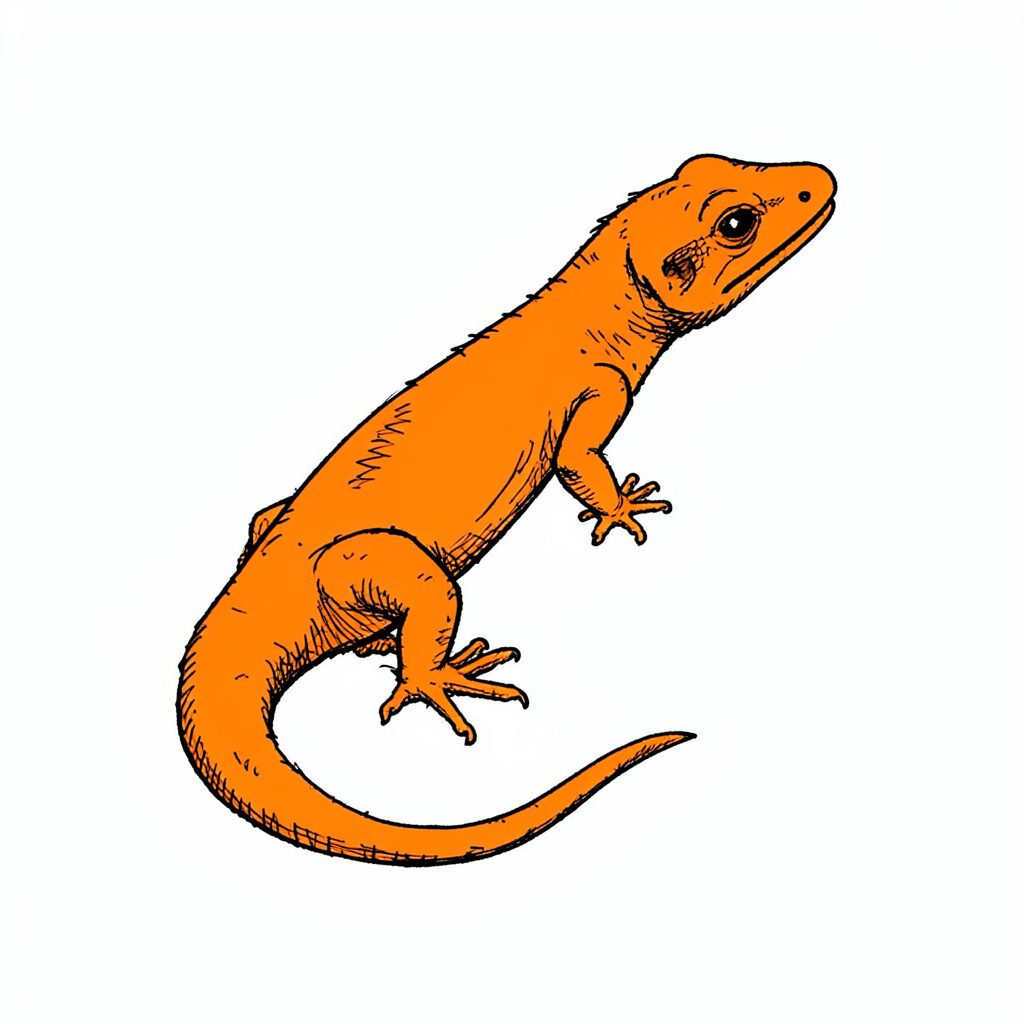
A pond at Florida Cracker Ranch can look quiet from the bank, with cypress reflections, sawgrass and barely a ripple across the surface. That stillness does not mean the water is empty. Alligators are skilled at remaining almost invisible, and the most useful warning often comes from tracks, slide marks, disturbed vegetation or a pair of eyes above the waterline. Learn more about Hoe Werkt Wild Symbool Bij Casino Spellen.
For visitors travelling from Australia, the setting may feel familiar in one respect: people from Queensland, the Northern Territory and northern Western Australia already understand that freshwater edges deserve caution. An American alligator is different from an Australian saltwater or freshwater crocodile, though. Reading the signs before approaching a pond helps families, riders, anglers and campers enjoy the ranch without turning a wildlife encounter into a dangerous surprise. Learn more about Nepalifilm.net.
Start With The Shape Of The Water
Look first at the pond’s edges rather than staring across the middle. Alligators often choose shallow shelves, muddy banks, reed beds and shaded corners where they can rest with easy access to deeper water. A clean, broad slide through grass or mud may show where an animal repeatedly travels between land and water.
Pay attention to narrow channels in reeds, flattened vegetation and a smooth ramp-like mark descending into the pond. A single footprint can be difficult to identify, especially after rain, but several clawed tracks in a line are more useful. Adult alligator tracks may show four or five toes, with the hind foot considerably larger than the front foot. Never follow a trail to see where it ends.
Australian visitors may instinctively scan for a large reptile basking in full sun, as they might near a billabong outside Darwin. Alligators can bask on banks, but they also use shade, floating plants and dark water. A sheltered bank with fresh disturbance deserves the same respect as an obvious animal.
Read Tracks, Trails And Mud
Fresh tracks usually have sharper edges than old ones. Rain softens them, wind fills them with debris and other animals may cross over them, so avoid making a confident identification from one blurred impression. The key is a pattern: repeated footprints, a belly drag, tail marks and a direct route from cover to water.
A broad, polished-looking trail can be an alligator slide, particularly where grass bends in the same direction and mud appears compressed. Smaller wildlife can make narrow paths, while a large reptile may leave a heavier, wider channel. Do not step into a track for a closer look. Besides disturbing the animal’s route, you could place yourself near a concealed alligator at the water’s edge.
Keep children and dogs behind the adult nearest to the bank. A child leaning over to photograph a footprint can be at greater risk than someone standing several metres back. Phones, selfie sticks and fishing equipment should never be allowed to draw people towards an unobserved shoreline.
Watch For Eyes, Snouts And Bubbles
At a distance, an alligator may appear as two raised bumps, a dark log or a small wedge of snout. Eyes and nostrils remain above water while most of the body stays hidden. The position can change quickly, so treat a floating shape as a possible animal until staff confirm otherwise.
Bubbles rising in a line, a sudden parting of duckweed or a V-shaped wake can indicate movement below the surface. These clues are not proof by themselves: fish, turtles, wind and submerged branches can create similar effects. Several signs occurring together—eyes at the surface, a wake and disturbed reeds—should be treated as a clear reason to increase your distance.
Do not toss sticks, stones or food into the pond to test a shape. Feeding alligators is prohibited in Florida and can make them associate people with food. It also changes natural behaviour, creating an animal that approaches paths, campsites and fishing spots instead of avoiding people.
Notice Where Animals Find Shelter
Alligators favour places that offer cover, warmth and a quick escape route. Search visually from established paths for muddy ledges, low banks beneath overhanging branches, culverts, thick cattails and floating vegetation. A quiet cove may be a resting area even when no reptile is visible.
Breeding season can bring additional caution. Adult animals may become more defensive around nests or young, and a female can remain nearby even if the nest itself is hidden in vegetation. Tiny alligators may be heard or seen near the margins, but approaching them is unsafe because the mother may be close.
Ranch guests should stay on designated routes and follow signs around fishing and swimming areas. A pond used for recreation is not automatically free of wildlife. Australian families used to patrolled beaches, surf-life-saving flags and council warning signs should apply the same discipline here: a marked boundary is practical safety information, not decoration.
Interpret Sounds And Sudden Movement
A low bellow, hiss or forceful splash can be significant, especially during warmer months or around breeding activity. It is not sensible to move closer to identify the sound. Stop, locate the safest route away from the bank and notify a staff member from a secure position.
Small alligators can make chirping sounds, while larger animals may produce a deep rumble that travels across water. Sudden silence among birds or a burst of movement in reeds can also signal that an animal has been disturbed. These observations are useful when reported calmly, with the pond name or nearby trail, time and direction of travel.
If you are carrying a camera, use optical zoom instead of approaching. Visitors comparing wildlife encounters with travel footage may be tempted to watch videos later, perhaps during a quiet evening at camp; even a streaming guide such as streaming service rivalry is a better place for screen-based observation than the edge of an unverified pond.
Keep Recreation Separate From Wildlife Space
Fishing, hiking, horse riding, mountain biking and four-wheel-drive activities can bring people close to wetland edges at different times of day. Early morning and late afternoon are popular periods for outdoor recreation in Florida, but they can also provide good conditions for wildlife activity. Slow down near crossings, bends and low-visibility water.
Do not swim in ponds unless the area is specifically designated and staff have confirmed that it is open. Never wash dishes, clean fish or leave scraps beside the water. Secure food, bait and rubbish, particularly around campsites. A familiar Australian habit such as packing rubbish tightly after a barbecue is just as important here as it is at a Queensland campground.
Horse riders and cyclists should not attempt to outrun or provoke an alligator. Give any animal a wide berth, turn around if the trail narrows beside water and report the sighting. Florida wildlife rules and ranch instructions apply on site, while anglers must also follow current state fishing requirements. Australian visitors should remember that their local crocodile-warning experience does not replace Florida-specific guidance.
Respond Safely When Evidence Appears
If you see an alligator, remain calm and move away from the water in a straight, controlled manner. Do not block its route to the pond, crowd it for photographs or encourage others to come closer. Tell children to walk beside an adult rather than run in different directions.
An alligator on land is not necessarily lost or aggressive; it may be travelling between water bodies or searching for a resting place. That does not make it safe to pass nearby. Ask ranch staff for help, and use 911 for an immediate threat to people. A close encounter near a campsite, activity area or designated swimming zone should be reported promptly so the site can be assessed.
The same calm approach applies to any wildlife sign that seems unusual. A simple report can include the location, estimated size, direction of movement and whether food, pets or people were nearby. Do not attempt to capture, trap or relocate the animal yourself. For a relaxed evening after a wildlife walk, camp coffee can provide a safer focus than returning to the pond; the ranch’s campfire coffee recipes fit that slower rhythm.
Practical Habits For A Safer Visit
- Keep at least several body lengths from the water’s edge, and increase that distance near dense cover or fresh tracks.
- Supervise children closely and keep dogs on a lead away from ponds, drainage channels and muddy banks.
- Never feed, tease, call to or throw objects at an alligator.
- Use established paths, obey signs and ask staff before fishing, swimming or camping near water.
- Carry a torch after dark, but do not shine it across the pond while approaching the bank.
- Report sightings, tracks and unusual behaviour with a precise location rather than investigating further.
- Store food, bait and rubbish securely so wildlife does not learn to associate people with meals.
The safest observer is the one who notices several small clues before needing to react to a large animal. A slide through grass, paired eyes, a wake, a hiss or a nest area all deserve extra space. For Australian travellers, the essential lesson is familiar even in a different ecosystem: respect the warning signs, follow local rules and let wildlife keep its distance.
Get in Touch
Send us a note about memberships, guest visits or directions. Phone 386-864-3856 or email floridacrackerranch@floridacrackerranch.com. Mailing address: P.O. Box 2993 Bunnell, Florida 32110.