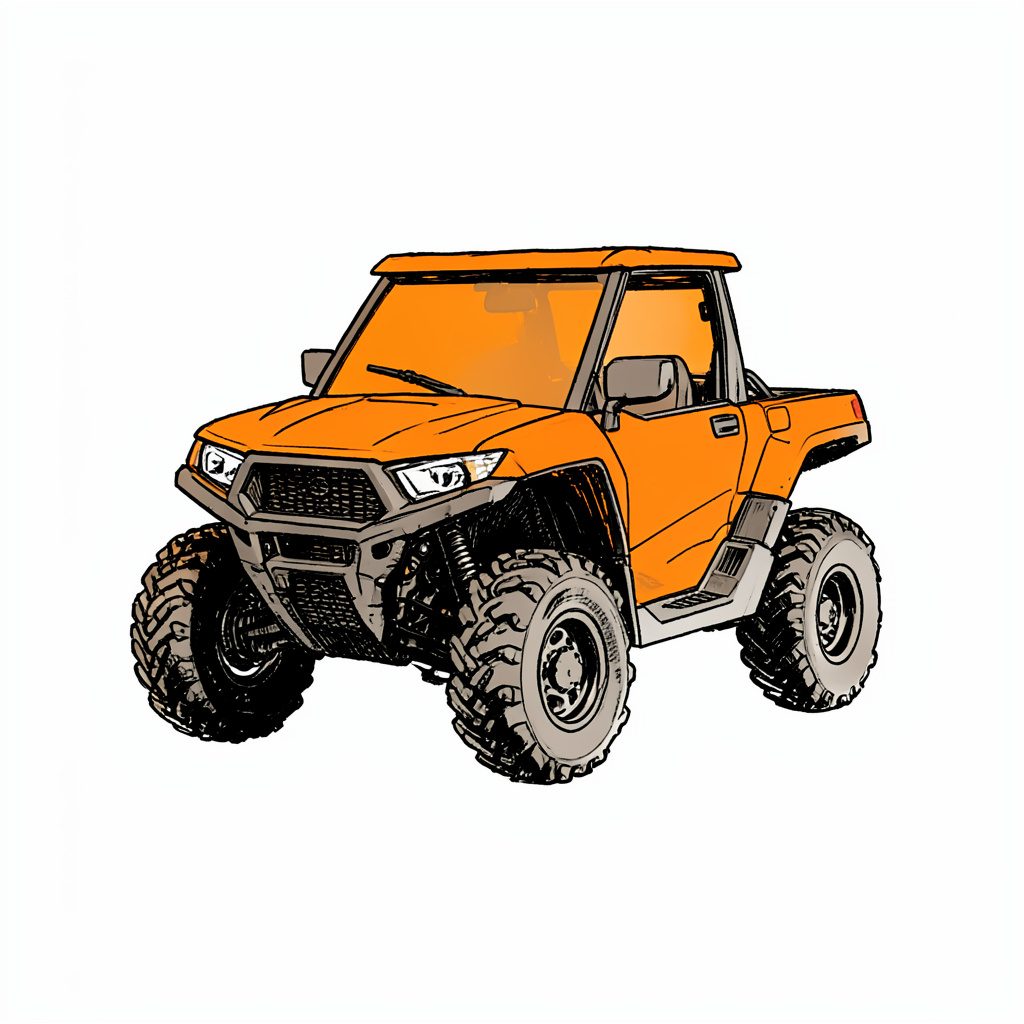
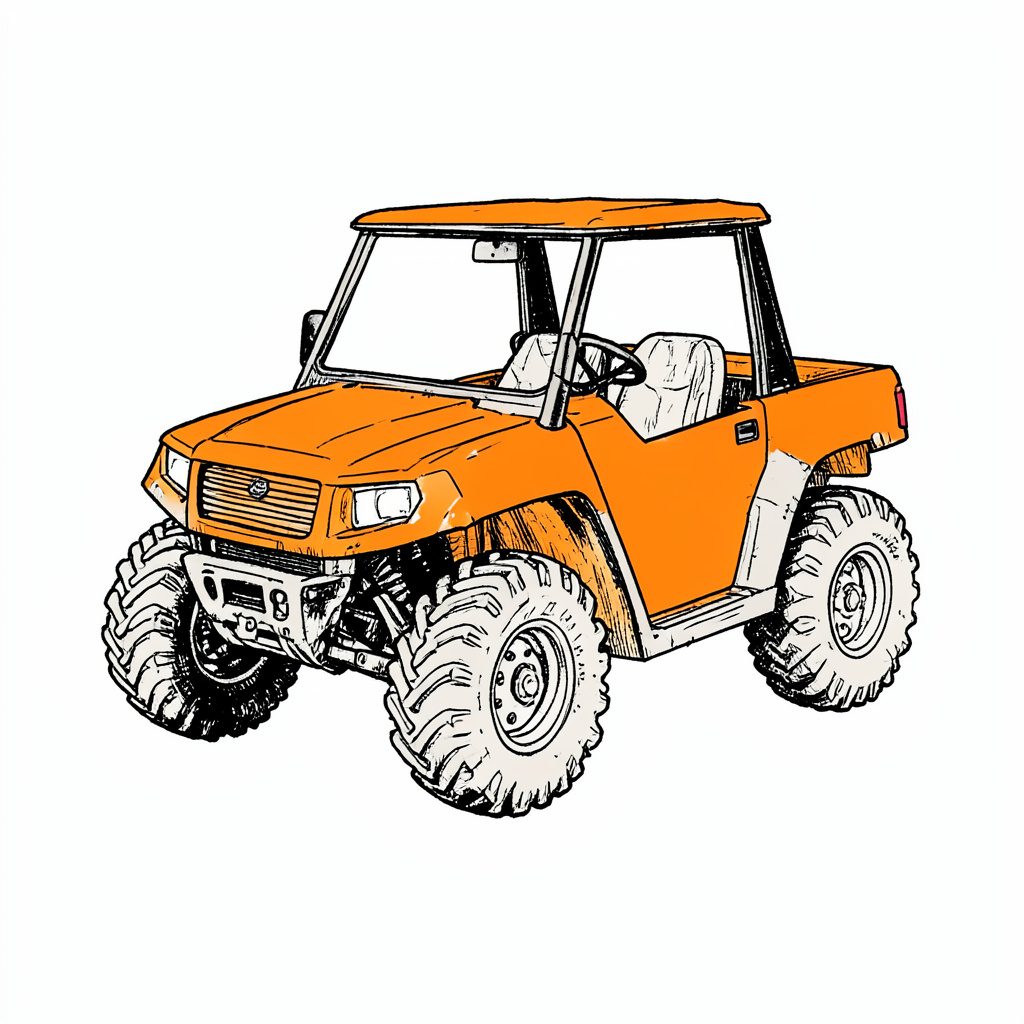
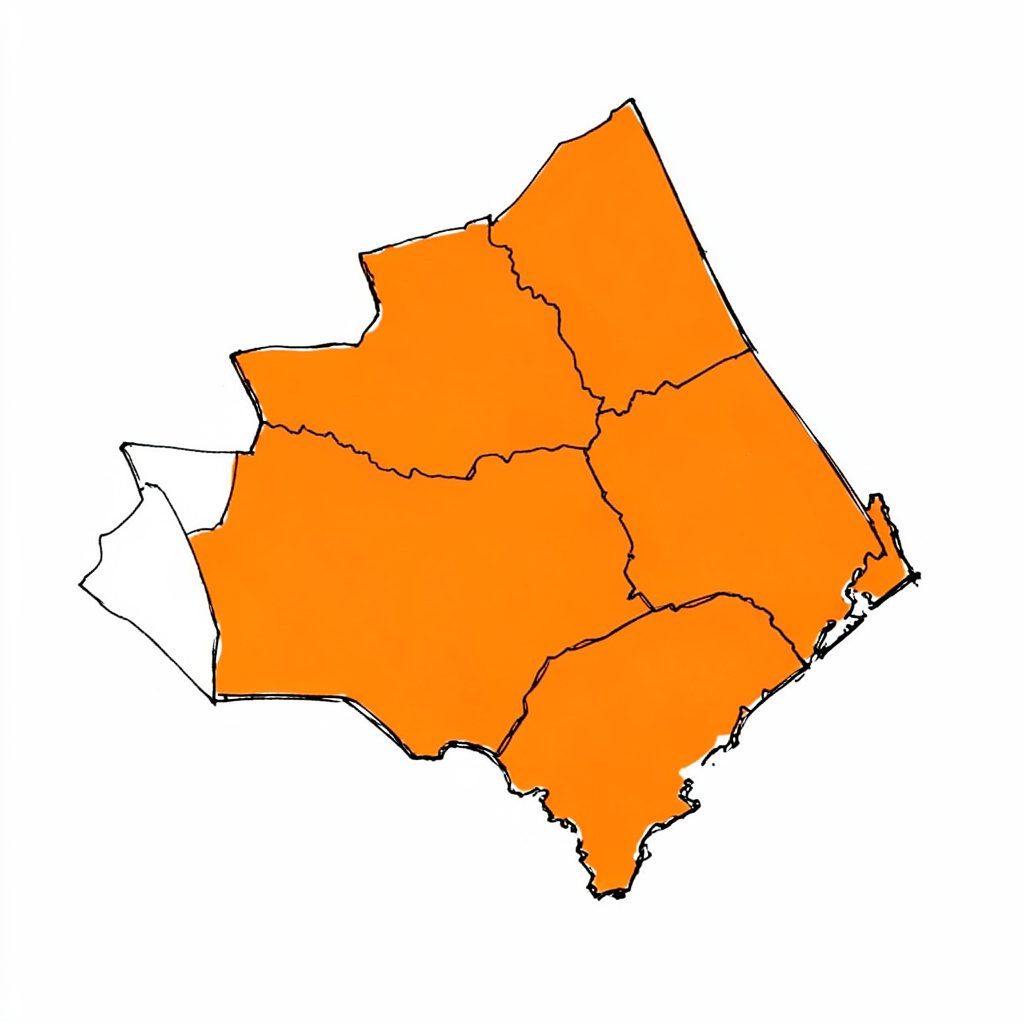
Tucked into pristine old Florida land in Flagler County, Florida Cracker Ranch is a family oriented outdoor adventure club where kids, parents and thrill seekers share the same trails, campsites and waterways.
Adventure Memberships available — families and singles welcome.
Reserve Your SpotWelcome to Florida Cracker Ranch
Often called Nature's Theme Park, our grounds invite families to ride ATV trails, splash through the swamp buggy area, pitch a tent, cast a line and explore old Florida hiking paths. Discover why members keep coming back season after season.
What You Can Do Here
ATV Trails
Marked routes for every skill level, including a peewee section.
Dirt Bikes
Dedicated dirt bike area built for two wheel adventure.
BMX & Mountain
Pedal powered BMX and mountain bike trails.
Swamp Buggy
Spacious swamp buggy area for big rig fans.
4x4 & Mud Trucks
Deep ruts and splash zones for 4x4s and mud trucks.
Skeet Range
Skeet shooting range in a controlled setting.
Camping
Membership campsites on a first come, first served basis.
Horse Trails
Scenic horse trails and riding paths.
An Old Florida Tradition
We honor the cracker way of life with old Florida outdoor living, traditional lodging, hiking and nature trails, plus fishing, swimming and beach access for members and their guests.
- Membership camping on a first come, first served basis
- Old Cracker Style Lodging cabins planned for overnight stays
- Old Florida hiking and nature trails
- Fishing, swimming and beach access
- Horse trails and riding



By the Numbers
How to Rig Your 4x4 for Deep Sand Driving
Deep sand exposes every weak choice in a four-wheel drive, from a heavy rear axle to a recovery point that cannot handle a snatch load. It also turns ordinary maintenance into safety-critical work. A vehicle that feels composed on gravel may wallow, spin or dig in with very little warning. Preparation therefore matters as much as the vehicle's specifications.
The right setup depends on where you are driving, how far support is from the route and what the sand is doing. Coastal dunes, inland fire trails and river flats each create different demands. Australian conditions add their own complications, including left-hand traffic, variable beach-access laws, intense heat and sudden rain. Use the following checks to build a combination suited to the terrain rather than fitting every gadget available.
Match the Rig to the Sand and the Rules
Start with the route, not the accessories. Learn whether the sand is firm, loose, rippled or crossed by washouts, and check tide, fire-ban and storm information. Coastal tracks can become impassable at high tide, while dry inland country can hide soft patches after rain. Inspect the surface from a safe distance, stick to established corridors and avoid dunes carrying nesting birds or fragile vegetation. A four-wheel drive does not grant permission to cross closed roads or sensitive dunes.
Confirm the legal details for the exact state, council or land manager. Australian rego and insurance rules still apply to a registered 4x4, and some NSW beaches require a 4WD access permit; other locations impose separate vehicle or camping conditions. Remember that traffic keeps left in Australia, unlike the right-hand pattern in Florida. For a useful destination comparison, Florida Cracker Ranch in Flagler County combines 4x4 and ATV adventures with horse riding, fishing, swimming, camping and family activities on private ranch land, plus traditional Old Florida-style lodging.
Prepare the Machine for Sustained Traction
Fit tyres designed for mixed terrain and sand, then set pressures for the load and surface. Follow the vehicle and tyre maker's limits rather than copying a universal figure; the correct pressure changes with the wheel, rim and loaded vehicle. Lowering pressure can improve the contact patch, but excessive flex can unseat a tyre from the rim. Check the spare, inspect tread and sidewalls, and make sure all four wheels carry their intended load. A handheld gauge is more useful than a vague memory.
Use low range and the appropriate differential locks before the wheels lose traction, following the transfer-case instructions and avoiding high-speed engagement. Sand increases heat and driveline load, so clean radiator and condenser screens, check coolant and oil, inspect driveshafts and confirm that battery terminals are secure. Proper engagement, cooling and guarding for vulnerable underbody parts all contribute to reliability.
Control weight as carefully as mechanical grip. Keep fuel, water, tools and supplies low, secure and within the vehicle's gross vehicle and axle ratings. Do not hang a heavy recovery board from a roof rack or place all the equipment behind the rear axle. A full-length snorkel is useful only with the correct sealing and filtration, and it is not a substitute for sensible water and spare-part planning. Destination clubs can also publish access conditions and equipment expectations; Florida Cracker Ranch's membership options describe annual adventure memberships, campsites and guest privileges, helping guests check what a trip includes before loading equipment.
Pack for Breakdowns and Bad Decisions
Work through a written mechanical check before loading the vehicle for a long run:
- Suitable tyres with sound tread, adequate sidewall height and a correctly rated spare.
- Low-range gearing, functioning four-wheel drive and clearly marked differential-lock controls.
- A clean cooling pack, correct fluids and an inspection of exposed hoses, belts and driveshafts.
- Undamaged bash plates or guards that do not restrict airflow, steering or servicing access.
- Secure dual-battery or auxiliary power where the manufacturer supports it.
- A loaded vehicle within gross-weight, payload and axle limits, with weight positioned for stability.
Then assemble a recovery and survival kit that matches the remoteness:
- Vehicle-rated recovery points, bow shackles and a sound snatch strap with legible working-load ratings.
- Wide traction boards or sand ladders, plus a shovel for clearing a shallow approach.
- A suitable damper, gloves, a rated winch line and a second means of moving the vehicle.
- Drinking water, a first-aid kit, food and protection from excessive sun.
- A charged phone, offline maps, a power bank and a satellite communicator where reception is unreliable.
- A paper route plan, emergency contacts and the vehicle's registration, insurance and recovery details.
A winch adds useful reach, but hardware does not replace sound judgement. Know how to connect it, where the rated recovery points are and how to keep everyone clear of loaded lines. If bad weather delays the drive, a weekend streaming option can provide entertainment during camp downtime, while the mechanical kit remains packed and ready in the vehicle.
Drive for Australian Conditions and Real Terrain
Entering deep sand is not a test of bravery. Choose the lowest-risk line, use a shallow approach and build a steady, moderate flow rather than stabbing the throttle. Avoid abrupt steering and sharp changes of direction, which unload the tyres and deepen a rut. Keep the vehicle straight where possible, and do not pass wheelspin for traction. If the vehicle begins to settle, stop before it buries itself or pulls a recovery point sideways under load.
Account for local driving realities. A ute or pickup with a canopy is a common Australian choice, and the local 4WD market is well supplied with air jacks, rated straps, traction boards, auxiliary batteries and recovery dampers. That availability can encourage overpacking; every kilogram must still fit within the vehicle's limits. Leave room to inspect the load, and do not assume a rear canopy or roof rack is a suitable anchor.
Heat and weather can change quickly. Carry more water than expected, park in shade when possible, and watch for lightning, flash flooding and strong crosswinds. Avoid driving at dawn or dusk when kangaroos and other wildlife are most active near bush tracks. Never cross water whose depth or bed you cannot assess, and do not continue if visibility, traction or the route itself becomes uncertain.
The sand also dictates spacing and recovery choices. Stay well back from another vehicle so its dust and ruts do not obscure the surface, but remain close enough to assist if conditions deteriorate. Do not tow beside a moving vehicle or stand near a tensioned line. On a remote Australian run, tell a reliable person your route and return time, and carry communication that works beyond mobile coverage.
Complete the Final Sand-Readiness Check
A final inspection should happen on level ground with the vehicle carrying its normal load. Check tyre pressures against the loaded recommendation, test lights, brakes, horns and communications, and look under the body for damage. Confirm that the fuel reserve suits the route, the spare is usable and the recovery gear is accessible rather than buried. Secure doors, toolboxes and loose items before the first wheel turns.
Review weather, tide, fire danger, wildlife notices, road closures and permit conditions again on the morning of the drive. If an activity holiday is part of the plan, compare the full range of experiences available; Florida Cracker Ranch's beginner skeet guide covers a completely different kind of stance and control from sand driving.
Make the next concrete step a two-hour pre-drive inspection with a qualified 4WD mechanic, completed over firm, level ground before the first deep sand run.
Get in Touch
Send us a note about memberships, guest visits or directions. Phone 386-864-3856 or email floridacrackerranch@floridacrackerranch.com. Mailing address: P.O. Box 2993 Bunnell, Florida 32110.