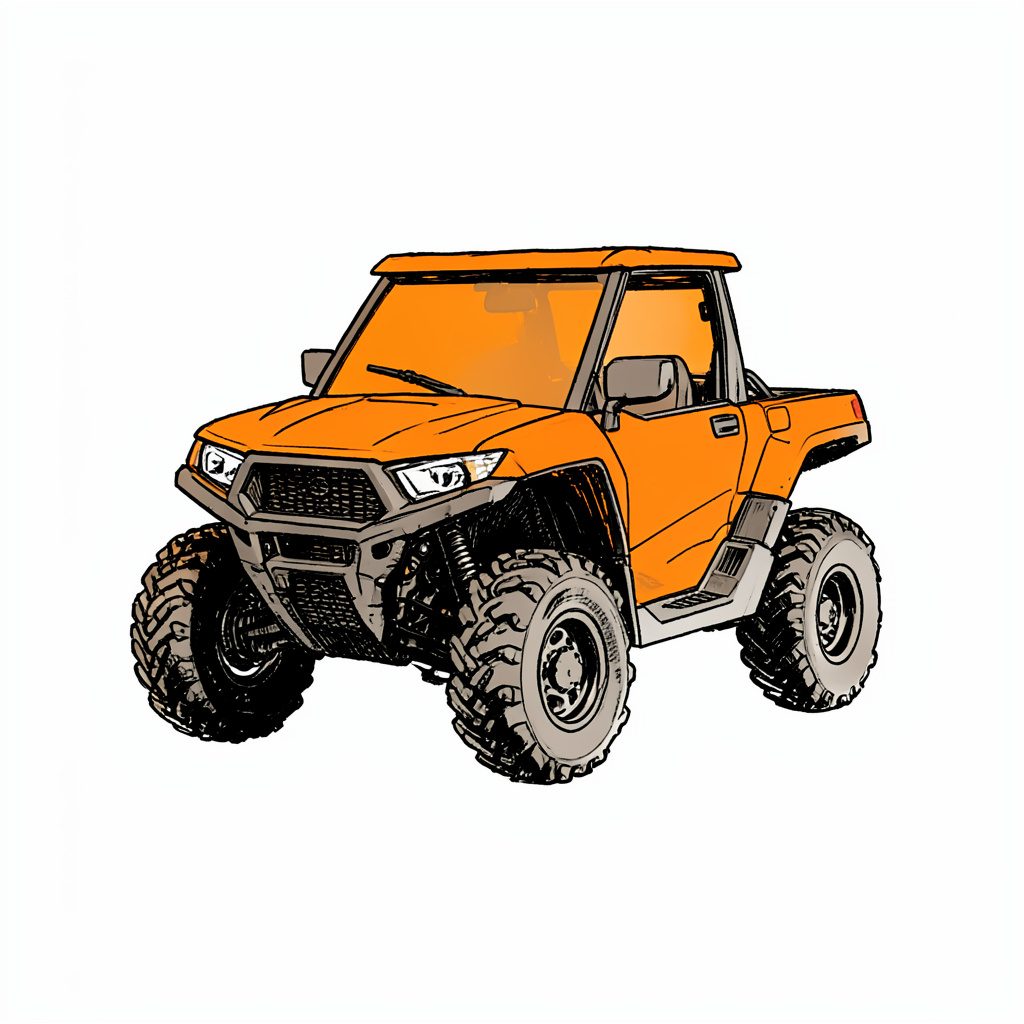
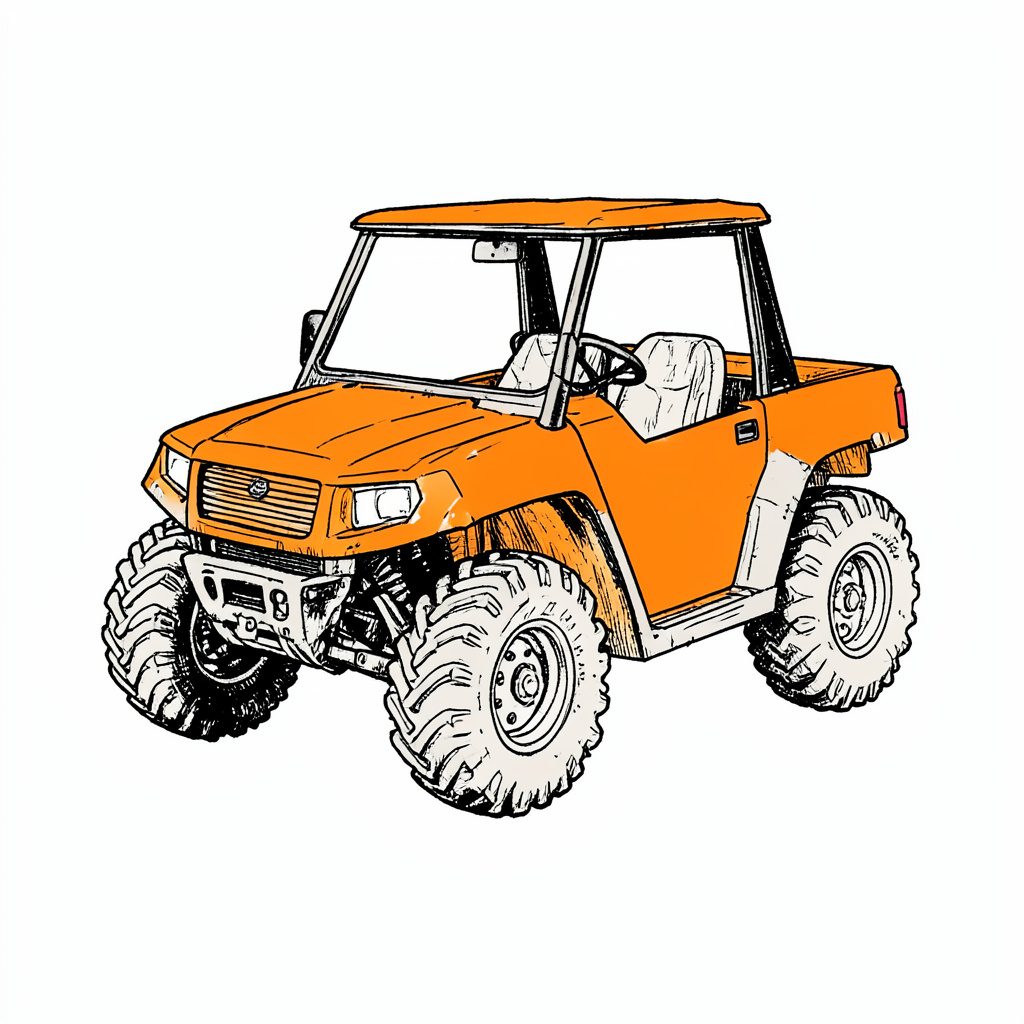
Tucked into pristine old Florida land in Flagler County, Florida Cracker Ranch is a family oriented outdoor adventure club where kids, parents and thrill seekers share the same trails, campsites and waterways.
Adventure Memberships available — families and singles welcome.
Reserve Your SpotWelcome to Florida Cracker Ranch
Often called Nature's Theme Park, our grounds invite families to ride ATV trails, splash through the swamp buggy area, pitch a tent, cast a line and explore old Florida hiking paths. Discover why members keep coming back season after season.
What You Can Do Here
ATV Trails
Marked routes for every skill level, including a peewee section.
Dirt Bikes
Dedicated dirt bike area built for two wheel adventure.
BMX & Mountain
Pedal powered BMX and mountain bike trails.
Swamp Buggy
Spacious swamp buggy area for big rig fans.
4x4 & Mud Trucks
Deep ruts and splash zones for 4x4s and mud trucks.
Skeet Range
Skeet shooting range in a controlled setting.
Camping
Membership campsites on a first come, first served basis.
Horse Trails
Scenic horse trails and riding paths.
An Old Florida Tradition
We honor the cracker way of life with old Florida outdoor living, traditional lodging, hiking and nature trails, plus fishing, swimming and beach access for members and their guests.
- Membership camping on a first come, first served basis
- Old Cracker Style Lodging cabins planned for overnight stays
- Old Florida hiking and nature trails
- Fishing, swimming and beach access
- Horse trails and riding

By the Numbers
A beginner’s guide to skeet shooting: stance and aim
Skeet can look deceptively simple: the gun points where the clay goes, and one clean shot ends the problem. Reliable beginners instead build a repeatable base of balance, gun fit, visual timing and follow-through. Strong force cannot rescue a stance that twists, a stock that sits poorly or a trigger pull made sideways under pressure.
Australian beginners commonly encounter the sport through a club or coach, whether they live near Sydney, Melbourne, Brisbane, Adelaide or a regional district. A first visit is usually practical rather than glamorous: sign in, complete instructions, check local weather, use the club’s eye and hearing protection, and learn the field’s boundaries before handling a firearm.
Start with Australian range requirements
Australian clubs range from large metropolitan facilities to volunteer-run fields in regional areas. Twelve-gauge sporting clays and skeet equipment are normally available through licensed gun dealers, specialist sporting-goods businesses or the range itself. Beginners should confirm the correct gauge, approved shells and any club restrictions before attending. Outside major cities, driving is often the easiest way to reach a range, so water, sun protection and suitable clothing belong in the vehicle.
Firearm regulation comes from state or territory legislation rather than one national rule. Licensing, firearm registration, background checks, ammunition purchasing, transport and secure storage may be covered by instruments such as the NSW Firearms Act 1989, the Victorian Firearms Act 1985 or the Queensland Weapons Act 1998. Requirements and licence classes vary, so shooters should confirm the current rules with their club and the relevant state authority. Permission to possess a firearm interstate does not automatically apply elsewhere.
Florida provides a useful contrast rather than a source of Australian rules. Florida Cracker Ranch places skeet within a private outdoor-adventure and family-park setting in Flagler County. Its American range procedures, firearm market and campsite conditions should never be assumed to match those encountered in Australia.
Build a balanced shooting stance
Begin with the feet about shoulder-width apart, knees relaxed and weight distributed comfortably across both legs. A right-handed shooter may place the left foot slightly forward, while a left-handed shooter reverses that arrangement. This creates a stable open stance without locking the lower body. The torso should generally face the trap house, allowing the barrel to travel across the field without a large torso twist.
The gun-side shoulder should sit beneath the stock rather than lifted in front of it. Place the support hand under the fore-end, with the rear hand holding the grip without crushing it. The gun should be carried by the torso and both arms, not swung from the rear shoulder alone. Balanced leg pressure allows the barrel to move smoothly while the head remains in the same relation to the stock.
Stance labels such as open, closed or square can describe several different setups. A qualified coach should judge alignment, comfort and repeatability rather than prescribe a pose copied from a photograph. Comfort matters because a strained stance often produces inconsistent movement across a long skeet field.
Fit the gun before working the trigger
A well-fitted gun lets the shooter see the field without raising the head or shifting the cheek. The stock should sit firmly in the shoulder, with the face settling naturally against the comb. The eye should remain above and slightly behind the rib, looking beneath the barrel. If the shooter must lift the head or lean sideways during a dry movement, the fit probably needs adjustment under qualified supervision.
The rear hand should permit the trigger finger to rest straight along the trigger guard or rib until the shot is required. As pressure is applied, it travels rearward rather than sideways. Watching the relationship between the shoulder, cheek, hand and trigger can reveal small problems before they become misses during a field. Gun length and stock dimensions should be selected for the individual shooter rather than adjusted by bending forward or gripping harder.
Bring only club-approved equipment, including reliable eye protection, hearing protection and the ammunition specified by the facility. Food, medication and personal items should remain outside the safe handling area. Any product information encountered through Prostoviza online should be checked with an Australian doctor or pharmacist rather than treated as sporting nutrition advice, particularly when training in hot weather.
Watch the clay and let the gun follow
At the ready position, the gun remains below the shooter’s line of sight so the trap house and approved firing area stay visible. After the pull command, the shooter watches for the clay to clear the trap and then moves the barrel through its flight. The muzzle should not be raised merely to follow the expected path, and no shot should be taken while the clay remains masked by the trap structure.
Visual focus should settle on a small, consistent part of the clay rather than the barrel’s relationship with it. The exact timing point depends on gun handling, choke, target speed and the shooter’s field of view, so an instructor can help establish a useful cue. Movement should be smooth and horizontal; a late snap or an early wild swing leaves less time for the pattern to meet the target.
Keep moving through the target after firing, with the barrel following the clay’s likely path toward where it would travel. Recover to the ready position only after the shot has been taken. Normal breathing is preferable to holding the breath for several seconds. A general ranch video gallery can introduce a broader outdoor setting, but reputable coaching footage and direct instruction should guide actual technique.
Build a repeatable first-session routine
Beginner sessions gain more from consistent execution than from constantly changing drills. Working through several fields in blocks allows the shooter to check stance, visual timing and follow-through under ordinary field conditions. Keep the first blocks manageable so attention remains on the process rather than the score.
The sequence for a productive session is to book a qualified or experienced club coach and confirm dominant eye and gun fit. Attend early enough for the induction, local rules, weather check and suitable hydration. Use club-approved shells, eye protection, hearing protection and sun protection. Choose one visual cue and one follow-through position, then repeat them across several fields.
Record misses by likely cause, such as late, early, pulled or lost balance, instead of noting only the total. Stop while movements remain controlled, then record one adjustment for the next session and allow time to cool down.
Between fields, reset the feet, relax the grip and confirm the next pull command with the field staff. Many Australian clubs extend the social side of shooting into a shared meal afterwards. Once away from the range and with firearms secured, a food documentary roundup offers relaxed viewing for the rest of the day.
Turn practice into steady progress
Scores will vary as lighting, fatigue and target movement change, but stable markers can still show progress. Look for a balanced ready position, a clear view of the trap, smooth barrel movement and a controlled finish after each shot. A reliable process produces better results than deliberate attempts to compensate for an unstable stance or poorly fitted gun.
Comfort planning can support a destination shoot without replacing local preparation. The camping comparison guide covers tents, hammocks and recreational vehicles in Florida, so its climate assumptions, site practices and legal context should not be transferred directly to Australian conditions.
The practical takeaway is simple: a balanced stance, a sound gun fit, one repeatable visual cue and a controlled finish form the first level of dependable skeet shooting. Consistency in those four points matters more than force, speed or an impressive early score.
Get in Touch
Send us a note about memberships, guest visits or directions. Phone 386-864-3856 or email floridacrackerranch@floridacrackerranch.com. Mailing address: P.O. Box 2993 Bunnell, Florida 32110.