Tucked into pristine old Florida land in Flagler County, Florida Cracker Ranch is a family oriented outdoor adventure club where kids, parents and thrill seekers share the same trails, campsites and waterways.
Adventure Memberships available — families and singles welcome.
Reserve Your SpotWelcome to Florida Cracker Ranch
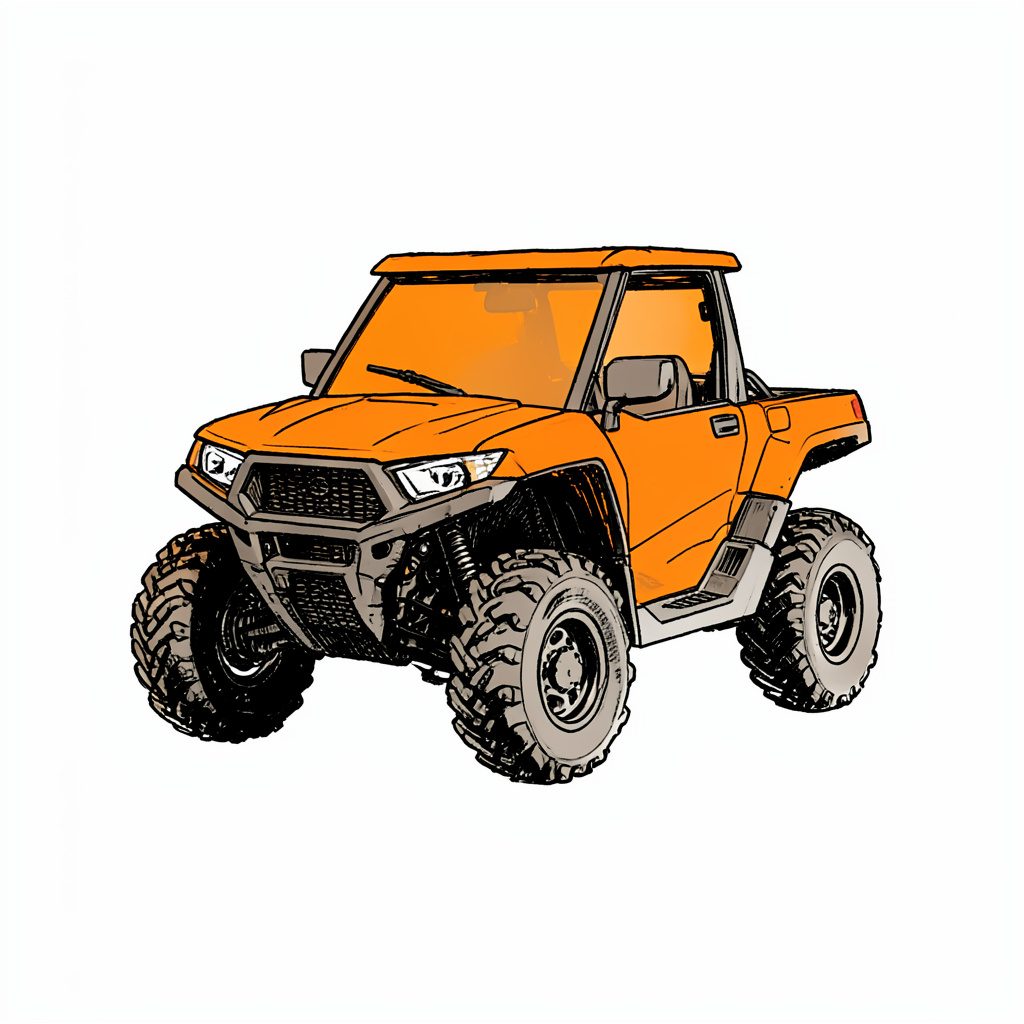
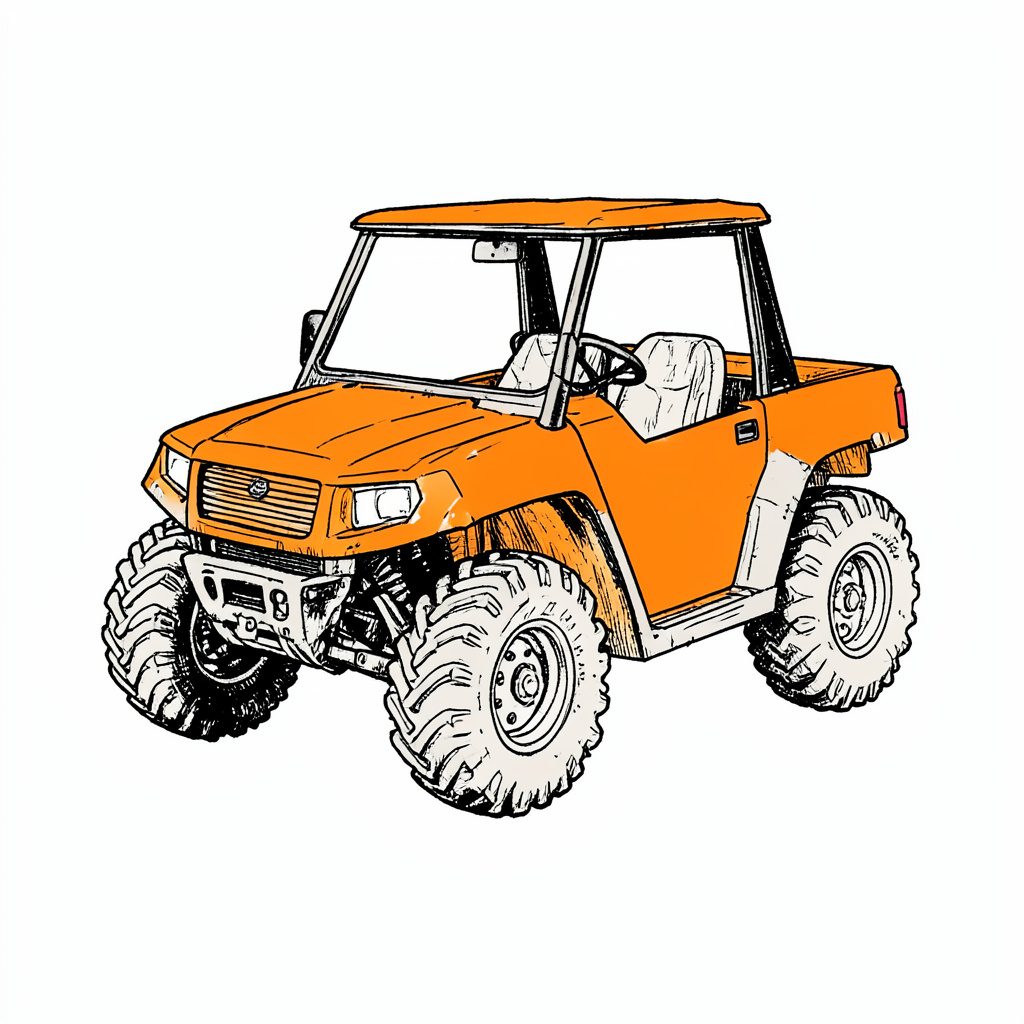
Often called Nature's Theme Park, our grounds invite families to ride ATV trails, splash through the swamp buggy area, pitch a tent, cast a line and explore old Florida hiking paths. Discover why members keep coming back season after season.
What You Can Do Here
ATV Trails
Marked routes for every skill level, including a peewee section.
Dirt Bikes
Dedicated dirt bike area built for two wheel adventure.
BMX & Mountain
Pedal powered BMX and mountain bike trails.
Swamp Buggy
Spacious swamp buggy area for big rig fans.
4x4 & Mud Trucks
Deep ruts and splash zones for 4x4s and mud trucks.
Skeet Range
Skeet shooting range in a controlled setting.
Camping
Membership campsites on a first come, first served basis.
Horse Trails
Scenic horse trails and riding paths.
An Old Florida Tradition
We honor the cracker way of life with old Florida outdoor living, traditional lodging, hiking and nature trails, plus fishing, swimming and beach access for members and their guests.
- Membership camping on a first come, first served basis
- Old Cracker Style Lodging cabins planned for overnight stays
- Old Florida hiking and nature trails
- Fishing, swimming and beach access
- Horse trails and riding
By the Numbers
Keeping a Camping Tent Cool Through Florida's Summer
Florida’s summer heat combines high temperatures, heavy humidity and frequent afternoon storms. That combination makes a tent comfortable only when air can move through it. A portable fan and a light-coloured fly help, but the largest gains usually come from the campsite: choose a high, dry position with shade, orient the openings toward the breeze, and reduce the heat stored beneath your sleeping area.
Many Australians arrive with practical summer habits that work well in Florida. Campers from Brisbane, Sydney and Melbourne often travel with an esky, refillable water bottles, SPF 50+ sunscreen, fly repellent and a battery-powered fan. The main adjustment is ensuring those familiar items suit Florida’s conditions, especially when a fan needs a compatible USB power bank or a securely mounted 12-volt supply.
How Florida heat changes camping
Florida heat can feel more intense because moisture limits sweat evaporation. High daytime temperatures may continue into the evening, while humid nights offer little relief. The breeze often arrives later, and thunderstorms can produce a welcome change in temperature alongside lightning, saturated ground and muddy campsites.
Australian outdoor equipment generally performs well, but its marketing may not reflect Florida’s intense sun and persistent humidity. Local Australian outdoor markets are full of mesh tent panels, insulated sleeping mats, reflective fabrics and USB fans that are useful here. Choose equipment that ventilates freely rather than a sealed shelter marketed primarily for winter, and check electrical compatibility before relying on a fan or battery pack.
Fire restrictions also deserve attention because Australian campers may expect a barbecue or campfire as part of the experience. States including Queensland, New South South and Victoria use total fire bans and fire-danger warnings during dangerous conditions, while individual campgrounds can impose stricter rules. Portable gas cookers may also be prohibited at some sites. Never burn charcoal, wood or gas inside a tent, and keep any permitted cooker well away from the fabric.
Compare cooling methods before choosing gear
Shade, airflow and the ground beneath the tent affect comfort differently. A practical combination works better than expecting one accessory to solve every problem, particularly when daytime temperatures remain above 32°C.
| Cooling approach | Main benefit | Best application | Important limitation |
|---|---|---|---|
| Natural shade | Reduces direct solar heating | Pitching beside established vegetation | Avoid hazardous branches and preserve airflow |
| Cross-ventilation | Carries warm air out of the tent | Camping on a breezy, open site | Mesh panels still need to remain open |
| Light or reflective fabric | Reduces solar heat absorption | Brightly exposed campsites | It cannot prevent warm air from accumulating |
| Raised, pale footprint | Reduces heat transferred from soil | Soft or sun-warmed ground | It does not block heat radiating from above |
| Low-voltage fan | Improves evaporation and air movement | Sleeping in a securely pitched tent | Requires a safe power source and secure mounting |
The strongest setup combines a shaded site, a light-coloured fly, open mesh panels and a fan positioned to move air across the sleeper. Reflective material and a pale footprint provide modest additional gains, but neither replaces ventilation. Test the arrangement before the hottest part of the day, and secure every loose item so wind does not lift the fly or knock equipment over.
Choose shade and breeze before pitching
Select a site that is slightly elevated, well drained and not trapped by dense vegetation. Avoid low areas near standing water, where humidity, mosquitoes and flooding can become problems after heavy rain. Check whether afternoon shade will move off the tent during the day, and make sure nearby trees are healthy rather than leaning over the campsite.
Once the tent is positioned, observe how air moves through the area. Flags, moving leaves and drifting smoke can reveal the breeze, while a weather forecast may indicate its likely strength and direction. A practical guide to compass on unmarked trails explains how bearings can be used with local landmarks, useful when a campsite or trail does not have clear signs.
Pitch the tent with its doors or windows facing the expected airflow, but keep enough clearance around the fly for air to enter and leave. Avoid placing the tent directly against a vehicle, wall or dense hedge, as trapped air can become hotter than the open landscape. Use stakes or guylines that hold securely in Florida soil, and inspect them after storms because shifting ground can loosen tension.
Build a family heat plan for the middle of the day
Plan active activities for early morning and late afternoon, when heat and direct sun are usually less severe. Riding horses, cycling, fishing or walking near the ranch can be enjoyable in cooler hours, while swimming and other water-based activities provide welcome relief. During peak heat, choose shade, an indoor activity or a break in an air-conditioned building rather than continuing to exert energy in the sun.
At Florida Cracker Ranch, checking the ranch event calendar can help families coordinate activities around the weather and daylight. Event timing may include outdoor adventures that require substantial exertion, so treat any scheduled activity as part of a broader heat plan rather than the sole activity of the day.
Children and older adults need more frequent breaks than many adults realise. Offer water regularly rather than waiting for thirst, use broad-spectrum SPF 50+ sunscreen, and keep lightweight hats and loose clothing accessible. Familiar Australian sun-safety habits remain essential. Watch for headache, dizziness, nausea, confusion, unusual fatigue or loss of coordination, and move someone showing these signs to a cool place while seeking medical assistance. A cool shower or wet towels may ease discomfort, but they do not replace hydration and rest.
Use airflow and moisture control inside the tent
Open the inner mesh doors and windows whenever rain and insects permit. Keep the rainfly slightly tensioned and maintain the vent at the top, but do not close every opening simply because the weather is humid. Air movement over damp skin and bedding makes the same temperature feel considerably more comfortable.
Understanding the local environment can also improve campsite decisions. A broader look at films that reshape nature may encourage a closer attention to wetlands, changing water levels and the wildlife around camp. That awareness helps campers recognise when a low site is likely to remain damp, where breezes naturally collect and why a seemingly attractive clearing may not be the safest place to pitch.
Inside the tent, a securely mounted USB or 12-volt fan can move air across the sleeping area. Run it before bedtime to exchange trapped air for cooler evening air, and use it overnight only if the power source and wiring are safe. Frozen water bottles placed near bedding may provide temporary cooling, although condensation can dampen nearby items. Keep valuables and electronics away from condensation, and dry the groundsheet promptly after rain to discourage mildew.
Follow a repeatable cooling routine
A short routine prevents small mistakes from undermining the whole camp. Begin before sunset rather than trying to solve the heat after everyone is exhausted.
- Pitch for airflow: Position doors, windows and vents to capture the evening breeze without exposing the entrance to low-lying dampness.
- Shade the structure: Use natural shade or a securely positioned light-coloured cover, following the tent manufacturer’s instructions and checking for falling branches.
- Open every safe vent: Leave mesh panels and upper vents unobstructed during dry periods, and close only the openings needed for rain or insects.
- Cool the sleeping zone: Use a stable fan, breathable bedding and sealed cold-water bottles, keeping electrical devices clear of moisture.
- Schedule demanding activities: Walk, cycle, ride or explore during cooler hours, and schedule shaded breaks before anyone becomes overheated.
By late afternoon, inspect the fly for tears, secure every stake and clear the entrance so it can remain open. Replace wet clothing, refill water containers and check the forecast before nightfall. The most reliable way to keep a camping tent cool in Florida summer is to control heat before bedtime, preserve cross-ventilation throughout the day, and treat the hottest hours as a time to rest, hydrate and recover indoors.
Get in Touch
Send us a note about memberships, guest visits or directions. Phone 386-864-3856 or email floridacrackerranch@floridacrackerranch.com. Mailing address: P.O. Box 2993 Bunnell, Florida 32110.