
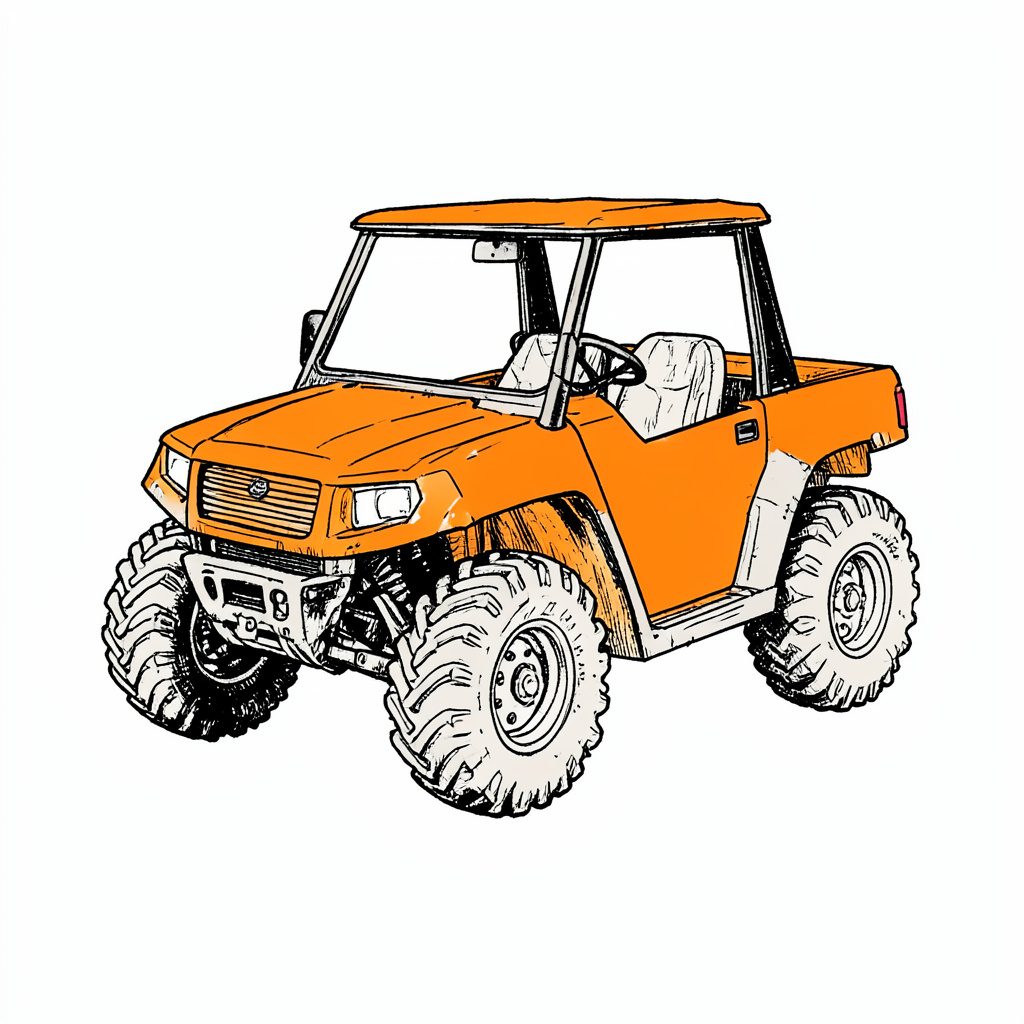
Tucked into pristine old Florida land in Flagler County, Florida Cracker Ranch is a family oriented outdoor adventure club where kids, parents and thrill seekers share the same trails, campsites and waterways.
Adventure Memberships available — families and singles welcome.
Reserve Your SpotWelcome to Florida Cracker Ranch
Often called Nature's Theme Park, our grounds invite families to ride ATV trails, splash through the swamp buggy area, pitch a tent, cast a line and explore old Florida hiking paths. Discover why members keep coming back season after season.
What You Can Do Here
ATV Trails
Marked routes for every skill level, including a peewee section.
Dirt Bikes
Dedicated dirt bike area built for two wheel adventure.
BMX & Mountain
Pedal powered BMX and mountain bike trails.
Swamp Buggy
Spacious swamp buggy area for big rig fans.
4x4 & Mud Trucks
Deep ruts and splash zones for 4x4s and mud trucks.
Skeet Range
Skeet shooting range in a controlled setting.
Camping
Membership campsites on a first come, first served basis.
Horse Trails
Scenic horse trails and riding paths.
An Old Florida Tradition
We honor the cracker way of life with old Florida outdoor living, traditional lodging, hiking and nature trails, plus fishing, swimming and beach access for members and their guests.
- Membership camping on a first come, first served basis
- Old Cracker Style Lodging cabins planned for overnight stays
- Old Florida hiking and nature trails
- Fishing, swimming and beach access
- Horse trails and riding


By the Numbers
Exploring the Ranch’s seasonal wildflowers in spring
Exploring the Ranch’s seasonal wildflowers in spring is less about finding one uninterrupted carpet of colour than reading a landscape in motion. Rainfall and warm winter weather decide how early the ground responds, while mowing, fire and grazing can shift where blooms gather. At Florida Cracker Ranch, the pleasure comes from noticing small changes between meadow, wetland and trail edge.
For Australian families and outdoor travellers, the Ranch combines wild country with supervised recreation, including riding, hiking, fishing and camping. Annual adventure memberships can include campsite and guest privileges, while the property’s Old Florida character gives overnight stays a distinctive sense of place. Current membership, guest and campsite arrangements are set out on the Florida Cracker Ranch website, so seasonal visitors can confirm access before making plans.
Spring arrives on its own schedule
Spring in north-central Florida usually unfolds from late February into May, but March and April often provide the richest combination of colour and pollinator activity. A mild winter can bring plants forward; a dry spell can keep them low. Showers may produce a sudden flush, while a warm, windy week can shorten the display. Flowers also open on their own clock, with sunny hours and soil moisture influencing the daily viewing window.
Early morning is the most rewarding time to walk. Temperatures are gentler, winds are often lighter, and bees and butterflies are active as the air warms. Late afternoon brings heat and possible thunderstorms, though the changing light can be beautiful. Families should allow time to return to the car before storms develop, especially when children, older travellers, horses or ATVs are involved.
Wildflowers to recognise
Depending on rainfall and the Ranch’s land management, familiar blooms may include purple phlox, nodding wild onion, dainty blue-eyed grass and butterfly milkweed. Spanish needles can add flashes of white, while coastal sandy ground may support beach sunflowers. Wet margins have their own specialists, including meadow beauty and tiny bog buttons. These names are clues rather than guarantees: every season shifts the cast.
Watch the relationship between flower and visitor. Native bees range from tiny solitary species to larger, buzzy pollinators; sulphur butterflies and skippers often visit clustered blossoms. Milkweed supports monarch caterpillars, while the open petals of phlox and dainty blue-eyed grass suit smaller insects. Staying still for several minutes reveals activity that a quick photograph can miss. Avoid touching blooms, because sticky sap, burrs and thorns can be surprising.
Meadows, wetlands and trail edges
Meadow edges, pond banks, sandy shoulders and wet flatwoods each produce a different spring picture. Plants in open ground receive more light and may look abundant after seasonal cutting or burning, while wetland species thrive where moisture lingers. A patch can look insignificant from a distance, so binoculars are useful. Stay on marked routes and view sensitive ground from the path rather than crossing it to reach a better angle.
The Ranch’s wider range of ATV, 4x4, dirt-bike, BMX, mountain-bike, riding, hiking and fishing activities makes the landscape shared space, not a garden display. Keep flowers clear of vehicle wheels and avoid putting a trail off-road to find another bloom. For visitors who want the season to become part of a short film, film and video resources can provide additional examples of landscape-focused visual storytelling.
Sharing paths with bikes and horses
Walkers, cyclists, horse riders and off-road vehicles move at different speeds. A horse may startle at an engine, while a bike needs room to steer around a slow-moving group. The Ranch’s shared-trail etiquette guidance is the best starting point: follow posted signs, slow at bends, announce passes clearly and give animals space. Motorised trails and horse areas may also have separate access rules.
When a trail is busy, pause at a wide point instead of squeezing between a horse and its rider. Keep children beside an adult, do not call out directly behind an animal, and never assume an ATV can stop as quickly as a walker. On sections combining bikes and horses, leave the extra space riders need and follow any priority signs. Checking the rules saves both tempers and tails.
Planning the visit from Australia
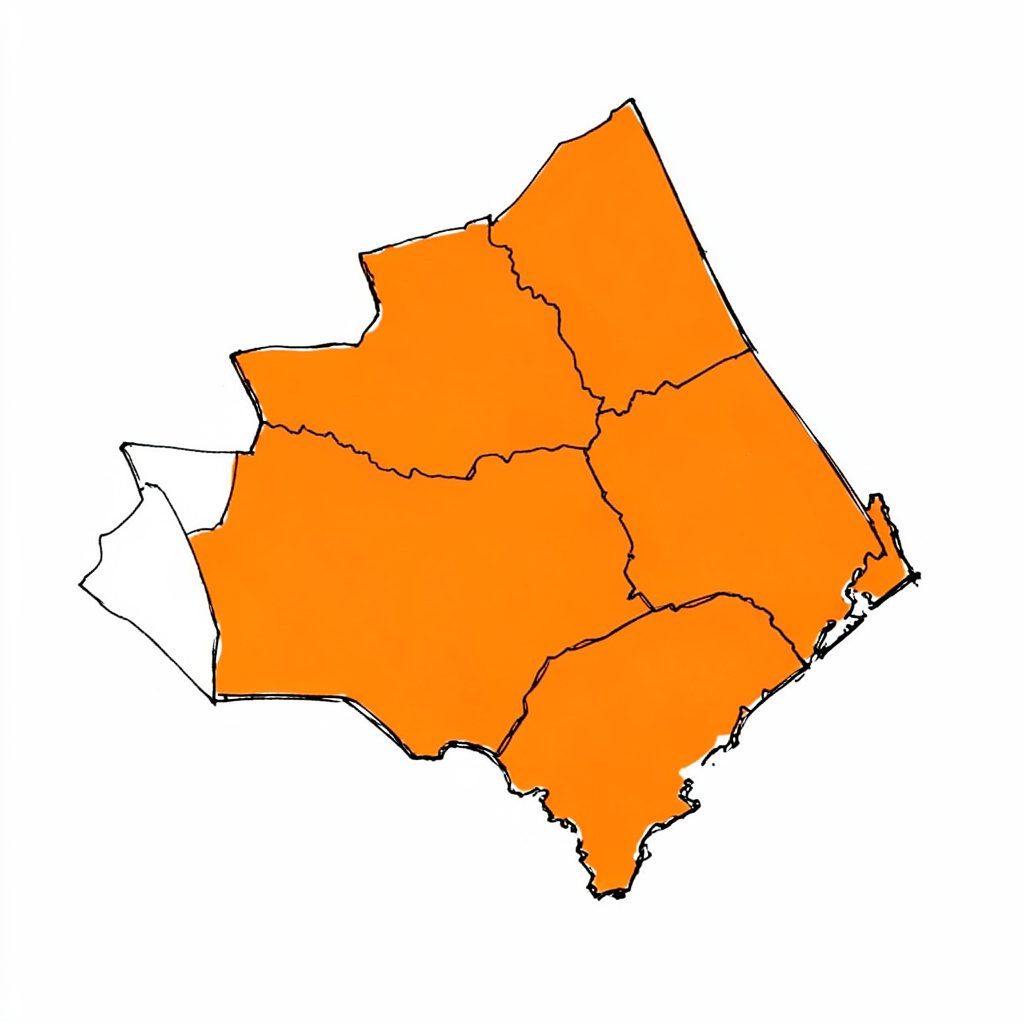
Many Australian travellers begin with a long-haul flight from Sydney, Melbourne or Brisbane and often build the trip around school holidays. March and April overlap with autumn in southern Australia, offering a change of season without the heat of an Australian summer. Flagler County sits north of Daytona Beach, so Orlando is a common gateway and Jacksonville is another option. Leave time to collect the vehicle, check supplies and drive calmly rather than squeezing a full activity schedule into arrival day.
Road habits require attention because Australia drives on the left and Florida drives on the right. Australian outdoor days often centre on an esky, thermos and supplies from a supermarket such as Coles or Woolworths; in Florida, stock the same comforts from a local store, with ice and fuel sold in US dollars. Temperatures are in Fahrenheit, a US gallon is about 3.8 litres, and tipping is customary for table service.
Legal assumptions should stay at home. Australian firearms licensing is state- or territory-based and does not transfer to Florida. Skeet shooting at the Ranch should be approached only through the organised programme, using its equipment and safety briefing; personal firearms should not be brought without explicit confirmation. Likewise, do not pick, dig or transplant wildflowers. Florida environmental rules and Ranch permissions govern the land, even when a plant appears beside a road.
A field checklist for the bloom season
A focused checklist helps visitors see more while disturbing less.
- Check recent rainfall, the forecast and current Ranch updates, then choose a morning with comfortable temperatures and no storm warning.
- Arrive near sunrise and spend time in one habitat before moving to another; short walks reveal more than a fast lap.
- Carry water, a refillable bottle, sun protection, insect repellent, closed shoes, a light rain layer, binoculars and a charged camera or phone.
- Read the trail etiquette and signs, keep to the correct route, and give horses, cyclists and vehicles enough room to pass safely.
- Record flowers with photographs and notes instead of cuttings; remove rubbish and leave fragile ground exactly as found.
Camping adds another layer of planning: check the current site and guest provisions, keep food secure from wildlife, and pack down everything brought in. The Ranch’s Old Florida lodging gives families a comfortable base, but the same quiet trail habits apply. A short, attentive walk is more rewarding than rushing between activity zones.
Remembering a brief season
Spring flowers are ephemeral, but the memory need not be. A dated photograph, a note about the habitat and a simple list of species can preserve what was present without taking the plants themselves. Phone images are sufficient for a personal record, and binoculars help distinguish a butterfly-milkweed cluster from a similar-looking species. For more difficult identifications, compare with a regional native-plant guide rather than relying on a single app.
The practical takeaway is simple: time the walk for a cool morning, stay on the marked route, and leave every bloom where it grows.
Get in Touch
Send us a note about memberships, guest visits or directions. Phone 386-864-3856 or email floridacrackerranch@floridacrackerranch.com. Mailing address: P.O. Box 2993 Bunnell, Florida 32110.