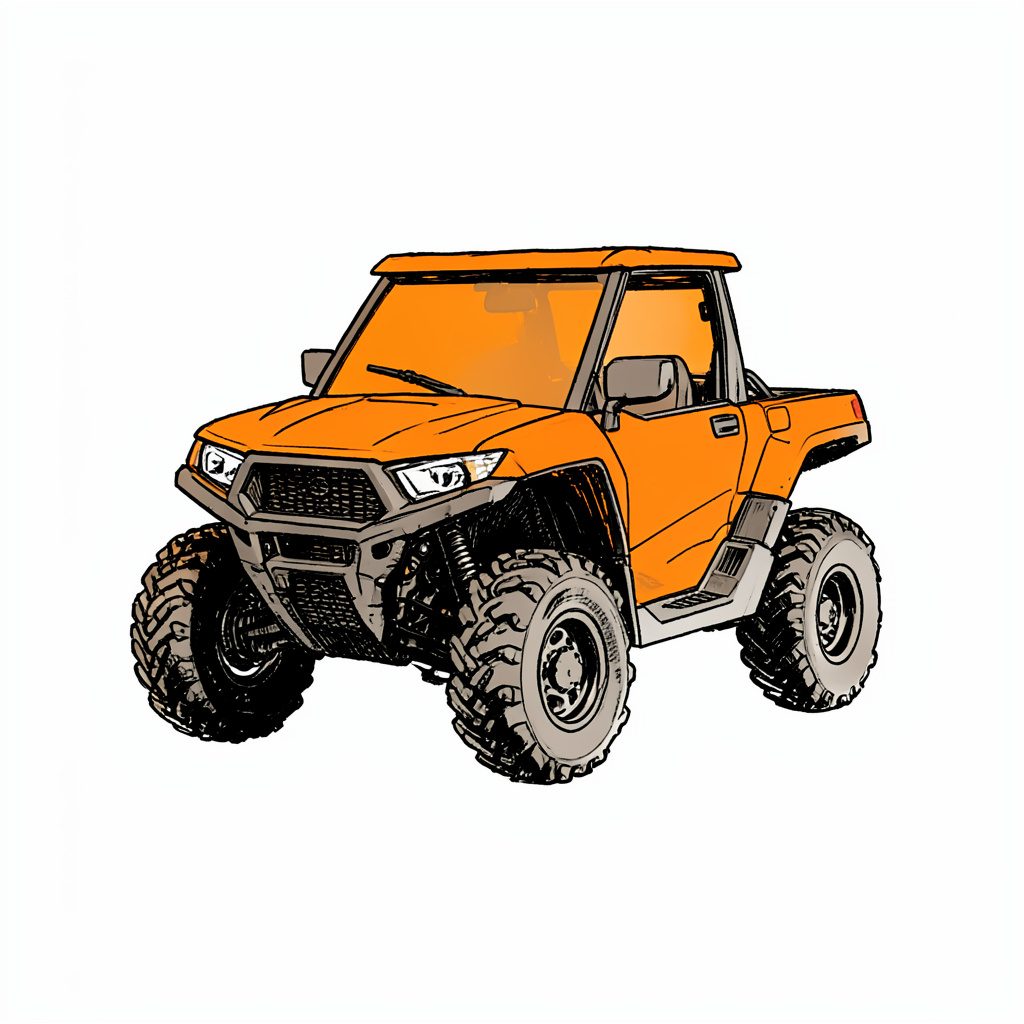
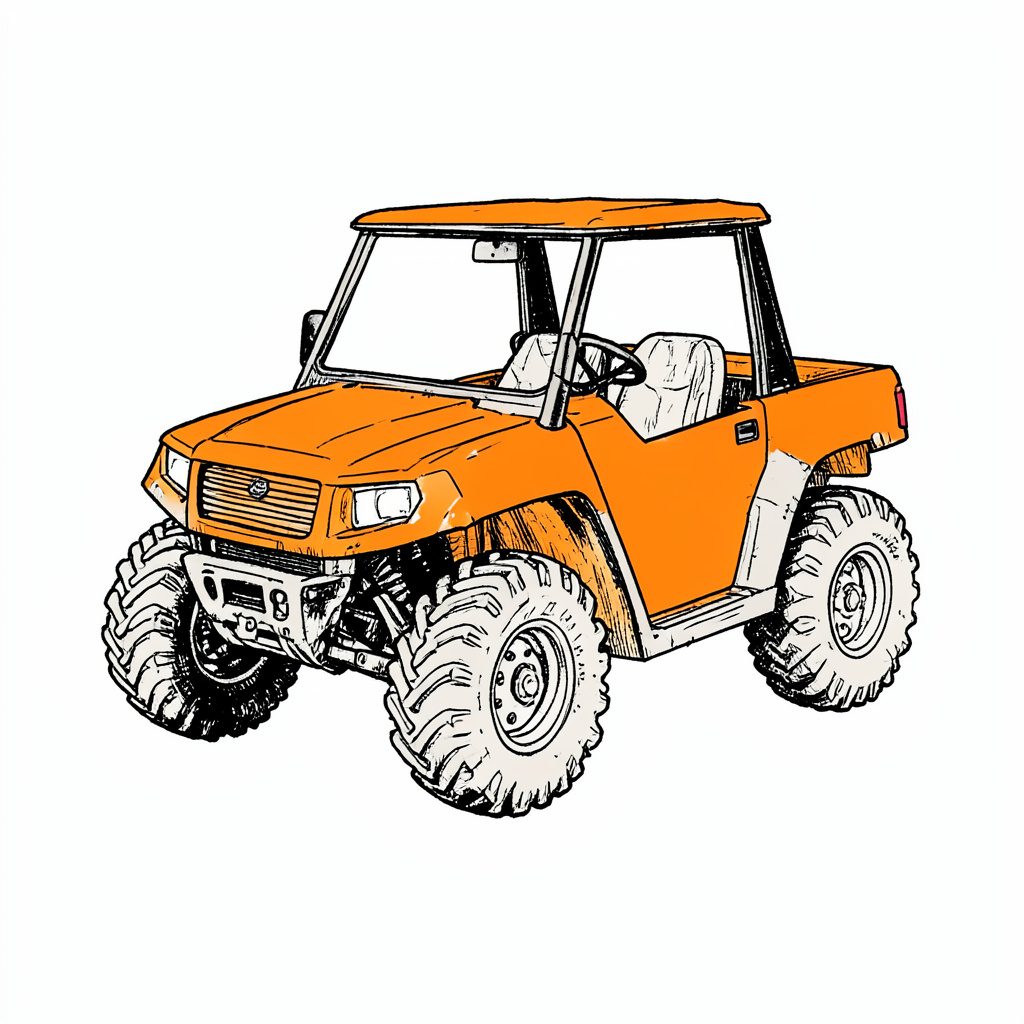
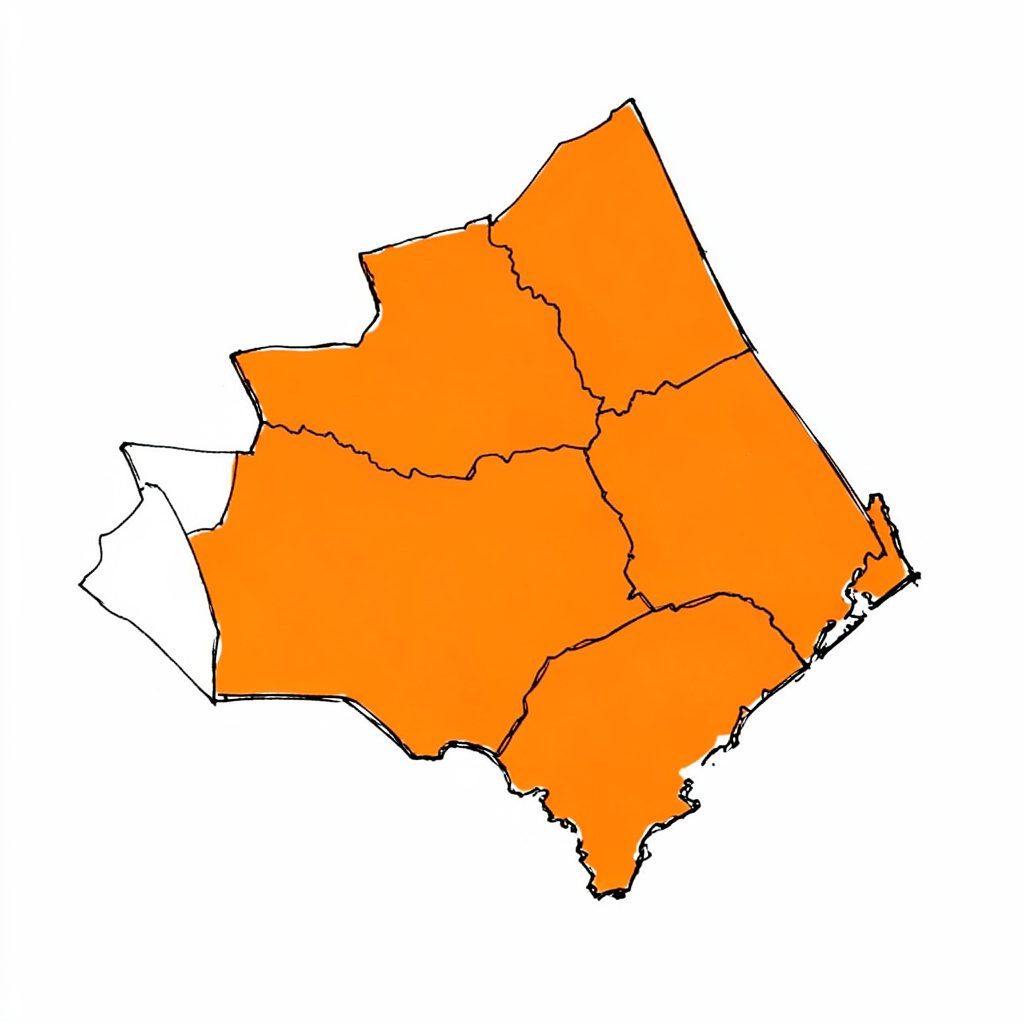
Tucked into pristine old Florida land in Flagler County, Florida Cracker Ranch is a family oriented outdoor adventure club where kids, parents and thrill seekers share the same trails, campsites and waterways.
Adventure Memberships available — families and singles welcome.
Reserve Your SpotWelcome to Florida Cracker Ranch
Often called Nature's Theme Park, our grounds invite families to ride ATV trails, splash through the swamp buggy area, pitch a tent, cast a line and explore old Florida hiking paths. Discover why members keep coming back season after season.
What You Can Do Here
ATV Trails
Marked routes for every skill level, including a peewee section.
Dirt Bikes
Dedicated dirt bike area built for two wheel adventure.
BMX & Mountain
Pedal powered BMX and mountain bike trails.
Swamp Buggy
Spacious swamp buggy area for big rig fans.
4x4 & Mud Trucks
Deep ruts and splash zones for 4x4s and mud trucks.
Skeet Range
Skeet shooting range in a controlled setting.
Camping
Membership campsites on a first come, first served basis.
Horse Trails
Scenic horse trails and riding paths.
An Old Florida Tradition
We honor the cracker way of life with old Florida outdoor living, traditional lodging, hiking and nature trails, plus fishing, swimming and beach access for members and their guests.
- Membership camping on a first come, first served basis
- Old Cracker Style Lodging cabins planned for overnight stays
- Old Florida hiking and nature trails
- Fishing, swimming and beach access
- Horse trails and riding



By the Numbers
Trail etiquette for sharing paths with bikes and horses
A shared trail can feel wonderfully simple: follow the route, enjoy the scenery and let everyone pass safely. In practice, a narrow track used by walkers, mountain bikes and horses requires a little awareness from every visitor. Animals react to sudden movement, riders need room to control speed, and pedestrians may not hear a bike approaching from behind.
At Florida Cracker Ranch in Flagler County, that awareness matters across a large mix of outdoor activities. The property supports mountain biking, horseback riding, hiking, 4x4 driving and other family adventures, so guests may encounter different users within the same day. Good trail manners help keep the experience relaxed, especially for children, beginners and less confident animals.
Visitors from Australia will recognise many of the same habits from shared bush tracks and multi-use reserves around the Blue Mountains, the Dandenong Ranges or Queensland hinterland. The setting may be different, yet the essentials are familiar: keep left where local signs require it, control your speed, communicate early and give the most vulnerable trail user plenty of space.
| Trail user | Best default behaviour | What others should do |
|---|---|---|
| Horse and rider | Stay predictable, announce instructions clearly and move at a controlled pace | Slow down, give wide clearance and avoid sudden noise |
| Mountain biker | Control speed, call out before passing and yield when visibility is limited | Hold your line and avoid stepping into the rider’s path |
| Walker or hiker | Keep to the appropriate side and listen for approaching users | Move aside calmly and keep children close |
| Group or family | Travel in a compact, aware group rather than spreading across the track | Wait for a safe passing point instead of forcing through |
Read the trail before you ride or walk
Before setting off, check the route type, direction of travel, surface and likely users. A broad access road may offer easier passing than a sandy single-track section, while a horse route can contain blind corners, puddles, roots and sudden changes in elevation. At a private adventure property, staff guidance is especially useful because conditions can change after rain or high visitor numbers.
Choose equipment that matches the trail. Mountain bike riders should use functioning brakes, a helmet and footwear that provides secure grip. Walkers benefit from closed shoes, water and clothing suited to Florida’s heat. Australian visitors who are used to packing for a cool morning in Canberra or a wet section of the Wet Tropics should remember that humidity, sun exposure and insects can be significant in Florida.
A quick briefing is worthwhile for families. Explain that bikes may approach quietly, horses need extra room and nobody should run towards an unfamiliar animal. Young riders should know how to stop safely, while children on foot should remain beside an adult on narrow tracks. If you need advice about routes, access or conditions, use the ranch’s contact page before arriving.
Give horses priority and plenty of space
Horses can be calm and experienced, yet they remain large animals with strong flight instincts. A bike appearing quickly from behind, a shouted greeting or a child waving a bright object can cause a sudden reaction. The safest approach is to slow down well before reaching a horse, stop if necessary and ask the rider what they prefer.
For cyclists, that usually means dismounting and standing on the side of the trail where the rider can see you clearly. Keep the bike between yourself and the horse only if that does not narrow the path or make the animal uneasy. Avoid revving, ringing a bell repeatedly or trying to squeeze past on a bend. Wait until the rider signals that it is safe.
Walkers should follow the same principle. If you meet a horse head-on, step off the main line when there is a stable, visible place to do so. Keep dogs under close control, and never allow a dog to bark, circle or approach the horse. A simple “hello, where would you like us to stand?” is clearer than guessing.
Pass bikes without surprise
Bicycle riders should make their presence known before they are close enough to startle someone. A friendly “rider coming through” gives walkers time to move safely. On a narrow route, reduce speed to a walking pace and wait behind the person until there is a clear passing area. Passing at full trail speed is unsafe even when the path appears empty.
Walkers should avoid making unpredictable movements when they hear a call. Move to the side indicated by local signs or the rider’s instruction, keeping children and dogs with you. If the trail has a steep edge, loose sand or thick vegetation, remain in the safest position and let the rider dismount or wait. Courtesy is more important than forcing a quick pass.
Australian trail users often use “passing” or “coming through” in a practical, low-key way, and that style works well at a Florida ranch too. The point is communication rather than volume. Bells can help in busy areas, but a bell should not replace slowing down, especially near horses or around blind corners.
Use speed and visibility to prevent conflict
Many near misses happen because users meet where neither has enough room or sight distance. Riders should brake before corners, crests and intersections, not after they see another person. A controlled pace gives everyone time to identify one another and choose the safest position. It also protects the trail surface from skidding and deep braking ruts.
Keep your eyes beyond the few metres immediately in front of you. Watch for hoofprints, fresh mud, pedestrians emerging from side tracks and signs indicating a change in permitted use. Headphones that block environmental sounds can make shared trails less safe, particularly when approaching horses or motorised vehicles.
At Florida Cracker Ranch, different experiences may sit close together, from quiet nature walks to more energetic off-road activities. Stay on the marked route and obey temporary closures. After heavy rain, a surface that looked firm in the morning may become slippery or develop standing water. A detour or slower pace is preferable to damaging the track or losing control.
Make group outings considerate
Groups should travel in a way that leaves room for other users. Avoid walking or riding several abreast across the full width of the track, and pause at the side rather than stopping on a corner. Larger family groups can nominate an adult to watch behind for approaching bikes and another to help children cross or move aside.
Before a club day, school outing or birthday visit, agree on a few simple rules: no racing on shared sections, no passing horses without permission, and no leaving slower members alone. Australian families may be accustomed to busy holiday parks around the Gold Coast or the Mornington Peninsula, where clear meeting points prevent confusion. The same approach helps at a rural adventure venue.
Checking the ranch’s upcoming events can also help groups choose a quieter or more suitable visit time. Events may bring additional riders, families or spectators, so planning around the programme can make the day more comfortable for beginners and animals. Keep conversations, music and vehicle noise moderate near equestrian areas.
Leave the path ready for the next user
Trail etiquette continues after a safe pass. Ride around puddles rather than widening them, avoid cutting switchbacks and report damaged signs or hazardous sections to staff. Horses and bikes can both contribute to erosion when users leave the intended line, particularly on wet ground. Staying on the route protects drainage, vegetation and future access.
Carry out rubbish, food packaging and disposable wipes. Do not feed horses or wildlife unless staff have specifically approved it, and do not pick plants or disturb water areas. Fishing, swimming and camping create additional chances to share space responsibly, so keep gear away from trail edges and leave access clear for people moving between activities.
A day outdoors often ends with a tired family, muddy shoes and plenty to talk about. Guests may choose traditional Old Florida lodging or a campsite, then settle into a quiet evening rather than rushing off. If you are organising entertainment for a longer stay, online film listings can be part of your downtime, while outdoor equipment, food and personal items should be packed away securely.
The most useful rule is simple: slow down, make yourself known and yield generously to horses and anyone who has less control or less room. On every shared trail, predictable behaviour creates the space needed for bikes, walkers and riders to enjoy the path safely.
Get in Touch
Send us a note about memberships, guest visits or directions. Phone 386-864-3856 or email floridacrackerranch@floridacrackerranch.com. Mailing address: P.O. Box 2993 Bunnell, Florida 32110.