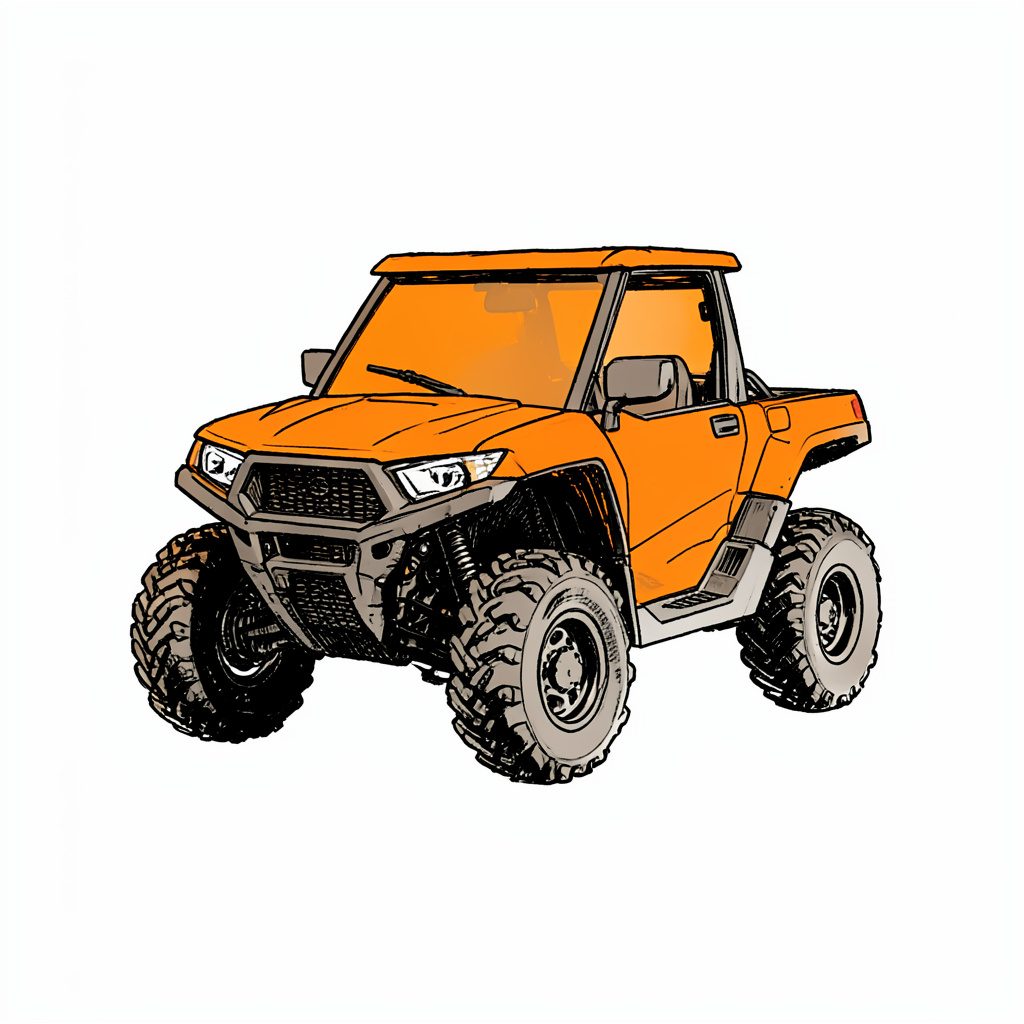
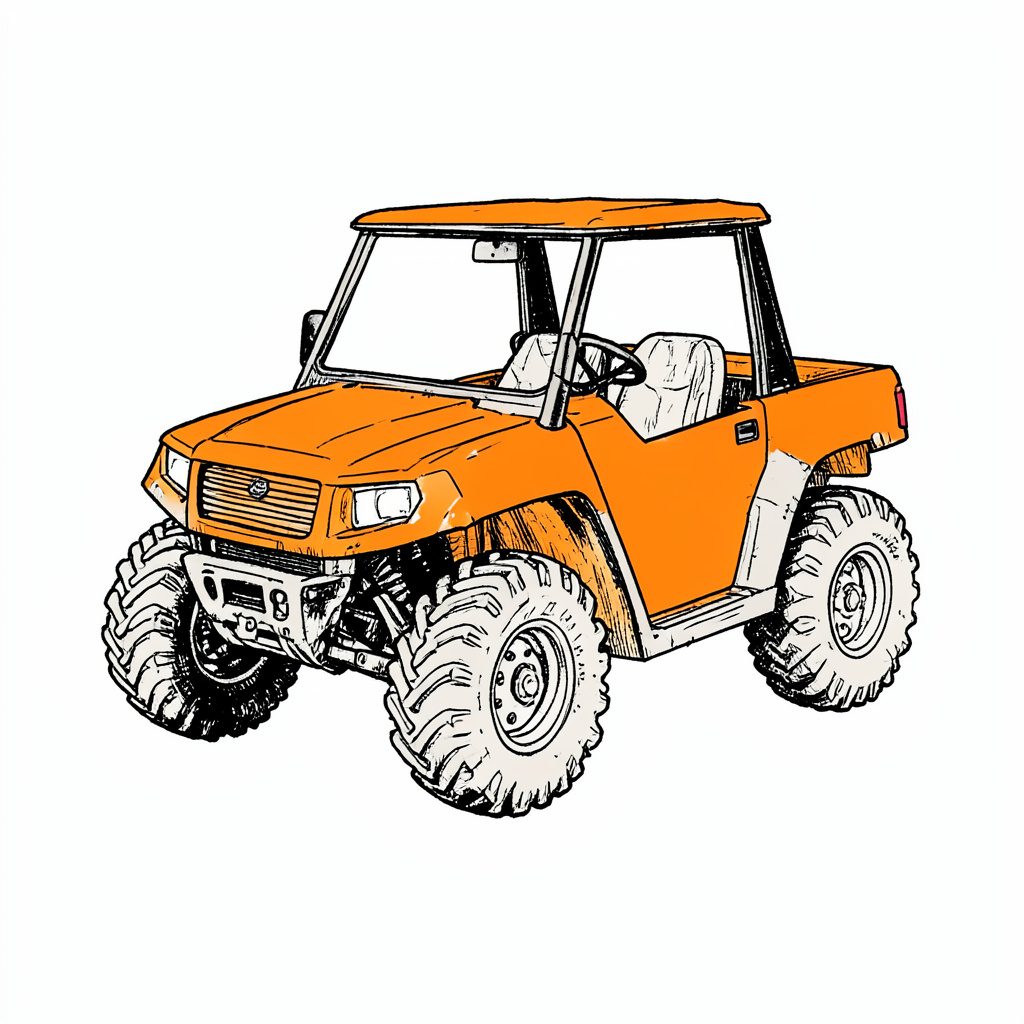
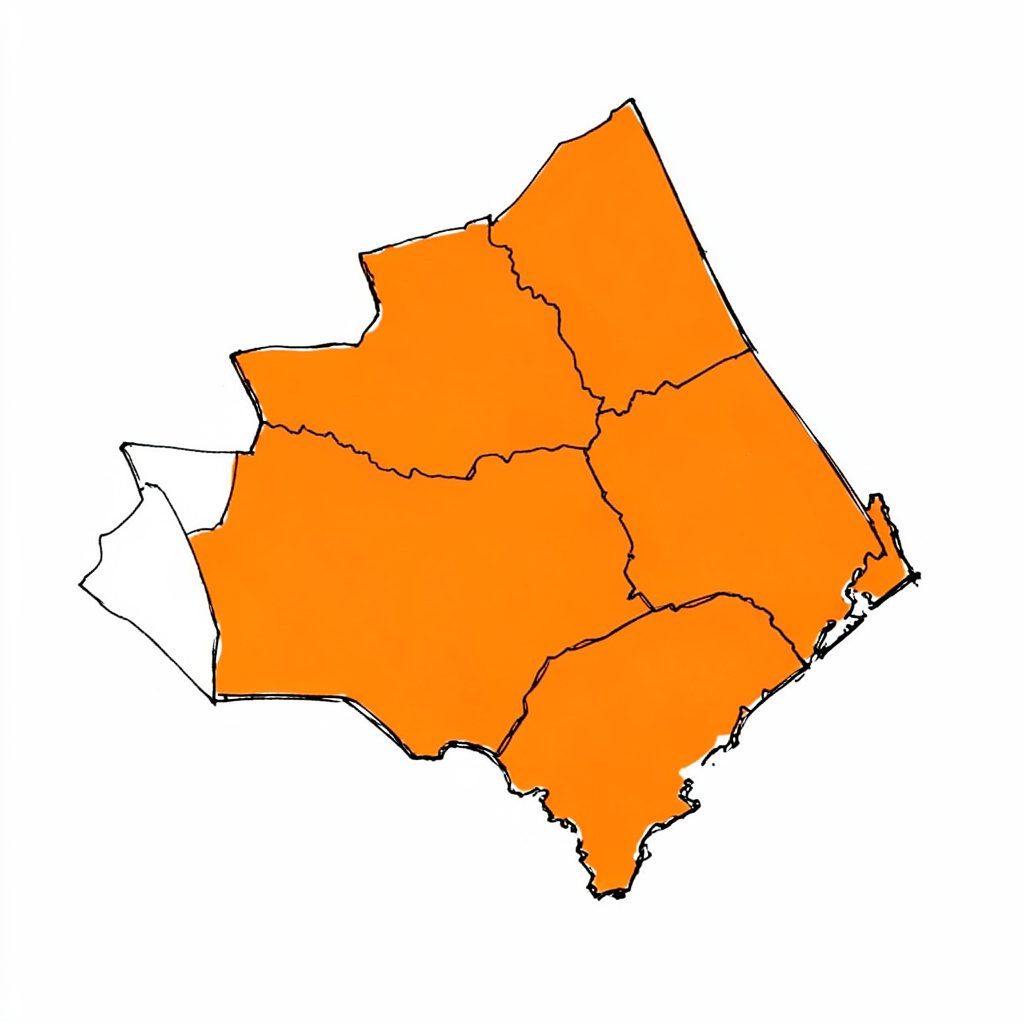
Tucked into pristine old Florida land in Flagler County, Florida Cracker Ranch is a family oriented outdoor adventure club where kids, parents and thrill seekers share the same trails, campsites and waterways.
Adventure Memberships available — families and singles welcome.
Reserve Your SpotWelcome to Florida Cracker Ranch
Often called Nature's Theme Park, our grounds invite families to ride ATV trails, splash through the swamp buggy area, pitch a tent, cast a line and explore old Florida hiking paths. Discover why members keep coming back season after season.
What You Can Do Here
ATV Trails
Marked routes for every skill level, including a peewee section.
Dirt Bikes
Dedicated dirt bike area built for two wheel adventure.
BMX & Mountain
Pedal powered BMX and mountain bike trails.
Swamp Buggy
Spacious swamp buggy area for big rig fans.
4x4 & Mud Trucks
Deep ruts and splash zones for 4x4s and mud trucks.
Skeet Range
Skeet shooting range in a controlled setting.
Camping
Membership campsites on a first come, first served basis.
Horse Trails
Scenic horse trails and riding paths.
An Old Florida Tradition
We honor the cracker way of life with old Florida outdoor living, traditional lodging, hiking and nature trails, plus fishing, swimming and beach access for members and their guests.
- Membership camping on a first come, first served basis
- Old Cracker Style Lodging cabins planned for overnight stays
- Old Florida hiking and nature trails
- Fishing, swimming and beach access
- Horse trails and riding


By the Numbers
A Beginner’s Guide To Camping With Your Dog
Camping with a dog can turn an ordinary weekend into a proper outdoor adventure. Your dog gets new smells, open space and time with the family, while you gain a cheerful companion for walks, swims and quiet evenings around camp. The best trips, however, rely on preparation rather than luck.
For Australians considering a camping holiday in Florida, the experience may feel quite different from a bush camp in Victoria, a coastal site near Queensland or a caravan park in New South Wales. Florida’s heat, humidity, wildlife and sudden storms require their own approach, and every private campground or adventure park has different pet rules. Florida Cracker Ranch in Flagler County combines camping with activities such as horse riding, hiking, fishing, swimming, BMX and off-road driving, so it is important to plan a dog-friendly schedule before arrival.
Choose A Suitable Campsite
Start by confirming whether dogs are allowed at the campsite, cabins, trails and shared facilities you intend to use. Some parks accept pets at powered sites but exclude them from beaches, swimming areas, dining spaces or activity zones. Ask about leash requirements, waste disposal, quiet hours and whether your dog can stay with you during an organised activity.
A private outdoor club such as Florida Cracker Ranch may offer several ways to enjoy the property, including annual adventure memberships, guest privileges, campsites and traditional Old Florida accommodation. Treat those options separately when planning. A dog that is comfortable at a tent site may not settle easily in a cabin, near engine noise or beside a busy ATV track.
If you are towing from a caravan park or airport-area accommodation, practise the arrival routine before the trip. Backing a trailer while a dog is excited can create unnecessary risk, so review this guide to trailer campsite parking and keep your dog secured in the vehicle until the rig is stationary.
Prepare Your Dog Before Departure
A dog should be comfortable with the basic conditions of camping before spending a night outdoors. Test the tent, portable bed, shade shelter and lead system in your backyard. Reward calm behaviour when zips open, pegs are hammered in or people walk past. If your dog barks at every unfamiliar sound, a quiet trial night at home can reveal problems early.
Book a veterinary check if your dog has not travelled recently. Confirm vaccinations, parasite prevention and any medication requirements. Australian owners should be especially alert to tick paralysis in eastern coastal areas, while anyone travelling overseas must investigate import rules, microchip records, health certificates and airline procedures well in advance.
Work on reliable cues such as “come”, “leave it”, “wait” and “settle”. Recall is useful, but it should never replace a lead in an unfamiliar environment. Snakes, fast vehicles, horses, waterways and dense vegetation can all appear suddenly, even when your dog is normally obedient at the local oval.
Pack For Comfort And Safety
Good equipment is simple, durable and familiar. Bring a fixed lead, a long line for supervised exploration, a well-fitted harness, identification tags, a portable water bowl, food container, bedding, towels and waste bags. Pack enough food for the entire stay plus extra portions in case the trip runs late.
A canine first-aid kit should include bandages, gauze, tweezers, saline, antiseptic recommended for animals, tick removal tools and any prescribed medication. Do not give human painkillers unless a vet has specifically directed you to do so. Store the kit where it can be reached quickly rather than buried beneath camping gear.
For a more structured packing process, a practical trip checklist can help you organise general travel items before adapting the list for your dog. Add a cooling mat, shade cloth and spare water containers for warm destinations. In Australia, a collapsible bowl and insulated water carrier are particularly useful on long drives between servo stops, especially through inland areas where the next reliable water source may be far away.
Build A Calm Camp Setup
Set up your dog’s space before unpacking recreational equipment. Choose a shaded position away from generators, vehicle movements and cooking smoke. Keep the lead attached to a secure point or hold it yourself; never tie a dog to a lightweight table, folding chair or anything that could move.
A familiar blanket can make a tent or cabin feel less strange. Keep food sealed against ants, raccoons and other animals, and do not leave treats near the sleeping area. At night, check that the lead cannot wrap around tent poles, trees or camp furniture.
Make camp boundaries clear from the beginning. Your dog can learn that the mat means rest, the bowl area means water and the lead signals exploration. This routine is particularly valuable when children are moving between swimming, riding and other activities. At a busy family park, a predictable base gives a tired dog somewhere quiet to decompress.
Manage Heat, Water And Wildlife
Florida’s heat and humidity can overwhelm a dog quickly, even when the morning feels pleasant. Schedule walks around sunrise or sunset, avoid hot surfaces and check the ground with the back of your hand before allowing your dog onto paths or vehicle areas. Heavy panting, weakness, drooling, confusion or vomiting requires immediate cooling and veterinary assistance.
Offer small amounts of fresh water often, but do not let your dog gulp from unknown ponds or stagnant pools. Swimming can be enjoyable, yet not every dog is a natural swimmer. Use a canine flotation vest near unfamiliar water, supervise constantly and rinse off muddy or chlorinated water afterwards.
Wildlife awareness matters in Australia and Florida alike. Keep your dog close around snakes, alligators, frogs, ticks and unfamiliar insects. Never allow chasing, sniffing or eating wildlife. If your evening entertainment includes explaining unusual symbols and games to older children, you can use this short piece about a wild symbol in casino games as a separate indoor topic rather than mixing screen time with wildlife identification.
Balance Adventure With Rest
A dog does not need to join every activity. Off-road driving, dirt bikes, skeet shooting and swamp buggy rides may involve noise, dust, fast movement or safety zones that are unsuitable for pets. Ask staff about restricted areas and organise a trusted adult to remain with the dog when the family splits up.
Gentler options can include a leashed walk, a quiet fishing session, a supervised swim or time beside camp while the family relaxes. Horse riding requires extra care because dogs can frighten horses or be injured by a kick. Keep your dog well away unless the operator specifically permits a controlled introduction.
Check the ranch’s upcoming events before booking. An event weekend may bring larger crowds, music, vehicles and changed access arrangements. For families travelling from Australia, that advance check is as important as confirming flight times, hire-car rules and whether a local holiday affects availability.
Make Evenings Easy For Everyone
Evening routines help prevent overtired behaviour. Give your dog a final toilet break, refill the water bowl and offer a calm chew or familiar toy. A short sniffing walk is often better than a long, strenuous hike after a full day outdoors. Keep the dog beside you around a fire and never allow access to hot coals, skewers, alcohol or discarded food.
Rain can change the mood quickly, particularly during Florida’s sudden afternoon storms. Bring a dry towel, waterproof storage and a plan for indoor downtime. Families can play cards, read, tell stories or watch a suitable film if the accommodation has power; a selection of family holiday films may help occupy children while the dog sleeps nearby.
Before bed, inspect paws for cuts, thorns, burrs or irritation, then check ears and coat for ticks. Keep the dog inside the tent or approved accommodation rather than leaving it outdoors alone. A night-time temperature that feels comfortable to a person may still be unsafe for a small, elderly or short-coated dog.
Practical Recommendations For A Smoother Trip
- Confirm pet rules, leash conditions and activity exclusions before paying for the site.
- Carry more water, food and medication than the itinerary appears to require.
- Keep your dog shaded, supervised and secured whenever vehicles, horses or machinery are nearby.
- Use a harness, identification tags and a current microchip record.
- Plan short walks and quiet breaks around the hotter parts of the day.
- Save the nearest emergency veterinarian and campground contact number offline.
The first camping trip should be deliberately modest: one or two nights, familiar equipment and a manageable activity list. Observe how your dog handles travel, heat, noise, strangers and sleeping outdoors, then adjust the next visit. With secure containment, regular water, sensible rest and respect for local wildlife, camping can become a relaxed family tradition rather than a test of endurance. The practical rule is simple: keep your dog cool, close and comfortable, and let every adventure grow from there.
Get in Touch
Send us a note about memberships, guest visits or directions. Phone 386-864-3856 or email floridacrackerranch@floridacrackerranch.com. Mailing address: P.O. Box 2993 Bunnell, Florida 32110.