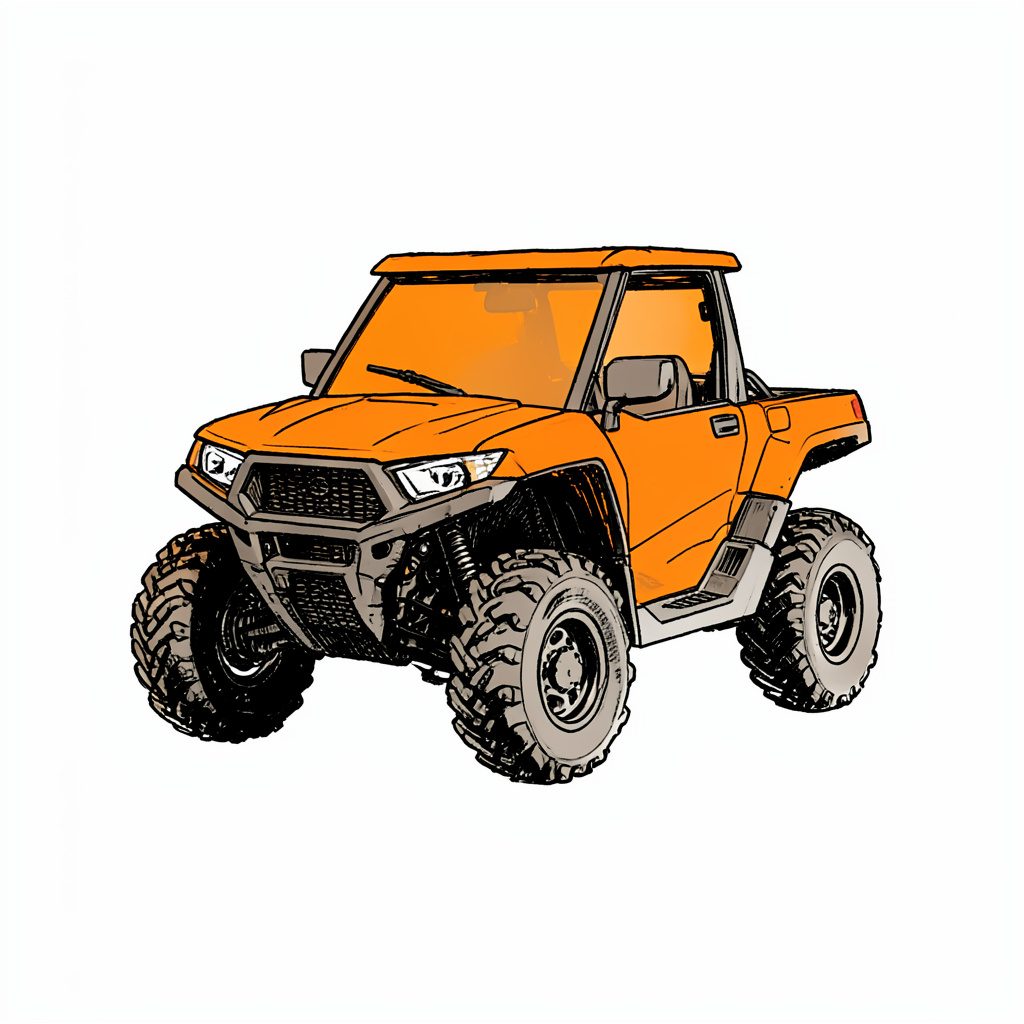
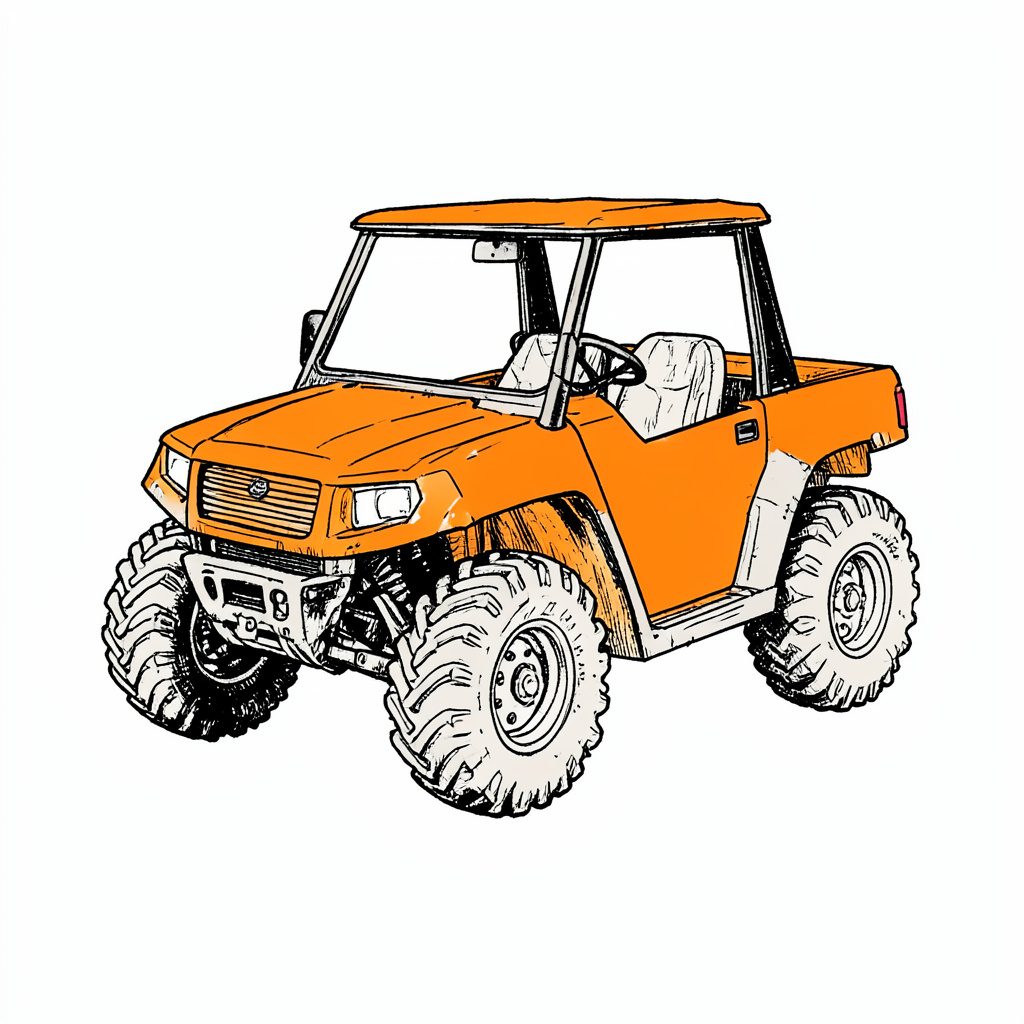
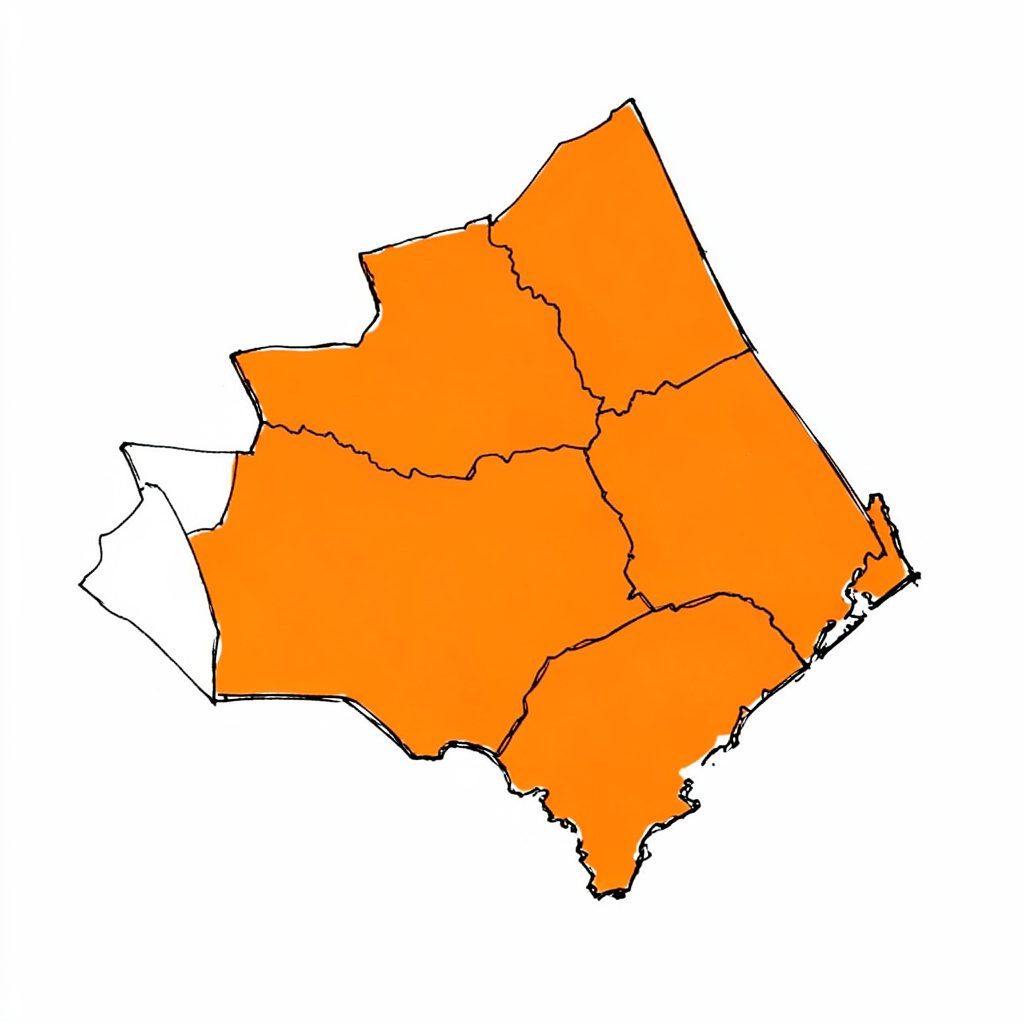
Tucked into pristine old Florida land in Flagler County, Florida Cracker Ranch is a family oriented outdoor adventure club where kids, parents and thrill seekers share the same trails, campsites and waterways.
Adventure Memberships available — families and singles welcome.
Reserve Your SpotWelcome to Florida Cracker Ranch
Often called Nature's Theme Park, our grounds invite families to ride ATV trails, splash through the swamp buggy area, pitch a tent, cast a line and explore old Florida hiking paths. Discover why members keep coming back season after season.
What You Can Do Here
ATV Trails
Marked routes for every skill level, including a peewee section.
Dirt Bikes
Dedicated dirt bike area built for two wheel adventure.
BMX & Mountain
Pedal powered BMX and mountain bike trails.
Swamp Buggy
Spacious swamp buggy area for big rig fans.
4x4 & Mud Trucks
Deep ruts and splash zones for 4x4s and mud trucks.
Skeet Range
Skeet shooting range in a controlled setting.
Camping
Membership campsites on a first come, first served basis.
Horse Trails
Scenic horse trails and riding paths.
An Old Florida Tradition
We honor the cracker way of life with old Florida outdoor living, traditional lodging, hiking and nature trails, plus fishing, swimming and beach access for members and their guests.
- Membership camping on a first come, first served basis
- Old Cracker Style Lodging cabins planned for overnight stays
- Old Florida hiking and nature trails
- Fishing, swimming and beach access
- Horse trails and riding


By the Numbers
How to back a trailer into a camping site like a pro
Backing a trailer into a campsite becomes far easier when it is treated as a sequence of small, controlled movements rather than a test of nerve. The aim is to place the caravan, camper trailer or boat trailer accurately while protecting trees, bollards, tents and neighbouring vehicles. Smooth steering and patience matter more than speed.
Australian campsites often add their own complications. A site may be narrow, bordered by eucalyptus trees, crowned with uneven ground or shared with children, dogs and reversing caravans. Holiday parks around the Gold Coast, Sydney, Melbourne and Perth can also be busy during school holidays, while remote Queensland or Northern Territory campsites may offer little room for a second attempt.
The same habits work at a private outdoor destination such as Florida Cracker Ranch, where visitors may arrive with camping gear before enjoying trails, fishing, horse riding or other outdoor activities. Watching practical driving videos before a trip can help new towers understand how vehicle position, trailer angle and hand signals work together.
A professional-looking reverse is quiet, slow and deliberate. Before moving, the driver knows where the trailer should finish, the spotter understands the signals, and both people agree to stop immediately if visibility is lost. That preparation turns a stressful arrival into a repeatable camping routine.
Prepare the rig before entering the site
Walk the campsite first if conditions allow. Look for the flattest approach, the location of the power pedestal, low branches, drainage channels, fire rings and the safest door position. Check whether the trailer will block another vehicle or leave enough space to open awnings and storage hatches. At a busy Australian caravan park, ask the office whether there are site-specific reversing rules.
Set the mirrors so the trailer sides are visible without excessive head movement. A reversing camera is useful, but it should supplement rather than replace the side mirrors and direct checks. Remove bicycles, bins or loose equipment that could obstruct the tow vehicle’s rear view, and confirm that the trailer plug, safety chains and breakaway system are properly connected.
Agree on a simple communication system before the vehicle moves. A raised palm means stop, broad arm movements indicate direction, and silence means stop if the driver can no longer see the spotter. Mobile phones can help when wind or engine noise makes speech difficult, although the driver should never handle a phone while manoeuvring.
For longer Australian road trips, entertainment and comfort planning can reduce pressure on the driver. Downloading something such as a Nepali film for passengers to watch later is sensible, but devices should be put away during the arrival manoeuvre so everyone can concentrate on obstacles.
Set up the approach with the right angle
The starting position determines how much steering will be needed. Drive past the campsite far enough to create a gentle entry angle, keeping the trailer on the outside of the turn. A wide, controlled setup is generally easier than trying to reverse from directly in front of the site with the trailer perfectly straight.
For a site on the driver’s side, visibility is usually better because the driver can look through the side window and mirror. This is often called a “left-hand” or “driver’s side” reverse in Australia. A passenger-side reverse can still be completed safely, but it deserves slower progress, frequent stops and a reliable spotter.
Place the tow vehicle and trailer in line with the intended path before beginning. Avoid starting with the trailer already sharply angled unless the site demands it. The more severe the initial angle, the faster the trailer will react when the steering wheel turns, leaving less time to correct.
A useful reference is the near rear corner of the trailer. Watch its relationship with the campsite boundary while checking the opposite side in the mirror. If that corner begins moving towards an obstacle, stop and pull forward to reset. Repositioning is efficient driving, not a sign of failure.
Use small steering inputs and patient corrections
When reversing, the rear of the trailer moves in the opposite direction to the top of the steering wheel. To make the trailer move left, the driver generally turns the wheel right; to make it move right, the driver turns left. This feels unnatural at first, so practise in an empty area with cones before attempting a tight campsite.
Use tiny steering movements and pause between them. At idle speed, the trailer gives the driver time to observe the angle and decide whether another correction is needed. Maintaining a slow crawl with gentle brake control is safer than accelerating and trying to rescue a large deviation.
Once the trailer begins tracking towards the site, straighten the steering before the angle becomes extreme. The goal is to “chase” the trailer into position rather than create a dramatic bend. If the trailer starts folding towards the tow vehicle, pull forward, straighten the combination and begin again.
Signals and checks that keep the reverse controlled
- Stop immediately when the spotter disappears from view.
- Check both trailer corners, not just the side nearest the driver.
- Use the handbrake and exit the vehicle for a physical inspection when unsure.
- Keep children, pets and spectators outside the manoeuvring zone.
- Pull forward to reset instead of forcing a poor angle.
A spotter should stand where the driver can see them in a mirror, never directly behind the trailer. They should avoid walking backwards near a drop-off, tree root or kerb. At large family camping areas, establish a clear exclusion zone before the vehicle starts, particularly when children are moving between campsites.
Finish squarely and protect the campsite
As the trailer reaches the desired position, reduce steering input and allow the combination to straighten. Stop before the rear corner reaches the boundary, then walk around the site to confirm clearance. The final position should leave room for levelling, connecting power and water, deploying steps and opening the awning without crossing a road or blocking a shared path.
On uneven ground, chock the wheels before disconnecting the trailer. Apply the tow vehicle’s park brake, lower the jockey wheel onto a stable surface and follow the trailer manufacturer’s uncoupling instructions. Never rely on the jockey wheel alone to hold a heavy trailer on a slope.
Consider the ground beneath the wheels and stabilisers. Soft soil can swallow a stabiliser foot, while wet grass may become slippery under a heavy vehicle. Carrying timber pads, wheel chocks, a high-visibility vest and a torch is particularly useful for arrivals after dark or at basic bush camps.
Campsite etiquette matters as much as positioning. Keep engine noise brief, avoid driving over vegetation and do not swing across another site to gain extra room. At destinations offering traditional outdoor lodging and shared recreation, a tidy arrival protects the character of the property and makes the area safer for everyone.
Build a repeatable towing routine
The best way to improve is to practise the complete process somewhere open and quiet. Mark a campsite with cones, reverse into it from both sides, then repeat the exercise with the spotter using only agreed signals. Add a gentle slope once the basic movement feels natural, but avoid practising near traffic, steep edges or public paths.
Australian drivers should also account for differences between tow vehicles and trailers. A compact ute with a short-wheelbase camper responds quickly, while a long-wheelbase four-wheel-drive and tandem-axle caravan may need broader turns. Check the vehicle’s towing capacity, towball mass and trailer dimensions before loading for a trip, and stay within the relevant state or territory requirements.
Do not let arrival pressure encourage unsafe shortcuts. If a queue forms, pull forward to a safe waiting place and allow others to pass. A five-minute pause is preferable to damaged equipment, a crushed campsite fixture or an argument with a neighbour. Experienced towers still stop, inspect and reset when the angle is wrong.
A simple written arrival plan can help families share responsibilities: one person drives, one spots, and another keeps children and pets away. Keep payment and entertainment decisions separate from driving tasks; even browsing a feature about casino slots with candy themes can wait until the vehicle is parked and secured.
Useful equipment for easier campsite positioning
- Extended towing mirrors suited to the trailer’s width
- A reversing camera with a clean, unobstructed lens
- Bright wheel chocks and stabiliser pads
- A torch or headlamp for evening arrivals
- A high-visibility vest for the spotter
- Two-way radios for noisy or windy campgrounds
Budgeting for a trip should be handled before departure rather than while a trailer is moving. Travellers who use mobile services for bookings or entertainment can review spending controls, including information about pay-by-phone casino limits, before leaving home. The practical principle is simple: organise digital distractions in advance and keep the campsite manoeuvre focused.
Make each arrival predictable
A polished reverse begins before the vehicle reaches the site. Inspect the ground, choose the approach, position the spotter and identify the trailer’s corners. Then reverse at walking pace, use modest steering inputs and stop whenever the view or communication becomes uncertain.
The final check is just as important as the reverse itself. Chock the wheels, secure the trailer, inspect the surrounding space and connect services only after the rig is stable. If the site cannot be entered safely in one movement, pull forward and create a better angle rather than forcing the turn.
With practice, backing into a camping site becomes a familiar set of movements rather than a high-pressure performance. The practical takeaway is to arrive slowly, communicate clearly, watch both trailer corners and reset whenever the angle stops making sense.
Get in Touch
Send us a note about memberships, guest visits or directions. Phone 386-864-3856 or email floridacrackerranch@floridacrackerranch.com. Mailing address: P.O. Box 2993 Bunnell, Florida 32110.