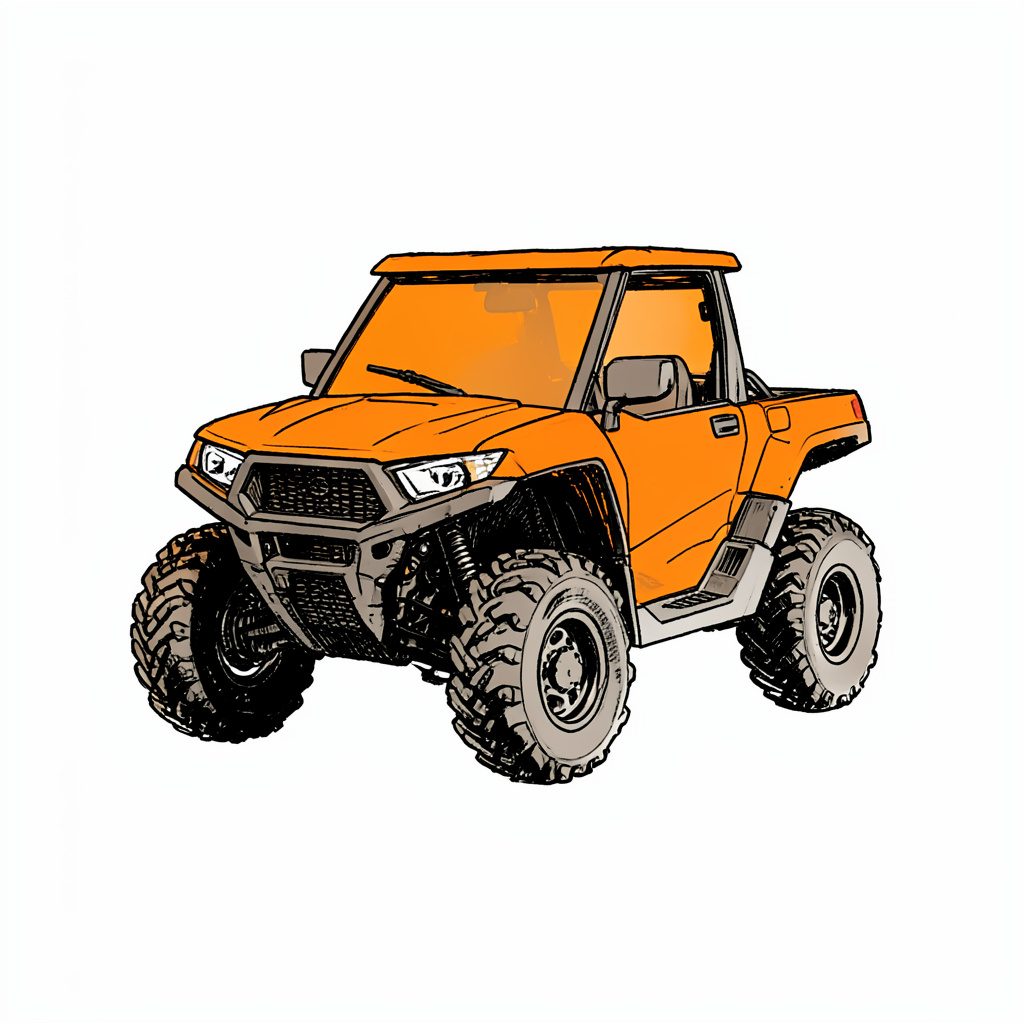
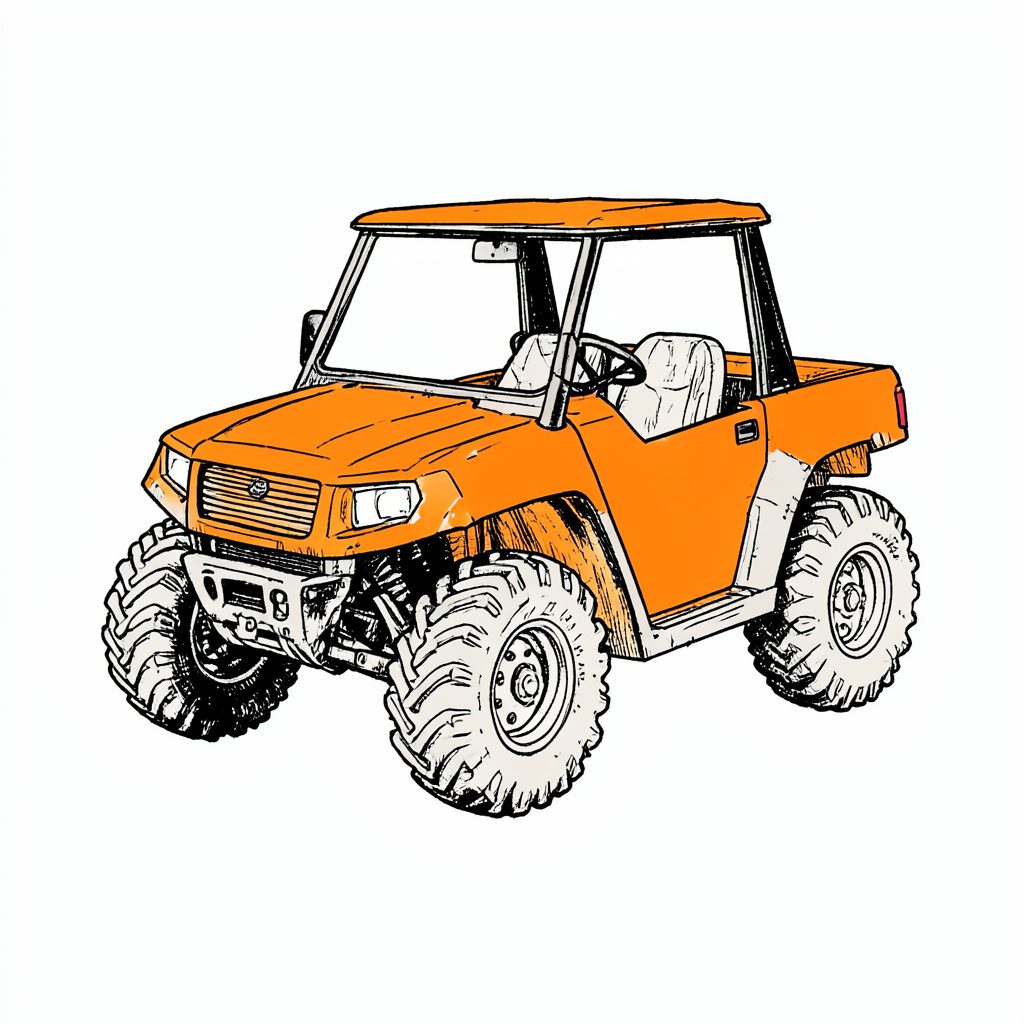
Tucked into pristine old Florida land in Flagler County, Florida Cracker Ranch is a family oriented outdoor adventure club where kids, parents and thrill seekers share the same trails, campsites and waterways.
Adventure Memberships available — families and singles welcome.
Reserve Your SpotWelcome to Florida Cracker Ranch
Often called Nature's Theme Park, our grounds invite families to ride ATV trails, splash through the swamp buggy area, pitch a tent, cast a line and explore old Florida hiking paths. Discover why members keep coming back season after season.
What You Can Do Here
ATV Trails
Marked routes for every skill level, including a peewee section.
Dirt Bikes
Dedicated dirt bike area built for two wheel adventure.
BMX & Mountain
Pedal powered BMX and mountain bike trails.
Swamp Buggy
Spacious swamp buggy area for big rig fans.
4x4 & Mud Trucks
Deep ruts and splash zones for 4x4s and mud trucks.
Skeet Range
Skeet shooting range in a controlled setting.
Camping
Membership campsites on a first come, first served basis.
Horse Trails
Scenic horse trails and riding paths.
An Old Florida Tradition
We honor the cracker way of life with old Florida outdoor living, traditional lodging, hiking and nature trails, plus fishing, swimming and beach access for members and their guests.
- Membership camping on a first come, first served basis
- Old Cracker Style Lodging cabins planned for overnight stays
- Old Florida hiking and nature trails
- Fishing, swimming and beach access
- Horse trails and riding
By the Numbers
Gopher tortoises on the trail: a Florida wildlife guide
Imagine cresting a sandy rise on a quiet Florida morning and finding a stocky, tan-coloured reptile quietly munching on wiregrass at the trail's edge. That is the everyday magic of the gopher tortoise, a creature so embedded in the local landscape that hikers, riders, and four-wheel drivers all eventually cross paths with one. Slow, steady, and quietly ancient, it is one of the most important animals you will meet on any sandhill trail in the southeastern United States.
For travellers flying in from Australia, the gopher tortoise is a reminder that Florida feels closer in spirit to the bushwalking country around Sydney or Melbourne than many visitors expect. Long sandy pine forests, low palmetto scrub, and a sun that arrives early all feel familiar to anyone who has wandered the coastal heath back home. Instead of red kangaroos and emus, the trails here deliver something slower and arguably more photogenic: a living fossil with a back built like a tractor tyre.
The ranch sits squarely within this habitat, and gopher tortoises are a regular part of the scenery for members, campers, and day visitors. They show up along the dirt bike track, near the swamp buggy routes, and even within sight of the cool off in summer swimming holes that families love in the warmer months. Knowing a little about them turns a casual sighting into a genuine wildlife moment.
A keystone of the sandhills
The gopher tortoise, Gopherus polyphemus to the scientists, has lived in these sandy ridges and longleaf pine forests for millions of years. It is the only native land tortoise east of the Mississippi, and ecologists call it a keystone species because its deep, sloping burrows shelter more than three hundred and fifty other species. Pull the tortoise out of the system and a large chunk of the local food web starts to unravel.
The closest Aussie parallel might be the role wombats play in the alpine country south of Canberra. Wombats dig burrow systems that shelter other wildlife and shape water flow through the soil. The mechanics differ, but the principle is the same: a single digging species creates the infrastructure the whole neighbourhood depends on. Gopher tortoises also live remarkably long, often reaching fifty or sixty years in the wild, the kind of longevity Aussies associate with saltwater crocs.
Where their burrows show up on the ranch
The simplest way to find a gopher tortoise is to look down. Their burrows are unmistakable: a half-moon opening roughly the width of a dinner plate, often tucked into a sunny bank or the soft shoulder of a sandy trail. On the ranch, these burrows appear along the horse riding loops, beside the BMX track, and in the open palmetto flats between the campsites.
Walking quietly in the morning, you may see the resident tortoise at the mouth of its burrow, soaking up warmth before the day gets serious. A pair of thongs, the Australian word for flip-flops, and a wide-brimmed hat are usually enough kit for a slow tortoise walk. For anyone trying to photograph them, the trick is to stay low, move slowly, and let the tortoise come to you. Patient observers are often rewarded with a few minutes of undisturbed grazing before the animal trundles back underground.
Reading tortoise behaviour on the move
Gopher tortoises are not built for speed, but they are far from boring to watch. Their legs are shaped like little shovels, flattened for digging, and they move with a slow, deliberate gait. A feeding tortoise swings its head side to side, clipping low-growing plants with a horny upper jaw that looks a little like a parrot's beak. When they sense a threat, the response is rarely panic, and most tortoises simply stop, pull their front legs inward, and wait.
Some hiss sharply by emptying their lungs, which can alarm a first-time observer but is really just a startled exhalation. The shell, which looks heavy, is in fact surprisingly light and full of air pockets, helping the animal survive a season underground during cold snaps or drought. In warmer months, tortoises are often seen near water, drinking, soaking, and sometimes wallowing in shallow puddles, a behaviour that brings them close to the swimming holes featured in the ranch's latest news and updates.
A surprising Aussie comparison
For visitors from Australia, the most useful mental model is the eastern long-necked turtle, the snake-necked species found in wetlands from Brisbane down to Victoria. Both animals are long-lived, both rely on burrows or hollows, and both spend long stretches basking before disappearing underground. The biggest difference is habitat: long-necks favour swamps and billabongs, while gopher tortoises prefer dry, sandy longleaf pine country. Once that switch is made, a lot of the behaviour starts to feel familiar.
The shells are another useful comparison. Australian kids grow up recognising the bright patterns of freshwater turtle shells, while gopher tortoise shells are duller, more uniform, and shaped for digging rather than swimming. The carapace is slightly domed and angled like a wedge at the front, helping the animal push through loose sand and root systems. Visitors who have done bushwalking in Wilsons Promontory or the Grampians will recognise that mix of tough terrain and tough animal, along with the shared conservation story that comes with it.
Trail etiquette when a tortoise is nearby
The single most important rule on the property is to leave tortoises alone. That means no handling, no lifting, no tapping on the shell, and no trying to relocate one to a better spot. Every burrow is mapped and protected, because the species is officially listed as vulnerable in Florida. A tortoise moved to a new burrow often cannot find its way home and may be rejected by the local colony, with fatal consequences.
For ATV and dirt bike riders, the etiquette is simple: slow down when you see a tortoise on the track and let it cross in its own time. The animals are tough, but their shells cannot handle a tyre, and a hit at speed is usually fatal. Families camping on the property should be aware that tortoises sometimes wander into camp around dusk, and that feeding them the wrong food can damage their digestive system. The safest approach is to keep food sealed, watch from a distance, and enjoy the visitor for what it is.
When gopher tortoises are most active
The best time to see gopher tortoises on the ranch is during the cooler parts of the day, which in Florida means early morning and late afternoon. That schedule lines up nicely with the Australian summer back home. When schools in Sydney and Melbourne are breaking for the long holiday between December and February, Florida is in its mild dry season, with cooler nights and daytime temperatures that sit comfortably in the low twenties. That is the sweet spot for wildlife spotting.
Spring and autumn are also strong seasons, especially for visitors who want to combine tortoise watching with camping, horse riding, and a swim in the ranch's freshwater spots. A planned visit during the milder months almost guarantees multiple encounters, even on a short stay, and current members receive regular updates and event listings through the property's news feed. After dark, when the tortoises have retreated and the campfire is burning low, many visitors unwind with a streaming app on their tablet. If that app ever freezes mid-scene, a practical walk-through of fixing a Showbox black screen can save a quiet night in the woods.
Planning your wildlife-focused visit
A first visit is best framed around a few short activities rather than trying to cover the whole property in one go. A gentle morning walk along the horse trail, a slow loop on the BMX track, and an afternoon swim at one of the ranch's natural pools will usually produce at least one tortoise encounter, and often three or four. Riding the swamp buggy route in the late afternoon is another reliable way to see them, because the heavy vehicle compels a slower pace and the tortoise-friendly section of trail is well marked.
For Australians weighing up the long flight, a round trip from Sydney to Orlando clocks in at around twenty hours in the air, which is not trivial, but the trade-off is a wildlife experience genuinely different from anything at home. Vegemite sandwiches, thongs in the backpack, and a gopher tortoise on the trail is a combination that no other destination can offer, and the kind of travel memory that tends to last a lifetime.
A practical takeaway for any visitor is to think of the gopher tortoise as a slow, patient teacher. Spend ten quiet minutes near a known burrow on the first morning, and the rest of the trip will keep rewarding that lesson. Tortoises appear on the trails because the land is healthy, and that health is the real souvenir of any visit to the ranch. Bring a good pair of thongs, a sense of curiosity, and a willingness to slow down, and the gopher tortoises will do the rest.
Get in Touch
Send us a note about memberships, guest visits or directions. Phone 386-864-3856 or email floridacrackerranch@floridacrackerranch.com. Mailing address: P.O. Box 2993 Bunnell, Florida 32110.