
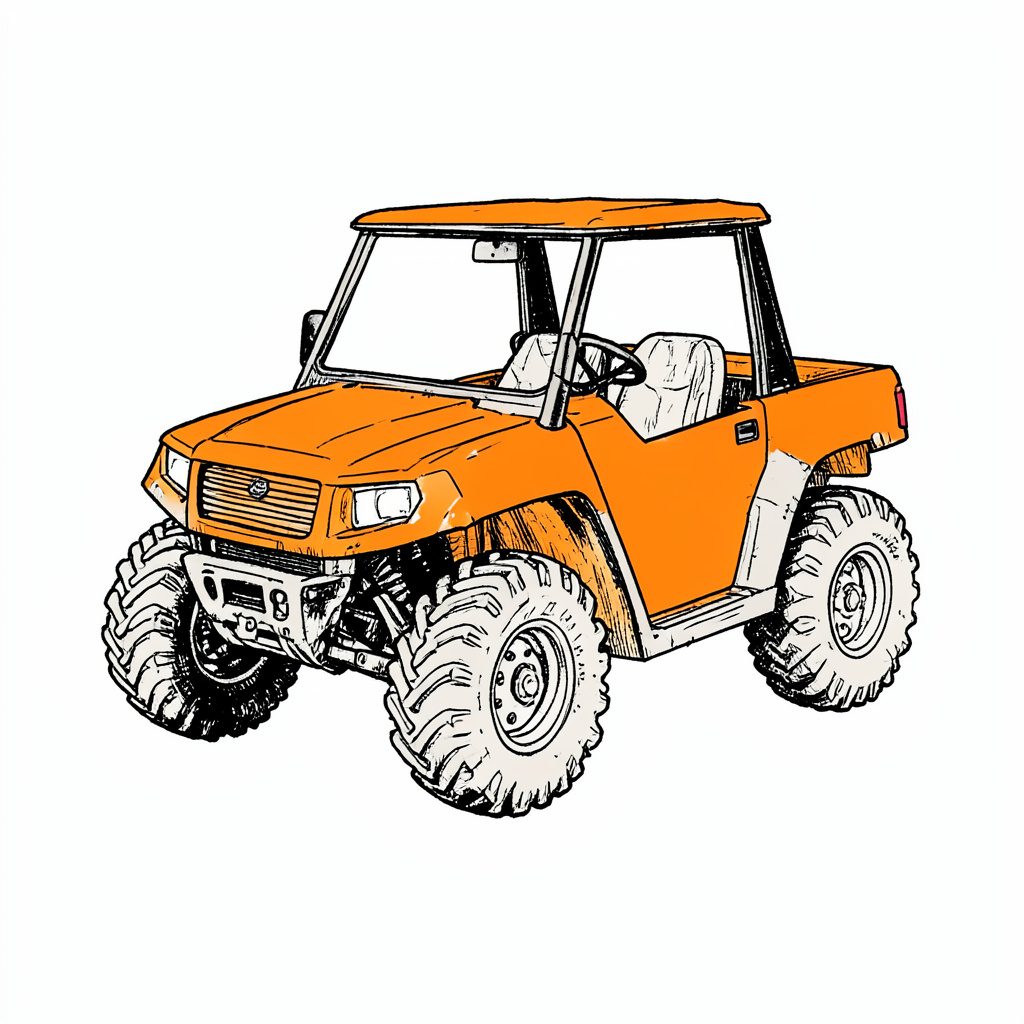
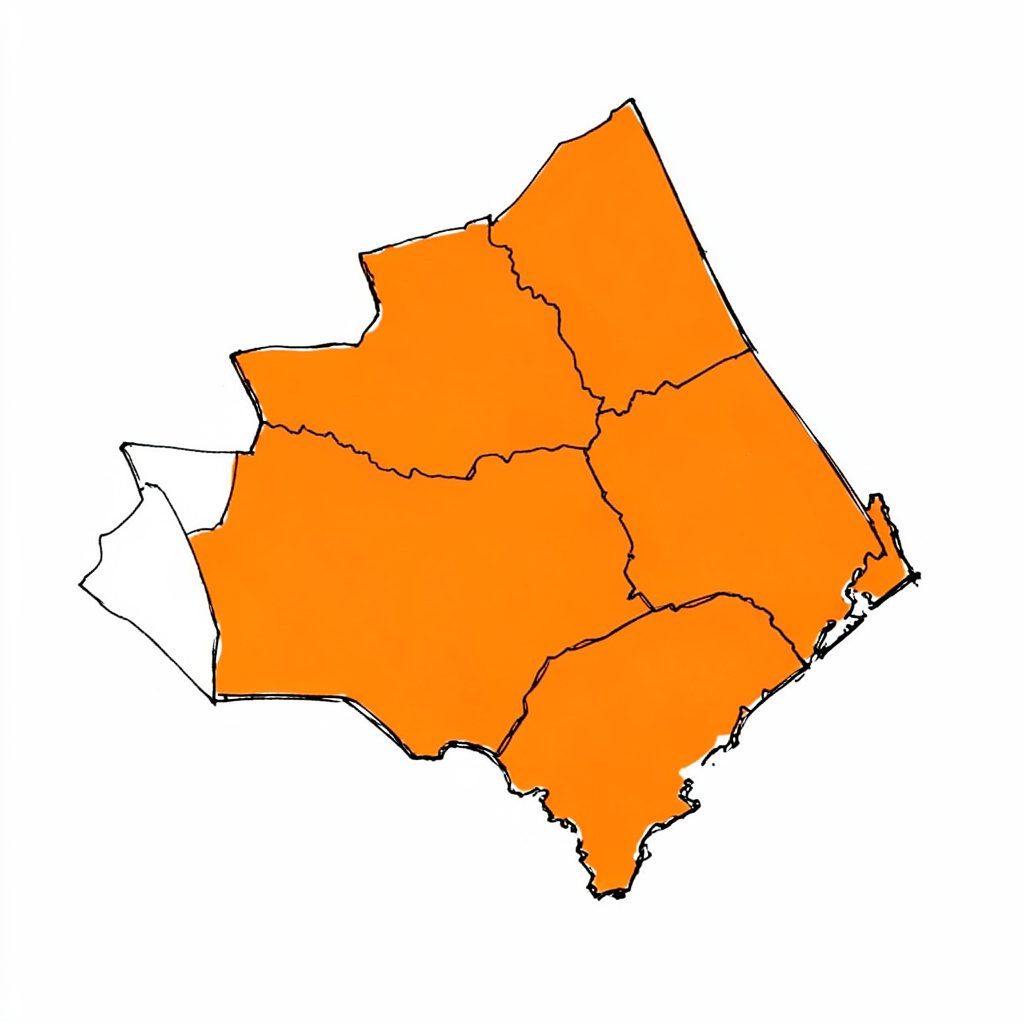
Tucked into pristine old Florida land in Flagler County, Florida Cracker Ranch is a family oriented outdoor adventure club where kids, parents and thrill seekers share the same trails, campsites and waterways.
Adventure Memberships available — families and singles welcome.
Reserve Your SpotWelcome to Florida Cracker Ranch
Often called Nature's Theme Park, our grounds invite families to ride ATV trails, splash through the swamp buggy area, pitch a tent, cast a line and explore old Florida hiking paths. Discover why members keep coming back season after season.
What You Can Do Here
ATV Trails
Marked routes for every skill level, including a peewee section.
Dirt Bikes
Dedicated dirt bike area built for two wheel adventure.
BMX & Mountain
Pedal powered BMX and mountain bike trails.
Swamp Buggy
Spacious swamp buggy area for big rig fans.
4x4 & Mud Trucks
Deep ruts and splash zones for 4x4s and mud trucks.
Skeet Range
Skeet shooting range in a controlled setting.
Camping
Membership campsites on a first come, first served basis.
Horse Trails
Scenic horse trails and riding paths.
An Old Florida Tradition
We honor the cracker way of life with old Florida outdoor living, traditional lodging, hiking and nature trails, plus fishing, swimming and beach access for members and their guests.
- Membership camping on a first come, first served basis
- Old Cracker Style Lodging cabins planned for overnight stays
- Old Florida hiking and nature trails
- Fishing, swimming and beach access
- Horse trails and riding

By the Numbers
Teaching a friend to shoot skeet for the first time
Taking a mate out for their first skeet session is less about producing a quick score and more about showing them that clay target shooting can be calm, social and controlled. A skeet field launches targets from a high house and a low house, and the shooter chooses one at a time. That gives a beginner a clear start, a visible target and a definite finish. Your role is to reduce uncertainty, not pile on technique. Patient encouragement will build more confidence than a complicated lesson delivered at full speed.
If the plan involves Florida Cracker Ranch in Flagler County, check the current membership and guest arrangements before the day instead of assuming it is a casual walk-in venue. Skeet sits within a wider programme of ATVs, swamp buggies, horse riding, fishing, camping and family activities, so you can keep the visit focused or build a full weekend around it. Campsites and traditional Old Florida lodging may suit groups with mixed ages, while the range rules and guest requirements should be confirmed directly.
Tips for teaching a friend to shoot skeet for the first time work best when every instruction is simple, every movement is demonstrated and nobody treats a miss like a personal failure. The same approach transfers well to Australian club shoots, where visitors may be joining a tight social circle they have never met. Plan for safety, fit the gun properly, teach one repeatable shot, then let success come from steady practice rather than force.
Safety comes before shells
Start with the law and the venue, because Australian requirements differ between states and territories. A firearm licence, safety certificate and club induction may be required in different combinations across New South Wales, Victoria and Queensland. Active clay-shooting communities exist around Tamworth and Wagga Wagga in New South Wales, Bendigo in Victoria and the Gold Coast hinterland in Queensland. Before accepting a visitor, ask the club or range marshal to confirm current paperwork and any restrictions on unfamiliar shooters.
On the day, eye and ear protection are mandatory at most commercial and club fields, while closed-toe footwear, a hat, sunscreen and water are sensible even in mild weather. Keep the shotgun unloaded while it is being fitted, and treat it as loaded whenever the action is closed. Only the shooter should load under the marshal’s direction, the muzzle stays downrange, and nobody crosses the firing line until the range is declared safe.
Before the session, save the Volvox field resource with the range’s contact details, club rules and travel plan so the group is working from one clear set of information. If any rule is unclear, pause and ask the person in charge.
Plan a calm first session
Choose a format that matches the beginner, not the reputation of the club. Sporting clays can provide varied, visible presentations, while a dedicated skeet layout features the high-house and low-house rhythm. Ask the operator which field will be used, whether targets are automatic or hand-called, how many shells are allowed and how long the session will last. A short practice session is usually more useful than waiting through a full competitive round.
A workable first visit lasts around an hour to an hour and a half. Begin with a safety briefing, fit the gun, practise the ready position and shoot a small number of controlled targets before adding movement or paired calls. Twenty to thirty shells is plenty for many beginners. Reserve the rest for easy targets, a short break and a few enjoyable attempts rather than trying to exhaust the box in the first ten minutes.
For a feel for the activity-led style at Florida Cracker Ranch, the ranch video gallery offers a glimpse of the Flagler County setting. If the plan points to Florida, also confirm seasonal conditions, transport, temporary firearm import requirements and accommodation options well before travelling from Australia.
Select and fit the shotgun
A semiautomatic shotgun is often the easiest first clay gun because it is quick to load and does not require the extra timing needed with a break-action model. Twelve gauge is the usual choice for adult skeet shooting in Australia, although a 20 or 28 gauge may feel lighter for a smaller or older shooter. Choke and shot selection affect the target pattern, but neither compensates for poor gun fit. Follow the range’s ammunition rules and never improvise during the session.
Fit the gun while the shooter is standing naturally and the range is clear. The stock should sit comfortably in the crook of the arm, the cheek should meet the comb without twisting the neck, and the trigger hand should reach the trigger without pulling the shoulder forward. If the muzzle points too far left, right, high or low, the shooter will spend the shot correcting the gun. An experienced coach or instructor can make a safe adjustment faster than verbal guesses.
Keep the first load simple: standard target ammunition specified by the venue, the same shells for every attempt and only one shell introduced at a time. Let the beginner pull a shell from the pocket, inspect the rim, seat it firmly and close the action with the muzzle still downrange. Rehearse that sequence until it feels ordinary. Familiarity reduces the chance that a noisy launch or fast clay will disrupt the next handling step.
Teach one movement at a time
Teach the shot as one movement rather than a collection of commands. Start with the feet balanced, bring the gun up smoothly, settle the cheek into the stock, locate the target, take a natural breath, press the trigger and follow through. The barrel should travel to the target rather than swing violently across it. Work on a level gun and relaxed trigger pull first; speed will follow later. Practise the mount without firing, then call “stand by” and “pull” for the first clay.
Commands matter as much as footwork. The shooter says “stand by” only when ready, and the person throwing or calling says “pull” when the clay is released. If nobody calls “pull,” no shot is taken. The trigger finger stays straight along the receiver until the target is visible and the decision to shoot has been made. When the field announces “no shot,” “unload” or “range safe,” everyone follows it immediately. Clear words prevent confusion when several beginners are watching a fast target.
Skeet targets usually arrive from the high and low houses, one at a time, and the shooter chooses which clay to take. Watch the launch, make a smooth barrel movement and keep the gun moving through the target’s path after the trigger breaks. Do not try to jerk the muzzle onto a clay that has already crossed the aiming point. A missed target is still useful information: note whether the barrel was late, the shot was low, or the shooter released too quickly, then change only one thing on the next attempt.
Australian range language is usually practical rather than theatrical. You will commonly hear “pull,” “stand by,” “good shoot” and “straight” on the scoreboard, with club slang varying from one shoot to another. A mate saying “no worries, next clay” can be useful encouragement, but sarcasm about a beginner is not. Ask the marshal how scores are called and follow that vocabulary, especially at a local shoot day where banter comes fast and the person calling may be focused on the whole field.
Build confidence through simple targets
Build a ladder of small wins. Start with clearly visible targets and a comfortable distance, then progress to faster presentations, the second house and paired clay. Keep score for feedback, not judgement; a score of eighteen can represent excellent progress for a first session. Let the beginner recognise a consistent pattern of breaks before chasing a high total. A visible improvement in mount, timing or follow-through is stronger evidence of learning than raw points alone.
Give one useful correction at a time. “Your barrel was level and the timing was good” tells the shooter what to repeat, while “you missed” gives no path forward. If the shot is late, the issue is likely visual tracking; if it is low, check the gun fit and trigger pull; if the barrel jumps, return to a slower mount. Let the shooter feel the difference before adding more coaching, and stop while attention is still sharp rather than drilling through tiredness.
Build in breaks, especially during an Australian summer shoot when the sun and heat can climb quickly. Broad-brimmed hats, high-factor sunscreen, water and shade matter more than squeezing in another clay. Watch for heat stress, dehydration or reduced concentration in the shooter and anyone calling targets. If concentration slips, change targets or finish the session; a rested beginner retains far more than a tired one trying to prove a point.
Keep the experience safe and memorable
Visitors planning more than one activity can use the broader ranch adventures page to see how skeet fits within the wider ranch programme. Membership and guest privileges, campsite availability and Old Florida lodging may shape the best length of stay, while families can combine the shooting session with swimming, fishing, hiking or the other outdoor pursuits listed on the site. Keep firearms secure during transport and follow Florida law, storage requirements and airline rules rather than relying on Australian assumptions.
At home, the equivalent experience might be a club shoot day in regional New South Wales, a practice night through a Victorian sporting clays club or a winter outing in southern Queensland. Community fields commonly require advance booking, a current licence and a safety briefing, and many shops or clubs can recommend an instructor for a first visit. Local conditions change quickly, so check wind, fire bans, transport arrangements and ammunition availability. Do not assume the rules from one state apply in another.
What should remain with your friend is not a perfect score. It is the memory of a safe, controlled session in which the target came, the shot was taken without fear and each attempt felt manageable. Keep that sense of calm, because it is the foundation every later improvement will be built on.
Get in Touch
Send us a note about memberships, guest visits or directions. Phone 386-864-3856 or email floridacrackerranch@floridacrackerranch.com. Mailing address: P.O. Box 2993 Bunnell, Florida 32110.