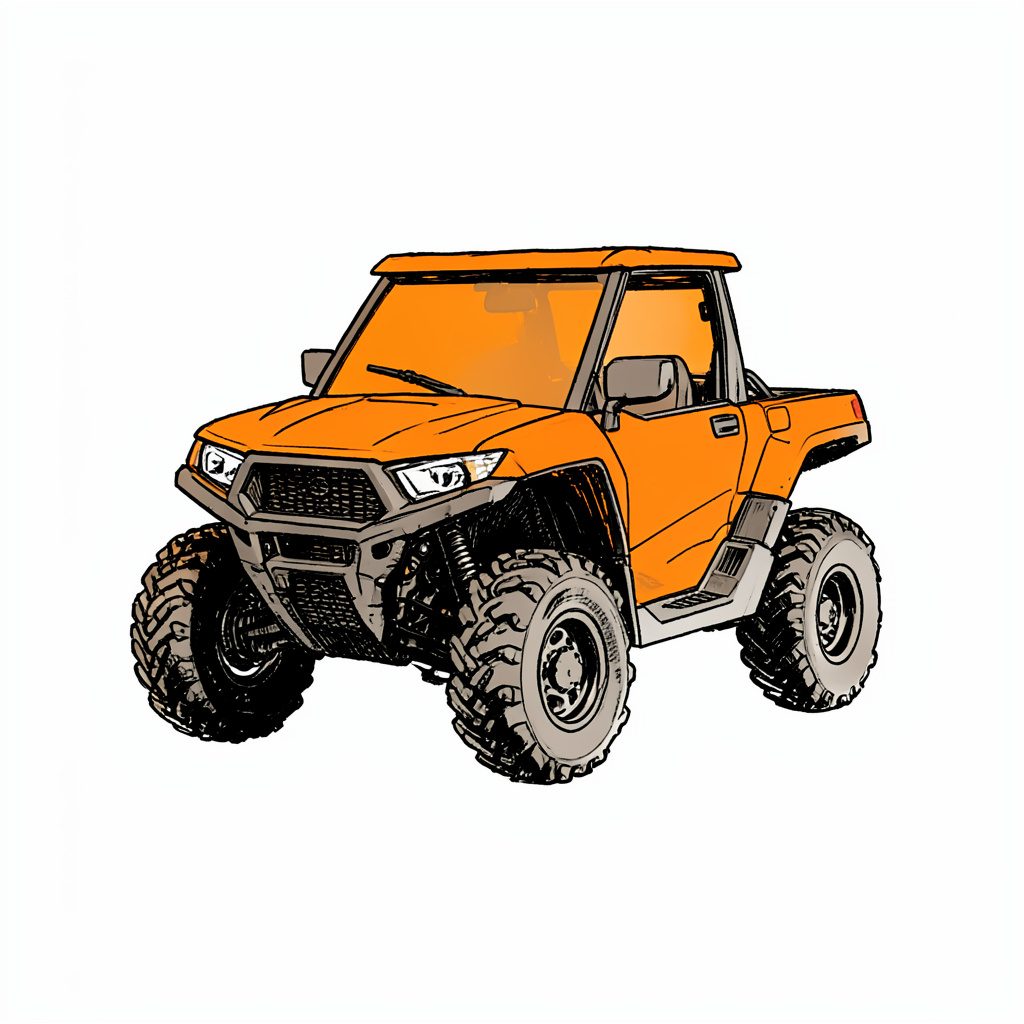
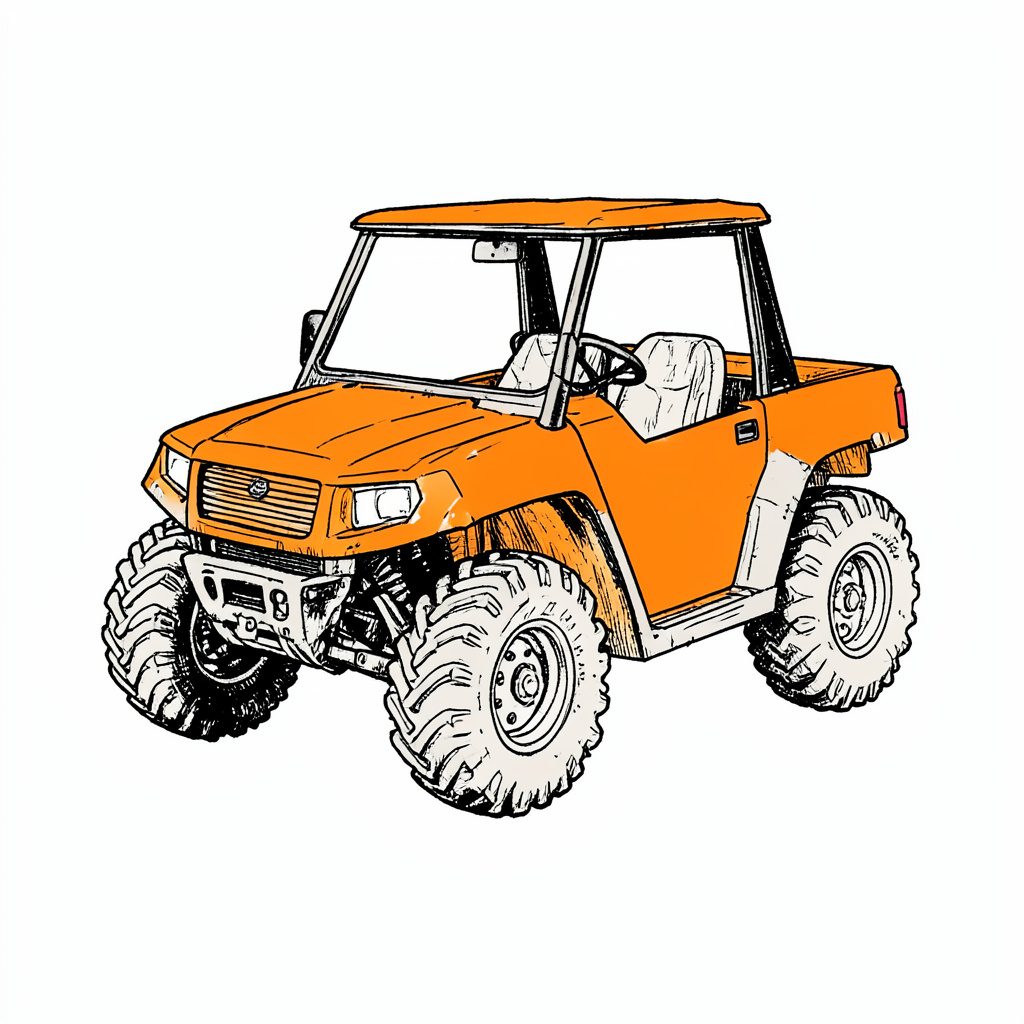
Tucked into pristine old Florida land in Flagler County, Florida Cracker Ranch is a family oriented outdoor adventure club where kids, parents and thrill seekers share the same trails, campsites and waterways.
Adventure Memberships available — families and singles welcome.
Reserve Your SpotWelcome to Florida Cracker Ranch
Often called Nature's Theme Park, our grounds invite families to ride ATV trails, splash through the swamp buggy area, pitch a tent, cast a line and explore old Florida hiking paths. Discover why members keep coming back season after season.
What You Can Do Here
ATV Trails
Marked routes for every skill level, including a peewee section.
Dirt Bikes
Dedicated dirt bike area built for two wheel adventure.
BMX & Mountain
Pedal powered BMX and mountain bike trails.
Swamp Buggy
Spacious swamp buggy area for big rig fans.
4x4 & Mud Trucks
Deep ruts and splash zones for 4x4s and mud trucks.
Skeet Range
Skeet shooting range in a controlled setting.
Camping
Membership campsites on a first come, first served basis.
Horse Trails
Scenic horse trails and riding paths.
An Old Florida Tradition
We honor the cracker way of life with old Florida outdoor living, traditional lodging, hiking and nature trails, plus fishing, swimming and beach access for members and their guests.
- Membership camping on a first come, first served basis
- Old Cracker Style Lodging cabins planned for overnight stays
- Old Florida hiking and nature trails
- Fishing, swimming and beach access
- Horse trails and riding

By the Numbers
The History Of The Cracker Cow In Old Florida
Long before Florida became known for theme parks, coastal resorts and sprawling suburbs, cattle moved through its pine flatwoods, hammocks and wet savannas. The animals that managed this demanding country became known as Florida Cracker cattle, a small, tough breed shaped by heat, insects, rough forage and generations of open-range stock handling.
For Australian visitors, the story may feel familiar. The breed brings to mind station cattle bred for hard country, practical horsemanship and animals that can walk a long way to find feed or water. At Florida Cracker Ranch in Flagler County, that heritage fits naturally with trail riding, camping, wildlife observation and old-style outdoor recreation.
Spanish Beginnings In A Florida Landscape
The foundation of the Florida Cracker breed came from cattle brought to the Americas by Spanish explorers and settlers from the sixteenth century onwards. These animals were often called “Criollo” cattle, a broad term for Iberian-descended stock that adapted to different parts of the New World. In Florida, isolated herds developed their own qualities over many generations.
Florida was a demanding place for European cattle. Summers were long, hot and humid, while mosquitoes, ticks and other parasites were constant problems. Much of the available pasture consisted of native grasses, palmetto, sawgrass and browse rather than rich, improved feed. Cattle that could survive with limited handling and modest nutrition were more useful than larger animals requiring intensive care.
The breed’s name is linked to the Florida Crackers, the cattlemen who worked these herds. One explanation connects “cracker” with the sharp crack of the stockman’s whip, while another uses the word as a historical name for rural Floridians. Either way, the term reflects a culture of open-range cattle work, horses, dogs and long days spent moving stock through bushy country.
A Breed Built For Heat And Hard Country
Florida Cracker cattle are generally smaller and lighter-framed than many modern beef breeds. Their size was practical: a compact animal needed less feed and could travel through dense vegetation, soft ground and narrow woodland trails. Their varied coat colours may include red, black, brown, dun, brindle, white and combinations of these shades.
The cattle are also associated with long, often sweeping horns, although horn shape varies between animals and some modern lines are polled. Their physical appearance can seem delicate beside large commercial beef cattle, yet that impression misses the central point. They were selected over time for fertility, mobility, calving ability and survival in a hot subtropical environment.
For an Australian audience, the comparison with cattle used in northern Queensland or the Northern Territory is useful, although the environments are different. Florida’s wetlands and pine forests require a different set of skills from the red soil and open grasslands around Katherine or Longreach. The shared principle is sensible breeding: cattle must suit the country, rather than forcing the country to suit the cattle.
The animals were usually valued for more than meat. Their milk, hides, calves and working qualities mattered to rural families. In places where transport was slow and veterinary services were limited, a cow that could calve reliably and remain healthy with little intervention was an important household asset.
Range Cattle And The Cow Hunters
For centuries, Florida cattle were managed across unfenced or lightly fenced landscapes. Cow hunters relied on horses, dogs, calls and an intimate knowledge of creeks, hammocks and seasonal grazing areas. Round-ups could be physically demanding, with stock scattered over broad tracts of woodland and marsh.
This system influenced the temperament and working style associated with the breed. Cattle needed enough alertness to move when driven, yet enough steadiness for people to handle them on horseback. The famous Florida cracker horse developed alongside this way of life, giving riders a sure-footed partner for rough trails and wet ground.
The cattle industry changed sharply during the nineteenth and twentieth centuries. Railways, fencing, improved pastures and larger commercial breeds altered how Florida producers managed livestock. The Florida Cracker cow, once a familiar part of rural life, became less common as ranchers pursued faster-growing animals and more standardised beef production.
A small number of breeders and heritage organisations helped preserve the remaining bloodlines. Conservation matters because genetic traits developed under local conditions can disappear quickly. A heritage breed is a living record of farming history, carrying evidence of how people responded to climate, landscape and limited resources.
Traits That Made The Herd Resilient
The breed’s value becomes clearer when its traits are viewed as a complete survival package rather than as a list of unusual features.
- Heat tolerance suited Florida’s long, humid summers.
- Efficient grazing helped animals live on native forage.
- Smaller frames reduced feed requirements and supported easier movement.
- Natural hardiness assisted with insects, parasites and variable conditions.
- Strong maternal qualities supported reliable calf production.
- Horns and alertness reflected generations of open-range management.
These qualities have useful parallels for Australian travellers who understand the importance of country-adapted livestock. A station operator in the Top End, a cattle producer near Rockhampton or a family running a small property outside Tamworth may all recognise the logic of choosing animals for resilience rather than appearance alone.
Heritage cattle also tell a social story. They represent families who worked with limited machinery, riders who knew every waterhole and communities that depended on seasonal rhythms. That is why seeing an old breed in a managed landscape can be more meaningful than viewing an animal in a generic farm display.
For visitors planning a private outdoor day, the wider experience can include several practical reminders drawn from rural life:
- Wear closed footwear suited to mud, dust and uneven ground.
- Carry water, sunscreen and insect repellent in every season.
- Follow staff directions around livestock, horses and vehicles.
- Keep children close when animals are being moved or fed.
- Allow extra time for weather, trail conditions and slower rural roads.
Heritage Experiences At Florida Cracker Ranch
Florida Cracker Ranch presents the breed’s story within a broader outdoor setting. Its activities include ATV and four-wheel-drive trails, dirt biking, BMX and mountain biking, swamp buggy outings, horse riding, hiking, fishing, swimming, camping and skeet shooting. That range reflects the way many visitors now seek several kinds of recreation in one rural destination.
The ranch’s appeal for Australian families lies in the mix of active adventure and relaxed bush-style downtime. It can feel closer to a private farm stay or organised station experience than a conventional amusement venue, although the Florida landscape brings its own combination of palmettos, wetlands, pine trees and sudden summer storms.
Old Florida lodging adds another layer to the visit. Traditional accommodation and camping encourage guests to notice the country around them rather than rushing between attractions. A visitor who has travelled through the Blue Mountains, the Atherton Tablelands or regional Victoria may appreciate the same basic pleasure: waking somewhere spacious, hearing wildlife and spending the day outdoors.
For group organisers, the ranch can also support a social programme beyond riding and trail activities. A ranch entertainment option may suit an adult gathering or evening event, while families can keep their daytime schedule focused on animals, swimming and exploration. Using the familiar Australian word “pokies” makes the concept easy for visitors to understand, though the setting remains distinctly Floridian.
The history is also a useful reason to travel with care. Before downloading travel or booking apps, visitors should review an app permission guide and limit access to location, contacts and files unless it is genuinely needed. On the ground, responsible behaviour matters just as much: stay on marked routes, avoid disturbing livestock and leave natural areas as they were found.
Keeping The Story Alive For Future Visitors
A heritage breed survives through deliberate breeding, careful records and public interest. It also survives when people understand why the animals matter. Florida Cracker cattle are not simply an attractive old-fashioned type; they demonstrate how livestock can be shaped by climate, landform, labour and local knowledge.
That lesson connects with modern conservation. Ranches and outdoor clubs must balance recreation with erosion control, habitat protection and safe access. Members who help clear fallen branches, repair drainage and report damaged sections can make a real difference, especially after storms. Guidance on trail maintenance shows how practical stewardship can become part of the club experience.
Australian visitors may also approach the trip as part of a longer international travel plan. A person comparing a Florida ranch stay with an Asian cultural stop might use a Hue travel guide while building an itinerary, then allow several days for the very different pace of rural Florida. That contrast can be rewarding: one destination reveals imperial history and river landscapes, while the other presents cattle heritage, wetlands and outdoor adventure.
The most valuable encounter is often a simple one: watching a well-adapted cow move calmly through its environment and recognising the generations of work behind that ease. The Florida Cracker cow belongs to a particular place, yet its wider message is universal. Livestock, landscapes and people endure together when each is respected for what it can do.
Before travelling, review the ranch’s membership and guest arrangements, choose suitable outdoor clothing, and reserve a campsite or heritage-focused visit in advance.
Get in Touch
Send us a note about memberships, guest visits or directions. Phone 386-864-3856 or email floridacrackerranch@floridacrackerranch.com. Mailing address: P.O. Box 2993 Bunnell, Florida 32110.