
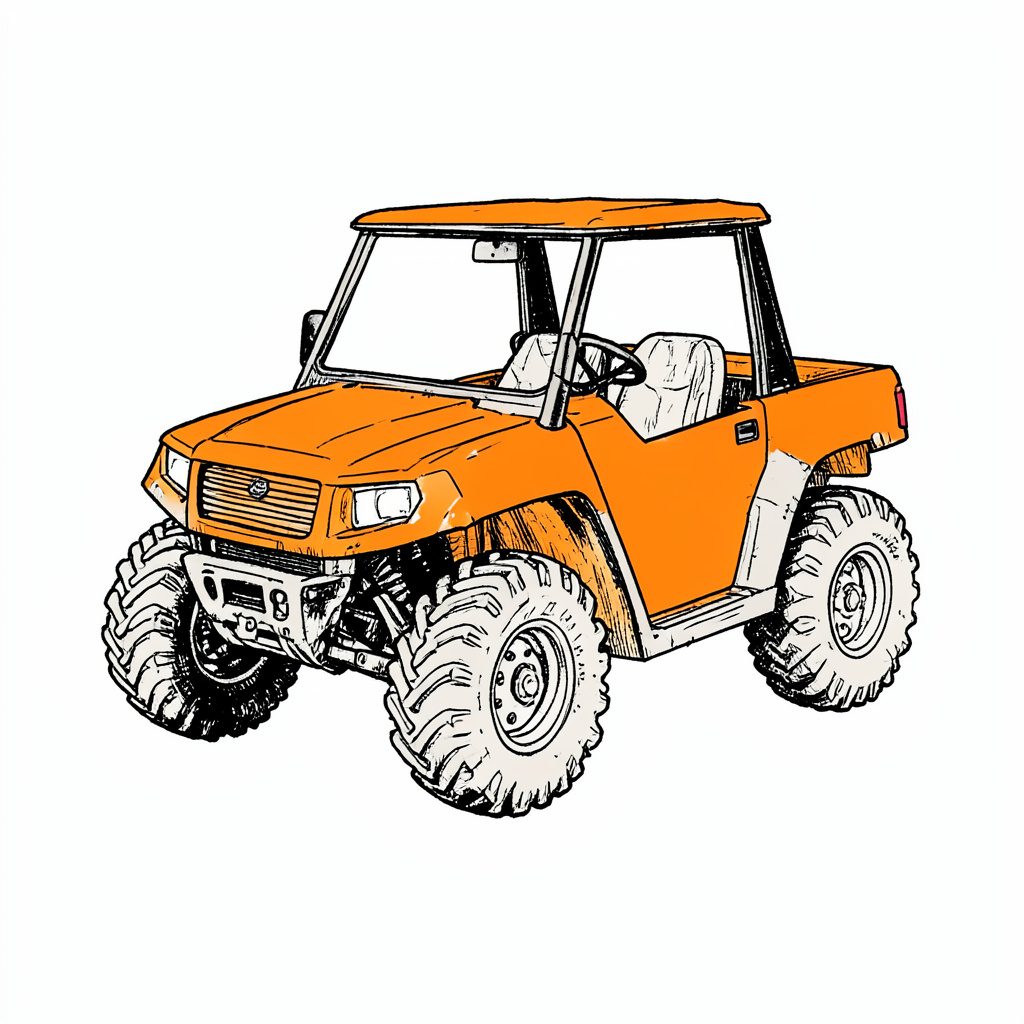
Tucked into pristine old Florida land in Flagler County, Florida Cracker Ranch is a family oriented outdoor adventure club where kids, parents and thrill seekers share the same trails, campsites and waterways.
Adventure Memberships available — families and singles welcome.
Reserve Your SpotWelcome to Florida Cracker Ranch
Often called Nature's Theme Park, our grounds invite families to ride ATV trails, splash through the swamp buggy area, pitch a tent, cast a line and explore old Florida hiking paths. Discover why members keep coming back season after season.
What You Can Do Here
ATV Trails
Marked routes for every skill level, including a peewee section.
Dirt Bikes
Dedicated dirt bike area built for two wheel adventure.
BMX & Mountain
Pedal powered BMX and mountain bike trails.
Swamp Buggy
Spacious swamp buggy area for big rig fans.
4x4 & Mud Trucks
Deep ruts and splash zones for 4x4s and mud trucks.
Skeet Range
Skeet shooting range in a controlled setting.
Camping
Membership campsites on a first come, first served basis.
Horse Trails
Scenic horse trails and riding paths.
An Old Florida Tradition
We honor the cracker way of life with old Florida outdoor living, traditional lodging, hiking and nature trails, plus fishing, swimming and beach access for members and their guests.
- Membership camping on a first come, first served basis
- Old Cracker Style Lodging cabins planned for overnight stays
- Old Florida hiking and nature trails
- Fishing, swimming and beach access
- Horse trails and riding


By the Numbers
Pine, Pitch And Camp Life In Old Flagler County
Long before Flagler County became known for quiet beaches, horse trails and spacious rural properties, its inland economy was tied to the longleaf pine forest. Timber crews cut trees for lumber, while turpentine workers harvested resin that could be distilled into spirits of turpentine and rosin. These products travelled far beyond Florida, serving shipbuilders, paint makers, soap manufacturers and industrial suppliers.
The work created temporary settlements across the pine country. A turpentine or timber camp was more than a collection of rough cabins. It could include a commissary, cookhouse, tool shed, mule yard, still, schoolroom and narrow tram lines leading into the woods. Families lived close to the work, and the rhythm of camp life followed the weather, the trees and the arrival of supply trains.
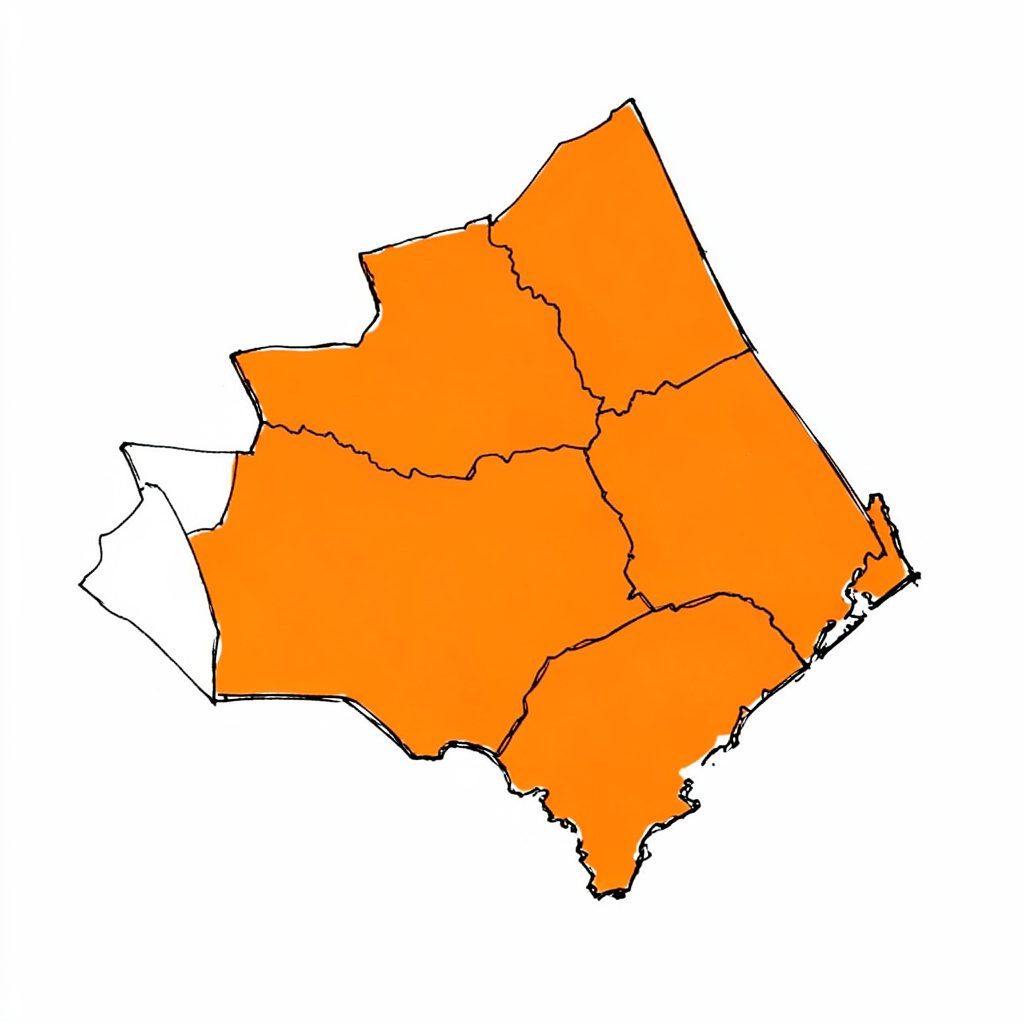
Flagler County was established in 1917 from parts of St Johns and Putnam counties, at a time when logging and land development were reshaping the region. Bunnell became an important centre for agriculture and transport, while the surrounding scrub, flatwoods and wetland margins supported timber operations. The camps have largely disappeared, yet their influence remains in local place names, road patterns and the continuing affection for Old Florida’s working landscapes.
For an Australian visitor, the nearest comparison may be a remote timber settlement in a New South Wales state forest or a Queensland sawmill town, although the ecology is very different. Florida’s pine flatwoods are not eucalyptus bush, and a swamp buggy is not a ute, but both landscapes reward people who understand mud, heat, long distances and practical outdoor skills.
The Forest That Made An Industry
The longleaf pine was central to the early economy of the Southeast. It grew tall and straight, offered useful timber and produced abundant resin. In Flagler County, these pines stood across dry uplands and flatter wet ground, mixed with palmetto, wiregrass, cypress and hardwood hammocks. The forest could appear open beneath the canopy, but travelling through it was still slow work.
Turpentine production began with a wound cut into the lower trunk. Workers called “chippers” removed strips of bark and sapwood, creating a face where resin could flow. A metal or ceramic cup collected the gum, which was later scraped into barrels and transported to a distillery. The process was repeated across thousands of trees, with workers returning regularly through the season.
Distillation separated the raw gum into turpentine and rosin. Turpentine became a solvent and ingredient in paints, varnishes and cleaning products, while rosin went into adhesives, printing materials, soap and other manufactured goods. In an era before petroleum-based products dominated many markets, these forest chemicals were valuable export commodities.
Timber crews worked alongside the naval stores industry. They felled pines for boards, poles, railway ties and building materials, often using oxen, mules and temporary tramways to move logs. Once the most accessible trees had been removed, the operation shifted deeper into the bush, leaving behind cleared ground, cut stumps and a changed forest structure.
Inside A Turpentine Camp
Camp life was organised around labour. Workers might begin before sunrise, walking or riding into the forest with tools, buckets and provisions. Chippers maintained the faces on the trees, pullers gathered resin, and teamsters moved barrels and equipment. Timber fellers, sawyers and loaders handled a separate but connected chain of demanding tasks.
The commissary was an essential part of the system. It supplied food, clothing, tobacco, tools and household goods, sometimes on credit. That arrangement could bind families to a company through debt, particularly when wages were low and transport to other settlements was difficult. A camp might feel self-contained, but its economic life was controlled by the operator and the wider price of forest products.
Housing was generally basic, with wooden cabins arranged near the work area. Families, single labourers and camp supervisors occupied different spaces, reflecting the racial and social hierarchy of the period. Black workers performed much of the hardest labour in the turpentine woods, and the industry’s history cannot be separated from exploitation, racial inequality and the limited choices available to many rural families.
Children grew up close to the forest economy. They saw resin faces cut into trunks, heard saws and wagons, and learned how weather affected the work. Sundays, church gatherings, fishing and informal visits offered relief from the weekly routine. These details help explain why camp history is remembered through family stories as much as through official records.
Rail Lines, Sawmills And The Growth Of Bunnell
The timber trade depended on transport. Temporary wooden tramways and rail spurs carried logs from the woods to mills or larger railway connections. The Florida East Coast Railway and related transport links helped move agricultural produce, lumber and naval stores toward coastal ports and regional markets. Rail access also encouraged land sales, settlement and the development of new commercial centres.
Sawmills transformed the scale of production. Instead of hauling every log to a distant market, operators could process timber closer to the cutting area and ship boards by rail. Mills required workers, mechanics, teamsters, bookkeepers and suppliers, so a forest operation generated employment beyond the people who felled trees.
Bunnell’s development reflected this expanding network. The town served as a trading and administrative hub for farms, timberlands and rural communities. Stores, banks, hotels and repair businesses grew around the movement of people and goods. The county’s later agricultural identity, particularly its links with cabbage and other crops, developed within an economy already shaped by railways and forest clearing.
The pattern is familiar to Australians who have seen a small town expand around a sawmill, rail siding or agricultural depot. A place such as Tantanoola, Tumut or parts of the Atherton Tablelands may evoke a similar relationship between landscape and industry, even though Florida’s pine forests and humid subtropical weather create a very different visual world.
Why The Camps Faded Away
Turpentine camps declined as forest resources were exhausted, markets changed and more efficient industrial materials became available. Repeated tapping weakened some trees, while intensive logging removed the largest and most valuable pines. Fire suppression also altered the ecology of longleaf pine country, allowing denser undergrowth and different tree species to spread.
The camps did not always vanish in a single dramatic event. Some were abandoned when a tract was cut over, while others shifted location as crews followed the timber. Cabins deteriorated, tram tracks disappeared beneath vegetation and still sites became difficult to identify. A few communities survived by turning to farming, road work, construction or other rural industries.
Historical traces can remain subtle. A straight road through irregular woodland may follow an old rail grade. A cluster of mature pines can mark a former homesite, while unusual mounds, rusted metal or fragments of glass may indicate a camp or processing area. Such clues should be treated with care and respect, because public land, private property and archaeological protections may apply.
The environmental story is equally important. Second-growth pine forests now cover places once stripped for timber, and some conservation programs restore longleaf pine through prescribed burning. The aim is not to recreate a turpentine camp, but to recover a healthier forest structure for gopher tortoises, wading birds, deer and other wildlife.
Meeting Old Florida Outdoors
Today, the most meaningful way to understand this history may be to experience the terrain that shaped it. At Florida Cracker Ranch, outdoor activities connect visitors with the practical character of Flagler County through trails, camping, horses, fishing, bikes and off-road vehicles. The experience is recreational, yet the surrounding pinewoods and wetlands provide useful context for the distances and conditions that camp workers once faced.
A modern ATV trail is obviously different from a timber tramway, and a family campsite is far removed from a company cabin. Still, both involve reading the ground, managing equipment and adapting to Florida’s heat, rain and soft terrain. A ride through sandy pine country can make old descriptions of wagons, mules and flooded tracks easier to imagine.
Families visiting from Australia may notice how the local market is organised around school holidays, multigenerational trips and annual memberships. An Australian family might plan a long weekend from Brisbane, Sydney or Melbourne, pack an esky and call the outing a day in the bush; in Flagler County, visitors often combine a ranch stay with St Augustine, Palm Coast or the Atlantic coast. The language differs, but the appetite for hands-on outdoor recreation is much the same.
Digital entertainment also forms part of modern travel planning, especially during a wet afternoon at camp or a long evening indoors. Visitors comparing regulations before travelling can read this overview of online gambling in Australia, while keeping the main focus on the land, history and activities that make the region distinctive.
Ways To Read The Landscape Responsibly
A visit to former timber country becomes richer when history is treated as a living layer rather than a vanished story. The forest still bears signs of past work, but those signs may be fragile, privately held or concealed by regrowth. Good interpretation combines local knowledge, archival research and attention to the natural environment.
Useful habits for exploring the area include:
- Learn the difference between longleaf pine, slash pine, cypress and palmetto before heading into the woods.
- Check land access and property boundaries, since old camp locations may lie on private ranches or active timberland.
- Look for local museum collections, county records, historic maps and oral histories rather than relying on unverified roadside stories.
- Keep vehicles and horses on designated routes to protect wetland edges, cultural remains and sensitive wildlife habitat.
- Visit in cooler conditions, carry water and allow extra time for heat, humidity, insects and sudden summer storms.
- Treat bottles, metal fragments, old tools and other possible artefacts as evidence to report, not souvenirs to remove.
These practices suit the realities of Florida’s backcountry. The same courtesy applies in Australian bush settings, where a historic sawmill site, Aboriginal cultural place or old stock route may require permission and careful handling. Responsible access helps ensure that future visitors can still learn from the landscape.
The history of Flagler County’s turpentine and timber camps is ultimately a story of connection: between pine trees and global trade, railways and settlement, labour and family life, and exploitation and environmental change. The camps were built to extract value from the forest, but they also left a cultural memory that continues through local stories and outdoor traditions.
When visitors cross today’s trails, they are moving through a landscape shaped by generations of work. The clearest thing to remember is that every quiet pine flat, old road and patch of regrowth may carry evidence of the people who made their living there.
Get in Touch
Send us a note about memberships, guest visits or directions. Phone 386-864-3856 or email floridacrackerranch@floridacrackerranch.com. Mailing address: P.O. Box 2993 Bunnell, Florida 32110.