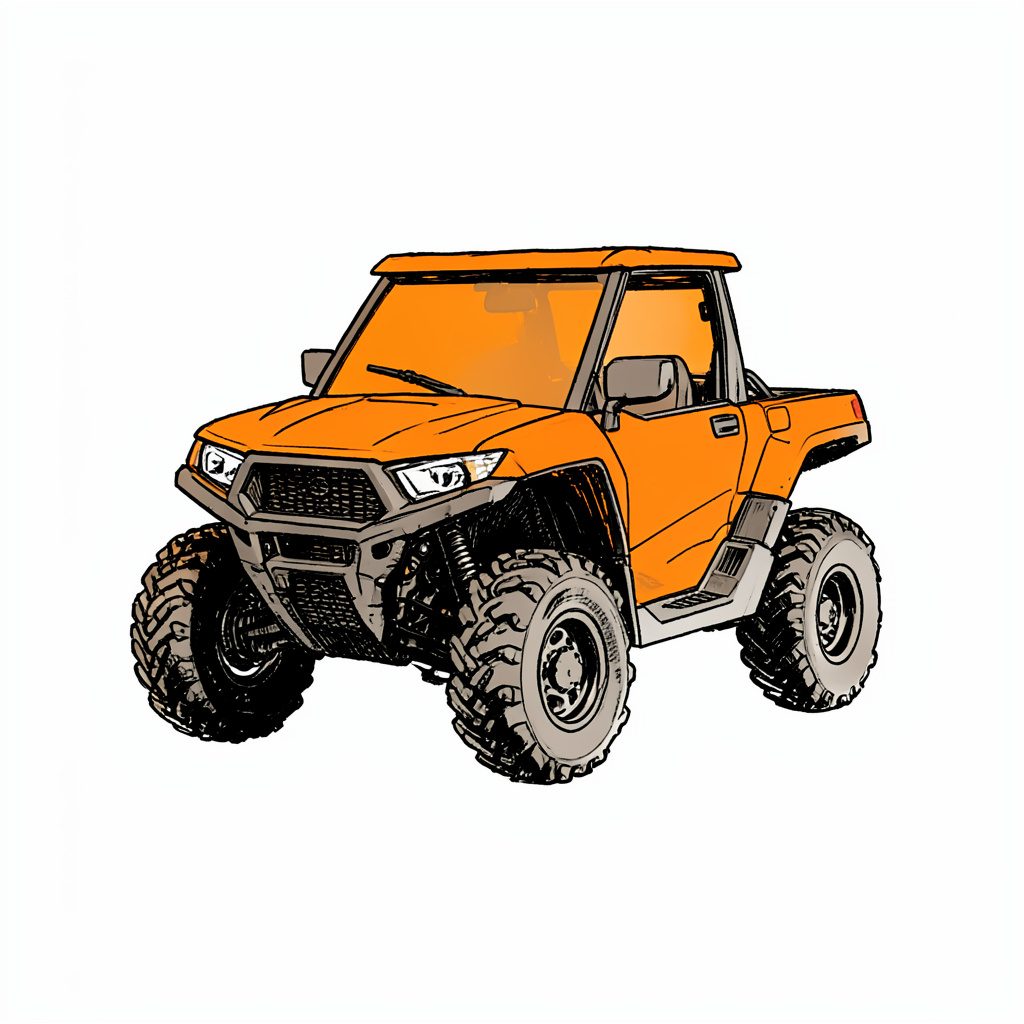
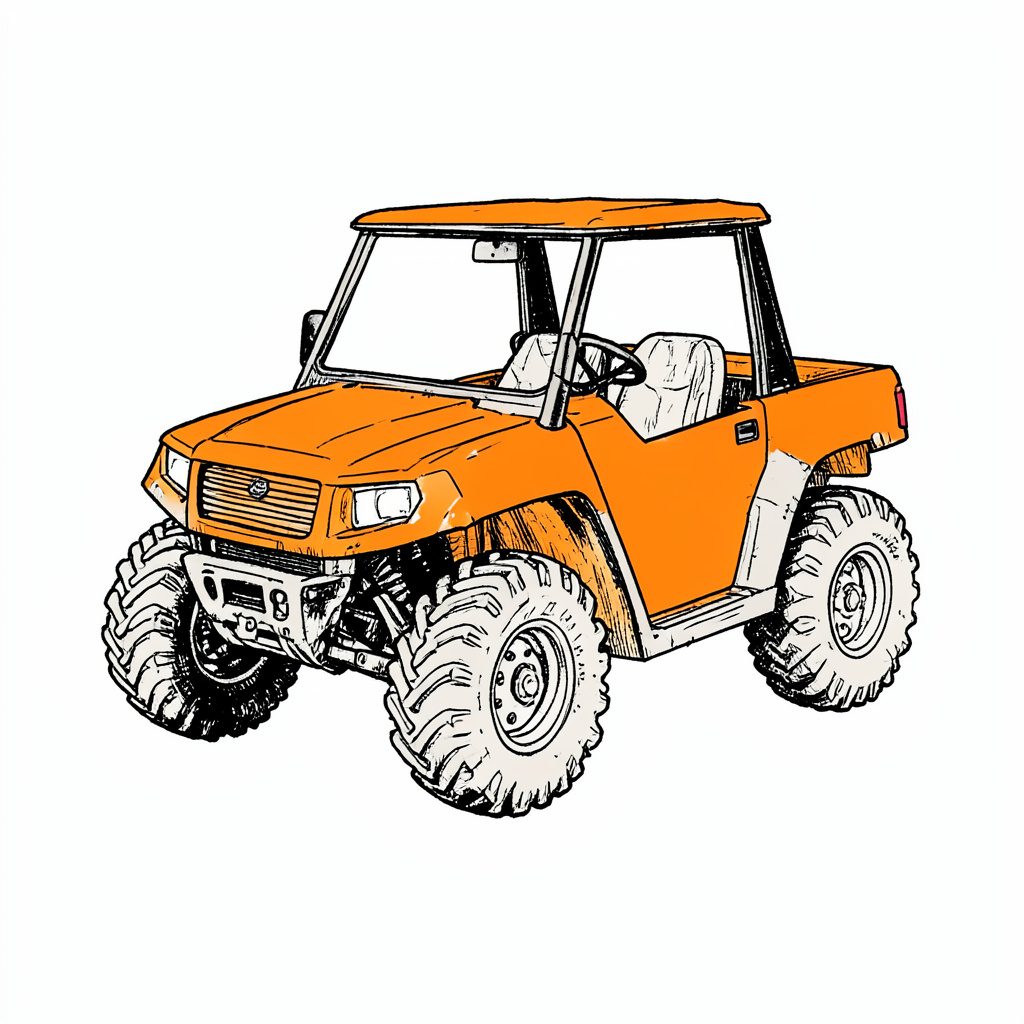
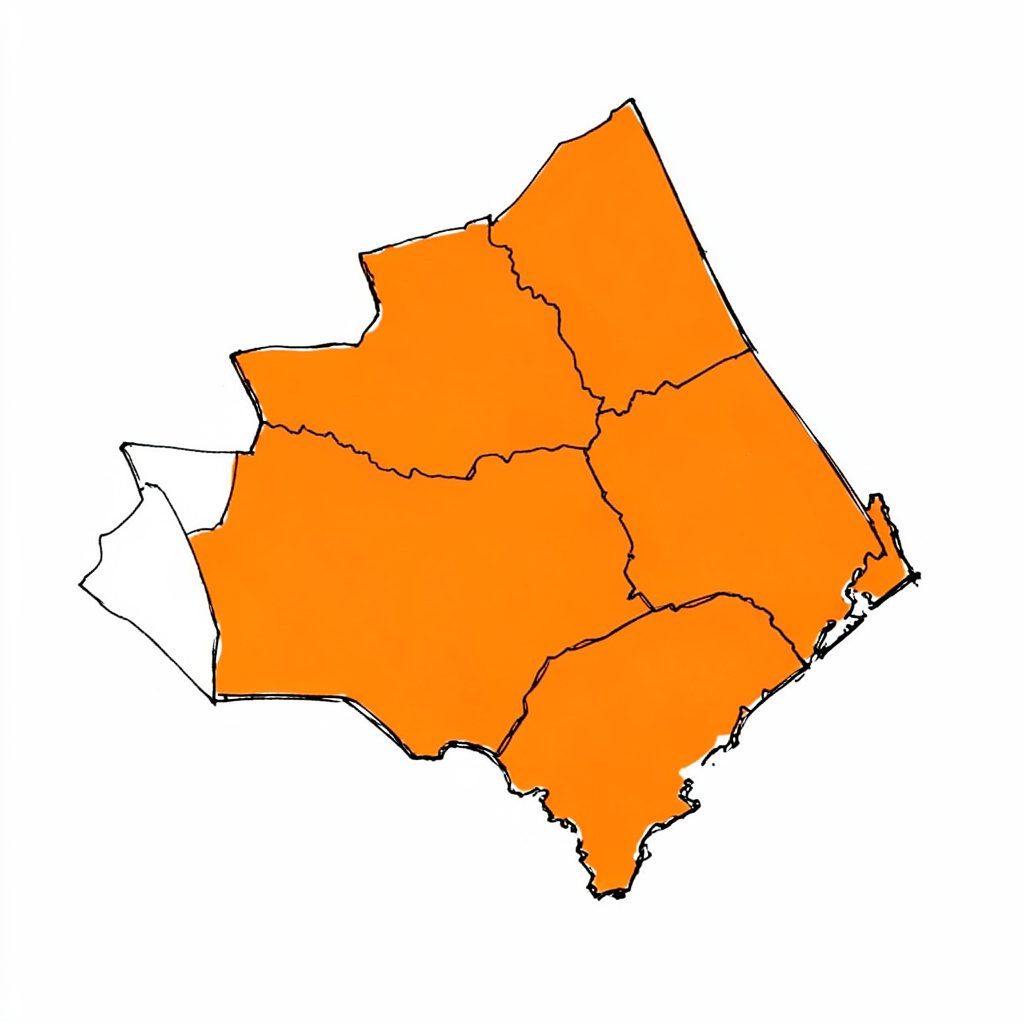
Tucked into pristine old Florida land in Flagler County, Florida Cracker Ranch is a family oriented outdoor adventure club where kids, parents and thrill seekers share the same trails, campsites and waterways.
Adventure Memberships available — families and singles welcome.
Reserve Your SpotWelcome to Florida Cracker Ranch
Often called Nature's Theme Park, our grounds invite families to ride ATV trails, splash through the swamp buggy area, pitch a tent, cast a line and explore old Florida hiking paths. Discover why members keep coming back season after season.
What You Can Do Here
ATV Trails
Marked routes for every skill level, including a peewee section.
Dirt Bikes
Dedicated dirt bike area built for two wheel adventure.
BMX & Mountain
Pedal powered BMX and mountain bike trails.
Swamp Buggy
Spacious swamp buggy area for big rig fans.
4x4 & Mud Trucks
Deep ruts and splash zones for 4x4s and mud trucks.
Skeet Range
Skeet shooting range in a controlled setting.
Camping
Membership campsites on a first come, first served basis.
Horse Trails
Scenic horse trails and riding paths.
An Old Florida Tradition
We honor the cracker way of life with old Florida outdoor living, traditional lodging, hiking and nature trails, plus fishing, swimming and beach access for members and their guests.
- Membership camping on a first come, first served basis
- Old Cracker Style Lodging cabins planned for overnight stays
- Old Florida hiking and nature trails
- Fishing, swimming and beach access
- Horse trails and riding


By the Numbers
The best coolers for a day trip in Florida heat
For a day trip under Florida heat, the right cooler is about heat management rather than simply choosing the largest box. A typical summer day can reach 32–35°C, while high humidity reduces the body’s ability to cool itself and causes ice to disappear quickly. A suitable cooler keeps food cold, drinks accessible and equipment dry while remaining easy to move between a rental car, picnic table and outdoor activity.
Australians already understand the basic challenge: the full esky, the bag of melting ice and the constant search for shade. Florida adds sudden thunderstorms, long stretches between attractions and rapidly heating parked vehicles. At an outdoor venue such as Florida Cracker Ranch, where a day might include riding, fishing, swimming and a picnic, an organised cooler is far more useful than one large container filled with ice and half-floating drinks.
Match the cooler to your trip
A rugged, insulated hard cooler in the 35–45 litre range is the strongest all-round choice for two to four people. Rotational moulding creates thick, even walls, while a close-fitting lid gasket and secure latches help keep cold air inside. This is similar to a quality Australian esky, although premium models generally offer stronger hardware and better handles for moving between vehicles and picnic tables.
- Best overall: A 35–45 litre hard-sided cooler with thick walls, a tight gasket and reliable tie-down points handles long hot days without becoming unwieldy.
- Best for families: A 50–70 litre wheeled model provides room for adults, children and bulky picnic food, while a small drinks cooler prevents frequent bottle openings from warming the main cooler.
- Best value: A well-made 30–40 litre budget cooler can perform well if it has recessed hardware, a decent seal and insulation thick enough to retain ice throughout the day.
- Best for a light trip: A 20–30 litre hard cooler or quality soft-sided model suits one person, a couple or active riders who want lunch without carrying a full-sized ice chest.
Capacity is only one consideration. Lift the cooler with a full load, check that its handles remain comfortable and confirm it will fit through the vehicle door. Six empty drinks can weigh more than several kilos of food, so an oversized cooler is not always convenient. Australian shoppers compare capacity in litres, while American listings often use quarts and US dollars; a 40-quart cooler is approximately 38 litres. Before setting out, checking the latest ranch updates can also provide weather expectations, operating conditions and last-minute venue information.
Keeping food cold in Florida heat
Useful cooling performance comes from insulation, a good seal and disciplined packing. A cooler loaded with warm food at midday will lose the battle quickly, even if it has excellent walls. Pre-chill the empty cooler in the coolest available space, pack food that is already cold, place frozen packs along the bottom and sides, and leave as little warm space as possible around them. A cooler used for drinks and opened all afternoon will need much more ice than one holding sealed meals.
- Insulation: Thick, continuous walls matter more than a thin box with decorative features or unnecessary compartments.
- Seal: Inspect the gasket for gaps, grit or a warped lid, because even a small leak can shorten ice life.
- Ice strategy: Frozen bottles or reusable blocks reduce meltwater and become useful cold drinks as they thaw.
- Shape and handles: A broad, stable base and balanced lift points are safer when the lid is wet or the ground is uneven.
- Shade cover: A fitted cover reflects sunlight and reduces warming, but should not conceal blocked latches or make the lid harder to open.
Food safety needs a thermometer rather than guesswork. Keep perishable food at 4°C or below, and use a sealed container above the meltwater so raw fish or meat cannot drip onto sandwiches and fruit. Perishables left above 4°C should be discarded after two hours, or one hour when the surrounding temperature is above 32°C. A small thermometer is inexpensive protection, particularly for a full day of riding and fishing when lunch may sit in a warm vehicle longer than expected.
Pack it the Australian road-trip way
Australian road-trip habits translate well to Florida. Buying a bag of ice at a servo, freezing drink bottles overnight and packing sandwiches in sealed tubs are standard practice in much of Australia. The same logic applies on a run from Brisbane to the Sunshine Coast, through the Gold Coast hinterland or north towards Darwin, where distances between supplies can be surprisingly large. Keep a reserve bag of ice or blocks in a shaded part of the vehicle so you can replenish the cooler without opening it repeatedly.
Plan the cold chain around the activities. On a day involving ATV or 4x4 trails, swimming or horse riding, keep the main cooler closed at base camp and carry only the food you need. A small lunch cooler on a picnic blanket keeps drinks handy without exposing everything to sand, grass and insects. Browsing Old Florida adventures can help match the outing with suitable breaks, whether the day centres on riding, fishing or the ranch’s wider outdoor experiences.
Campground habits differ by country, but the parallels are useful. Australian caravan parks often have powered sites, generator time limits and strict rules covering fires, while Florida parks may impose their own restrictions on coolers, glass and open flames. Check local guidance rather than assuming either rulebook applies. Keep the cooler off hot metal or a picnic table in full sun, secure it against wind and protect the lid from heavy rain. Flies and ants are familiar enemies to Australian picnickers, and Florida delivers the same problems with greater enthusiasm.
Handling the cooler away from base camp
At a busy recreation venue, the cooler often becomes a mobile locker. Use separate containers for food and personal items, keep raw meat in a leakproof bag, and avoid using the main cooler as a drinks station if you want the food to remain cold. A sturdy leash or clamp can stop it sliding on a picnic table, while a small rubbish bag catches drips and stray ice. If the lid is wet, wipe the seal before closing it because embedded grit is one of the fastest causes of a poor seal.
There will also be downtime between activities, especially when an afternoon storm arrives. Mobile entertainment can be useful during a long drive or quiet break, and a practical guide to ShowBox VPN setup explains how to configure the app with a VPN before relying on public Wi-Fi. Downloading permitted content at the hotel while the signal and power are reliable is usually wiser than depending on a weak connection at the venue.
Never leave the cooler in a closed, parked vehicle while everyone is inside an attraction or swimming. Florida vehicles heat up rapidly, and insulated coolers perform best when their surroundings are shaded and cool. Put the cooler beneath a tarp or beside a folding chair, use the vehicle’s air-conditioning while loading, and keep perishable items inside the insulated box rather than a hot luggage compartment. If the group is splitting up, take the small lunch cooler and leave the full-size cooler secured in the shade.
Ready for a cooler Florida day
For most visitors, a 35–45 litre hard-sided cooler with strong latches, a good gasket and balanced handles offers the best balance of capacity and portability. Choose a larger wheeled model for a sizeable family or a full day of provisions, and a smaller one for couples, light luggage or riders travelling light. Premium construction is worthwhile when it provides a measurable advantage, such as better seals, replaceable parts or easier cleaning, rather than simply displaying a famous badge on the front.
Remember a pre-chilled cooler, frozen blocks placed around the food, sealed lunch containers and a thermometer: those details protect food, reduce waste and make the rest of the Florida day far more comfortable.
Get in Touch
Send us a note about memberships, guest visits or directions. Phone 386-864-3856 or email floridacrackerranch@floridacrackerranch.com. Mailing address: P.O. Box 2993 Bunnell, Florida 32110.