
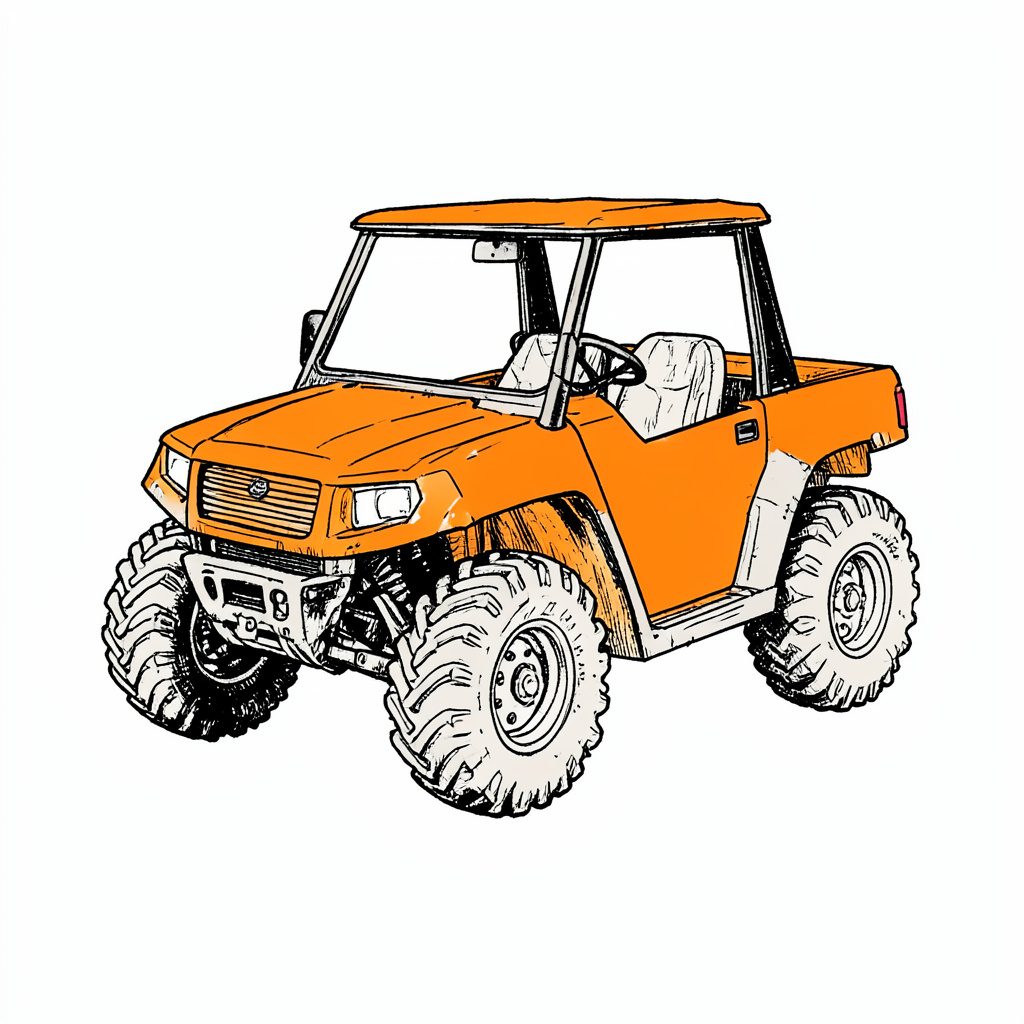
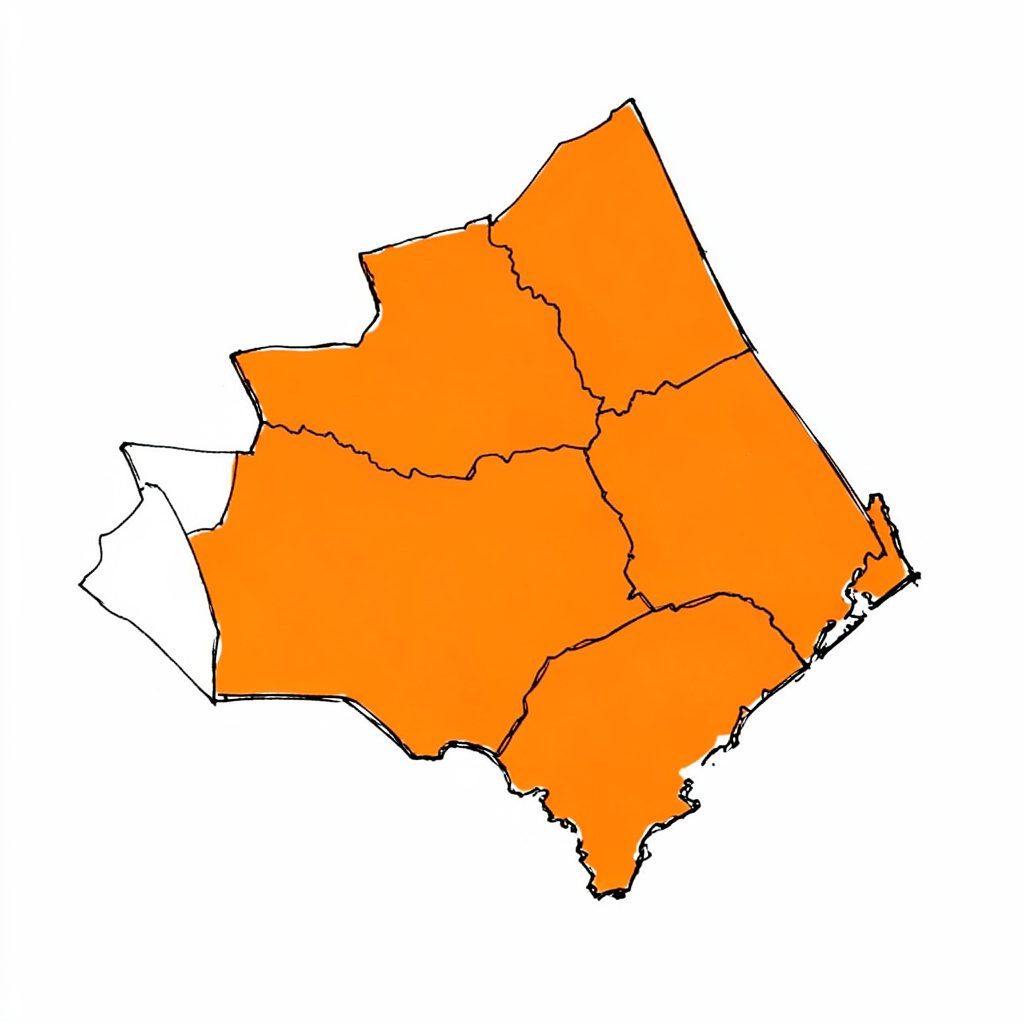
Tucked into pristine old Florida land in Flagler County, Florida Cracker Ranch is a family oriented outdoor adventure club where kids, parents and thrill seekers share the same trails, campsites and waterways.
Adventure Memberships available — families and singles welcome.
Reserve Your SpotWelcome to Florida Cracker Ranch
Often called Nature's Theme Park, our grounds invite families to ride ATV trails, splash through the swamp buggy area, pitch a tent, cast a line and explore old Florida hiking paths. Discover why members keep coming back season after season.
What You Can Do Here
ATV Trails
Marked routes for every skill level, including a peewee section.
Dirt Bikes
Dedicated dirt bike area built for two wheel adventure.
BMX & Mountain
Pedal powered BMX and mountain bike trails.
Swamp Buggy
Spacious swamp buggy area for big rig fans.
4x4 & Mud Trucks
Deep ruts and splash zones for 4x4s and mud trucks.
Skeet Range
Skeet shooting range in a controlled setting.
Camping
Membership campsites on a first come, first served basis.
Horse Trails
Scenic horse trails and riding paths.
An Old Florida Tradition
We honor the cracker way of life with old Florida outdoor living, traditional lodging, hiking and nature trails, plus fishing, swimming and beach access for members and their guests.
- Membership camping on a first come, first served basis
- Old Cracker Style Lodging cabins planned for overnight stays
- Old Florida hiking and nature trails
- Fishing, swimming and beach access
- Horse trails and riding



By the Numbers
Cobbler on the Coals: A Guide to Dutch Oven Desserts
There is something wonderfully old-fashioned about baking a fruit cobbler outdoors. A cast-iron Dutch oven sits among glowing coals, the lid gathers a neat ring of heat, and a simple mix of fruit, flour and sugar becomes a bubbling dessert with a golden crust. It is part camp cooking, part bushcraft and part shared family ritual.
For Australian campers, the method feels familiar even when the ingredients and setting are different. It belongs beside a fire at a Queensland campsite, after a day exploring the Grampians, or under the gums at a Victorian holiday park. In Florida, the same tradition fits naturally with warm evenings, pine woods and the wide-open character of Old Florida.
At Florida Cracker Ranch, outdoor food can become part of a full day of riding, hiking, fishing or camping. A Dutch oven cobbler is especially suited to a private adventure club because it feeds several people without demanding a polished kitchen or a strict timetable.
The secret is learning to manage heat rather than simply following a recipe. Once the coals are right, the fruit is prepared and the lid is handled with care, dessert becomes an enjoyable camp skill instead of a gamble. The result should be soft and jammy underneath, with a lightly crisp, tender topping.
Why Dutch Oven Cobbler Works Outdoors
A Dutch oven holds and distributes heat steadily, which makes it ideal for baking away from a conventional oven. The heavy lid allows heat to circulate around the pot, while charcoal or hardwood embers provide an even cooking environment. This is the same principle used for camp bread, bush pies and baked puddings.
The dish is also forgiving. Peaches, apples, berries, plums and nectarines can all work, including tinned fruit when fresh produce is impractical. For an Australian-style variation, try canned peaches with a little lemon zest, or combine apples with wattleseed sugar if it is available from a specialist supplier. In Florida, local citrus, blueberries and strawberries bring a bright regional touch.
Cobbler suits groups because it can be assembled before the main meal and baked while people settle around the fire. At a family campsite, children can help toss fruit with sugar, while adults manage the hot lid and coals. The dessert feels generous without requiring individual portions or elaborate equipment.
Building A Reliable Campfire Baking Setup
Start with a level, cleared cooking area well away from tents, dry grass and overhanging branches. Follow the site’s fire regulations, keep water nearby and use only approved firewood or charcoal. In hot, dry parts of Australia, total fire bans and local restrictions can change quickly, so check the relevant state or territory alerts before planning a campfire dessert.
A 4.5- to 6-quart cast-iron oven is a useful size for a family. It should have a flat base, a lipped lid and a sturdy handle. Long tongs, heatproof gloves, a lid lifter, a small shovel and a metal trivet make the process safer. Never place a hot lid directly on soil where grit can stick to it, or on a picnic table that may scorch.
Prepare a bed of mature coals rather than cooking over tall flames. Flames create fierce, uneven heat and can burn the topping before the fruit softens. When the fire has burned down to glowing embers, move enough coals beneath the oven to create a stable base, then place additional coals across the lid.
The weather matters. A windy afternoon near the coast can strip heat from the oven, while humid Florida conditions may slow the surface browning. A windbreak made from a safe position, a deeper coal bed and occasional rotation of the pot can help maintain even baking.
Ingredients And Heat Control That Make The Difference
For a basic cobbler, use about 1.5 kilograms of sliced fruit, 100 grams of caster sugar, two tablespoons of cornflour and a squeeze of lemon juice. The topping can be made from 250 grams of self-raising flour, 75 grams of cold butter, 60 grams of sugar and enough milk to form a soft dough. A pinch of salt and a little cinnamon give the mixture more depth.
Drain tinned fruit thoroughly, especially peaches or berries packed in syrup. Excess liquid can turn the base watery and prevent the topping from cooking properly. Fresh apples need thin slices so they soften within the baking time; firmer fruit can be briefly warmed in a pan before it goes into the Dutch oven.
For roughly 180 to 200 degrees Celsius, a common starting point is about eight coals beneath a 12-inch oven and 16 coals on the lid, though coal size, wind and oven design all affect the result. Think of this as a guide rather than a commandment. A properly heated oven should produce a gentle, steady bake rather than loud sizzling.
Turn the oven a quarter turn every 15 minutes, then rotate the lid in the opposite direction. This reduces hot spots and encourages an even crust. Resist repeated peeking, since every lift releases heat. Begin checking after about 35 minutes, looking for bubbling fruit and a firm, golden topping.
Campfire Cobbler Ingredients Worth Packing
A well-organised ingredient kit keeps outdoor baking simple. Measure dry ingredients at home and store them in labelled containers or resealable bags. Pack fruit in a leakproof tub, keep butter chilled in an insulated cooler and carry a small bottle of vanilla or maple syrup for finishing.
Useful combinations include:
- Apples, cinnamon, brown sugar and rolled oats
- Peaches, blueberries, lemon zest and vanilla
- Pears, ginger, macadamias and a little honey
- Plums, raspberries and almond meal
- Bananas, pineapple and toasted coconut
Australian campers can adapt the flavour profile to the season and region. Stone fruit is excellent during summer holidays, while apples and pears are dependable during cooler trips in Tasmania or the Victorian High Country. At a Florida campsite, citrus zest, pecans and native blueberries create a dessert that feels connected to the local landscape.
A small amount of rolled oats or almond meal adds texture to the topping, but avoid making it too dense. The dough should be rough and rustic, with visible pieces of butter. A few gaps are helpful because they allow steam from the fruit to escape and let the syrup bubble through the crust.
A Simple Method For Baking Beside The Fire
Grease the Dutch oven lightly, then spread the prepared fruit across the base. Sprinkle over the sugar and cornflour, adding lemon juice and a splash of water if the fruit is unusually dry. Leave the mixture for five minutes so the sugar begins drawing out the juices.
Rub cold butter into the flour, sugar and salt until the mixture resembles coarse breadcrumbs. Add milk gradually and stir just until a soft dough forms. Drop spoonfuls over the fruit rather than pressing the dough into a continuous sheet. This rustic approach helps the centre cook and gives the cobbler its characteristic uneven crust.
Set the oven over the lower coals and arrange the lid coals evenly. If the topping darkens too soon, remove a few coals from the lid and leave the bottom heat in place. If the fruit is bubbling but the dough remains pale, add a few lid coals or shift the oven into a more sheltered position.
When the topping is golden and a skewer comes out without wet dough, remove the oven from the coals. Let it stand for 10 to 15 minutes. The filling thickens as it cools, and the cast iron keeps it warm while everyone gathers plates and spoons.
Making Dessert Part Of The Ranch Experience
A cobbler can become the final course of a full outdoor day rather than a separate cooking project. After ATV tracks, BMX riding, horseback activities or a walk through natural areas, guests are usually ready for something warm and uncomplicated. The dessert provides a natural pause between active adventures and an evening around camp.
Families planning a visit can check the ranch’s upcoming events when choosing a date. A scheduled activity, camping stay or shared gathering can shape the menu, especially when several households are cooking together. Dutch oven recipes are easy to scale, and the same method works for savoury food earlier in the day.
Rain does not always cancel the social side of camp cooking, but it changes the setup. Before travelling, review practical advice for a rainy ranch day, then pack a covered cooking option if fires or coals will be unsuitable. In Australia, this same principle applies during sudden coastal showers, tropical downpours and alpine weather shifts.
For travellers who are combining a Florida stay with a wider international itinerary, checking airport travel details can help keep transport planning separate from the camp menu. Once at the ranch, the better approach is simple: keep ingredients cool, equipment compact and the dessert flexible enough to suit the group.
Serving The Cobbler Around The Fire
Serve the cobbler warm from the Dutch oven, with a long-handled spoon and sturdy bowls. Vanilla ice cream is the classic partner, though it needs a good cooler and should be served quickly in warm weather. Thick cream, Greek yoghurt or a drizzle of evaporated milk are easier alternatives for longer camping trips.
A few finishing touches can make the dessert feel special without creating extra work:
- Add toasted pecans or macadamias just before serving
- Spoon over cream mixed with maple syrup
- Scatter cinnamon sugar across the hot crust
- Pair berry cobbler with lemon yoghurt
- Serve apple cobbler with sharp cheddar on the side
Keep children away from the lid, oven handles and coal bed, even when the fire appears to be fading. Cast iron remains dangerously hot for a long time. Use separate utensils for raw ingredients and cooked food, and pack leftovers into a sealed container once the oven has cooled enough to handle safely.
For a quiet evening after the meal, some groups may bring music, cards or a downloaded film; family movie options can suit a sheltered campsite when the weather turns damp. The important part is preserving the relaxed rhythm: food comes off the coals, stories continue, and no one needs to hurry through dessert.
The art of cobbler on the coals is really the art of observation. Watch the embers, listen for the fruit bubbling, notice the colour of the crust and adjust gradually. Pack pre-measured ingredients, use mature coals, rotate the oven and allow the finished dessert to rest before serving—those few habits turn a cast-iron pot into a dependable camp bakery.
Get in Touch
Send us a note about memberships, guest visits or directions. Phone 386-864-3856 or email floridacrackerranch@floridacrackerranch.com. Mailing address: P.O. Box 2993 Bunnell, Florida 32110.