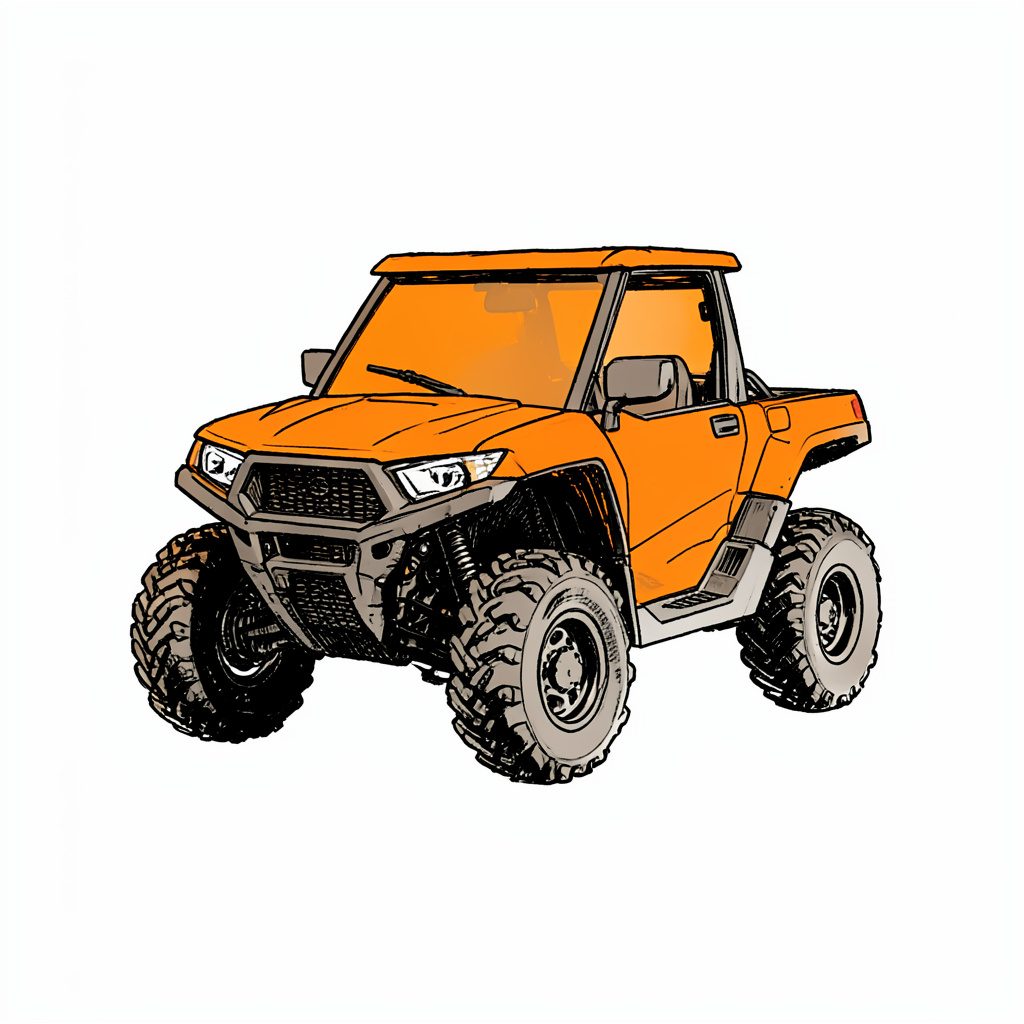
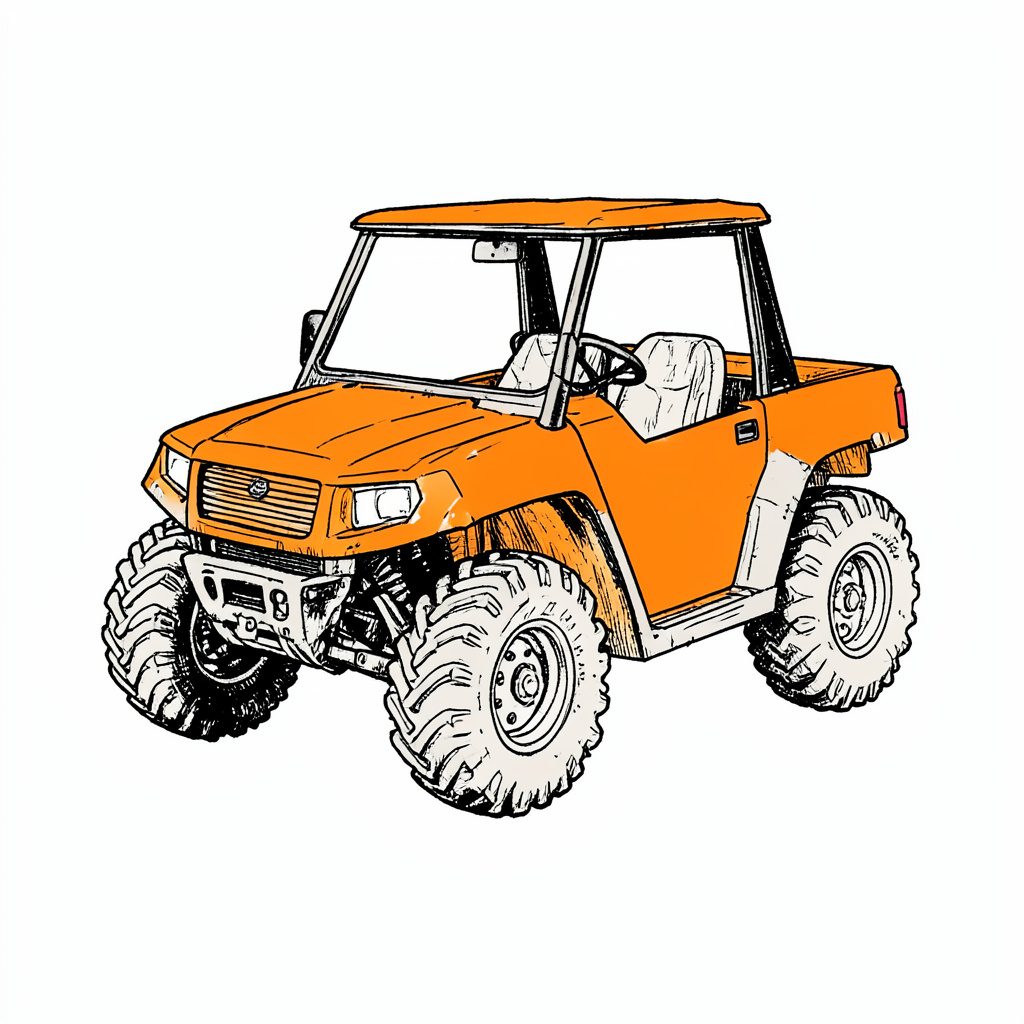
Tucked into pristine old Florida land in Flagler County, Florida Cracker Ranch is a family oriented outdoor adventure club where kids, parents and thrill seekers share the same trails, campsites and waterways.
Adventure Memberships available — families and singles welcome.
Reserve Your SpotWelcome to Florida Cracker Ranch
Often called Nature's Theme Park, our grounds invite families to ride ATV trails, splash through the swamp buggy area, pitch a tent, cast a line and explore old Florida hiking paths. Discover why members keep coming back season after season.
What You Can Do Here
ATV Trails
Marked routes for every skill level, including a peewee section.
Dirt Bikes
Dedicated dirt bike area built for two wheel adventure.
BMX & Mountain
Pedal powered BMX and mountain bike trails.
Swamp Buggy
Spacious swamp buggy area for big rig fans.
4x4 & Mud Trucks
Deep ruts and splash zones for 4x4s and mud trucks.
Skeet Range
Skeet shooting range in a controlled setting.
Camping
Membership campsites on a first come, first served basis.
Horse Trails
Scenic horse trails and riding paths.
An Old Florida Tradition
We honor the cracker way of life with old Florida outdoor living, traditional lodging, hiking and nature trails, plus fishing, swimming and beach access for members and their guests.
- Membership camping on a first come, first served basis
- Old Cracker Style Lodging cabins planned for overnight stays
- Old Florida hiking and nature trails
- Fishing, swimming and beach access
- Horse trails and riding

By the Numbers
Swamp buggy safety for kids and gear
A swamp buggy ride through Flagler County can look deceptively simple: the vehicle crawls along a watery track, children laugh from the open cabin, and the scenery feels more like a nature film than an off-road adventure. The reality is that mud, uneven ground, sudden braking and tight turns can turn loose equipment into a projectile. Swamp buggy safety therefore depends on fitting every child properly, controlling what travels with the family and listening closely to the operator’s briefing.
Australian families visiting from Sydney, Melbourne or Brisbane should also prepare for familiar camping concerns in unfamiliar surroundings. Distances marked in miles, traffic on the right and intense sunshine all require adjustment, while an Aussie chilled drinks box or camp chair needs secure storage rather than simply being placed beside the vehicle. For broader destination planning, an urban travel guide can help families compare bases and calculate realistic driving times before arriving in Florida.
Know what the ride involves
A swamp buggy is not a conventional family car, even when it carries passengers at modest speeds. Low ground clearance, open sides, exposed suspension and wet or uneven tracks create different hazards from driving on sealed roads. Seat belts may prevent some movement without providing the same restraint offered by a properly installed child seat in a passenger car.
Check the current activity details on the Florida Cracker Ranch website and speak with the operator before arrival. Ask about minimum ages, height limits, passenger capacity, available restraints and the type of vehicle used. Policies may vary between swamp buggies, ATVs, 4x4s and other ranch activities, so a child’s participation in one attraction does not guarantee acceptance on another.
Attend the full safety briefing and do not treat a quick demonstration as sufficient instruction. Find out how the vehicle handles deep water, what happens when a mechanical problem arises and where the emergency stop or communication device is located. Children should understand that an adult’s reassurance is less important than following the guide’s signals immediately.
Fit children and restraints correctly
Do not assume that a seat belt designed for an adult automatically fits a child. The lap portion should sit low across the hips and thighs rather than the stomach, while the shoulder section should not leave obvious slack. If the child cannot wear the belt correctly, cannot remain seated or is outside the operator’s stated limits, they should not ride.
Never carry a child on an adult’s lap, in a footwell, on an exterior cargo platform or in a makeshift sling. Do not improvise with a booster, stroller or child restraint unless the vehicle manufacturer and operator explicitly approve that installation. Where helmets are provided or required, make sure each one fits level, is secured under the chin and is the correct type for the activity; a loose bicycle helmet is not automatically suitable.
Keep the ride within the child’s attention span. Adults should secure their own belts before helping children, then check every buckle again after the vehicle has moved a short distance. Backpacks, camera straps, hoods and loose clothing can catch on controls or snag outside the cabin. Children should keep hands, feet and heads inside, remain seated and wait for the complete stop before leaving.
Secure passengers, gear and supplies
Lightweight, well-marked and waterproofed equipment is easier to manage than a collection of hard cases. Prepare the load before reaching the ranch rather than trying to contain everything beside the vehicle.
- Use waterproof dry bags or sealed plastic containers for clothing, electronics and paper items.
- Label each family member’s bag so gear can be returned quickly after the ride.
- Bring only what will fit safely; an extra chair or large cooler can unbalance the vehicle.
- Secure phones and keys in a closed compartment rather than a pocket that may empty during a bump.
- Leave valuable or fragile items at the accommodation or with a non-riding adult.
The ranch may provide cargo nets, tie-down points or other storage, but operators can still refuse unsafe items. Use rated straps and secure attachment points, not elastic bungee cords, which can loosen or snap. Keep weight low and distribute it evenly from side to side. A heavy bag behind a child may affect handling and become dangerous if it shifts.
Perform another check once everyone is seated and the engine is running. A tie-down that looked secure on the ground can move after the suspension settles.
- Confirm every passenger’s belt is fastened before the vehicle moves.
- Check that straps are tight without chafing and cannot work loose over rough terrain.
- Keep backpack shoulder straps, drawstrings and camera tethers tucked away.
- Ensure footwear is secure and sunglasses, hats and loose objects are retained or removed.
- Locate the first-aid kit, water, communication method and engine cut-off before departure.
Load children and passengers before placing equipment around them. This prevents adults from reaching across a moving cabin and ensures nobody is hidden behind luggage. Keep an emergency exit path and the driver’s view unobstructed.
Plan for Florida conditions and Australian habits
Australians are accustomed to driving on the left, while road traffic in Florida keeps to the right. On transfers from Orlando to Flagler County, follow the directions of local drivers rather than relying on Australian instincts. US signs also use miles, and the journey is roughly 160 kilometres by road, so allow more time than the straight-line distance shown on a map.
Heat and humidity can become serious even for visitors who enjoy Australia's outdoor climate. Apply broad-spectrum sunscreen, pack water and electrolytes, and use hats and lightweight sleeves. Choose insect repellent suitable for children, particularly around wetlands where mosquitoes are active. Keep phones and watches protected from water but accessible for emergencies.
Florida’s afternoon thunderstorms can produce heavy rain, poor visibility and rapidly rising water. Follow ranch closures and avoid attempting to cross a flooded section of trail. Hurricane-season weather may also change plans quickly, so check local alerts before setting out from an Orlando-area hotel or campsite.
Wildlife requires respect. Do not feed alligators, approach snakes or put hands into the water for photographs. The same “leave no trace” habits familiar to Australian campers apply: carry rubbish out, keep food sealed and check local rules for fires and restricted areas. A collapsible esky or camp chair is useful at the accommodation, but it should remain stowed unless the operator confirms where it can be placed.
Build a ride-day safety routine
A calm preparation period is more valuable than a frantic search for missing items at the staging area. Start with a short family meeting before leaving the accommodation. Review the route, the stop signal, seat-belt rules, hand position and what children should do if they feel frightened or unwell. Choose one adult to supervise the children and another to manage equipment where possible.
Pack a small, secure support kit containing water, sunscreen, insect repellent, a basic first-aid supply, medication and a charged phone. Check that the child’s name and emergency contact are available to the adult responsible for them. Avoid alcohol before or during the ride, and take motion-sickness medication only as directed by a healthcare professional and sufficiently early to be effective.
Allow time for the operator’s briefing rather than rushing it to fit another attraction into the day. If a rule is unclear, ask before the vehicle starts. A guide may know the track and vehicle better than any general safety checklist, and their instructions should take priority over assumptions made from another ranch or country.
Before the family leaves home, write each child’s name, measured height, emergency contact and assigned seat on a single-page ride checklist, then keep it with the admission details.
Get in Touch
Send us a note about memberships, guest visits or directions. Phone 386-864-3856 or email floridacrackerranch@floridacrackerranch.com. Mailing address: P.O. Box 2993 Bunnell, Florida 32110.