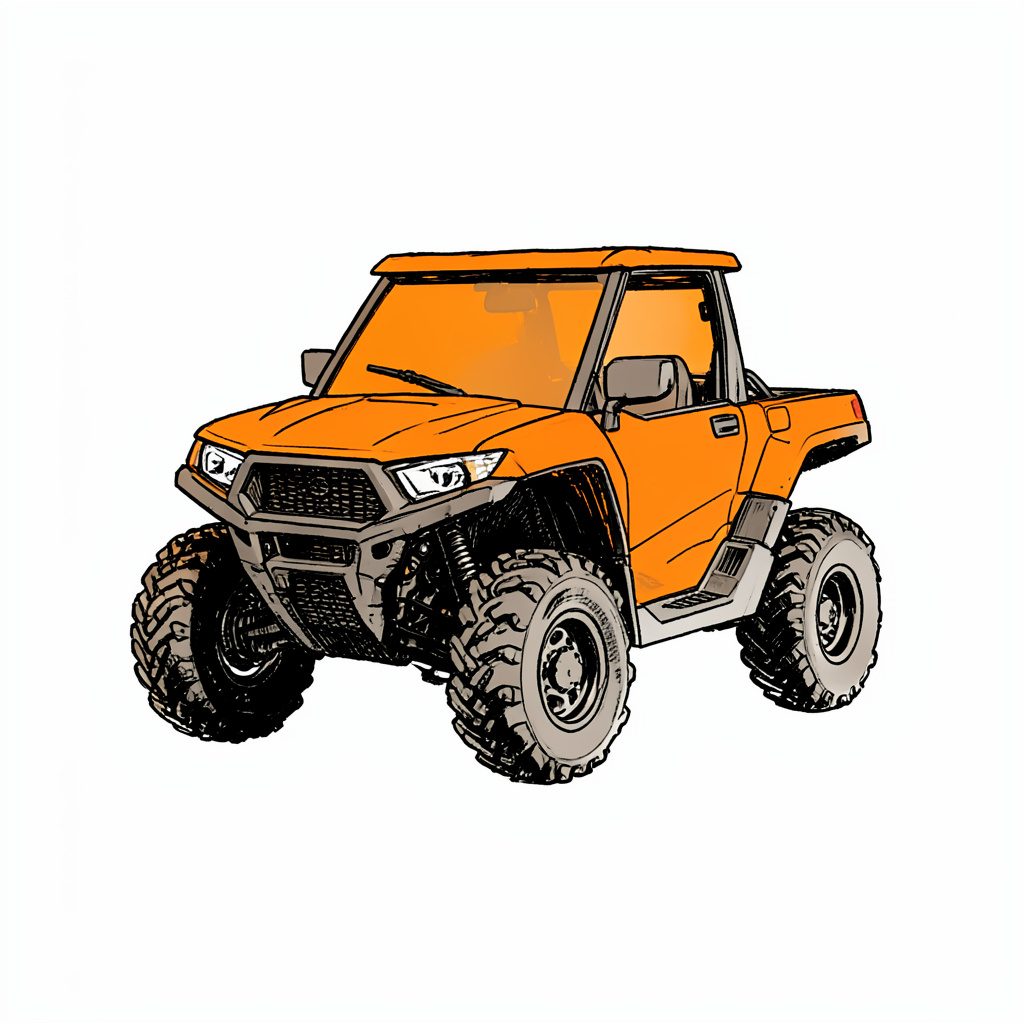
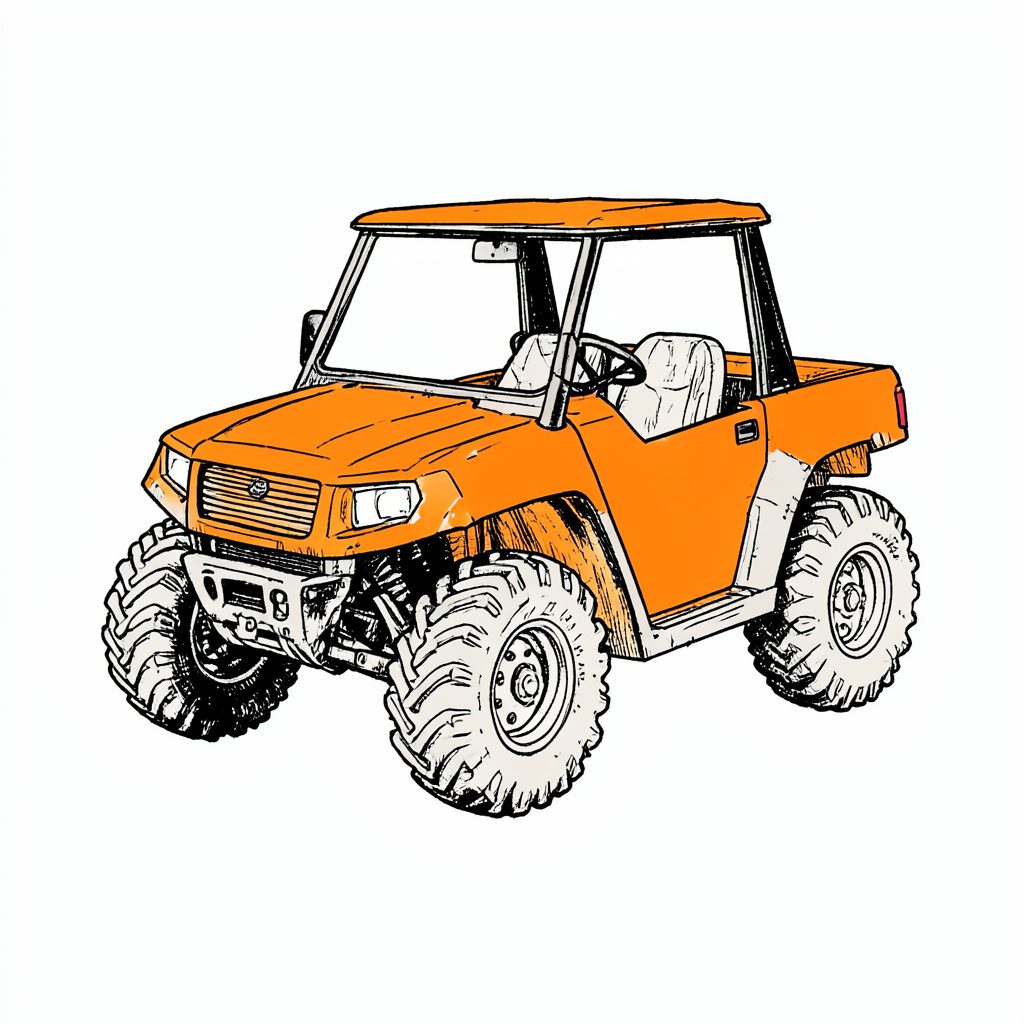
Tucked into pristine old Florida land in Flagler County, Florida Cracker Ranch is a family oriented outdoor adventure club where kids, parents and thrill seekers share the same trails, campsites and waterways.
Adventure Memberships available — families and singles welcome.
Reserve Your SpotWelcome to Florida Cracker Ranch
Often called Nature's Theme Park, our grounds invite families to ride ATV trails, splash through the swamp buggy area, pitch a tent, cast a line and explore old Florida hiking paths. Discover why members keep coming back season after season.
What You Can Do Here
ATV Trails
Marked routes for every skill level, including a peewee section.
Dirt Bikes
Dedicated dirt bike area built for two wheel adventure.
BMX & Mountain
Pedal powered BMX and mountain bike trails.
Swamp Buggy
Spacious swamp buggy area for big rig fans.
4x4 & Mud Trucks
Deep ruts and splash zones for 4x4s and mud trucks.
Skeet Range
Skeet shooting range in a controlled setting.
Camping
Membership campsites on a first come, first served basis.
Horse Trails
Scenic horse trails and riding paths.
An Old Florida Tradition
We honor the cracker way of life with old Florida outdoor living, traditional lodging, hiking and nature trails, plus fishing, swimming and beach access for members and their guests.
- Membership camping on a first come, first served basis
- Old Cracker Style Lodging cabins planned for overnight stays
- Old Florida hiking and nature trails
- Fishing, swimming and beach access
- Horse trails and riding
By the Numbers
Family Camping Recipes That Shine on the Griddle
A camp griddle turns simple ingredients into proper family food with very little fuss. It gives you a broad, hot cooking surface for pancakes, bacon, toasted sandwiches, burgers, vegetables and desserts, while everyone can gather around and eat as soon as each batch is ready. At a busy outdoor stay, that shared moment can be just as memorable as the meal itself.
For Australian families, griddle cooking feels familiar. It has the relaxed spirit of a weekend barbecue, the convenience of a one-pan dinner and the charm of cooking outdoors after a day in the bush. Whether you call it a frypan, hotplate or camp griddle, the method suits everything from a Queensland winter escape to a long family road trip during the school holidays.
Florida Cracker Ranch adds plenty of reasons to keep meals easy. Families may spend the morning on ATVs, horse trails or BMX tracks, then head back to camp hungry and ready for food. A sturdy griddle can handle hearty portions without filling the campsite with a pile of pots and pans.
The recipes below are designed for real camping: ingredients can be packed in an esky, preparation is straightforward, and servings are easy to scale. They work well for a family staying in traditional Old Florida surroundings, and they can be adjusted for milder tastes, vegetarian campers or children who prefer familiar flavours.
Why A Camp Griddle Earns Its Place
A griddle is especially useful when a group has different appetites. Eggs can cook beside mushrooms, sausages beside sliced tomatoes, and cheese toasties can be finished while the next batch of pancakes is already sizzling. The flat surface also makes it easier to cook several servings at once than a small camp saucepan.
Choose a model with sturdy legs, a stable base and a useful grease channel. Before leaving home, season a cast-iron plate or check that a coated surface is clean and undamaged. At camp, place it on level ground away from tent walls, dry grass and overhanging branches. Use long tongs and a heatproof mitt, and keep a bottle of water nearby for ordinary spills, while following the ranch’s fire and cooking rules.
A Breakfast Spread For Hungry Campers
Start with griddle pancakes made from a dry mix prepared at home. Combine flour, baking powder, a little sugar and powdered milk in a labelled container. At camp, add water and a dash of oil, then stir only until the mixture comes together. Cook small rounds so children can manage them easily, and serve with sliced banana, berries, yoghurt or maple syrup.
A savoury breakfast plate is just as simple. Cook bacon or thin sausages first, then use the rendered fat to brown halved mushrooms and cherry tomatoes. Move everything to a cooler side of the griddle and fry eggs in the open space. Australian families might add tomato relish, avocado or a slice of sourdough, while American-style hash browns bring a crisp finish that suits a big day outdoors.
Toasted Lunches Without The Sandwich Sog
For an easy lunch, make griddle toasties with sturdy bread, cheddar, ham and thinly sliced apple. Butter the outside, place the sandwiches on a medium-hot plate and weigh them down with a clean pan or spatula. The apple softens slightly and adds freshness without making the bread wet. A cheese, corn and mild salsa version is a good meat-free option.
Quesadillas are another reliable camp lunch. Fill tortillas with grated cheese, black beans, leftover chicken, capsicum and spring onion, then fold and toast until golden. Cut them into wedges and serve with sour cream or a tub of guacamole. Keep fillings modest, because an overstuffed tortilla is harder to turn and more likely to spill across the cooking surface.
After lunch, some families like a quiet indoor break from the sun or afternoon showers. A downloaded family film can keep younger campers settled while adults sort the next meal; family viewing options may be useful when internet access is limited. Keep entertainment separate from cooking, particularly around a hot griddle and busy children.
One-Plate Dinners For The Whole Crew
For dinner, try chicken fajita strips with sliced onion and capsicum. Marinate the chicken at home in lime juice, oil, smoked paprika, cumin and a little garlic, then transport it chilled in a sealed container. Cook the chicken first, followed by the vegetables, and serve with warm tortillas, grated cheese and lettuce. The same method works with tofu or thick slices of halloumi.
A griddle burger bar is perfect after an active day. Form beef patties at home and pack them between sheets of baking paper. Cook them thoroughly, then toast the buns on the hot plate. Put out bowls of pickles, sliced tomato, shredded lettuce, caramelised onion and sauce so each camper can build a meal to suit. For a lighter plate, griddle corn cobs, zucchini ribbons or broccolini beside the burgers.
The ranch’s range of outdoor activities makes flexible dinners worthwhile. After exploring ranch adventures, riders and hikers may want a substantial meal, while younger children might prefer a plain roll and fruit. Cooking components separately means nobody is waiting for a complicated dish when hunger arrives.
Sweet Treats With A Golden Finish
Cinnamon-banana boats can be cooked directly on the griddle. Slice bananas lengthways without cutting all the way through, tuck in a few squares of chocolate and a sprinkle of cinnamon, then wrap each one in foil. Place the parcels on a cooler part of the plate for several minutes until the banana is soft and the chocolate melts. Serve with yoghurt or crushed biscuits.
For a quick dessert, make flatbread fruit parcels. Fill a tortilla with sliced peaches, apple or pineapple, add a pinch of brown sugar and fold it into a neat square. Toast both sides in a little butter until crisp. Fresh Florida citrus would make a bright topping, while Australian campers could use tinned peaches or lemon zest when fresh fruit has been bruised during a long drive.
Damper-style griddle cakes are also worth trying. Mix self-raising flour with a little milk and oil, form small discs and cook them slowly so the centres are done before the outsides darken. They are delicious with honey, jam or roasted stone fruit, and they bring a distinctly Australian camp-kitchen feel to an American outdoor holiday.
Food Safety And Easy Camp Cleanup
Pack raw meat in leakproof containers at the bottom of the esky, separated from fruit, bread and ready-to-eat food. In Australia, a hot drive along the Bruce Highway or a long stop near the Murray can quickly raise the temperature inside a cooler, so use plenty of ice bricks and keep the lid closed. A small fridge thermometer is helpful for checking that chilled food remains properly cold.
Plan one clean utensil for raw meat and another for cooked food. Wipe the griddle while it is still warm, using a scraper and a small amount of water where the equipment allows it. Collect grease in a container rather than tipping it onto soil or down a campsite drain. Always follow local fire restrictions, particularly during dry periods when rules may change across Australian states and territories.
Before setting out, check ranch maps for camping areas, activity zones and facilities. Knowing where you can refill water, dispose of rubbish and wash equipment helps the cooking area stay organised. At Florida Cracker Ranch, that preparation also leaves more time for trails, fishing, swimming and family activities.
Packing Details That Make Meals Smoother
A little preparation at home makes camp cooking feel relaxed rather than rushed. Measure dry ingredients into labelled bags, slice vegetables in advance and freeze a few meal components so they help keep the esky cold. Use stackable containers and write cooking instructions on masking tape. For school-holiday travel, prepare enough food for one extra serving in case a delayed activity leaves everyone ravenous.
A simple kit can cover most griddle recipes:
- A stable camp griddle, fuel and a wind shield
- Long tongs, a wide spatula and a heatproof cooking mitt
- Oil in a leak-resistant bottle and a small scraper
- A separate raw-food board, knife and serving utensils
- Eski ice bricks, sealed containers and reusable wraps
- Paper towels, biodegradable detergent and rubbish bags
- Salt, pepper, smoked paprika, garlic powder and cinnamon
Families travelling from Australia should also think about baggage space and food rules when flying internationally. It is usually easier to buy bulky fresh items after arrival and bring only compact seasonings or familiar snacks. Before booking a stay, use the ranch contact team to confirm campsite facilities, cooking arrangements, membership details and what guests should bring.
Making Dinner Part Of The Adventure
Griddle cooking becomes more enjoyable when jobs are shared. One adult can manage the hot plate, older children can assemble tortillas or toppings, and younger campers can wash fruit or place napkins on the table. Give everyone a clear task, while keeping children away from handles, fuel lines and the hottest cooking zone.
A meal can also become a small travel ritual. Talk about the day’s ride, trail or wildlife sighting while pancakes cook, then save leftovers for the next morning’s breakfast burritos. Families who enjoy researching trips may browse practical destination guides; even a guide to casino bonus registration can sit alongside broader holiday planning when adults are comparing travel ideas, though it has no role in children’s activities or campsite cooking.
The best recipes are the ones that match the pace of the day. On a quiet morning, make pancakes and eggs from scratch. After a full schedule of riding or swimming, use pre-cooked chicken, tortillas and chopped vegetables for a fast dinner. Keeping the menu adaptable prevents food from becoming another chore.
Good camp meals depend less on elaborate ingredients than on sensible preparation. Pack chilled food carefully, keep the griddle stable, cook in batches and choose toppings that let each person make the meal their own. With those basics in place, breakfast, lunch and dinner can all become part of the outdoor memory: a hot plate glowing beside camp, tired families sharing food, and one practical griddle ready for the next meal.
Get in Touch
Send us a note about memberships, guest visits or directions. Phone 386-864-3856 or email floridacrackerranch@floridacrackerranch.com. Mailing address: P.O. Box 2993 Bunnell, Florida 32110.