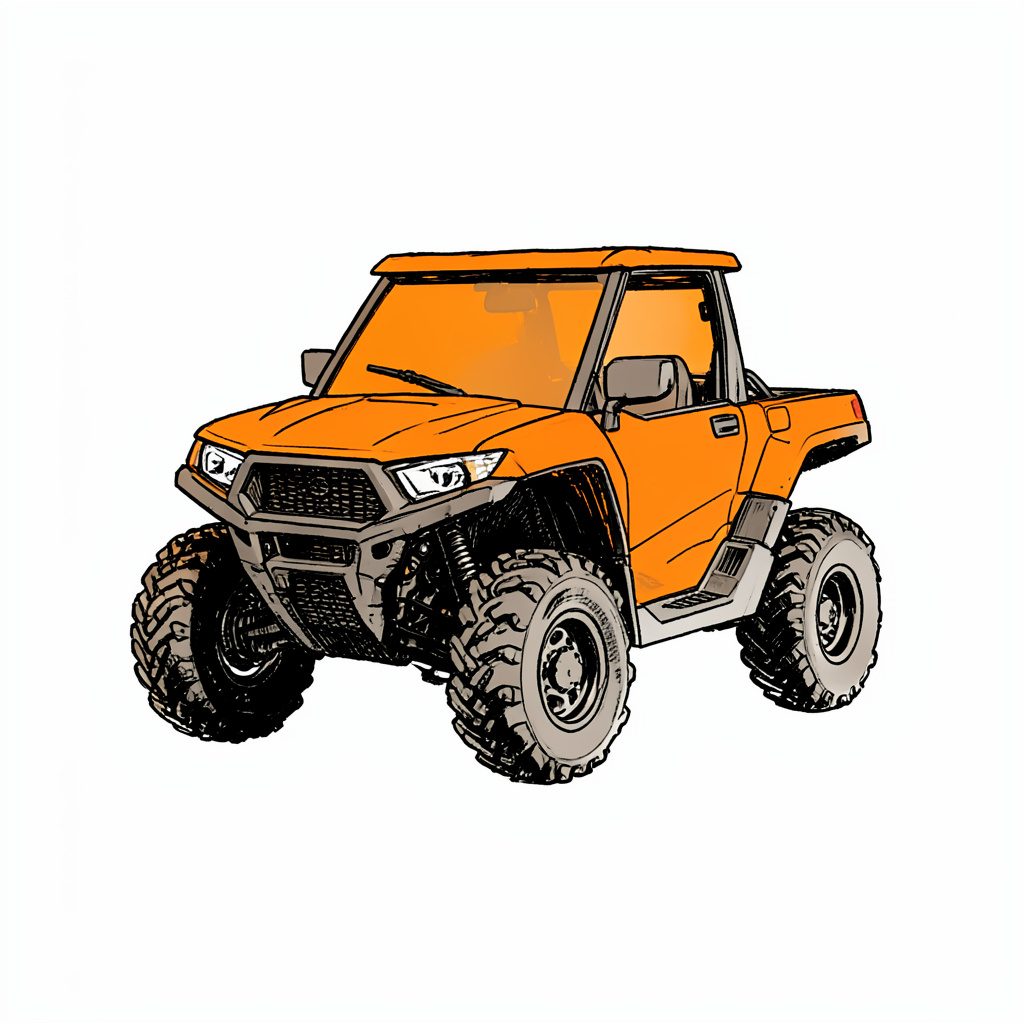
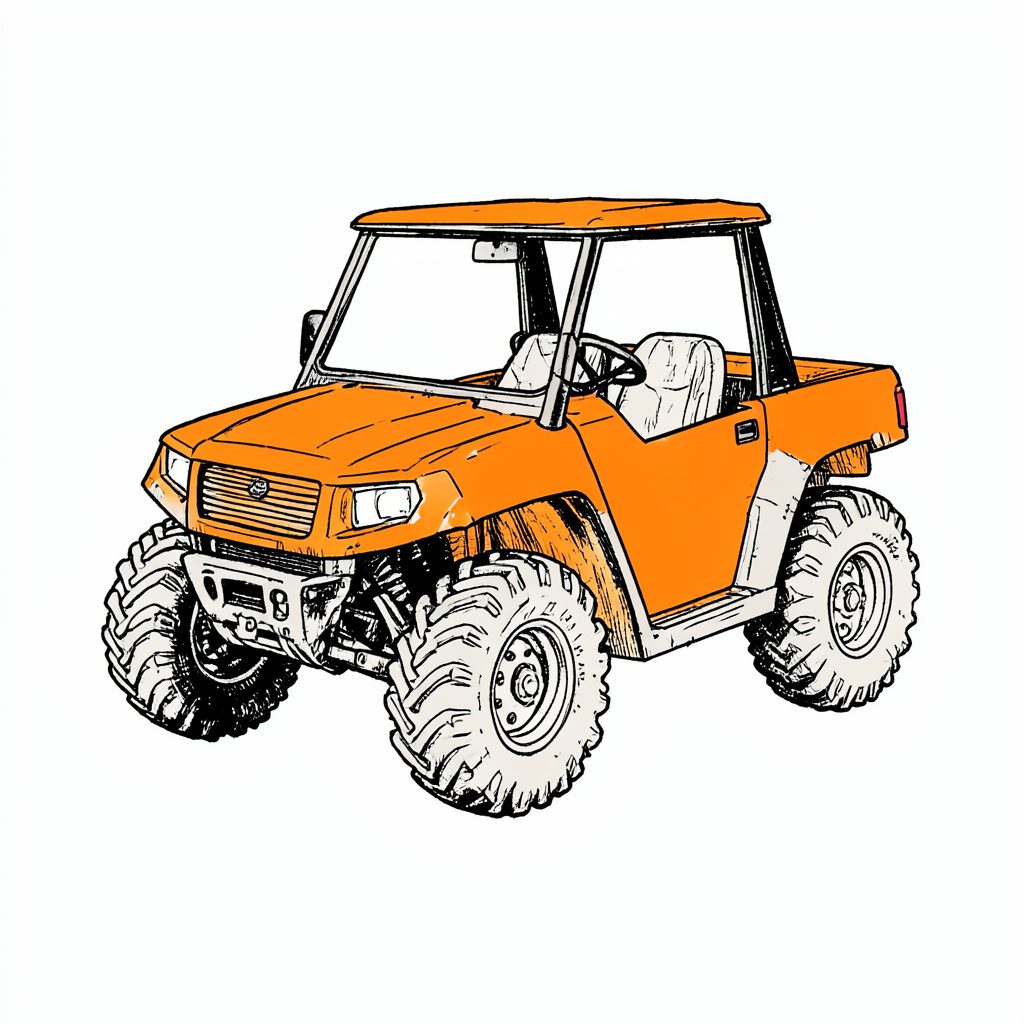
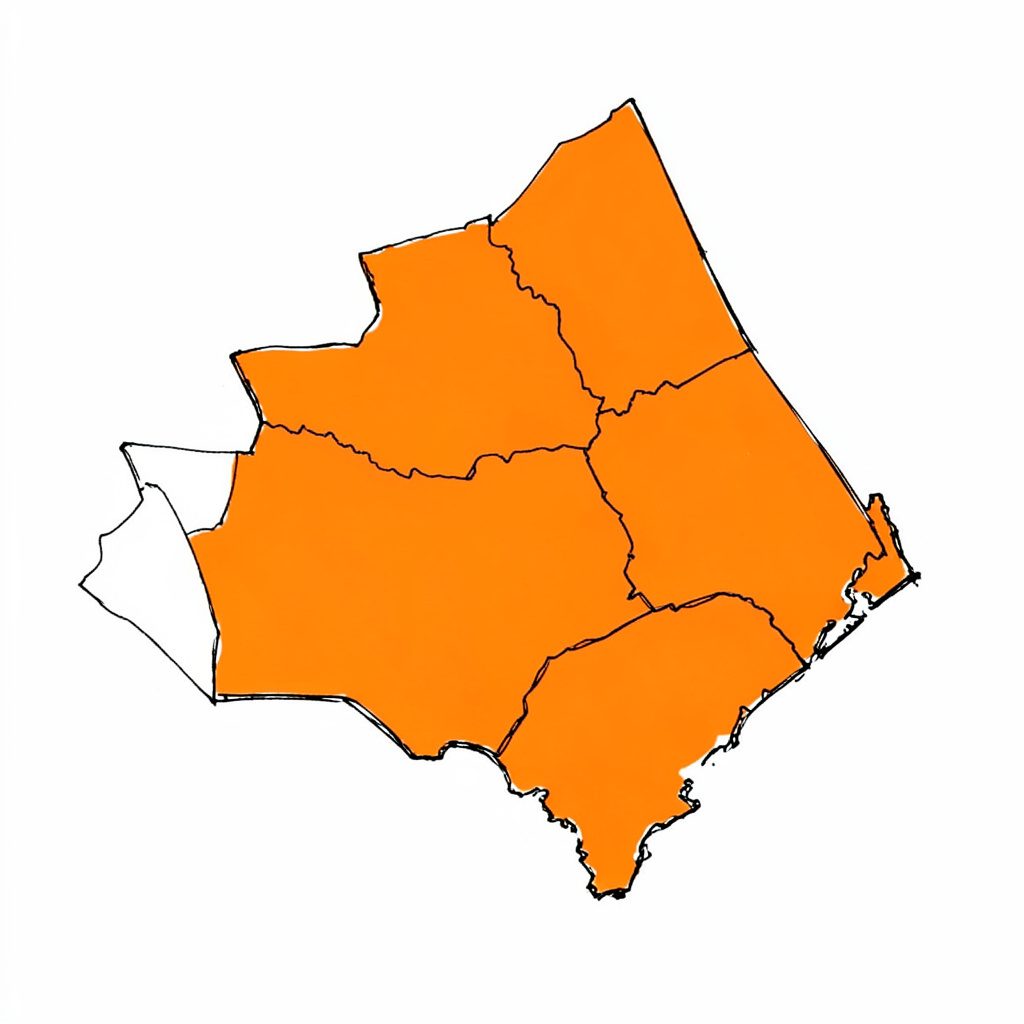
Tucked into pristine old Florida land in Flagler County, Florida Cracker Ranch is a family oriented outdoor adventure club where kids, parents and thrill seekers share the same trails, campsites and waterways.
Adventure Memberships available — families and singles welcome.
Reserve Your SpotWelcome to Florida Cracker Ranch
Often called Nature's Theme Park, our grounds invite families to ride ATV trails, splash through the swamp buggy area, pitch a tent, cast a line and explore old Florida hiking paths. Discover why members keep coming back season after season.
What You Can Do Here
ATV Trails
Marked routes for every skill level, including a peewee section.
Dirt Bikes
Dedicated dirt bike area built for two wheel adventure.
BMX & Mountain
Pedal powered BMX and mountain bike trails.
Swamp Buggy
Spacious swamp buggy area for big rig fans.
4x4 & Mud Trucks
Deep ruts and splash zones for 4x4s and mud trucks.
Skeet Range
Skeet shooting range in a controlled setting.
Camping
Membership campsites on a first come, first served basis.
Horse Trails
Scenic horse trails and riding paths.
An Old Florida Tradition
We honor the cracker way of life with old Florida outdoor living, traditional lodging, hiking and nature trails, plus fishing, swimming and beach access for members and their guests.
- Membership camping on a first come, first served basis
- Old Cracker Style Lodging cabins planned for overnight stays
- Old Florida hiking and nature trails
- Fishing, swimming and beach access
- Horse trails and riding


By the Numbers
Kayaking Florida Cracker Ranch Lake: Launch Points and Paddling Routes
Florida Cracker Ranch offers a quieter way to experience Flagler County than a day spent on engines, trails or shooting ranges. A paddle across the ranch lake brings you close to cypress edges, open water, birdlife and the changing light of Old Florida. For Australian visitors, it can also be a welcome reset after a long flight, a drive from Orlando or several busy days around the theme parks.
The lake is best approached as a nature-based adventure rather than a marked public waterway with formal launch infrastructure. Conditions, access areas and permitted activities can change, so check the current ranch information and speak with staff before carrying a kayak to the water. The ranch adventures page is a useful starting point for understanding how paddling fits alongside the club’s broader outdoor programme.
Reading The Lake Before Launch
The first task is to identify the most suitable water access point on the day. A broad, gently sloping bank is usually easier for launching than a steep edge, muddy margin or heavily vegetated shoreline. Look for firm ground, a clear path from the vehicle or campsite, and enough room to place the kayak parallel with the water before entering.
Avoid treating every attractive shoreline as an official launch. Private ranch land may include livestock areas, maintenance tracks, fishing spots and habitat zones that are not intended for general access. Staff can point out the current launch area and explain whether a trolley, vehicle transfer or walking approach is appropriate.
A calm, early start generally gives paddlers the clearest view and the lightest breeze. In the warmer months, an early-morning outing is more comfortable than a midday session, particularly for travellers used to the cooler conditions around Hobart, Melbourne or the Blue Mountains.
Choosing A Launch Point
A practical launch point should allow a stable transition from land to water. Place the kayak’s bow into shallow water, keep the stern supported, and enter while maintaining three points of contact. If the bank is soft, use a partner to steady the boat rather than forcing the hull through reeds or dragging it across exposed roots.
For families, the best access point will be close to a place where bags, paddles and personal flotation devices can be organised without blocking other visitors. Children should wait on shore until the kayak is stable. Sit-in kayaks need extra care during entry, while sit-on-top models are often simpler for beginners and easier to re-enter after a swim, where swimming is permitted.
Australian paddlers should also remember that Florida heat can feel more intense than the temperature suggests. Bring drinking water in a secured bottle, apply sunscreen before launching, and use a wide-brimmed hat or long-sleeved sun shirt. An esky left in the car is useful for the return, but loose coolers and unsecured gear should not travel in the kayak.
Routes For Short And Long Sessions
A shoreline circuit is the most adaptable route for a first outing. Follow the lake’s edge at a comfortable distance, keeping the bank on one side and avoiding narrow passages until you understand the water. This route makes it easy to turn back, pause for photographs or finish near the launch without committing to a long crossing.
A second option is an open-water out-and-back. Paddle across the widest visible section, pause in a clear area, then return along a slightly different line. Open water can expose you to wind, so this route is better when conditions are settled and the group agrees on a turnaround point before leaving shore.
For experienced paddlers, a longer exploration can combine the perimeter with a central crossing and a quiet observation stop. Do not push into dense vegetation or dead-end channels simply to extend the trip. A route that looks short on a map can take much longer when headwinds, shallow water or wildlife make progress slow.
Sunset photography can be tempting, especially when the lake reflects orange and pink light. Ideas from surf photography at sunset can translate well to reflections and silhouettes, but keep the camera secured and return before visibility drops unless the ranch has approved evening paddling.
Wildlife Weather And Water Safety
The lake’s appeal comes from its living shoreline. Expect changing bird activity, insects, fish movement and the occasional glimpse of animals near the water. Give wildlife plenty of space, avoid sudden approaches, and keep food sealed. A quiet paddle is more rewarding than chasing a photograph.
Florida weather can shift quickly. Afternoon thunderstorms are a particular concern during the wet season, and distant thunder is a reason to head back rather than wait for the storm to arrive. Wind direction also matters: a gentle breeze at the launch can become tiring on the return journey if you cross the lake first.
Every paddler should wear a properly fitted personal flotation device, even in calm water. A whistle, small first-aid kit, phone in a waterproof case and a basic paddle leash can add useful backup. Do not rely on mobile coverage, GPS or a phone battery as the only safety plan.
Equipment And Paddling Technique
A recreational sit-on-top kayak is suitable for many casual visitors, while touring kayaks offer better tracking for longer distances. The choice should reflect the paddler’s experience, body size and comfort with self-rescue. If equipment is hired or supplied through the ranch, ask about the correct seating position and how to adjust the footrests.
Use a relaxed forward stroke: rotate the torso, place the blade near the feet, and finish around the hip rather than pulling far behind the body. Short, even strokes are more efficient than frantic paddling. Beginners should practise stopping, turning and reversing close to the bank before venturing across open water.
Keep weight low and centred. Heavy bags placed at one end can make the kayak difficult to control, while loose items can disappear quickly if the boat tips. A dry bag clipped inside the cockpit area is safer than a backpack worn on the shoulders.
Useful Items To Pack
- Properly fitted personal flotation devices for every paddler
- Refillable water bottles and electrolyte tablets
- Sun protection, including hats, sunscreen and spare shirts
- Waterproof phone pouch, whistle and compact first-aid kit
- Dry bag for keys, wallets and prescription medicines
Planning A Family-Friendly Lake Day
Kayaking works well as part of a broader ranch visit. Younger children may prefer a short paddle followed by swimming, a walk or time around the campsite, while older teenagers can combine the lake with cycling, BMX or off-road activities. Build in breaks rather than trying to fill every hour with organised action.
Families travelling from Australia should plan around school holiday demand and the long distances between attractions. A Flagler County stay can suit visitors who want a slower base between St Augustine, Daytona Beach and Orlando. Booking early is sensible during December-January, Easter and the June-July school holiday period, when Australian families often plan larger United States trips.
Simple Ways To Organise The Day
- Launch early, before heat and wind usually increase
- Set a turnaround time before anyone leaves the bank
- Keep one adult focused on children near the water
- Pair paddling with a land-based activity and a shaded rest
- Check the forecast again before an afternoon session
Guests should also clarify what membership or day-access arrangements cover. Florida Cracker Ranch operates as a private outdoor adventure club, so access rules may differ from those at a public state park. Ask about guest privileges, equipment availability, swimming areas and whether a current waiver is required.
Combining Paddling With An Old Florida Stay
A lake outing can be the gentlest part of a multi-day ranch experience. After paddling, visitors can explore hiking tracks, fishing areas, horse-riding options or the property’s more energetic motorised activities. The mix suits groups where one person wants a peaceful nature session while another is keen on ATVs, 4x4 routes or dirt bikes.
The ranch’s Old Florida adventures are especially relevant for travellers looking beyond standard resort accommodation. Traditional lodging and camping can make the lake feel like part of a wider outdoor holiday rather than a brief add-on. Allow wet gear to dry properly and keep footwear separate from sleeping areas.
Australian guests should budget in United States dollars and check card foreign-exchange fees before arrival. A general debit card withdrawal guide illustrates why overseas visitors should understand bank charges, exchange rates and transaction limits, although it is separate from ranch activity bookings. Carrying a small amount of backup cash can still be useful in rural areas.
The most enjoyable route is usually the one that matches the group’s energy, weather window and paddling confidence. Confirm the authorised launch point with ranch staff, wear a flotation device, keep the first circuit close to shore, and set out early with water, sun protection and secured gear.
Get in Touch
Send us a note about memberships, guest visits or directions. Phone 386-864-3856 or email floridacrackerranch@floridacrackerranch.com. Mailing address: P.O. Box 2993 Bunnell, Florida 32110.