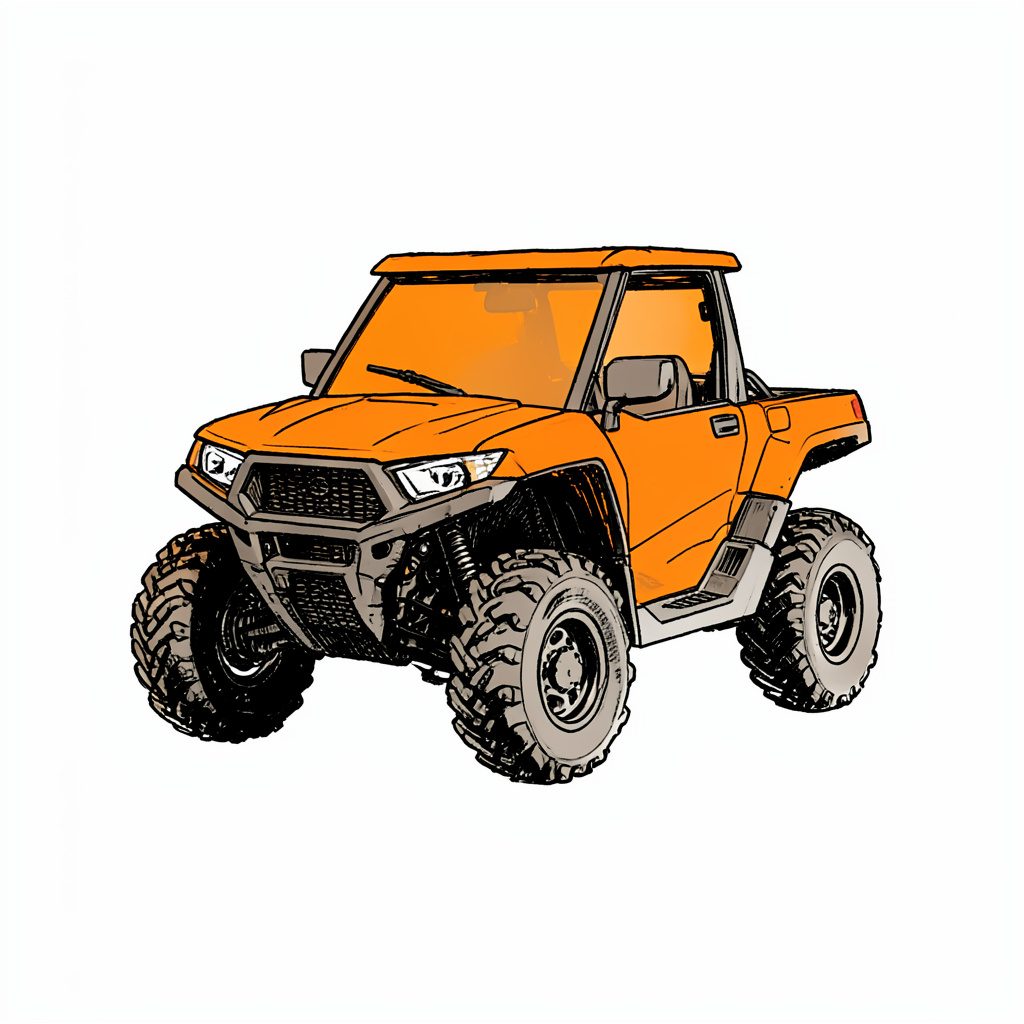
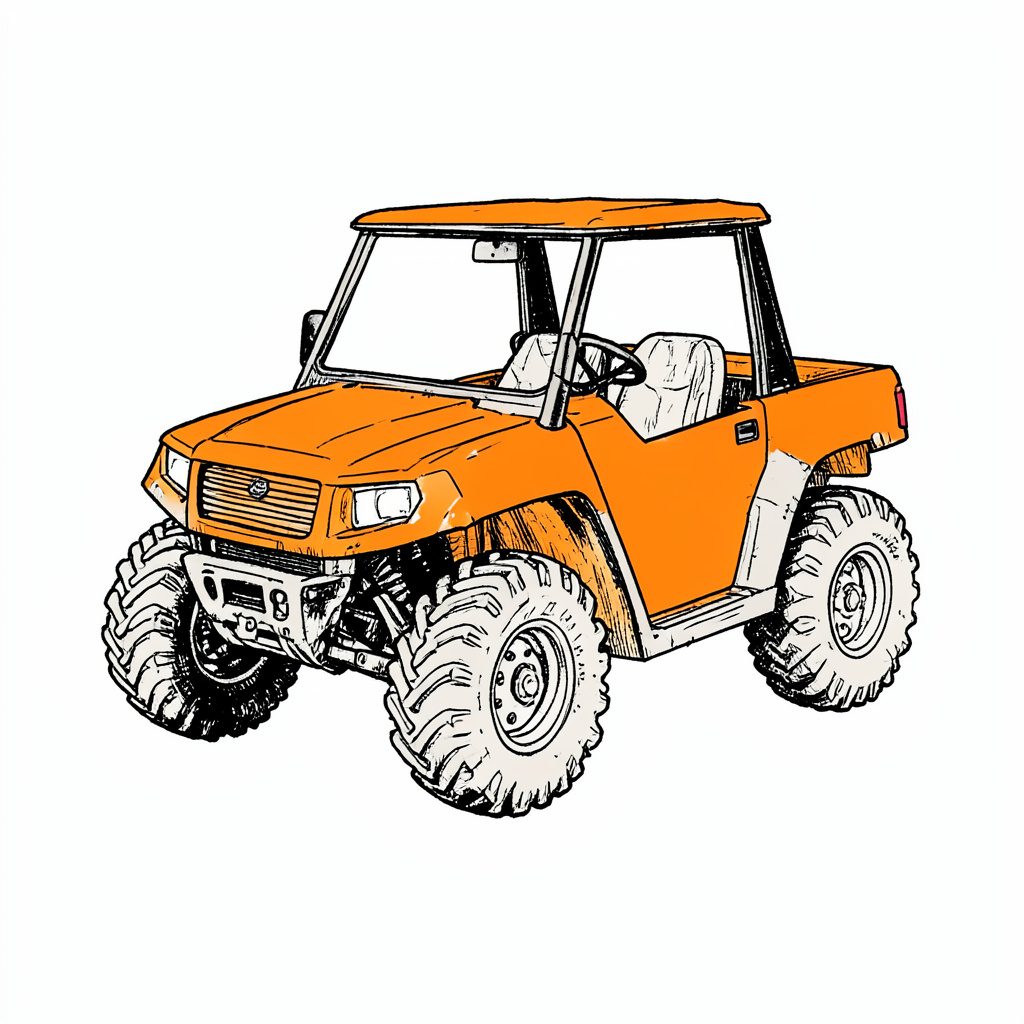
Tucked into pristine old Florida land in Flagler County, Florida Cracker Ranch is a family oriented outdoor adventure club where kids, parents and thrill seekers share the same trails, campsites and waterways.
Adventure Memberships available — families and singles welcome.
Reserve Your SpotWelcome to Florida Cracker Ranch
Often called Nature's Theme Park, our grounds invite families to ride ATV trails, splash through the swamp buggy area, pitch a tent, cast a line and explore old Florida hiking paths. Discover why members keep coming back season after season.
What You Can Do Here
ATV Trails
Marked routes for every skill level, including a peewee section.
Dirt Bikes
Dedicated dirt bike area built for two wheel adventure.
BMX & Mountain
Pedal powered BMX and mountain bike trails.
Swamp Buggy
Spacious swamp buggy area for big rig fans.
4x4 & Mud Trucks
Deep ruts and splash zones for 4x4s and mud trucks.
Skeet Range
Skeet shooting range in a controlled setting.
Camping
Membership campsites on a first come, first served basis.
Horse Trails
Scenic horse trails and riding paths.
An Old Florida Tradition
We honor the cracker way of life with old Florida outdoor living, traditional lodging, hiking and nature trails, plus fishing, swimming and beach access for members and their guests.
- Membership camping on a first come, first served basis
- Old Cracker Style Lodging cabins planned for overnight stays
- Old Florida hiking and nature trails
- Fishing, swimming and beach access
- Horse trails and riding
By the Numbers
How to pack a fishing rod for a hike to a remote pond
A fishing rod becomes awkward the moment it leaves a car: long sections catch on branches, reels snag vegetation, and wet line tangles around handles. The safest approach is to treat it as a group of small, protected pieces, each with a place in the pack.
A good packing system keeps the tackle organised without turning the hike into a move. It also protects delicate rod guides, reel seats and line from mud, rain and compression. The rod travels empty, while the terminal tackle comes out only when the angler reaches the bank.
For Australian walkers, the practical test is simple: can the kit be carried comfortably on a warm, uneven path without obstructing balance? A full day near a pond may involve more walking than expected, and a compact load is usually easier to manage than one assembled in advance.
Match the rod to the route
Walk the route before choosing what to carry. Distances on a park map often look shorter than they are once gullies, gates and wet ground are included. At Florida Cracker Ranch, the property trail map can help identify fishing access, walking tracks and suitable stopping points before the route is chosen.
A two-piece rod offers a sensible compromise for many hikes because it fits across a backpack while remaining stronger than a frequently collapsed travel model. A one-piece outfit may feel better in use but can be difficult to carry on side trails. Telescopic rods suit short approaches, yet their joints and exposed tip need careful protection.
Choose the lightest setup that can cast to likely fish and retrieve a normal line. If the pond is small and sheltered, a 2.1–2.4 metre spin rod is often enough; a heavier baitcaster becomes useful when wind, branches or a long cast are likely. Match the reel to the rod rather than carrying a larger model for convenience.
Break the setup down without damage
At the car, release line tension and loosen the drag before removing the spool. Some reels detach cleanly; others are secured by a bail arm or screw, so consult the reel instructions rather than forcing the housing. A small soft cloth removes grit and salt, while a plastic bag keeps a damp reel separate from the rest of the gear.
Separate the rod into its designed sections and compare each joint before packing. Slide a section over the tip of the one beneath it, with the guides facing outward, so the upper section does not press directly against a ferrule. Protect the tip with a rigid tube or rod sleeve, and secure loose pieces with reusable ties.
The rest of the route deserves the same care as the tackle. On shared land, stay on the marked path and pack out line, wrappers and bait scraps. Florida Cracker Ranch members can read about maintaining shared trail access for practical examples of how volunteers help keep busy routes open.
Pack by function, not habit
A short checklist prevents the commonest errors: an oversized rod case, a reel packed under heavy food, and terminal tackle scattered through side pockets. Organise by function so every item can be found without unpacking the entire day.
Rod, reel and terminal tackle
- A multi-piece rod in a padded sleeve, with a rigid tip protector
- A compact reel placed in a separate soft pouch
- Suitable line, spare line and a line clip or small tool
- Hooks, swivels, sinkers, floats and lures kept in labelled boxes
Clothing, water and safety gear
- A drinkable-water allowance adjusted for heat and walking time
- A light rain shell, hat and insect protection suited to the forecast
- Offline maps, a charged phone and a power bank where coverage is weak
- Compact food, a small first-aid kit and essential personal medication
Attach the reel pouch and tackle boxes to the outside only when they can be reached without disturbing the rod. Keep the reel above food and damp items, with heavier objects close to the centre of the backpack. A dry bag for electronics and clothing leaves the soft tackle pouch free to absorb an unexpected splash.
Carry water and weather protection
Australian summer heat can make a modest route demanding, especially near still water where humidity feels heavier. Carry enough drinkable water for the planned walk and a margin for delays; a 2–3 litre allowance is common for many day hikes, but distance, temperature, fitness and access to refill points should guide the amount.
The local tackle market gives anglers access to Australian-made rods, reliable spinning reels and lures suited to warm water. Before buying a last-minute lure, ask a local tackle shop what fish are being caught and which patterns are working. Live prawn or shrimp may be productive, but bait rules differ, and any imported or live bait must meet local restrictions.
Use waterproof liners or dry bags for clothing, documents and electronics, but do not seal a wet rod for hours. At a splashy site, keep the reel in its pouch and the spare clothing in a separate bag. Check the forecast for rain, wind and thunderstorms, and postpone the walk if lightning or a storm warning makes the area unsafe.
Build an Australian access plan
Access can change sharply between a suburban park and regional bush. Around Melbourne, Sydney and Brisbane, a short green trail may still end at a locked gate or a steep descent to a farm dam. Check council or land-manager notices, parking limits, closures and whether the final approach is suitable for an ordinary vehicle or needs a high-clearance ute or four-wheel drive.
A common Australian weekend setup is a ute with a canopy, an esky, boots and a roof rack, but the same principles apply to a hatchback or caravan. Keep the rod inside the passenger compartment rather than loose under a tailgate, where vibration and road debris can damage the blank. Plan a safe place to leave spare tackle in the vehicle, out of sight and away from heat.
Navigation and communication deserve equal attention. Download the area offline, note the nearest road access, and test the mobile signal before leaving reliable coverage. A satellite messenger or personal locator beacon is sensible where reception fails. For a wet-weather delay, keep entertainment secondary: a Nepali film guide can provide a camp-night option, but navigation, water and warm layers remain the priorities.
Follow local rules and travel safely
Freshwater fishing in Australia is regulated by state or territory rules. A Victorian recreational licence does not cover NSW, and Queensland has its own licence structure. Before leaving home, check the official service for the area, including bag and size limits, protected species, legal bait, closed waters, gear restrictions and any permit required by the land manager.
A responsible plan also accounts for wildlife and emergencies. Do not wade unfamiliar water without local advice, since submerged branches, stingrays and crocodiles are concerns in some regions. Carry a first-aid kit, tell someone the route and return time, and check fire bans and extreme-weather alerts. In an emergency, call 000; in remote areas, a satellite device may be the only way to contact help.
Campsite or equipment reservations may require a deposit, so read cancellation and refund terms before paying. The same caution applies to unfamiliar overseas entertainment sites: check fees, licensing, withdrawal conditions and card protections before relying on European deposit guidance for a roulette deposit. Payment convenience never replaces checking who holds the account and how a dispute would be handled.
Reassemble with a calm first cast
At the bank, choose a clear patch away from picnic tables, swimmers and fragile bank plants. Reassemble the rod on dry ground, check each joint for grit, and run the line through every guide before tightening the reel seat. A few slow practice casts with a light lure help detect a bad knot or a turn that will not retrieve smoothly.
Keep terminal tackle under control while changing lures or removing a hook, especially when other anglers, children or pets are nearby. Bring a small rubbish bag for used line, hooks and packaging, because loose monofilament can entangle wildlife. A pair of needle-nose pliers and line cutters makes changing the rig safer, while a disgorger helps when a fish is hooked deeply.
A relaxed finish keeps the outing enjoyable. Save streaming choices for the campsite rather than the trail; a free Korean drama guide can supply optional evening entertainment once the rod is secured and the day’s rubbish is collected. The essential lesson to remember is simple: protect the rod, carry only the tackle the pond needs, and account for every piece from the car park to the bank and back.
Get in Touch
Send us a note about memberships, guest visits or directions. Phone 386-864-3856 or email floridacrackerranch@floridacrackerranch.com. Mailing address: P.O. Box 2993 Bunnell, Florida 32110.