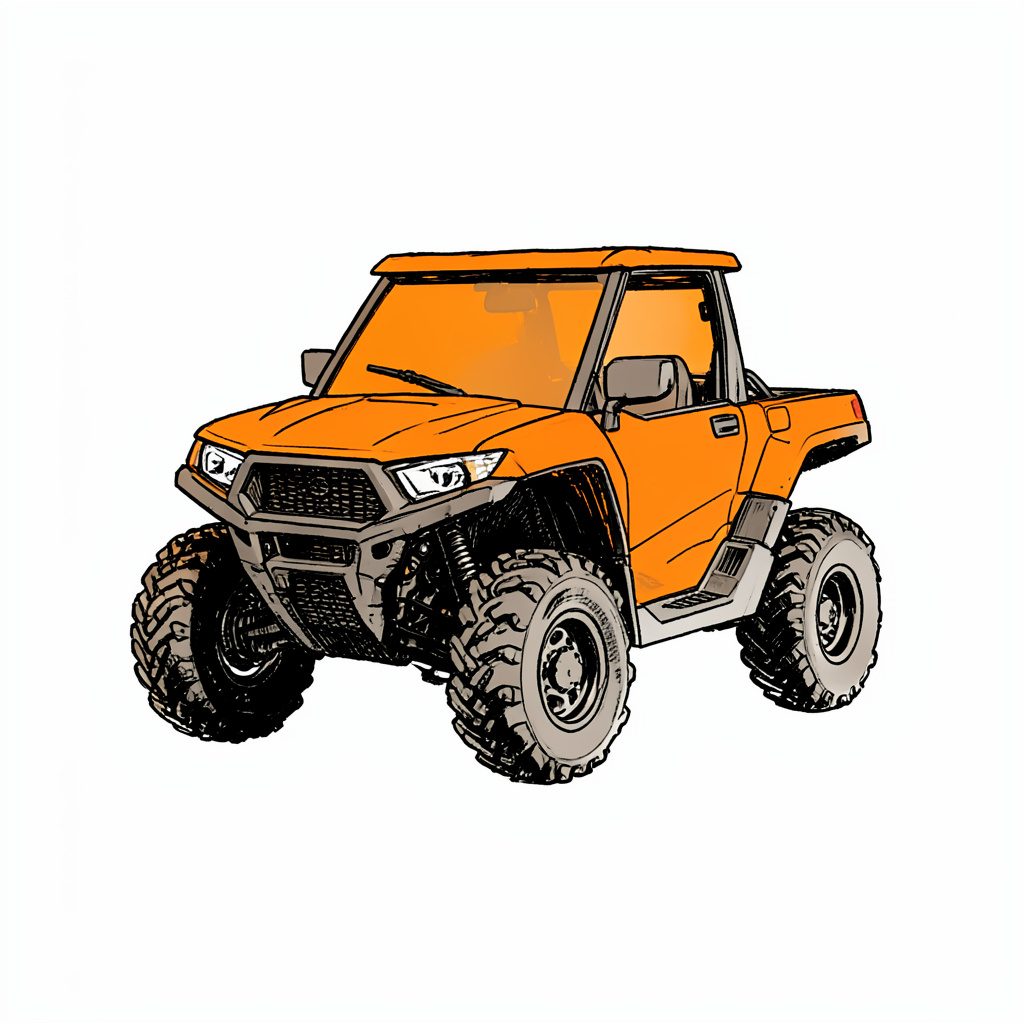
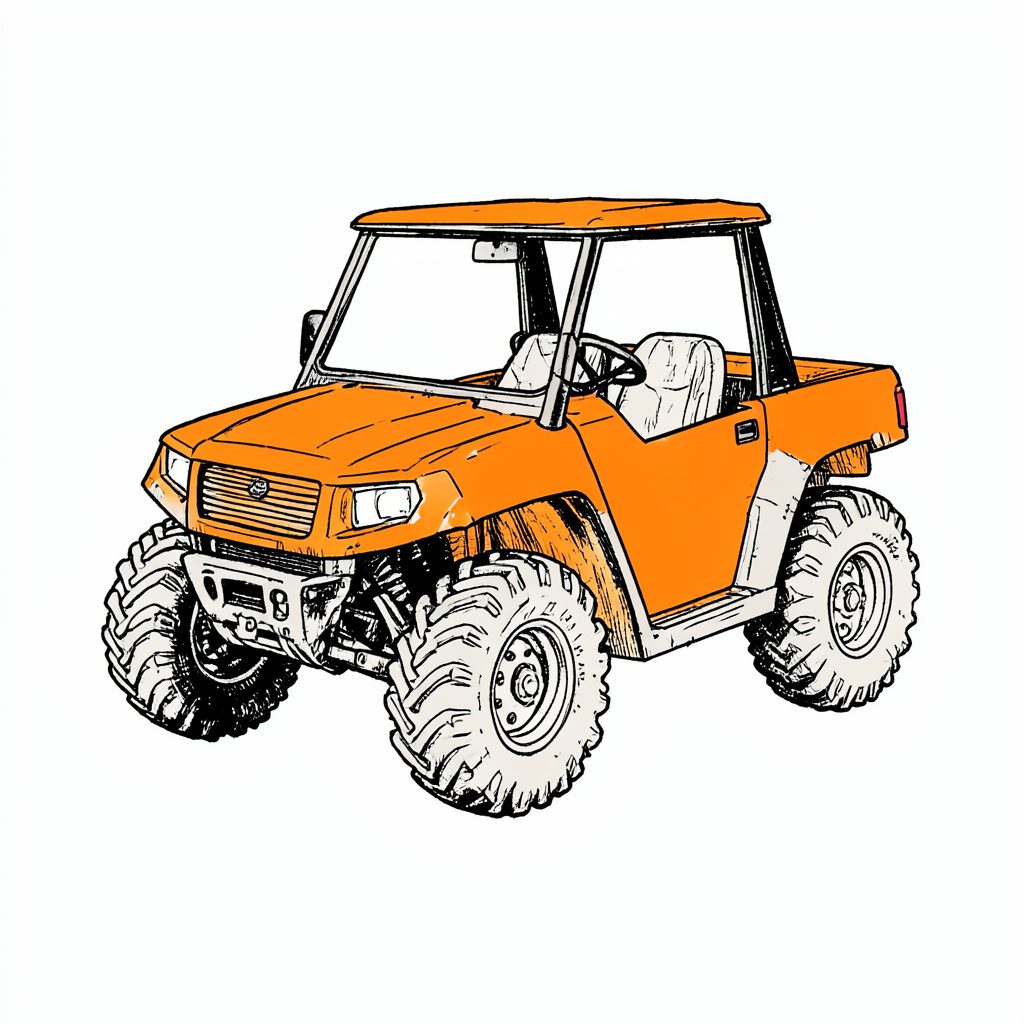
Tucked into pristine old Florida land in Flagler County, Florida Cracker Ranch is a family oriented outdoor adventure club where kids, parents and thrill seekers share the same trails, campsites and waterways.
Adventure Memberships available — families and singles welcome.
Reserve Your SpotWelcome to Florida Cracker Ranch
Often called Nature's Theme Park, our grounds invite families to ride ATV trails, splash through the swamp buggy area, pitch a tent, cast a line and explore old Florida hiking paths. Discover why members keep coming back season after season.
What You Can Do Here
ATV Trails
Marked routes for every skill level, including a peewee section.
Dirt Bikes
Dedicated dirt bike area built for two wheel adventure.
BMX & Mountain
Pedal powered BMX and mountain bike trails.
Swamp Buggy
Spacious swamp buggy area for big rig fans.
4x4 & Mud Trucks
Deep ruts and splash zones for 4x4s and mud trucks.
Skeet Range
Skeet shooting range in a controlled setting.
Camping
Membership campsites on a first come, first served basis.
Horse Trails
Scenic horse trails and riding paths.
An Old Florida Tradition
We honor the cracker way of life with old Florida outdoor living, traditional lodging, hiking and nature trails, plus fishing, swimming and beach access for members and their guests.
- Membership camping on a first come, first served basis
- Old Cracker Style Lodging cabins planned for overnight stays
- Old Florida hiking and nature trails
- Fishing, swimming and beach access
- Horse trails and riding
By the Numbers
Fly Fishing For Bass In Florida Cracker Ranch Ponds
Fly fishing for bass in the ranch ponds is a relaxed way to experience Florida Cracker Ranch without needing a full day on the bigger adventure tracks. Largemouth bass often hold close to weed lines, shaded banks, fallen timber and shallow cover, where a carefully placed fly can trigger an explosive take.
For Australian visitors, the fish will feel familiar in some ways and different in others. Florida largemouth bass are not the same as Australian bass from a New South Wales estuary or a Queensland impoundment. They are freshwater predators with broad mouths, strong first runs and a habit of ambushing prey around structure.
The ponds also suit mixed groups. One person can fish while others explore the wider ranch adventures, ride, hike or enjoy the family facilities. That makes a session easier to fit around children, non-anglers and guests who would rather spend the morning outdoors in another way.
A successful outing depends less on carrying a huge fly box than on reading the water, choosing a practical outfit and adjusting to Florida conditions. Warm air, sudden showers, bright sun and thick vegetation all influence where bass sit and how they respond.
Choose The Right Water And Fish
Begin by asking ranch staff which ponds are currently fishing well and whether any areas are reserved for particular activities. Conditions can change after heavy rain, heat or a cold front, and local staff may know which banks have shade, baitfish or recent bass activity.
Look for visible signs before making a cast. Small baitfish scattering near the edge, bluegill flicking over shallow beds, insects landing on the surface and subtle swirls can all reveal feeding fish. A quiet pond is not necessarily empty; bass may be holding deep or under cover when the surface looks still.
Do not assume you need to wade. Pond margins can be soft, uneven or hidden by grass, and Florida waterways may contain wildlife that should be given plenty of space. Fish from firm ground, keep a sensible distance from the waterline and follow the ranch’s access and safety instructions.
Build A Simple Bass Fly Outfit
A 7- or 8-weight rod is a useful starting point for largemouth bass. It casts larger flies comfortably, turns over a sturdy leader and gives enough power to steer a fish away from vegetation. A floating weight-forward line handles most pond situations, particularly when bass are feeding near the surface or in the upper water column.
Use a 7.5- to 9-foot leader with a tippet in the 8- to 12-pound range. Bass have rough mouths, and pond cover can abrade light tippet quickly. Fluorocarbon is useful for subsurface flies, while a short section of strong nylon works well for poppers and other floating patterns.
A reel with a reliable drag matters, but long-distance casting is less important than accuracy. Practise short, quiet deliveries that land beside a reed edge or under an overhanging branch. An Australian 6-weight trout outfit may manage small flies, but a heavier bass setup is safer when the fish are near thick cover.
Read The Pond Before Casting
Walk slowly along the bank and study the water for several minutes. Bass often position themselves where two habitats meet: open water beside vegetation, a dark patch beside a bright flat, or a drop-off near a shallow spawning area. These edges give the fish cover and create natural lanes for prey.
In bright midday conditions, search for shade beneath trees, docks, banks and floating vegetation. Early morning and late afternoon usually provide better surface activity, especially during warmer months. If the wind pushes insects and small baitfish towards one bank, that shoreline deserves attention.
Cast to likely holding spots rather than covering every metre of water. Start with the closest water because fish near the bank are easy to spook. Keep false casts above the pond and away from branches, then allow the fly to settle before beginning the retrieve.
Select A Fly And Present It Naturally
Poppers are an exciting choice when bass are willing to look up. Work them with short strips and pauses rather than constant movement. The pause is often when a bass strikes, so resist lifting the fly immediately after a swirl. Let the fish turn down before setting the hook with a firm strip-set.
When the surface is quiet, use streamers, woolly buggers, crayfish imitations or baitfish patterns. Olive, black, brown and white are dependable starting colours. Cast beyond the target, retrieve through the likely holding zone and vary the pace until the fish show a preference.
A slow, steady retrieve can imitate a wounded baitfish, while short sharp strips can suggest a fleeing minnow. Keep the rod tip low for subsurface flies and maintain contact with the line. Bass frequently hit as the fly changes direction or begins to sink during a pause.
| Fishing Situation | Fly Choice | Retrieve | Useful Adjustment |
|---|---|---|---|
| Calm surface at dawn or dusk | Popper or foam frog | Short strips with pauses | Lengthen the pause after a swirl |
| Bright sun and visible cover | Dark streamer or woolly bugger | Slow, close to structure | Cast into shade and keep the fly deep |
| Wind-blown bank | Baitfish pattern | Medium, steady strips | Fish the side receiving wind and insects |
| Clear, quiet water | Small lightly dressed fly | Delicate, slower retrieve | Use a longer leader and softer presentation |
| Bass holding near weeds | Weed-resistant streamer | Short pulls along the edge | Keep tension and strip-set quickly |
Work The Edges And Structure
Bass rarely need to travel far for an easy meal, so place the fly close to cover without burying it in the weeds. Try the corners of weed beds, the shaded side of a fallen branch, gaps between lily pads and the darker water beside a bank. A fly that lands a metre away may go unnoticed, while one that drops beside cover can be seen immediately.
If a fish follows without striking, do not repeatedly cast at the same spot. Change the retrieve, reduce the fly size or give the fish several minutes before trying again. A following bass may have detected the pattern but rejected its speed, profile or unnatural movement.
When a bass takes, strip the line firmly rather than lifting the rod straight away. The strip-set drives the hook home and keeps pressure low and direct. Once hooked, angle the rod away from the nearest weed or branch, then guide the fish into open water before raising the rod.
Plan A Comfortable Ranch Session
Florida heat can make a short fishing session feel demanding, particularly for travellers used to cooler Australian mornings. Bring a wide-brim hat, polarised sunglasses, long sleeves, sunscreen, insect repellent and plenty of water. A small esky with drinks and snacks is useful, although food and drink rules should be checked with the ranch before arriving at the pond.
Rain can appear quickly, and lightning requires a conservative approach. Stop fishing and move to a safe sheltered location when storms approach. Keep spare flies, leaders and clothing in a dry bag, and protect phones and cameras from sudden downpours.
The wider ranch setting also makes it possible to build a full day around fishing. Families may split up for a few hours and meet later for a meal or another activity. Guests staying on site can treat the ponds as a flexible part of an outdoor holiday rather than trying to force every cast into a tight itinerary. For quiet evening downtime after the activities, the ranch’s Sic Bo strategy guide offers a different kind of recreation.
Keep The Session Safe And Fish-Friendly
Handle bass with wet hands and support the fish horizontally. Avoid squeezing the body or touching the gills, and remove the hook with forceps where possible. If a hook is deeply embedded, cut the leader close to the fly rather than causing extra injury while trying to retrieve it.
Follow all ranch rules regarding catch and release, permitted flies, access areas and fishing times. Regulations can apply even when water is privately managed, so Australian visitors should check current Florida Fish and Wildlife requirements and ask whether a licence or exemption applies to their particular activity.
A practical packing list keeps the focus on fishing:
- 7- or 8-weight rod with floating line
- Poppers, foam frogs, streamers and woolly buggers
- Strong leaders, fluorocarbon tippet and spare knots
- Polarised sunglasses, hat, sunscreen and insect repellent
- Forceps, line snips and a small landing net
- Water, snacks and a dry bag for sudden rain
Start with one hour of observation and short casts before changing flies repeatedly. On the next visit, record the time, weather, fly pattern, retrieve speed and location of each strike. The concrete next step is to pack a 7- or 8-weight floating-line outfit, contact Florida Cracker Ranch about current pond access, and reserve an early-morning session.
Get in Touch
Send us a note about memberships, guest visits or directions. Phone 386-864-3856 or email floridacrackerranch@floridacrackerranch.com. Mailing address: P.O. Box 2993 Bunnell, Florida 32110.