Tucked into pristine old Florida land in Flagler County, Florida Cracker Ranch is a family oriented outdoor adventure club where kids, parents and thrill seekers share the same trails, campsites and waterways.
Adventure Memberships available — families and singles welcome.
Reserve Your SpotWelcome to Florida Cracker Ranch
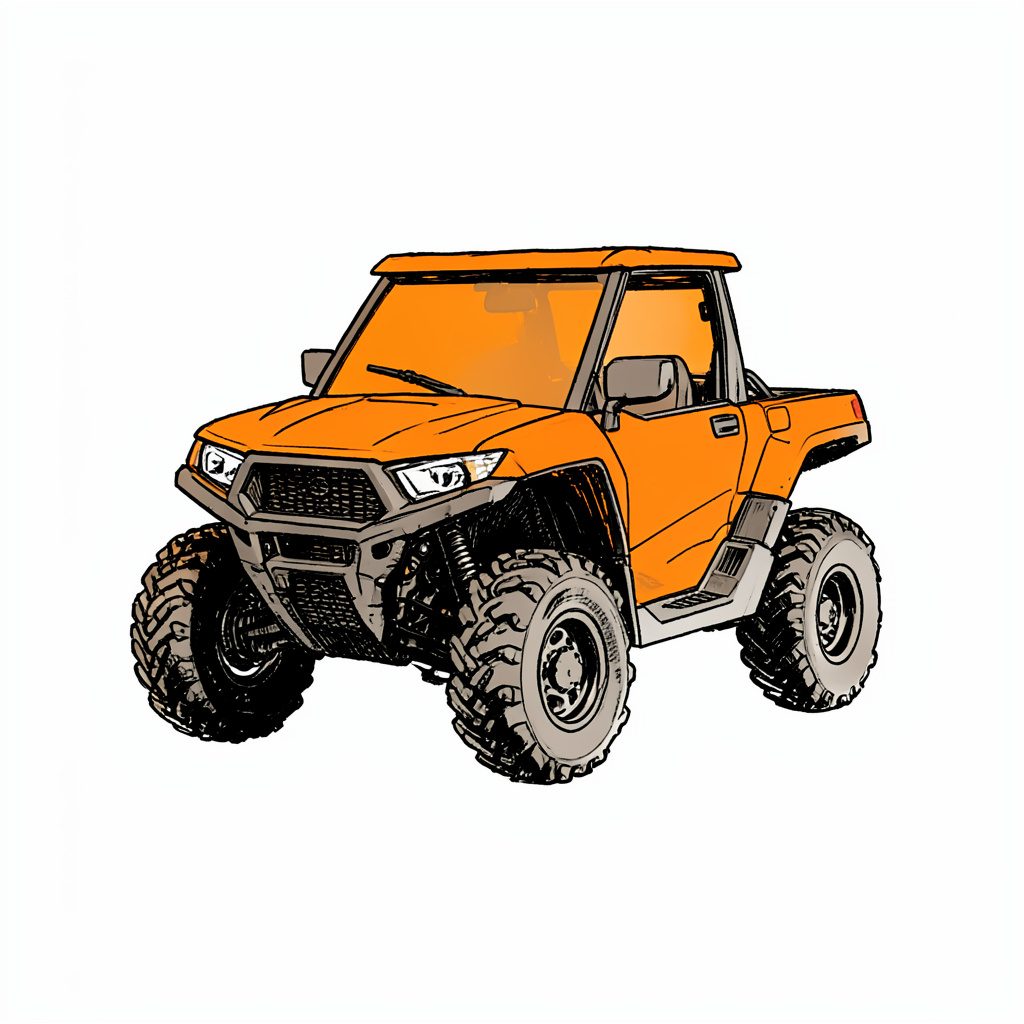
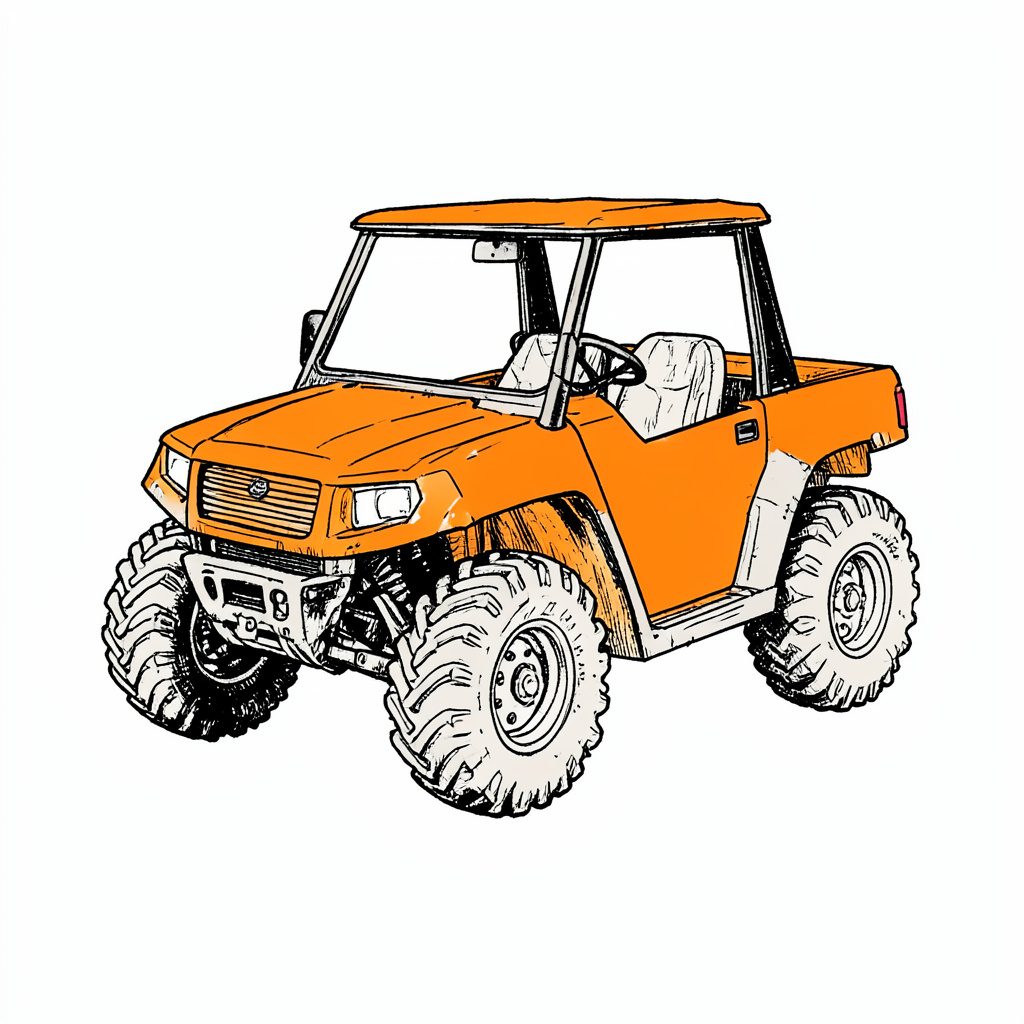
Often called Nature's Theme Park, our grounds invite families to ride ATV trails, splash through the swamp buggy area, pitch a tent, cast a line and explore old Florida hiking paths. Discover why members keep coming back season after season.
What You Can Do Here
ATV Trails
Marked routes for every skill level, including a peewee section.
Dirt Bikes
Dedicated dirt bike area built for two wheel adventure.
BMX & Mountain
Pedal powered BMX and mountain bike trails.
Swamp Buggy
Spacious swamp buggy area for big rig fans.
4x4 & Mud Trucks
Deep ruts and splash zones for 4x4s and mud trucks.
Skeet Range
Skeet shooting range in a controlled setting.
Camping
Membership campsites on a first come, first served basis.
Horse Trails
Scenic horse trails and riding paths.
An Old Florida Tradition
We honor the cracker way of life with old Florida outdoor living, traditional lodging, hiking and nature trails, plus fishing, swimming and beach access for members and their guests.
- Membership camping on a first come, first served basis
- Old Cracker Style Lodging cabins planned for overnight stays
- Old Florida hiking and nature trails
- Fishing, swimming and beach access
- Horse trails and riding
By the Numbers
Bank fishing around lily pads: cast smarter and land more fish
Lily pads turn a quiet shoreline into a productive fishing spot. Their broad leaves shade the water, shelter insects and small baitfish, and give predatory fish cover from which to ambush prey. For an angler standing on the bank, that edge can be far more valuable than a long cast into open water.
The difficulty is placing a lure close enough to the vegetation without burying it in stems. A successful cast depends on reading small gaps, controlling the lure’s fall, and keeping enough line tension to steer a hooked fish away from the pads. The same principles apply to ponds, farm dams and slow backwaters.
For Australian visitors, this style of fishing may feel familiar around Queensland billabongs, Victorian farm dams or the edges of waterways near Brisbane and regional New South Wales. The fish species differ from Florida, but the practical habits remain useful: wear sun protection, carry drinking water, check access rules and keep tackle ready for sudden action.
Florida Cracker Ranch offers a setting where fishing can sit alongside camping, swimming and other outdoor activities. Visitors should confirm current access conditions and fishing arrangements before travelling, especially when planning a family day or an extended stay through the club’s events calendar.
Read the pad line before casting
Start by studying the water for a few minutes. Lily pads rarely form a uniform carpet. Look for points, inside corners, narrow lanes, isolated leaves and places where the pad bed meets deeper or darker water. These transitions create ambush positions and provide clearer casting targets than the middle of a dense patch.
Watch for signs of life. A swirl beneath a leaf, a flickering baitfish, a frog moving across the surface or a slight tremor in the pads can reveal where fish are holding. Wind can also push floating food and insects towards one bank, making the downwind edge worth exploring first.
Depth matters as much as cover. A shallow flat may be active early in the morning, while fish can move to the outer edge when the sun rises. If the bank has a steep drop near the pads, work that boundary carefully before walking farther along the shore.
Choose tackle that handles vegetation
A medium-heavy spinning rod or baitcasting outfit gives better control than light tackle when fish can bury themselves in weeds. A strong main line helps turn a fish quickly. In many freshwater situations, braided line with a suitable leader offers sensitivity and pulling power, although the right breaking strain depends on the local species, lure and cover.
Keep the rig simple. Weedless soft plastics, Texas-rigged worms, frogs and compact weed-resistant jigs can slide over leaves and through small gaps. A weed guard is useful, but it does not make a lure completely snag-proof. Exposed hooks are more likely to catch stems, while an overly bulky weedless lure may be difficult for fish to take.
Use a lure colour that suits the light. Dark green, black or brown profiles are easy for fish to track against the surface, while brighter patterns can help in stained water. Carry a few weights rather than relying on one size: a lighter presentation stays on top, while a heavier one reaches fish below the pads.
Place the lure beside the best openings
Accuracy is more valuable than distance when fishing from the bank. Aim for the edge of a leaf, a pocket between pads or the open water immediately beside a thick cluster. Landing softly prevents unnecessary disturbance and allows the lure to begin working as soon as it touches down.
Useful casting targets include:
- The shaded inside corner of a pad bed
- A narrow lane leading into deeper water
- An isolated lily pad separated from the main cover
- The outside edge exposed to wind or current
- A small opening beside reeds, timber or overhanging grass
Use a short sidearm cast when branches or tall grass limit the backcast. A pitch or underhand swing can place a lure quietly into a tight pocket. If there is room, an overhead cast lets you reach the far side of the pad line, where fish may face into the open water and watch for passing prey.
After the lure lands, pause before moving it. Some fish strike during the initial drop, particularly when the bait slips beside a leaf. Keep the rod tip high enough to maintain a clean line angle, but avoid dragging the lure immediately across the surface.
Control the fall and retrieve
A slow lift-and-drop retrieve is effective around scattered pads. Raise the rod tip, move the lure a short distance, then allow it to settle. Many strikes occur as the bait falls into a gap or slides off the edge of a leaf. The pause should be long enough to look natural, but not so long that the lure becomes buried in soft weed.
For a frog or floating lure, work across the surface with small twitches. Let it rest beside a pad for several seconds, then move it again. A fish may follow without striking until the lure reaches open water. With a soft plastic, gently shake the rod tip rather than pulling hard; subtle movement often looks more convincing.
Pay close attention to the line. A sideways twitch, a sudden slack loop or a line that moves away from the lure can indicate a bite even when the surface stays calm. When a fish takes near cover, lower the rod slightly, wind until the line is tight and set firmly. A sharp, controlled hook-set is preferable to repeatedly striking at every movement.
Land fish before they reach the weeds
The first few seconds after the hook-up are critical. Keep steady pressure and guide the fish away from the pad bed rather than allowing it to turn into the vegetation. Point the rod towards the clearest water and use your feet to change the angle if the bank permits.
Avoid standing directly at the water’s edge on a slippery or undercut bank. A stable position gives better leverage and reduces the chance of falling while handling a strong fish. If the shoreline is crowded with family members, establish a clear landing area before casting into tight cover.
A practical bank-fishing checklist includes:
- Long-nose pliers or forceps for safe hook removal
- A landing net sized for the local fish
- Spare leaders, hooks and weedless lures
- Polarised sunglasses for seeing line and submerged cover
- Insect repellent, water and sun protection
- A rubbish bag for discarded line and soft-plastic packaging
Handle fish with wet hands and keep them out of the water only as long as necessary. If a fish is intended for release, support its body rather than holding it vertically by the jaw. Local rules may require particular handling practices, size limits or species-specific restrictions.
Match the method to weather and local rules
Early morning and late afternoon often produce better surface activity because light levels are lower and temperatures are more comfortable. In Florida, summer heat and sudden storms can change conditions quickly, so check the forecast and leave the shoreline when lightning is nearby. Australian visitors will recognise the same need around Queensland storms, intense summer sun and fast-changing weather on exposed dams.
Wind is not always a problem. A light breeze can push insects and small food items towards the bank, but strong wind makes accurate casting difficult and can pile floating debris against the pads. Fish the sheltered side first, then try the windward edge if food is visibly collecting there.
Fishing regulations vary by location. A private property may still be subject to state or local fisheries requirements, and permission to enter does not automatically replace a licence where one is required. In Florida, check current Florida Fish and Wildlife Conservation Commission rules, licence conditions and any posted ranch instructions. Australian anglers should likewise consult the relevant state authority, such as Queensland Fisheries or NSW recreational fishing information, before applying familiar local habits to a new destination.
For practical access details, including dates, activities and family arrangements, use the ranch’s contact page rather than relying on old social posts. Conditions can change with water levels, maintenance work, weather or scheduled private events.
Make the shoreline part of the experience
Bank fishing works well as one part of a wider outdoor day. At Florida Cracker Ranch, families can combine time beside the water with camping, swimming, horse riding, hiking or off-road activities. That makes it easier for experienced anglers to spend several hours refining casts while less fishing-focused visitors have other things to do.
Wear footwear suited to uneven ground and expect mud, insects and wet grass near the water. Florida’s heat rewards lightweight clothing, a broad-brimmed hat and regular water breaks. Anyone arriving from Sydney, Perth or Melbourne should also remember that the local climate, wildlife and sun exposure can differ sharply from conditions at home.
Ranch trails and access points benefit from responsible visitors. Follow marked routes, keep vehicles away from soft banks and avoid trampling vegetation around productive fishing edges. Members who want to assist with practical upkeep can read about trail maintenance work, including ways to help keep paths usable without damaging the surrounding habitat.
When planning travel, keep arrangements straightforward. Pack one compact tackle box, a small selection of weedless lures and clothing that can handle both fishing and general outdoor activities. If you need a quiet evening after a full day outside, organise entertainment before leaving home and use a trusted source such as this viewing option only with attention to local laws, device security and content rights.
Build a repeatable casting routine
Begin at the nearest promising pad edge and make several precise casts before moving. Rotate targets rather than repeatedly dropping a lure in the same place. This approach helps you cover the water without spooking fish along the bank and reveals which types of cover are holding active fish.
Record simple observations: time, wind direction, water clarity, lure style, depth and the location of strikes. A note such as “slow fall beside an outside corner at first light” becomes more useful than a vague memory. Over several visits, patterns emerge and help you choose a shorter, more confident session.
The best bank anglers are patient without being passive. They look, cast, pause, retrieve, adjust and move with purpose. Before your next visit, mark one clear pad-edge target on a printed or offline map and pack a weedless lure, pliers and a landing net beside your rod.
Get in Touch
Send us a note about memberships, guest visits or directions. Phone 386-864-3856 or email floridacrackerranch@floridacrackerranch.com. Mailing address: P.O. Box 2993 Bunnell, Florida 32110.